Articles to help you understand, manage, and improve your health.
Trending Post
Festive
Autoimmune Condition
Unexplained Symptoms
Mental & Brain Health
Root Cause Analysis
General Health
Digestive Health
Hormone Health
Mental Health
All Blogs
Supplements
All Blogs
read count
read time
General Health
Feb 2, 2026
Managing Diabetes vs Fixing Metabolism: What’s the Real Difference?
Managing diabetes controls blood sugar. Fixing metabolism targets insulin resistance and the root cause of type 2 diabetes for long term metabolic health.
Introduction
Type 2 diabetes is often described as a lifelong condition that needs constant “management.” Monitor sugar, take medication, adjust doses, repeat. For millions, this becomes the rhythm of daily life. Yet despite doing everything right on paper, many people still feel worse over time. Energy drops. Weight creeps up. Medications increase. Complications loom.
This raises an uncomfortable but necessary question. Are we truly treating the disease or are we only managing its most visible symptom?
To understand the real difference between managing diabetes and fixing metabolism, we need to move beyond blood sugar alone and look at insulin resistance, metabolic infrastructure, and the root cause of diabetes itself.
Managing Diabetes: The Conventional Approach
What “management” usually means
In conventional care, type 2 diabetes is primarily tracked using fasting glucose and HbA1c. If blood sugar is high, treatment is escalated. If numbers improve, the disease is considered controlled.
Medications play a central role. These may include drugs that increase insulin secretion, improve insulin sensitivity, reduce glucose absorption, or promote glucose loss through urine. Each has a defined mechanism and short term benefit.
On the surface, this approach makes sense. High blood sugar is dangerous, and lowering it reduces immediate risk.
The problem is not that glucose doesn’t matters. The issue is that glucose is a lagging indicator. By the time fasting glucose or HbA1c rises, metabolic dysfunction has usually been present for years.
Insulin resistance often precedes type 2 diabetes by a decade or more. During this phase, insulin levels climb to keep blood sugar normal. Lab reports may still look fine, yet the body is already under strain.
When treatment focuses only on lowering sugar without addressing insulin resistance, it is similar to silencing a fire alarm without putting out the fire. The alarm stops, but the damage continues quietly.
Insulin Resistance: The Hidden Driver
What insulin resistance actually is
Insulin resistance is not a single organ problem. It is a systems level breakdown involving the liver, muscle, adipose tissue, mitochondria, and hormonal signaling.
In muscle, insulin resistance reduces glucose uptake due to impaired GLUT4 translocation. In the liver, insulin fails to suppress glucose production, leading to elevated fasting and post meal sugars. In adipose tissue, dysfunctional fat cells release inflammatory signals and excess fatty acids into circulation.
This creates a state where the body must produce more and more insulin just to maintain balance.
Fasting insulin reveals what glucose hides
One of the most overlooked markers in diabetes care is fasting insulin. While fasting glucose tells you how much sugar is in the blood, fasting insulin tells you how hard the body is working to keep it there.
A normal fasting glucose with elevated fasting insulin signals metabolic stress. It means the pancreas is compensating aggressively. This is often the earliest measurable sign of insulin resistance and one of the clearest windows into the root cause of diabetes.
Ignoring fasting insulin means missing the disease in its most reversible stage.
The Metabolic Infrastructure Problem
Mitochondria, oxidative stress, and energy failure
At the cellular level, insulin resistance is closely tied to mitochondrial dysfunction. Excess nutrient load, oxidative stress, endotoxins, and chronic inflammation impair oxidative phosphorylation. ATP production falls. Reactive oxygen species rise.
As mitochondrial efficiency drops, insulin signaling pathways become disrupted. Cells struggle to process glucose and fat efficiently. This metabolic inflexibility forces the body into survival mode rather than repair mode.
Blood sugar rises not because the body is broken, but because it is overwhelmed.
Ectopic fat and metabolic congestion
When adipose tissue storage capacity is exceeded, fat spills into organs not designed to store it. Liver, muscle, pancreas. This ectopic fat interferes with insulin signaling through lipid intermediates such as ceramides and diacylglycerols.
In the pancreas, fat accumulation impairs beta cell function. In the liver, it drives excess glucose production. This is the biological basis of the twin cycle hypothesis and a central piece of the root cause of diabetes.
Ectopic fat and metabolic congestion
When adipose tissue storage capacity is exceeded, fat spills into organs not designed to store it. Liver, muscle, pancreas. This ectopic fat interferes with insulin signaling through lipid intermediates such as ceramides and diacylglycerols.
In the pancreas, fat accumulation impairs beta cell function. In the liver, it drives excess glucose production. This is the biological basis of the twin cycle hypothesis and a central piece of the root cause of diabetes.
Fixing Metabolism: A Root Cause Strategy
What fixing metabolism actually means
Fixing metabolism is not about chasing numbers. It is about restoring physiological responsiveness. When metabolism works, insulin is released appropriately, receptors respond efficiently, mitochondria produce energy cleanly, and glucose returns to cells without force.
This approach views type 2 diabetes as a potentially reversible state of metabolic dysfunction, not an irreversible disease.
For those questioning whether type 2 diabetes can truly be reversed rather than managed, our blog Reversing Diabetes Is Possible: Here’s How.. dives deeper into the practical application of this approach.
The role of fasting and fasting insulin
Strategic fasting, when appropriate and personalized, reduces insulin levels and allows receptors to resensitize. Lower insulin enables fat mobilization, reduces ectopic fat, and improves mitochondrial efficiency.
Tracking fasting insulin alongside glucose provides feedback on whether the intervention is working at the root level, not just cosmetically.
Fasting is not a tool of deprivation. It is a biological signal that allows the body to switch from constant storage to repair and cleanup.
Nutrients and the Cellular Engine
The overlooked role of micronutrients
Insulin signaling depends on key nutrients such as magnesium, chromium, zinc, and B vitamins involved in the Krebs cycle. Deficiencies impair glucose metabolism even when diet appears adequate.
Without these cofactors, insulin receptors do not respond properly and mitochondria cannot generate energy efficiently. Supplementation in this context is not optional support. It is a foundational repair.
Markers like hs CRP, ferritin, uric acid, and homocysteine reflect metabolic wear and tear. Elevated levels indicate oxidative stress and inflammation that directly worsen insulin resistance.
Reducing this load through nutrition, sleep, stress regulation, and targeted compounds improves metabolic signaling across tissues.
Managing vs Fixing: The Core Difference
Managing diabetes focuses on controlling outputs. Fixing metabolism focuses on repairing inputs.
Management asks, how do we lower blood sugar today? Fixing asks, why does blood sugar rise in the first place?
Management often leads to escalating medication. Fixing aims for reducing dependency over time.
Management treats type 2 diabetes as permanent. Fixing recognizes that biology responds when conditions change.
This is not anti-medicine. It is pro-physiology.
The iThrive Perspective
At iThrive Alive, the focus is not on suppressing symptoms but on rebuilding metabolic infrastructure. This means assessing insulin resistance directly, measuring fasting insulin, understanding nutrient status, evaluating stress and circadian alignment, and personalizing interventions. The goal is not perfection. It is progress toward resilience. For those seeking clarity on their metabolic state, understanding insulin resistance early can change the entire trajectory. You can book a free consult to explore whether your current approach is managing numbers or fixing metabolism.
Key Takeaways
Type 2 diabetes is not just a blood sugar problem. It is a deeper metabolic dysfunction that builds silently over time. Managing diabetes focuses on controlling glucose levels, while fixing metabolism addresses insulin resistance, the true root cause. Fasting insulin often reveals metabolic stress years before blood sugar levels rise, making it a powerful marker for early insight. Metabolic health depends on mitochondrial function, nutrient status, sleep, stress, and circadian rhythm, not willpower alone. Understanding whether you are managing numbers or repairing metabolism requires the right data. You can book a free consult to gain clarity on your metabolic health.
read count
read time
Autoimmune Condition
Jan 8, 2026
Top 10 Sign and Symptoms of Alzheimer's
Identify Alzheimer’s early signs and explore how functional nutrition and healthy habits can slow cognitive decline.
What Is Alzheimer’s?
Alzheimer’s is a condition that affects the brain, gradually impacting memory, thinking, behaviour, and the ability to manage daily life. It is the most common cause of dementia and develops slowly over time, often years before clear symptoms are recognised.
Alzheimer’s is associated with the accumulation of abnormal protein structures known as amyloid-beta plaques and tau tangles in the brain. These interfere with communication between brain cells, reduce their ability to produce energy, and eventually lead to the loss of neurons. As this process continues, areas of the brain responsible for memory, reasoning, language, and emotional regulation begin to weaken.
Top 10 Signs and Symptoms of Alzheimer’s
Sign 1: Memory Loss That Affects Daily Life
One of the earliest signs of Alzheimer’s is forgetting recent things again and again. A person may repeat the same question, forget a conversation that just happened, or struggle to remember important details of the day. This happens because the disease first affects the part of the brain that helps form new memories, making it harder to store and recall recent information. Unlike normal forgetfulness, this kind of memory loss starts to interfere with daily life and becomes more noticeable over time.
Sign 2: Difficulty Planning or Solving Problems
A person may start finding it hard to plan things or solve simple problems. Tasks like managing bills, following a familiar recipe, or routine chores. They may take much longer to complete tasks or avoid them altogether. This goes beyond occasional mistakes and begins to affect confidence and daily functioning.
Sign 3: Difficulty Completing Familiar Tasks
A person may struggle to complete everyday tasks that were once easy for them. This could include making a simple meal, using household appliances, or driving to a familiar place. They may forget the steps involved or feel confused midway through the task. Over time, this difficulty can interfere with independence and daily routines.
Sign 4: Confusion With Time or Place
A person may lose track of dates and time. They might forget where they are or how they got there. For example, someone could suddenly be in a familiar neighborhood but feel lost or unsure about how to return home. This confusion is more persistent than occasional disorientation and can make daily life stressful.
Sign 5: Trouble Understanding Visual Images and Spatial Relationships
Alzheimer’s can affect the ability to read, judge distances, or recognize colors and shapes. This might make driving challenging or cause difficulty in navigating familiar spaces. Even understanding visual information, like a chart or map, can become confusing.
Sign 6: Problems With Words in Speaking or Writing
Someone may struggle to follow or join a conversation. They might pause frequently, use the wrong word, or call objects/people by the wrong name. Writing may also become difficult, with sentences that are incomplete or hard to understand. This goes beyond occasional forgetfulness and makes communication challenging.
Sign 7: Misplacing Things and Losing the Ability to Retrace Steps
A person may put things in unusual places, like leaving keys in the fridge. They may be unable to retrace their steps to find lost items, leading to frustration and suspicion. Unlike normal forgetfulness, these episodes happen more often and interfere with daily life.
Sign 8: Decreased or Poor Judgment
Alzheimer’s can affect decision-making and judgment. A person may make uncharacteristic financial choices, neglect personal hygiene, or dress inappropriately for the weather. This decline is noticeable because it departs from their usual behavior and can put them at risk.
Sign 9: Withdrawal From Work or Social Activities
Someone may start avoiding social interactions, hobbies, or work projects they once enjoyed. They might feel overwhelmed by tasks, lose interest in friends, or stop participating in activities because they feel embarrassed by difficulties with memory or thinking.
Sign 10: Changes in Mood and Personality
Alzheimer’s can cause rapid mood swings, increased anxiety, confusion, or low self esteem. A person may become easily upset, fearful, or unusually passive. These changes are different from normal emotional fluctuations and may be more noticeable to family and friends.
A Functional Nutrition Perspective on Alzheimer’s
At iThrive, we don’t see Alzheimer’s as only a problem of the brain. We see it as a reflection of what has been happening in the body for many years.
Long-term factors such as chronic inflammation, nutritional deficiencies, gut-brain imbalance, blood sugar dysregulation, toxin exposure, poor sleep, and prolonged stress can gradually influence how the brain functions and ages. When these factors persist, they may increase vulnerability to cognitive and neurological decline.
Functional nutrition focuses on identifying and addressing these root contributors early. By supporting the brain with appropriate nutrition, reducing inflammatory load, strengthening gut health, and improving metabolic and nervous system balance, the goal is to support cognitive resilience and overall quality of life.
Why Early Detection Matters
By the time Alzheimer’s is clinically diagnosed, the brain may have already lost 20-30% of neurons in key areas. This is why recognizing the early signs and taking action is so important.
At iThrive, early intervention helps us take key steps to support brain health:
Reduce Neuroinflammation: Inflammation in the brain can harm cells and affect memory. Reducing it helps the brain work more smoothly.
Support Brain Energy: Brain cells need energy to function. Supporting mitochondrial and metabolic health keeps them energized and sharp.
Fix Nutrient Gaps: Vitamins and minerals like B-vitamins and omega-3s are essential for memory and thinking. Giving the brain what it needs helps it stay healthy.
Strengthen Gut-Brain Connection: The gut and brain communicate closely. Improving insulin sensitivity and gut health helps the brain stay clear, focused, and balanced.
While Alzheimer’s is complex and does not yet have a cure, brain decline is not always inevitable. Taking action early can slow progression, support cognitive function, and improve quality of life.
Our approach at iThrive emphasizes addressing the root causes, including: inflammation, insulin resistance, nutrient gaps, gut imbalance, toxic load, and chronic stress. By targeting these areas, we aim to protect the brain and support long-term resilience.
read count
read time
General Health
Jan 5, 2026
How I lost 16 kgs in 4 months- Mugdha Pradhan's easy weight loss journey with GLP agonists
Read Mugdha’s real experience of losing 16kgs with retatrutide, supported by nutrition, strength training, hydration, and quantum biology principles
Introduction
I’ve been working in the field of functional medicine and functional nutrition for years now and my team and I have supported thousands of people in their healing journeys.
Yet, despite being one of the best in India, I ended up gaining weight between 2022- 2025. I went from a very stable 60 kgs that I had maintained for many years to a whopping 80.2 kgs and not because I didn’t know what to eat or which supplements to take, but because life was pushing me to grow and the stress of that process was so high that I went back to my oldest coping mechanism which if you haven’t guessed it already, was emotional eating.
Everytime I felt tired, betrayed, hurt, afraid, uncertain, abandoned, rejected, disliked, hated, victimized, powerless, sick to the core of my existence, lonely, friendless,sad, lost; every time I felt any of these difficult emotions- I turned to food for grounding. Now, mind you, I wasn’t even eating nasty junk food, but since I was eating to drown emotions and not for real nutritional hunger the weight started piling up.
In those three years I learned more about myself than I had in my entire life. I delved deep into my mind, my emotions, my shadow self, my triggers, my nervous system and through it all connected deeply with my Soul. I learnt how to become more resilient through each challenge and emerge stronger and stronger all the while running iThrive and making sure we continued to grow and progress in the right direction
While this strength, resilience and growth was a really great outcome, the emotional eating- what began as an exception now had become a pattern and despite all the mental, emotional, spiritual work I did, I couldn’t get a grip on being able to reset that pattern. The food noise just overwhelmed me.
That’s when I began looking for solutions beyond what I knew in Functional Medicine and Mind-body medicine. GLP’s seemed interesting but I was skeptical because of the reported side effects. So I decided to study them deeply and once I understood the science in detail it turned out GLP agonists indeed do turn off the food noise and help a person get control over their eating habits.
I compared different GLP agonists like Semaglutide (Ozempic), Tirzepatide (Munjaro), and Retatrutide. I went through molecular pathways, clinical outcomes, long-term studies, and safety data.
Retatrutide stood out because it worked on three pathways at once:
GLP-1 (Glucagon-Like Peptide-1) Pathway: Primarily reduces appetite and slows gastric emptying, which helps patients feel full for longer periods and decreases overall calorie intake.
GIP (Glucose-Dependent Insulinotropic Polypeptide) Pathway: Enhances insulin secretion in response to meals, improves glucose homeostasis, and may help modulate fat storage and energy utilization in adipose tissue.
Glucagon (GCG) Pathway: Distinguishes retatrutide from earlier medications like Ozempic (GLP-1 only) and Munjaro (GLP-1/GIP). This pathway increases energy expenditure (calorie burning) and promotes the breakdown of stored fat for fuel.
Of all the GLP agonists, the data seemed strongest for Retatrutide- minimal side effects, great at improving body composition with many additional benefits including improving insulin sensitivity when paired with a good nutrition and exercise plan and it seemed like a really great option.
Even before I started Retatrutide, I planned how I would be meeting my macro and micro nutrients if I was going to end up with a reduced appetite. I did my blood tests, created a really great nutrition plan with a calorie deficit while consuming about 1.5 gms protein/kg body weight and ensured all my micronutrient needs would be met either through food or supplements. Once that was done, I began my research with Retatrutide on 30th Aug 2025. Within 24 hrs of injecting it, all thoughts of food just died down and all I could focus on was eating as per my protocol.
Breakfast was always 3 eggs, a protein shake mid-morning, and ate around 200-250 grams of meat (mutton/ chicken/ fish/ prawns) with a salad for lunch. My supplement stack included B-Vitamins, Magnesium, Zinc, Vit D, CoQ10.
I made sure I was weight training and lifting heavy weights thrice a week. In addition to this, I had to ensure I was drinking enough water to prevent dehydration.
Other than this, I continued the habits I had built over the last 3 years such as meditation, breathwork, red light therapy, grounding, and sunlight exposure. These helped my system from a quantum biology perspective. These also allowed me to deal with everyday stressors, stabilise my nervous system and helped in rewiring my brain
The Results
It’s been 4 months now, and I’ve lost around 16 kgs of which 14 kgs has been fat and water weight and about 2 kgs has been muscle (see table below). Anyone who has worked on massive weight loss would know that ratio is quite phenomenal. I also ran my labs and there’s a dramatic improvement in insulin sensitivity. Visceral fat dropped down, so did body age.
Conclusion
I still have 4 more kgs to lose before I start tapering my dosage down. However, what everyone reading this should understand is that Retatrutide did not magically do the weight loss for me. It allowed me to stick to my nutrition plan, exercise routine and overall regenerative lifestyle and that is the only way to work with peptides. When used with proper guidance, peptides can be a safe and effective tool for people who feel stuck despite trying everything to lose weight. If you want to explore this approach, you can book a consultation with Mugdhawith us and understand what will work best for your body.
read count
read time
Trending Post
Dec 22, 2025
Mugdha Pradhan's easy weight loss journey with GLP-3 peptides
Read Mugdha’s real experience of losing 11 kg with peptide, supported by nutrition, strength training, hydration, and emotional healing.
Introduction
I’ve been working in the field of functional nutrition for many years. Through iThrive, I’ve supported thousands of people with their healing journeys. But despite all this knowledge, I found myself struggling with weight gain. Not because I didn’t know what to eat or how to cope with it, but because life became very heavy for a while.
People rarely see the emotional side of weight gain. They only see the number increasing on the scale. In my case, those extra kilos were connected to years of emotional stress, uncertainty, and situations that were mentally exhausting. When I finally acknowledged what was happening and understood how deeply stress was affecting my behaviour, I knew I needed proper support.
That is when I began researching peptides seriously. I did not want something that would harm my metabolism or cause dependency. I only wanted support that aligned with biology and long-term health. After understanding the science in detail, I decided to try Retatrutide peptide. With the right nutrition, routine, emotional work, and guidance, I lost 11 kgs in two months in a way that felt safe, steady, and manageable.
Why I Gained Weight
My weight gain didn’t happen suddenly. It happened slowly over almost three years. During this time, my daughter’s court case was going on, and it consumed a large part of my emotional and mental energy. I was also navigating personal challenges and a few organisational conflicts. Even though I was functioning externally, internally I felt tired and overwhelmed.
Food slowly became the easiest way to feel a little better. Ordering something comforting at the end of the day became normal. Snacking during meetings felt harmless and social meals became more frequent.
It wasn’t mindless eating, it was stress-driven eating. My body was looking for something that felt grounding or soothing, and food filled that gap temporarily.
Even though I knew why this was happening, I didn’t have the emotional space to reverse it at that time. I wasn’t overeating because I didn’t understand nutrition; I was eating because I was coping with difficult situations. Over time, this added up as weight gain.
How Peptides Entered My Life
When things finally settled a little and I had space to reflect, I realised that my eating patterns had turned into a deeply conditioned cycle. I wasn’t eating because I was hungry. I was eating because my brain was wired that way after months of emotional strain.
I needed something that would help silence the food noise and help me regain control without feeling like I was fighting myself. This is when peptides came into the picture. Before making a decision, I spent weeks studying them. I compared different advanced peptides like Mounjaro, Tirzepatide, and Retatrutide. I went through molecular pathways, clinical outcomes, long-term studies, and safety data.
Retatrutide stood out because it worked on three pathways at once:
GLP-1: reduces appetite and slows stomach emptying
GIP: improves insulin response and blood sugar control
Glucagon: increases energy expenditure
How Retatrutide Works
1. Appetite Reduction
Retatrutide helped me feel full faster and stay full longer. I wasn’t thinking about food constantly, and the cravings reduced naturally.
2. Blood Sugar Stability
Because my blood sugar was stable, I wasn’t experiencing sudden dips that usually trigger emotional eating or binge patterns. This alone made a huge difference in my day.
3. Increased Fat Burning
Retatrutide also supported my metabolism. I didn’t feel sluggish. My body was burning stored fat more efficiently, even on days when I wasn’t able to move as much.
My Step-by-Step Journey
Starting Peptide Therapy
I started Retatrutide on 30th August 2025. I didn’t expect it to solve everything on its own. I was clear that peptides were just one part of the plan. The real transformation needed nutrition, movement, hydration, routine, and emotional work.
Nutrition
People on peptides often end up eating very little because their appetite drops sharply, but that’s also where unintentional muscle loss begins. I didn’t want that to happen, so I followed a structure that felt practical and sustainable for me. I made sure to start my day with three eggs for breakfast, had a protein shake mid-morning, and ate around 200-250 grams of animal protein with a salad for lunch. Along with this, I took my essential vitamins and minerals every day. This routine helped me keep my protein intake steady, maintain muscle, and support my overall metabolic health throughout the peptide journey.
Movement
I did strength training three times a week, and this one habit made the biggest difference. When you’re on peptides, your appetite drops and you naturally eat less, which can put you at risk of losing muscle along with fat. Strength training protects you from that. It tells your body to hold on to muscle even when you’re in a calorie deficit. It also improves insulin sensitivity, supports metabolism, and keeps your body looking toned instead of weak or depleted. Because of this, even while my weight was going down, my muscle percentage actually increased. That’s why pairing peptides with resistance training is essential—it helps you lose the right kind of weight and stay strong through the process.
Hydration
When you’re on peptides, your appetite naturally goes down, but what many people don’t realise is that your thirst also reduces. This means you may not feel like drinking water even when your body actually needs it. I noticed this early on, so I made a conscious effort to drink water throughout the day. Proper hydration supports digestion, energy, skin health, and overall recovery, and it also helps your body handle the changes that come with weight loss. Even if you don’t feel thirsty, drinking enough water is essential when you’re on peptides.
Emotional Healing
As the weight came off, I noticed old emotions resurfacing. That period of trauma, helplessness, and conflict came back to my awareness. This time, I gave myself the time to process it. Without working on the emotional root, I knew weight gain could come back.
Healing my emotions made my relationship with food more balanced and peaceful.
Daily Routine
My mornings were slow and structured. Meditation, red light therapy, molecular hydrogen, grounding, and sunlight exposure helped stabilise my nervous system and supported hormone balance.
In the evenings, I reduced screen exposure and prioritised sleep. Sleeping by 9:30 PM helped my recovery, hunger hormones, and overall energy. This routine supported my physical and emotional healing equally.
The Results
After two months of being on peptides, I started seeing noticeable changes in my body. My weight came down steadily, my muscle percentage increased, and both body fat and visceral fat reduced in a healthy way. Even my body age improved, which reassured me that my approach was supporting my metabolism instead of harming it. These results showed me that I was moving in the right direction. I’m happy with the progress so far, but I still have a final goal to reach, and I’m continuing the journey with the same steady, balanced approach.
Conclusion
This journey taught me that weight loss is not just about food or willpower. It is deeply connected to emotions, stress, biology, sleep, and routine. Peptides did not replace my lifestyle. They simply removed the internal resistance and made it easier to follow the habits that I already knew were right for my body.
When used with proper guidance, peptides can be a safe and effective tool for people who feel stuck despite trying everything to lose weight. If you want to explore this approach, you can book a free consultation with us and understand what will work best for your body.
read count
read time
General Health
Dec 11, 2025
The Truth About Toxins: What’s Hiding in Your Daily Routine
Understand how plastics, skincare chemicals, cleaners, and cookware add to your toxic load and how small changes can protect your hormones and health.
We wake up, brush our teeth, take a shower, cook breakfast, clean our home, and move through the day without thinking twice about the products we use. But what if the items we trust the most, our favorite shampoo, that “fresh fragrance” handwash, the non-stick pan we cook on, or the plastic box we pack our lunch in are quietly introducing chemicals into our bodies?
Modern life exposes us to thousands of chemicals our ancestors never had to deal with. Many of these substances are new, man-made, and not fully understood by science. What we do know is that these chemicals can accumulate in our body over time, overwhelm our detox system, and start interfering with hormones, immunity, fertility, weight, brain function, sleep, and long-term well-being. This is called toxic load, and most of us are carrying more than we realise.
In this blog, we’ll look at where these hidden toxins come from, how they affect your health, and most importantly, easy swaps you can make every day to reduce your toxic load. From the plastic containers in your kitchen to the skincare on your bathroom shelf and the cleaners under your sink, you’ll learn exactly what to avoid and what to choose instead without complicating your lifestyle.
What to Avoid (And Why They’re Harmful)
1. Plastic Containers (BPA, BPS, BPF)
Plastic containers are used every day like water bottles, lunch boxes, storage boxes but they release chemicals into your food and drinks. Most plastics contain BPA (Bisphenol A), BPS (Bisphenol S), and BPF (Bisphenol F), which are synthetic compounds that behave like hormones once they enter your body. These chemicals leach out when plastic is heated, scratched or exposed to sunlight. So when you store hot food, microwave leftovers or leave a plastic bottle in the car, you increase your exposure. Even “BPA-free” plastics are not entirely safe, as manufacturers often replace BPA with BPS or BPF, which are equally harmful.
Impact of using Plastic Containers:
Irregular periods, PCOS
Thyroid imbalance
Low sperm count
Weight gain, especially belly fat
Mood swings
Infertility
2. Parabens & Artificial Fragrances (Skincare & Personal Care)
Every product you apply like shampoo, lotion, deodorant, face wash, perfume contains dozens of chemicals. Two of the most concerning are parabens (used as preservatives) and synthetic fragrances (listed simply as “fragrance” or “perfume”). Parabens act like artificial estrogen, interfering with your body’s hormonal signals. Artificial fragrances often contain phthalates, which help fragrances last longer but are linked to reproductive and developmental issues. These chemicals easily pass through your skin and enter your bloodstream within minutes.
SLS (Sodium Lauryl Sulfate) and SLES (Sodium Laureth Sulfate) are foaming agents added to soaps, face washes, and shampoos to create lather. While they clean effectively, they are extremely harsh on the skin and scalp. These chemicals strip away natural oils, disrupt the skin barrier, and affect the microbiome that protects you from infections. SLES can also be contaminated with 1,4-dioxane which is a potential carcinogen formed during manufacturing.
Why it’s harmful:
Dry, itchy skin
Eczema flare-ups
Hair fall and brittle hair
Dandruff and scalp irritation
Eye irritation
Long-term damage to skin barrier
4. Triclosan in Handwashes
Triclosan is an antibacterial agent once used widely in handwashes and toothpaste. Although it is banned in many countries, it still appears in several Indian products. It kills bacteria but also disrupts the natural bacteria your body needs for immunity, gut health, and hormone balance. Regular use creates an unnecessary burden on your immune and endocrine systems.
Why it’s harmful:
Interferes with thyroid hormones
Weakens immunity
Damages gut flora
Contributes to antibiotic resistance
5. Quats in Cleaners (Quaternary Ammonium Compounds)
Disinfectant sprays, surface wipes and floor cleaners often contain quats that are chemicals designed to kill germs quickly but they can also irritate your respiratory system and linger in the air long after you’ve cleaned. Many people experience headaches, watery eyes, or dizziness after using these products without realizing these chemicals are the cause. Regular indoor exposure adds to overall toxic load.
Bleach is strong, powerful, and commonly used, but it releases fumes that can irritate your lungs and eyes. When used in closed spaces, the vapors concentrate in the air and worsen indoor air quality. Bleach also reacts with other cleaning products to form toxic compounds, creating a chemical mixture that strains your respiratory and immune system.
Why it’s harmful:
Chronic cough
Eye & skin irritation
Hormonal imbalance
Low immunity
Higher asthma risk in kids
7. Non-Stick & Aluminium Cookware
Non-stick pans are coated with PFAS or teflon that are chemicals known as “forever chemicals” because they stay in the body for decades. When these pans are overheated or scratched (which happens easily), the chemicals break down and mix with your food. Aluminium cookware can also leach into food, especially when cooking acidic items like tomato-based dishes. Over time, the accumulation affects brain, bone, and hormonal health.
B. Safer Choices (Simple Swaps That Reduce Your Toxic Load)
1. Switch to Glass, Ceramic, or Stainless Steel Containers
Replacing plastic containers with glass, ceramic, or steel is one of the easiest and most effective detox swaps. These materials don’t leach chemicals even when heated, used for hot liquids, or stored for long periods. They’re durable, safe, and keep food fresher without altering its taste or quality.
Why it’s good:
Zero chemical leaching
Safe for hot food and reheating
Long-lasting and more eco-friendly
Better for hormones and fertility
2. Choose Herbal or Clean Shampoos (Reetha, Shikakai, Aloe-Based)
Herbal shampoos use natural cleansing agents instead of strong detergents like SLS/SLES. Ingredients such as reetha, shikakai, aloe vera, hibiscus, and amla clean your hair gently while maintaining scalp balance. They don’t strip natural oils and support a healthier hair microbiome.
Why it’s good:
Reduces scalp irritation and hair fall
Prevents dryness and frizz
Supports long-term hair strength
Helps repair damaged scalp barrier
3. Use Tallow/Ghee-Based or Clean Skincare
Tallow, ghee, shea butter, and cold-pressed oils nourish the skin without synthetic chemicals, fragrances, or preservatives. They mimic the natural structure of skin lipids, making them deeply healing and safe even for sensitive skin. Clean skincare brands using minimal ingredients are also a good option.
Why it’s good:
Non-toxic and naturally antimicrobial
Repairs skin barrier
Reduces inflammation and acne
Supports healthy aging
4. Drink & Cook With Filtered Water
Tap water often contains chlorine, microplastics, fluoride, heavy metals and industrial pollutants. Using a high-quality water filter like RO or UV reduces your exposure to these contaminants. Using filtered water for cooking is just as important as drinking it.
Why it’s good:
Supports kidney and liver health
Reduces toxin buildup
Improves digestion and skin quality
Lowers long-term exposure to heavy metals
5. Keep Rooms Ventilated or Use an Air Purifier
Indoor air can be more polluted than outdoor air due to cleaners, dust, cooking fumes, fragrances and VOCs (Volatile Organic Compounds) from furniture and paint. Good ventilation helps toxins disperse instead of accumulating in your home. Installing an air purifier adds another layer of protection, especially in bedrooms and workspaces.
Natural cleaning alternatives are powerful enough for daily use but don’t release harsh fumes or irritants. Simple ingredients like vinegar, baking soda, castile soap, essential oils, or plant-based ready-made cleaners work effectively without exposing your body to toxic chemicals.
Switching away from non-stick and aluminium cookware makes a big difference in reducing chemical exposure. Cast iron, stainless steel, ceramic-unpainted, and clay cookware are safe, durable, and toxin-free even at high temperatures. They also add trace minerals (like iron from cast iron pans) to your meals.
Why it’s good:
No chemical leaching
Long-lasting and heat-safe
Better for hormones and liver
Safer for high-heat cooking
To understand the full scope of what toxins do to your body over time, check out our detailed guide on theImpact of Toxins.
Conclusion
Modern life exposes us to more chemicals than our bodies were ever designed to handle. While we can’t avoid every single toxin, we can reduce the amount we’re taking in every day. Start by paying attention to the products you use most like your containers, cookware, skincare, shampoos, water, and home cleaners. These are the small places where toxins quietly enter your routine without you noticing. When you replace them with safer options, you automatically lighten your body’s burden.
read count
read time
General Health
Dec 2, 2025
Is Your Desk Job Making You Insulin Resistant?
Modern life has made sitting unavoidable. From desk jobs and long commutes to screen time that stretches late into the night, most of us spend the majority of our day seated—often without realizing the long-term impact it has on our health. What feels like a harmless routine is quietly disrupting our metabolism, energy levels, and even mental clarity.
Research shows that Indians spend an average of 9-10 hours a day sitting and this sedentary lifestyle has quietly become one of the biggest causes of metabolic issues like insulin resistance, diabetes and weight gain. In fact, a global study published in Diabetologia found that people who sit for more than 8 hours a day have up to 90% higher risk of developing Type 2 Diabetes.
This isn’t just about being overweight or eating unhealthy food. Even if you look fit, sitting for long hours slows down your metabolism, reduces how well your body uses insulin, and can lead to stubborn belly fat or constant fatigue.
It’s not just your body that’s affected. Long hours of screen time, poor posture, and continuous stress overload can also impact your brain, leading to mood swings,brain fog and reduced focus.
In this blog, we’ll break down what insulin resistance really means, how your long sitting hours are affecting your overall health, from metabolism to mental well-being, and most importantly, what simple changes you can make to prevent it.
What Is Insulin Resistance?
Whenever you eat food, especially carbs like rice, roti or fruit, your body breaks it down into glucose (sugar). This glucose travels through your blood and gives you energy to work, think, and move. Now, there’s one important hormone that helps this process and that is insulin.
It’s made by your pancreas and acts like a key that unlocks your cells so glucose can enter and be used as fuel. But when you sit for long hours, eat at irregular times, or are under constant stress, your cells slowly stop responding to insulin’s “knock.” So even though your body keeps making insulin, your cells don’t let glucose in. This is called insulin resistance, where your cells ignore insulin’s signal and block glucose from entering.
As a result, glucose stays in your blood instead of being used for energy. Over time, your body starts producing more and more insulin to compensate leading to fat storage (especially around the belly), fatigue, sugar craving, and weight gain.
Long hours of sitting, constant deadlines, and screen overload can affect how your body uses energy, responds to insulin, and even how your brain functions. Here’s how it happens:
1. Slow Metabolism
When you sit for long hours, your largest muscles, especially in your legs and back, stay inactive. These muscles normally help your body use up glucose for energy. But when they’re not moving, glucose stays in your blood longer, forcing your pancreas to release more insulin. Over time, this constant insulin release leads to insulin resistance and fat accumulation, especially around the waistline.
2. Lack of Movement After Meals
Many of us eat lunch at our desks and immediately jump into meetings or calls. When you don’t move after eating, your body doesn’t get a chance to use the glucose from your meal. Instead of being used as fuel, that glucose just keeps circulating in your bloodstream and again increasing insulin levels. A simple 10-minute walk post-lunch can make a huge difference in blood sugar balance.
3. Too Much Screen Time
Sitting in front of screens all day exposes you to blue light, which not only strains your eyes but also affects your circadian rhythm which is known as your body’s internal clock that regulates hormones, sleep and metabolism. Disrupted circadian rhythms can make your body less sensitive to insulin and increase sugar cravings, especially at night.
4. Stress Overload
Deadlines, work pressure, and constant multitasking keep your stress hormone (cortisol) elevated. High cortisol levels trigger the liver to release more glucose into your bloodstream, preparing your body for “fight or flight.” But since you’re sitting and not actually moving, that glucose just stays there, contributing again to insulin resistance. Chronic stress can also mess with hunger hormones, making you crave sugary or salty comfort foods.
5. Lack of Sunlight and Vitamin D Deficiency
Office jobs often mean spending most of the day indoors. But sunlight is your body’s natural source of vitamin D, which plays a key role in insulin sensitivity. Low vitamin D levels have been linked to poor blood sugar control and a higher chance of developing Type 2 Diabetes.
In short:
A desk job doesn’t directly cause insulin resistance, but the habits that come with it do. Sitting too long, skipping movement, staying stressed and eating irregularly slowly teach your body to stop responding properly to insulin.
Early Signs Your Body Might Be Insulin Resistant
Here are some common early signs your body might be becoming insulin-resistant:
1. Constant Tiredness
You wake up tired, feel low on energy throughout the day and often need caffeine or sugar to “wake up.” That’s because your cells aren’t using glucose efficiently for energy, even though it’s there in your blood.
2. Belly Fat That Won’t Go Away
No matter how much you diet or exercise, fat seems to gather around your waist. When the insulin levels are high, your body starts storing more fat, especially around the abdominal area.
3. Sugar or Carb Cravings
You might find yourself craving sweets, biscuits, tea with extra sugar or evening snacks regularly. That’s because your body wants quick energy as your cells aren’t getting enough fuel from glucose.
4. Difficulty Losing Weight (or Gaining It Easily)
When insulin levels are high, your body switches into fat-storage mode. That makes it harder to lose weight and easier to gain it back, even if you eat healthy.
5. Brain Fog and Mood Swings
Unstable blood sugar can affect your mood, memory and focus. You might feel irritable, anxious or find it hard to concentrate, especially in the afternoon.
6. Increased Hunger and Frequent Urination
If you feel hungry soon after eating or need to use the washroom often, it might be your body’s way of signaling that your blood sugar isn’t being used properly.
7. Skin Changes
Dark, velvety patches on your neck, underarms or elbows (called acanthosis nigricans) can be an early physical sign of insulin resistance.
How to Manage Insulin Resistance
Your body has an incredible ability to heal and restore balance once you start treating it right. You don’t need drastic diets or long gym hours but you just need small, consistent changes that fit into your daily routine.
Here’s how you can start:
1. Move More Even While You Work
Stand up every 30-45 minutes for a quick stretch or short walk.
Take the stairs instead of the lift.
Try walking calls or “desk stretches.”
A 10-minute walk after meals helps your muscles use glucose better and keeps blood sugar levels stable.
2. Balance Your Plate
Your meals play a big role in improving insulin sensitivity.
Focus on whole, unprocessed foods like veggies, protein, good fats and complex carbohydrates. Start your meals with good quality proteins and then good amount of fiber with less carbs.
Avoid sugary coffee, processed snacks and refined carbs.
Always combine carbohydrates with protein or healthy fats (like nuts, ghee, or eggs) to slow sugar spikes.
Don’t skip meals or eat late at night because it confuses your metabolism.
3. Manage Stress
Stress triggers cortisol, which increases blood sugar. Over time, this constant stress response keeps your insulin levels high.
Practice 5 minutes of deep breathing between meetings.
Listen to calming music, meditate or simply sit in silence.
Step outside during lunch to soak up some sunlight and breathe fresh air.
4. Prioritize Sleep
Aim for 7–8 hours of restful sleep every night.
Keep gadgets away at least 30 minutes before bed.
Try maintaining a fixed sleep schedule
5. Get Your Sunlight and Vitamin D
A few minutes of morning sunlight can naturally boost your vitamin D levels, improving your insulin sensitivity and mood.
If your job keeps you indoors, get your vitamin D levels tested and supplement if needed.
6. Health Analysis
Sometimes, the only way to know what’s going on inside your body is through testing. A simple Root Cause Analysis (RCA) test from iThrive can help you check how your body is doing and if it needs any extra support. Knowing your numbers early can help you take the right steps before things go out of hand.
7. Support Your Body with the Right Supplements
Supplements can play a supportive role in improving insulin sensitivity, especially when combined with the right diet and lifestyle.
Magnesium: improves sleep quality, giving your body the rest it needs
Omega-3: Reduces inflammation that interferes with insulin signaling.
Vitamin D3 K2: Supports glucose metabolism and overall energy.
Know how to build your own supplement stack click here
read count
read time
General Health
Nov 27, 2025
Sleep, Stress & The Modern Mind: The Health Crisis We Don’t Talk About Enough
Understand how stress disrupts sleep and how simple, consistent routines can support your hormones, mood, and overall well-being. A practical guide to better rest.
Modern life has quietly pushed us into a silent health crisis, not driven by microbes or diseases, but by something far more common: chronic stress and poor-quality sleep. Both are foundational pillars of health, yet they’re often overlooked in favour of fitness, diet trends, or medications. But we’ve seen one truth repeat itself through thousands of cases, if sleep and stress aren’t fixed, health cannot truly return. This article explains why these two pillars matter so deeply and how simple lifestyle strategies can restore energy, hormones, and long-term wellbeing.
Chronic Stress: The Hidden Saboteur of Modern Health
Stress today is no longer just an emotional experience but, it is a physiological storm. The body cannot differentiate between work pressure, financial worries, or actual danger. When cortisol stays elevated for too long, it slowly wears down immunity, digestion, hormones, and brain function. This is why so many modern diseases have a stress component at their core. Understanding this is the first step to reversing its impact.
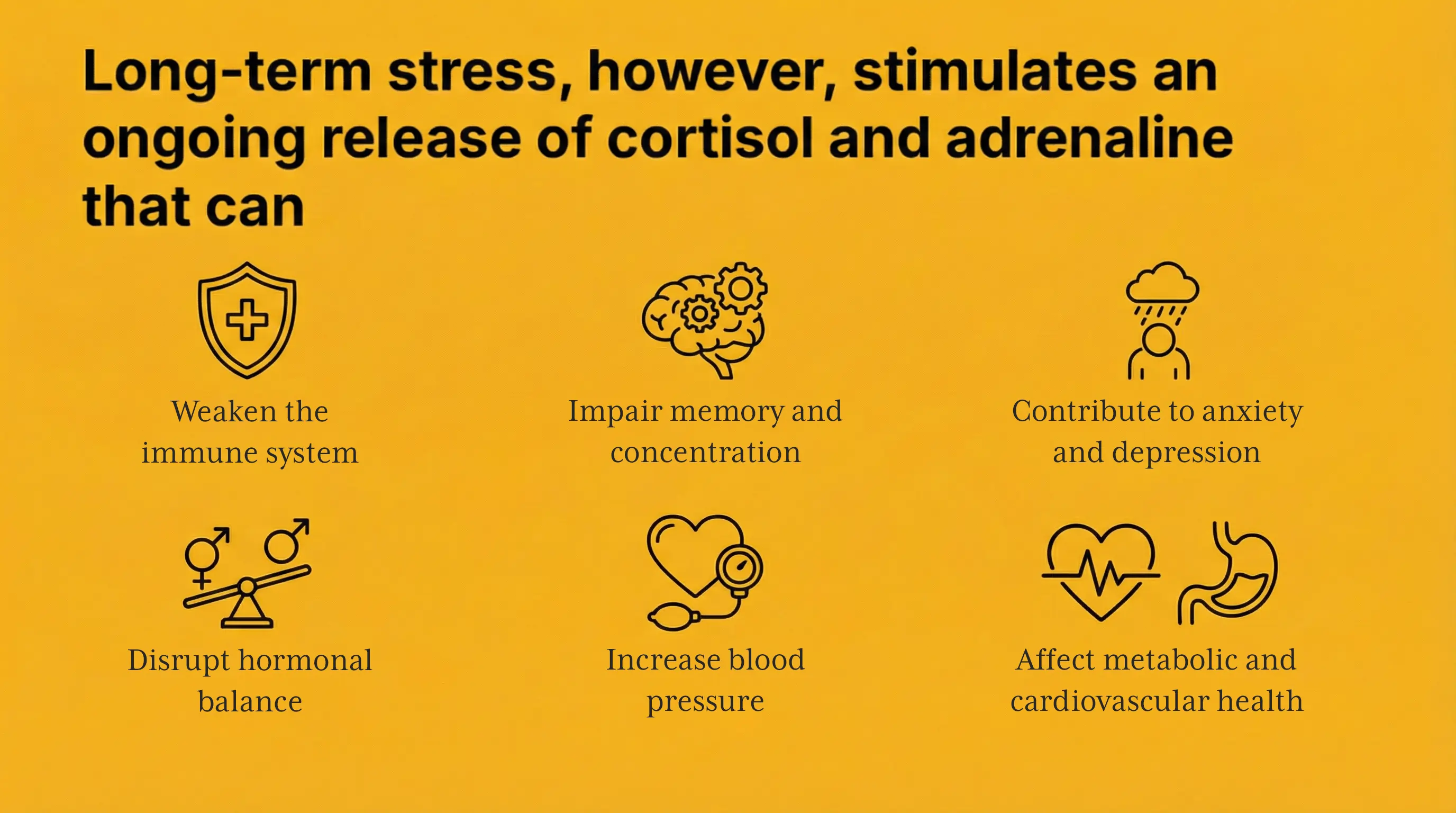
Chronic stress subtly rewires how the brain and body operate. Short bursts of stress are natural and adaptive. Long-term stress, however, stimulates an ongoing release of cortisol and adrenaline that can:
weaken the immune system
disrupt hormonal balance
impair memory and concentration
increase blood pressure
contribute to anxiety and depression
affect metabolic and cardiovascular health
Studies published in major medical journals highlight that chronic stress plays a measurable role in hypertension, insulin resistance, and inflammatory disorders. Stress also directly influences decision-making, affecting dietary choices, alcohol use, and physical activity levels.
Sleep is the only time your body performs full-scale repair. Every system: brain, gut, hormones, immune cells, and even emotional centres resets during deep and REM sleep. When sleep is compromised, the body spends each day in a state of partial recovery, which leads to accelerated aging, hormonal disturbances, and low energy. Sleep isn’t just a routine, it’s a biological requirement.
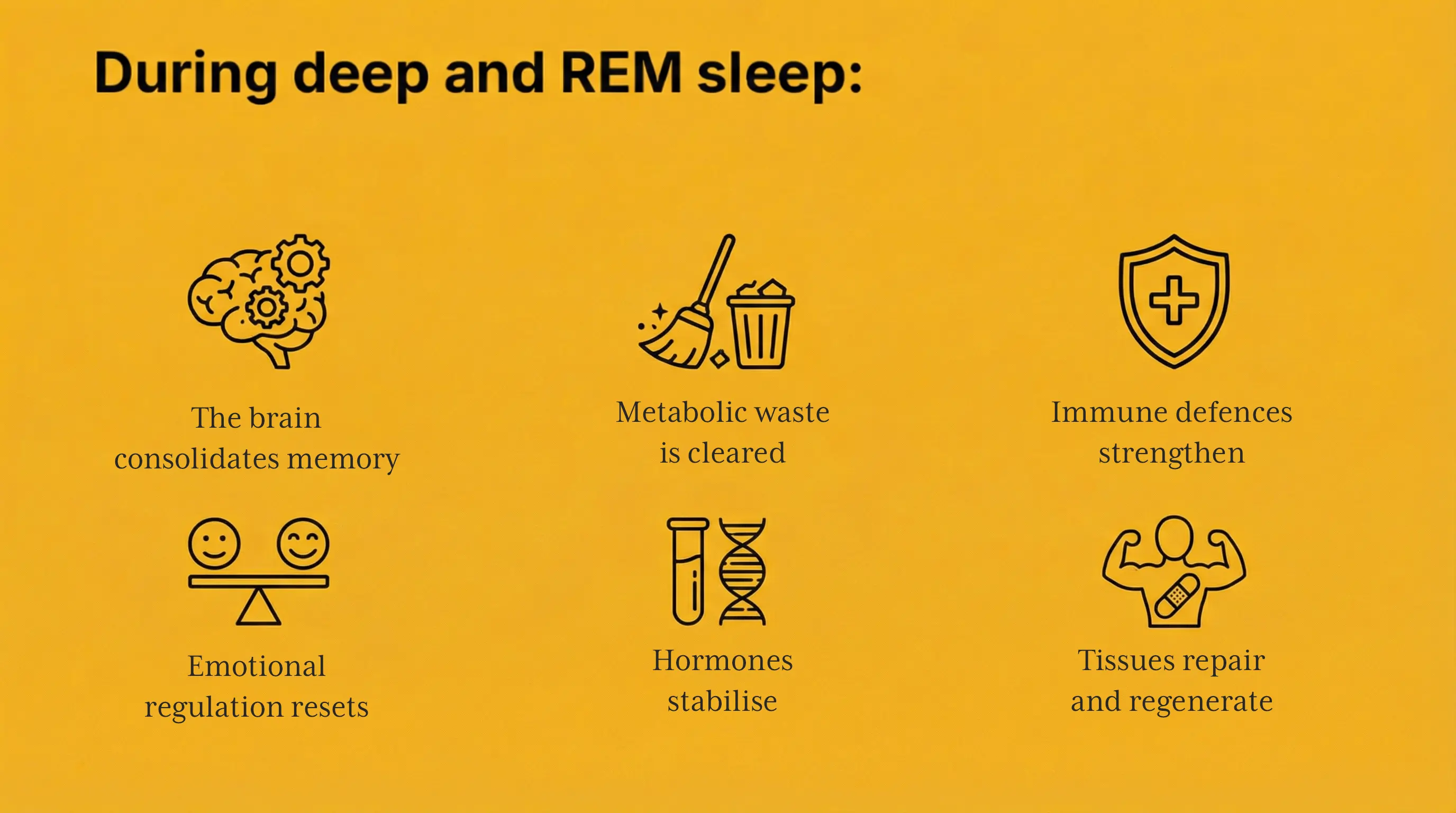
Sleep used to be viewed as passive downtime. We now understand it as an active, biologically critical process that affects almost every system in the body. During deep and REM sleep:
the brain consolidates memory
metabolic waste is cleared
immune defences strengthen
emotional regulation resets
hormones stabilise
tissues repair and regenerate
Poor sleep has become widespread, with one in three adults experiencing chronic sleep difficulties. This has deep consequences, from cardiovascular issues to mood imbalances and reduced mental performance.
Stress and sleep are deeply interconnected almost like two sides of the same coin. When the mind is overloaded, sleep becomes lighter and fragmented. When sleep is poor, the nervous system becomes more reactive, causing even small stressors to feel overwhelming. This feedback loop fuels burnout, hormonal imbalance, emotional fatigue, and chronic inflammation.
Sleep and stress form a closed loop, each influencing the other. Stress reduces sleep quality. Poor sleep increases stress sensitivity. Left unaddressed, this cycle escalates into burnout, insomnia, and long-term health challenges.
Modern life compounds this loop through late-night screens, irregular routines, emotional overload, and constant connectivity, all of which overstimulate the nervous system.
If you find your mind “wired but tired” at night, EMF exposure could be affecting your melatonin: read how EMFs impact your body
The Broader Societal Context
Stress and sleep struggles aren’t personal failures, they’re symptoms of a society that pushes humans beyond natural limits. With hybrid work, financial pressure, and constant digital stimulation, most people are living in chronic survival mode.
Here’s how society is shaping our stress-sleep challenges:
Hybrid Work Patterns
Hybrid work has blurred the boundaries between personal life and professional responsibility. People are constantly switching between roles: employee, caregiver, homemaker, which disrupts mental transitions and increases stress. Heavy screen exposure throughout the day, irregular routines, and unpredictable meeting schedules throw off circadian rhythms. Even after working hours, emails, WhatsApp messages, and notification pings keep the brain in a state of low-level vigilance, preventing true rest.
Economic Pressures
Rising living costs, job insecurity, and financial expectations have heightened the mental load for most people. These pressures lead to fear-based decision-making and a constant background worry that drains emotional energy. To cope with fatigue and mental strain, many rely on stimulants like caffeine, which further disrupt sleep patterns. Over time, financial stress contributes to chronic anxiety that is one of the strongest disruptors of deep, restorative sleep.
Technology Overload
Modern technology keeps the nervous system overstimulated. Constant scrolling, doom-scrolling, and a flood of notifications trigger the stress response multiple times a day. Exposure to bright screens in the evening suppresses melatonin, making it harder to fall asleep naturally. At work, the compulsory use of digital tools, online meetings, and multitasking leads to cognitive fatigue, leaving the brain exhausted but still unable to switch off at night.
Emotional Load from Social Media
Social media has created a culture of comparison, where people constantly evaluate their lives against curated highlights of others. This fosters psychological stress, inadequacy, and self-criticism. At the same time, exposure to negative news cycles activates chronic fear responses and keeps the nervous system alert. Together, these factors contribute to emotional burnout, now increasingly common among young adults who spend hours online every day.
How Individuals Can Improve Sleep and Stress in Practical Ways
Healing doesn’t require big transformations, it requires small, repeated behaviours. Simple actions like morning sunlight, consistent sleep timing, movement, and nutrition-first habits create a powerful compounding effect. With consistency, the nervous system becomes calmer, hormones stabilize, and sleep becomes deeper and more restorative.
Maintain a Consistent Bedtime
Going to bed and waking up at roughly the same time every day helps regulate the circadian rhythm. When the body knows what to expect, it produces hormones like melatonin more efficiently, making it easier to fall asleep and wake up refreshed.
Avoid Screens 60-90 Minutes Before Bed
Reducing exposure to phone, laptop, and TV screens before bedtime prevents melatonin suppression caused by blue light. This helps your brain shift from alertness to relaxation, allowing sleep to come more naturally and improving overall sleep quality.
Use Natural Light Shortly After Waking
Stepping outside for even 5-10 minutes of morning sunlight signals the body that the day has begun. This resets the biological clock, boosts serotonin, improves mood, and strengthens the day-night cycle, leading to better sleep at night.
Limit Caffeine After Mid-Afternoon
Caffeine has a long half-life, meaning it stays in your system for hours. Avoiding coffee, tea, or energy drinks after about 3 PM prevents sleep delays, reduces nighttime restlessness, and supports deeper, more restorative sleep.
Engage in Daily Movement
Regular physical activity reduces stress hormones like cortisol and boosts endorphins. Even 20-30 minutes of walking, stretching, or moderate exercise helps improve mood, enhance sleep depth, and regulate energy levels.
Review Nutrition Choices to Reduce Evening Overstimulation
Heavy, spicy, or sugar-rich meals at night can overstimulate the digestive system and disrupt sleep. By adjusting dinner choices and avoiding late-night snacking, you support stable blood sugar levels and improve the body’s ability to wind down.
Conclusion
Sleep and stress aren’t “wellness trends”, they’re fundamental biological needs. When they fall apart, everything else follows. But the human body has remarkable resilience. With the right habits, awareness, and support, anyone can rebuild their energy, hormones, mood, and long-term health.
Sleep and stress form the foundation of physical and mental health, yet they remain two of the most overlooked aspects of modern wellbeing. As science continues to reveal their importance, individuals now have access to knowledge, functional strategies, and supportive tools that can help break negative cycles and restore balance.
read count
read time
Trending Post
Nov 26, 2025
Why We’re Aging Faster: 12 Daily Habits to Reverse It
Discover why we’re aging faster today and learn simple daily habits that boost energy, improve health, and help you live longer and healthier.
Everyone wants to live a long life, but what most of us truly want is to stay healthy, energetic, and active as we age. Longevity isn’t just about adding more years to your life. It’s about adding more life to your years, waking up fresh, moving without pain, staying mentally sharp, and enjoying every stage of life without feeling held back by your body.
But the reality is even though we’re living in a modern world, our bodies are aging faster than ever. Many people in their late 20s and early 30s already feel constant fatigue, hormonal issues, bloating, hair fall, stress and low energy problems that were once considered normal after 50. This is happening because the way we’re living today is putting a lot of pressure on our cells, our hormones and our overall health. And without even realising it, we are speeding up our own aging process.
In this blog, we’ll break down what longevity really means, why our bodies are getting older at such a young age, and the simple lifestyle changes that can help us live longer and live better.
What Is Longevity, Really?
Longevity isn’t just about living for many years, it’s about living those years in good health. It means waking up every day with enough energy to enjoy life, staying mentally sharp as you grow older, and keeping your body strong and active for as long as possible. In simple words, longevity is the art of living longer and living better.
To understand longevity, it helps to look at two ideas: lifespan and healthspan. Lifespan is the total number of years you live, while healthspan is the number of years you live without major illnesses, heavy medications, fatigue or constant discomfort. Most people don’t just want a long life, they want a long, healthy life where they can move freely, think clearly and feel happy in their bodies.
The science of longevity shows us that aging is not only about time passing. It’s also about what’s happening inside our cells, how well they repair themselves, how much stress they’re exposed to, how inflamed the body is and how balanced our hormones are. The interesting part is that many of these factors are influenced not by genetics, but by our daily habits.
This means that a big part of longevity is actually in our hands. The food we eat, the sleep we get, the stress we carry, how much we move, all these small choices add up and shape how long and how well we live.
Why Are Our Bodies Aging Faster Today?
1. Constant Stress
Most of us live with nonstop pressure, work, responsibilities, and daily worries. This keeps the body in a continuous stress mode that leads to increased cortisol levels. When cortisol stays high, it affects sleep, digestion, hormones and the body’s ability to repair itself. Over time, this leads to early aging.
2. Poor Diet and Low Nutrition
We eat a lot but we don’t always eat well. Processed foods, sugar and restaurant meals lack essential vitamins and minerals. Without proper nutrition, the body cannot heal, fight inflammation or maintain healthy cells and this speeds up aging.
3. Sedentary Lifestyle
Most people spend hours sitting at desks, in cars or on the couch. When the body doesn’t move enough, metabolism slows, muscles weaken and circulation drops. This makes the body age faster and reduces overall energy.
4. Not Sleeping Well
Late nights, screens, and stress disturb sleep quality. Since the body repairs itself during sleep, poor sleep means poor recovery. This shows up as fatigue, dull skin, low mood and faster aging.
Explore how sleep is interlinked with obesity and inflammation: Click here
5. Exposure to Toxins
Pollution, plastics, chemical-based products and even daily household items expose us to toxins constantly. These create oxidative stress which is a major trigger for cellular damage and early aging.
Continuous screen use strains the eyes, tires the brain and keeps the mind overstimulated. This mental fatigue increases stress hormones and drains energy, contributing to early aging.
How excess screen time can affect human health: Learn more
7. Hormonal Imbalances
Stress, poor sleep, unhealthy food and lack of movement disrupt important hormones like insulin, cortisol and thyroid hormones. When hormones go out of balance, it affects metabolism, skin, mood and overall health, all of which influence how quickly we age.
Longevity Hacks: Simple Habits to Help You Live Longer and Healthier
1. Eat Real, Whole Foods
Your body thrives on nutrients, not on packaged or processed foods. Whole foods like vegetables, fruits, lean proteins, healthy fats, and whole grains provide vitamins, minerals, and antioxidants that repair cells and reduce inflammation. When you reduce sugar and processed food, you slow down cellular damage that is one of the biggest causes of early aging.
2. Move Every Day
Movement is one of the easiest and most powerful longevity tools. You don’t need an intense gym routine; even walking 7,000-10,000 steps, stretching or doing light home workouts makes a big difference. Regular movement boosts blood flow, improves energy, strengthens muscles, and supports a healthy metabolism. Sitting less and moving more keeps your body younger for longer.
3. Sleep Like Your Health Depends on It
Sleep is your body’s natural repair system. During deep sleep, the body heals tissues, balances hormones, clears toxins from the brain and resets your energy. Without 7-9 hours of quality sleep, these processes are disrupted, leading to fatigue, poor skin, hormonal imbalance and faster aging. Good sleep is one of the strongest predictors of longevity.
4. Manage Your Stress Levels
Chronic stress accelerates aging faster than almost anything else. It increases cortisol, which affects hormones, digestion, immunity and sleep. Simple habits like deep breathing, meditation, journaling, prayer, yoga or spending time in nature help lower stress and calm the nervous system. A relaxed mind supports healthier cells and a longer life.
5. Stay Hydrated
Water helps every system in your body work smoothly. It carries nutrients to cells, flushes toxins out, supports digestion, improves skin and keeps your brain sharp. Even mild dehydration can make you feel tired, foggy or older than you are. Aim to drink throughout the day, not just when you feel thirsty.
6. Get Morning Sunlight for Vitamin D
Sunlight is essential for your circadian rhythm (your body clock) and for Vitamin D production. Just 10-20 minutes of morning sunlight can boost your mood, improve sleep quality, strengthen bones, and support immunity. Low Vitamin D is linked to fatigue, poor immunity, and faster aging. If you are not getting enough vitamin D you can go for other options like supplementation.
7. Strength Train for Strong Muscles
Losing muscle is one of the biggest reasons people feel weak and old with time. Strength training even with light dumbbells or bodyweight exercises helps you maintain muscle mass, keep your bones strong, and boost your metabolism. Just 2-3 sessions a week can slow down age-related decline.
8. Reduce Toxins Where You Can
You can’t control every environmental toxin, but you can reduce many by making simple switches: using natural skincare, avoiding plastic containers, choosing cleaner household products, and ventilating your home. Lower toxin exposure reduces oxidative stress, helping your cells stay younger and healthier.
9. Support Your Gut Health
A healthy gut supports digestion, hormones, immunity, and even your mood. Eating fiber-rich foods, fermented foods, and staying hydrated keeps your gut bacteria balanced. When your gut is healthy, inflammation stays low, and low inflammation is key to longevity.
10. Keep Your Mind Active
Your brain also needs exercise. Reading, learning new skills, solving puzzles, practicing hobbies, or even engaging in meaningful conversations keeps your mind sharp. Staying mentally active reduces the risk of cognitive decline and helps maintain strong brain health as you age.
11. Build Strong Relationships
Humans are wired for connection. Good relationships reduce stress, increase happiness, and support emotional and mental well-being. Studies show that people with strong social bonds live longer and handle life’s challenges better. Even simple interactions like talking to a friend, spending time with family, connecting with your community improve longevity.
12. Understand What’s Happening Inside Your Body
One of the smartest ways to protect your health is to monitor it. A detailed check-up or a Root Cause Analysis (RCA) helps you understand your nutrient levels, inflammation markers, gut health, metabolic health, and hormones. When you know what’s going on inside, you can make better choices and prevent problems before they become serious. This is a major step toward long-term health and longevity.
read count
read time
Hormone Health
Nov 21, 2025
How Much EMF Exposure Is Too Much for Men’s Health
Learn how EMF affects men’s hormones, energy and fertility. Understanding risks, root causes and how iThrive Alive helps you heal with personalised care.
In today’s world there is almost no moment when we are not surrounded by wireless signals. From the phone in your pocket, the laptop on your desk to the Wi Fi router humming quietly in the corner, our daily life runs on electromagnetic frequencies. While this technology gives us convenience and speed, it also brings an invisible form of stress that affects the body in ways we often overlook.
For men, especially this exposure has deeper consequences. Hormones, energy, reproductive health and overall vitality are more sensitive to environmental stress than most people realise. At iThrive Alive, EMF is considered a modern root cause that can weaken the body when exposure becomes excessive.
This blog explores what “too much” Electromagnetic Fields actually means for men, how it affects your biology and what you can do to protect your health in a grounded science-backed way.
What Does “Too Much EMF” Really Mean
There is no single globally accepted number that defines a safe daily dose of EMF. Unlike nutrients or calories, EMF does not have a fixed threshold that works for everyone. Instead, researchers look at patterns of exposure. The risk is determined by the duration of exposure, how close your body is to the source and how frequently your tissues are being affected.
From a functional health perspective, the level becomes “too much” when EMF exposure disrupts the body’s natural balance. This includes changes in mitochondrial function, inflammation patterns, sleep rhythms, oxidation levels and hormonal signals.
At iThrive, we view EMFs through the lens of non-native EMF. These are man-made frequencies that the human body has not evolved with. The body can handle brief exposure but chronic continuous contact creates biological stress.
So instead of asking “how many hours is safe?” we emphasize, “How is this exposure changing what is happening inside my cells?”.
Concrete Situations That Indicate High Risk Exposure
Even though there is no single number that defines danger, there are real-world situations that research has associated with harm, especially for male reproductive health and hormonal balance.
Laptop on the Lap
One of the clearest examples comes from a sperm exposure study. A sperm sample placed near a working laptop for four hours showed significant deterioration. Around 1 in 4 sperm became inactive and 9% showed DNA damage.1 These changes were far higher than the control group that had no EMF exposure.
This is important because the lap is extremely close to the male reproductive system. Heat and EMF together create a stressful environment for sperm and for the surrounding tissues.
Chronic Exposure Over Time
Another pattern that shows risk is long-term continuous exposure. Studies show that prolonged EMF exposure increases pro-inflammatory cytokines. These are chemical messengers that rise when the body is under stress. High cytokines weaken immunity, disrupt hormones and also damage mitochondria.2
The issue is not one phone call or one day of using a laptop. The issue is small daily pulses of EMF that accumulate over the years.
Night Time Exposure
Night time is when the body repairs cells, recharges mitochondrial function and restores hormonal rhythms. But EMF exposure during sleep can interfere with this process.
Many people sleep with their phone near the pillow or keep the Wi-Fi router running all night. Some studies have noted that people even sleep with devices touching their body, which creates constant low-grade exposure at a time when the body should be healing.
Overall, when exposure becomes close, prolonged or constant, the body begins to show signs of stress, and men feel it most often in areas like energy, testosterone balance, sperm quality and morning vitality.
Biological Effects of Excess EMF on Men’s Health
The question now is what changes inside the body when EMF is excessive. In functional medicine and in iThrive’s research, we explore how EMF interferes with the way cells communicate and function.
Cellular and Mitochondrial Stress
EMFs can trigger oxidative stress by disrupting electron movement inside cells. When electrons cannot flow smoothly, mitochondria become less efficient. This leads to inflammation, reduced ATP production, and a decline in energy levels. When mitochondria slow down, you feel fatigue, brain fog and reduced motivation.
Disruption of Structured Water
Cells contain structured water, known as EZ water. This form of water helps maintain electrical balance inside the cell. Non native EMF exposure can reduce structured water by 15 to 20%. This affects hydration, nutrient movement and how well cells detox. A loss in structured water also makes cells more vulnerable to inflammation.
Hormonal Interference
The male endocrine system is sensitive to environmental disruptors. EMF exposure can affect the electrochemical balance inside the testes and the hypothalamic- pituitary axis. The result is often a disturbance in testosterone production, sperm formation and libido.
There is also an indirect mechanism. EMF exposure elevates stress chemicals. Chronic stress raises cortisol and high cortisol blocks sex hormones. Over time, this can lead to reduced testosterone and poorer reproductive parameters in men, even in young age groups.
High-Frequency Concerns
With the growth of new network technology such as fifth-generation and sixth-generation networks, more millimeter wave exposure is introduced. These waves penetrate human skin by one to two millimeters. No long-term safety threshold has been firmly established. This does not mean panic is needed but it does mean awareness is essential.
Proven Strategies to Reduce EMF Exposure
Rather than thinking of EMF as an unavoidable threat, the more helpful approach is to create smart habits that reduce chronic exposure.
Keep Devices Away from the Body
Avoid placing a laptop on your lap. Use a table.
Do not keep your phone in your trouser pocket.
Keep routers at a distance from places where you sit for long hours.
Minimise EMF Exposure at Night
Keep it at least a few feet away from your body.
Turn off Wi-Fi at night.
Avoid charging your phone near your bed.
Be Mindful with Wearables and Bluetooth
Smartwatches, Oura rings, Bluetooth earphones and fitness devices release EMFs. Avoid wearing them while sleeping. Reduce usage when possible during periods of healing.
Use Wired Systems When Possible
Use Ethernet cables for your laptop or desktop.
Keep your router away from your bedroom.
Use EMF protective cases or pouches when traveling.
Glutathione supports detox pathways and reduces oxidative stress created by EMFs.
An antioxidant-rich diet gives cells the resilience they need to handle the modern environmental load.
Supportive Lifestyle Practices
Spend time grounding barefoot on grass or soil.
Maintain a strong sleep routine.
Manage stress through breathwork, movement or meditation.
These simple steps optimize mitochondrial health and reduce the biological burden that EMF creates.
Why the Alive Program Helps Men Build True Resilience
Healing does not come from reducing EMF alone. It comes from strengthening the entire system so that your energy hormones and cellular function remain strong despite environmental challenges.
This is what makes Alive different.
The team studies your biomarkers, lifestyle, habits, environmental load and emotional patterns and then designs a protocol that works for your exact needs.
You are not given general tips. You are given a plan that fits your biology.
You are not asked to make changes alone. You are supported daily by the iThrive nutritionists as you rebuild your health.
You are not just treating symptoms. You are working on the true root causes that have been silently influencing your energy hormones and longevity.
Alive Principles for Lasting Transformation
At the end of your EMF awareness journey, you will see that healing is not about avoiding technology. It is about understanding how to live in the modern world without letting your biology suffer.
Alive is crafted with deep research and grounded in real clinical experience. Every recommendation is shaped by data from actual disease care and integrated healing.
Personalized
Your plan is unique. It is created based on your symptoms, blood work, health goals, lifestyle and environmental exposures. There are no templates as Alive focuses on a tailored journey made only for you.
Ongoing Care
Healing is never a one-time event. Through the iThrive Tribe community, you receive daily motivation support and guidance so that improvement continues long after the program ends.
Final Thoughts
At the end of the day, EMF exposure is not something any of us can completely escape. Technology is a part of modern life and it brings incredible convenience. The real challenge is learning how to live with it without letting it silently chip away at your energy hormones and long term health.
For men especially, the body gives early warning signs when EMF levels become too much. Fatigue drops in the morning drive, poor sleep, declining testosterone or reduced sperm quality are not random events. They are signals that your cells are under stress and need support.
The good news is that your body is incredibly resilient when given the right environment. Simple everyday choices like keeping devices away from the body, reducing nighttime exposure, strengthening nutrition and supporting mitochondrial health can shift your biology back into balance.
Sign up for the iThrive Newsletter practical nutrition, wellness insights, and habits that actually work.
Thank you! Your submission has been received!
Oops! Something went wrong while submitting the form.
No spam. Unsubscribe anytime.
FAQs
What topics does the iThrive blog cover?
The blog covers functional nutrition, chronic conditions, gut health, hormonal health, autoimmune conditions, sleep, mental health, and root cause analysis. Every article is written to help you understand what is actually happening inside your body, not just manage symptoms.
Who writes the articles on this blog?
All articles are written by the content writers in collaboration with iThrive's clinical team of functional nutritionists, guided by the same methodology used in the ALIVE programme. The content is rooted in functional medicine and real clinical experience, not generic health advice.
Is the information on this blog a substitute for medical advice?
No. The blog is an educational resource to help you understand your health more deeply. If you are experiencing symptoms or managing a chronic condition, a personalized Root Cause Analysis with a functional nutritionist is the right next step.
I read an article and want to take action. What should I do next?
Book a Root Cause Analysis. For ₹2,500, a dedicated functional nutritionist will assess 60+ blood markers using optimal ranges and explain exactly what is driving your condition. It is the natural next step after reading about what might be happening in your body.
Can these articles help me if I have already been diagnosed?
Yes. Many of our readers come with existing diagnoses and find the blog helps them understand why their condition developed and what their body actually needs. The articles are designed to give you clarity, not replace the guidance of a practitioner.
Talk to our team
Thank you! Your submission has been received!
Oops! Something went wrong while submitting the form.
Download Now
Thank you! Your submission has been received!
Oops! Something went wrong while submitting the form.



.svg)
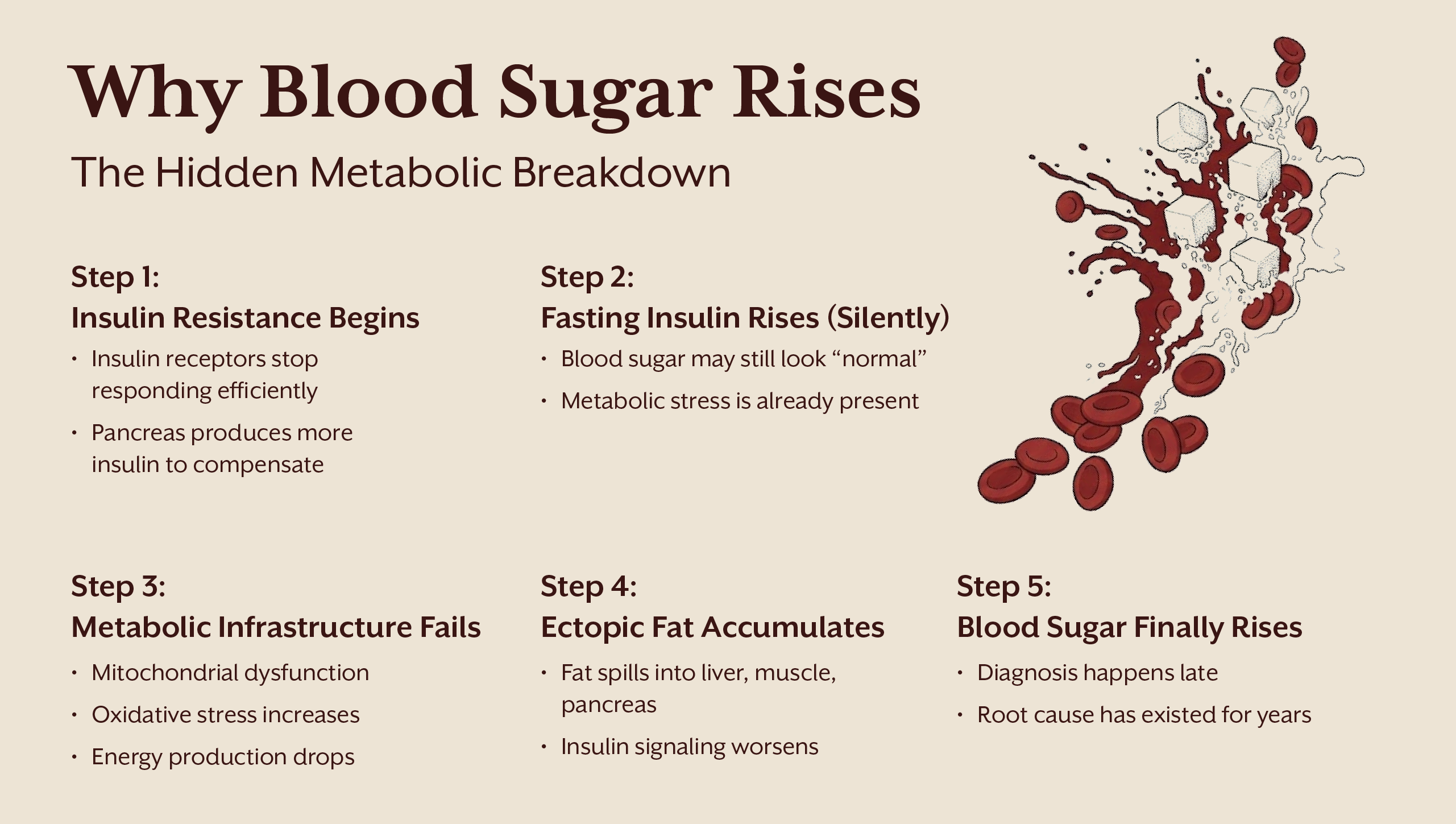
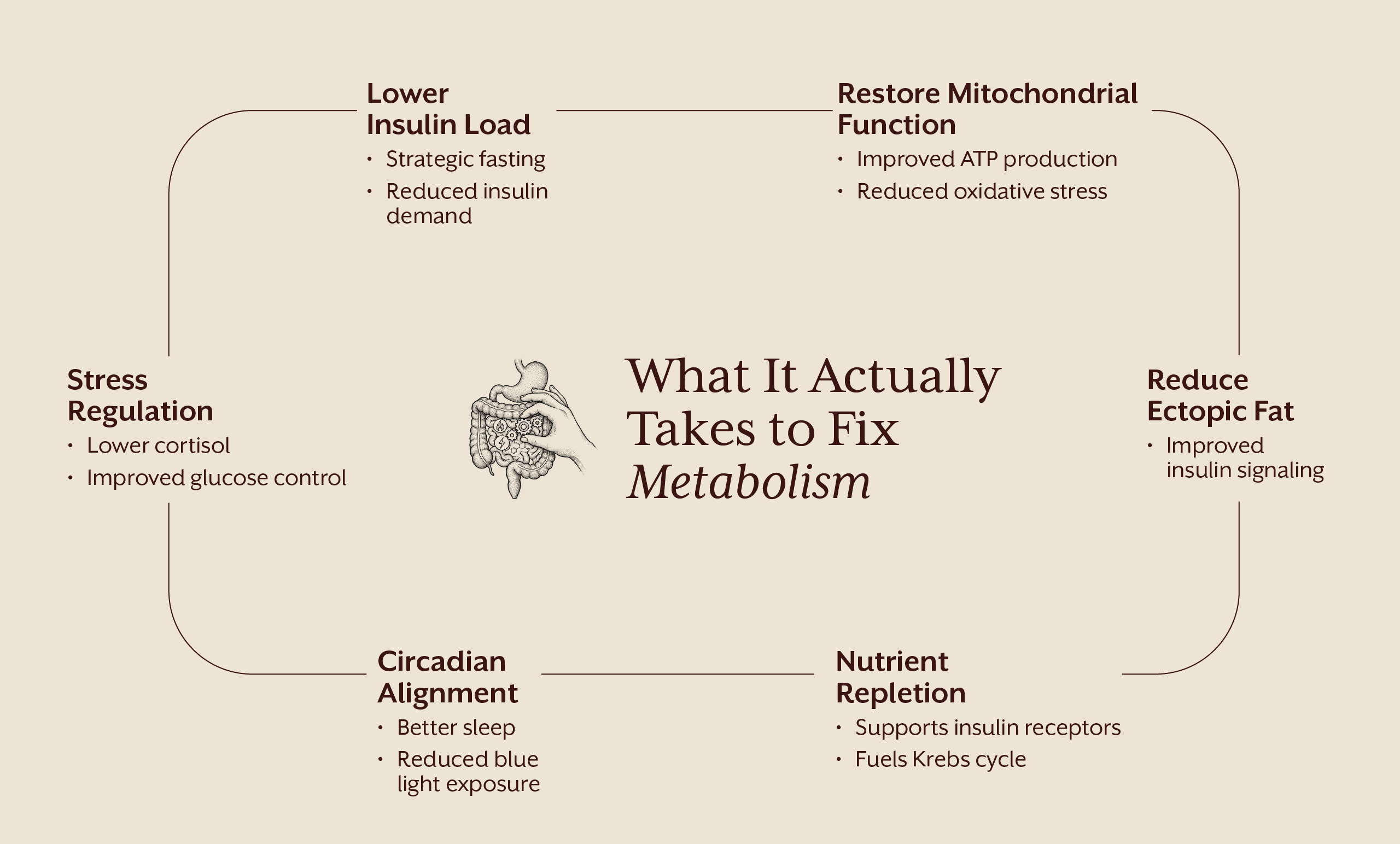
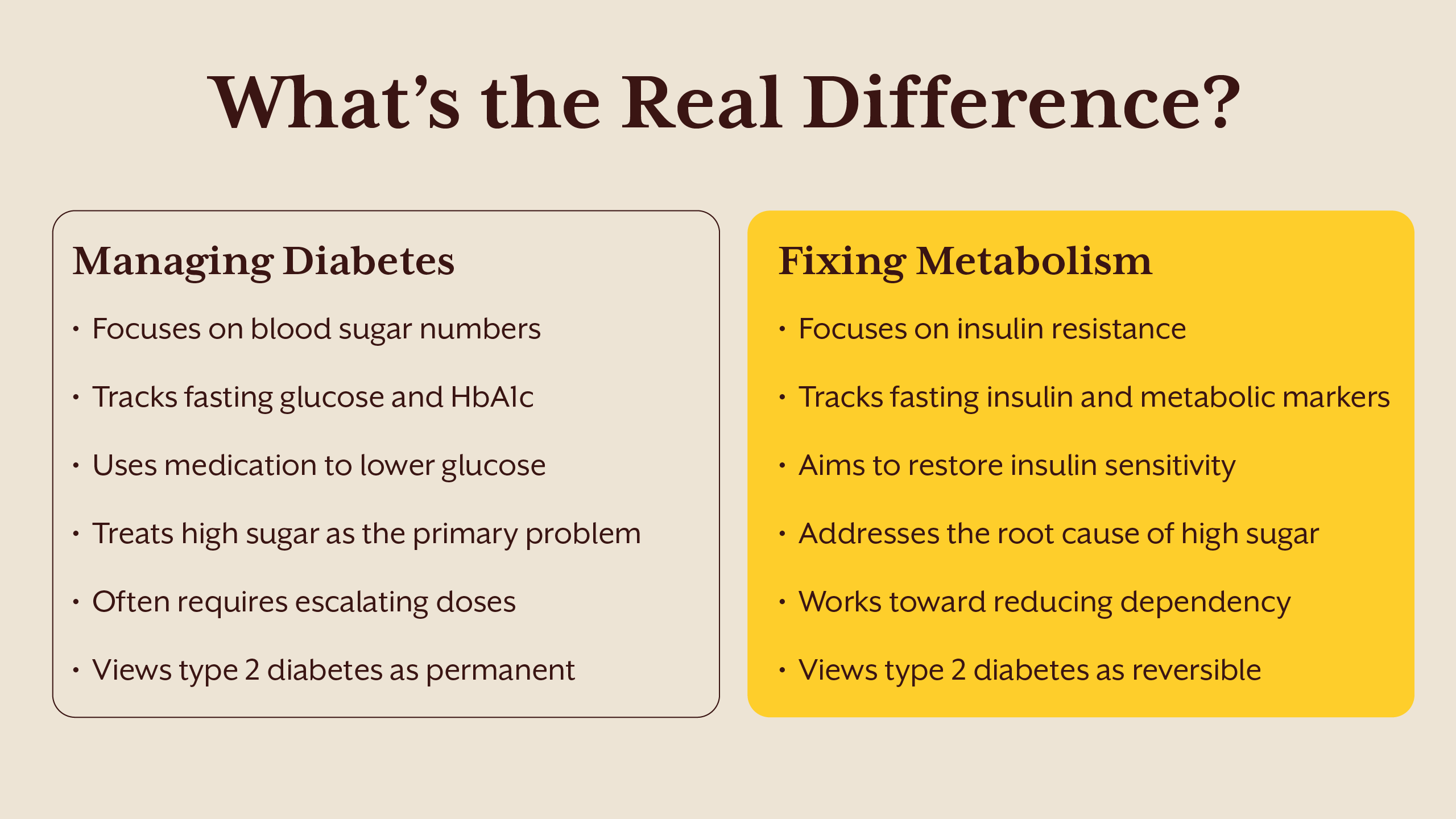


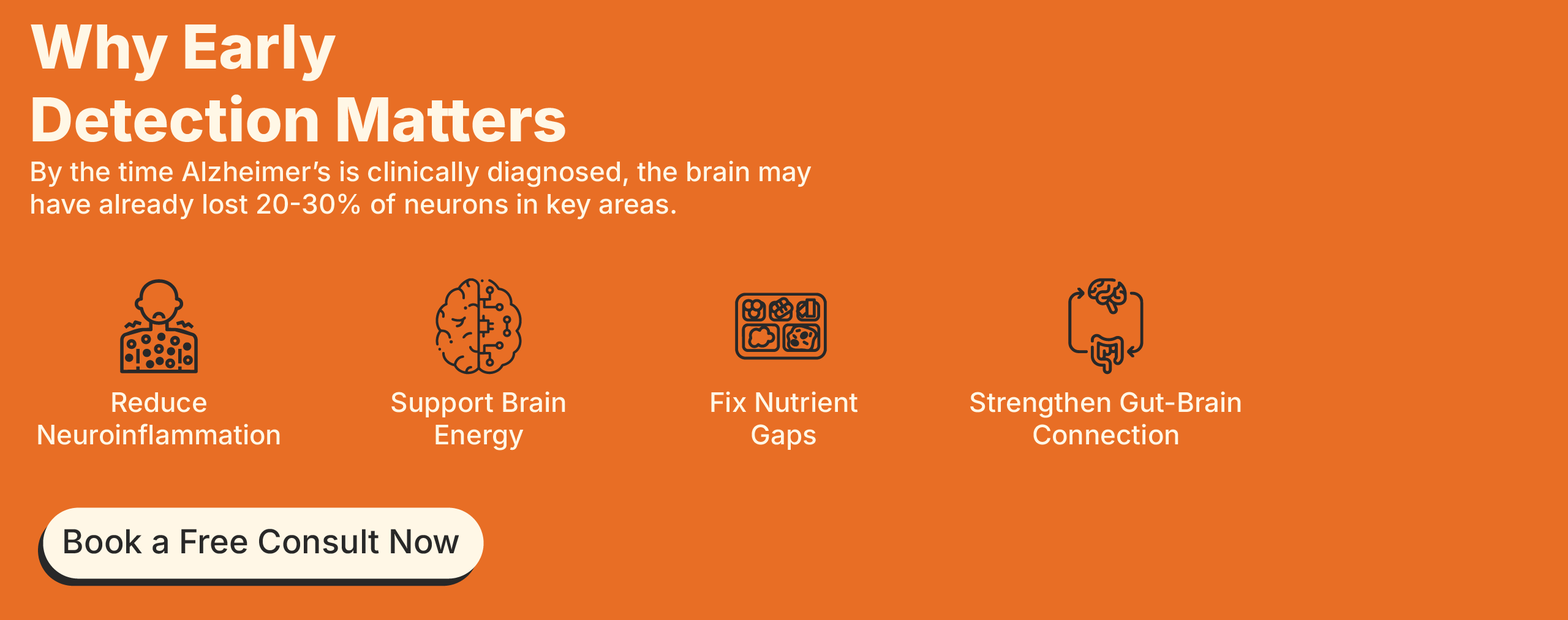
.webp)
.webp)


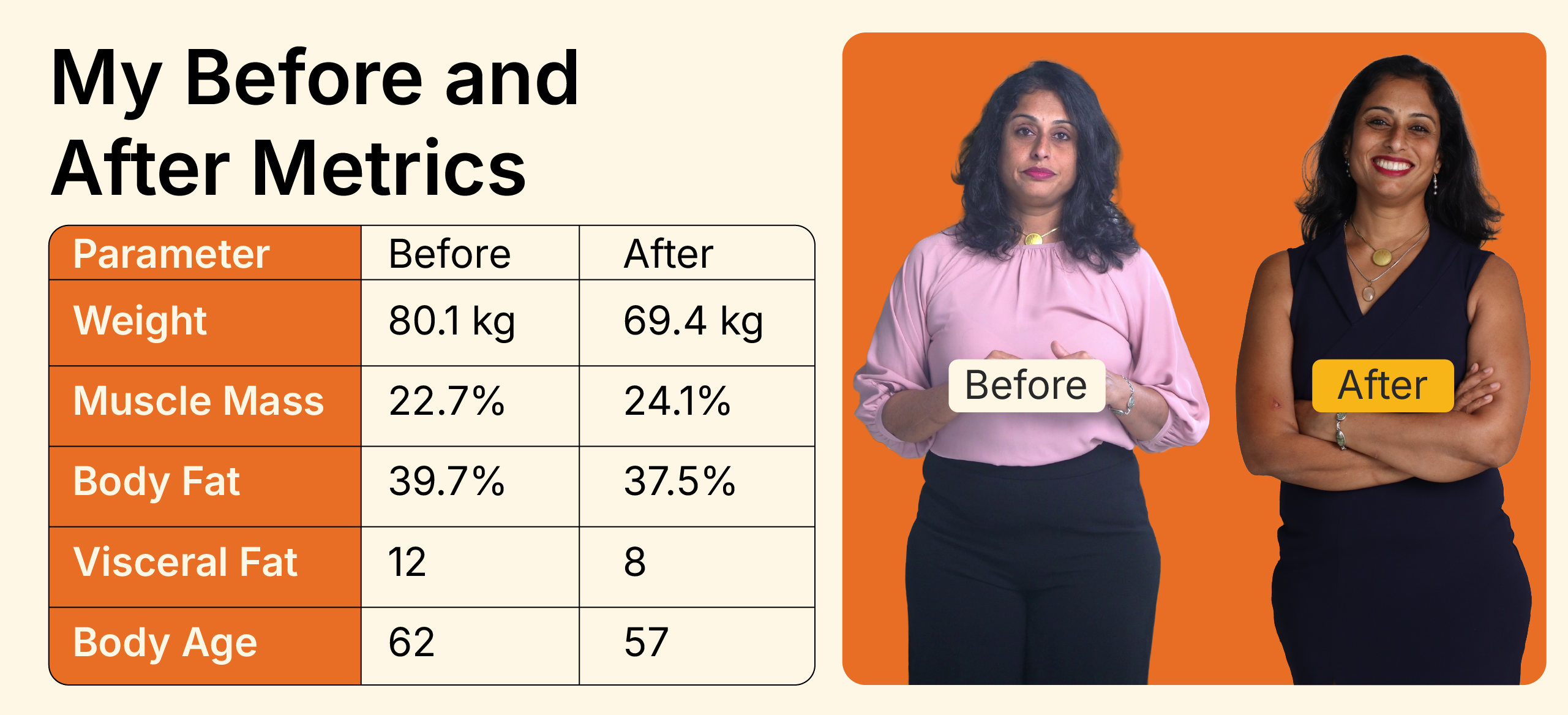

.webp)