

.svg)
.svg)







Introduction
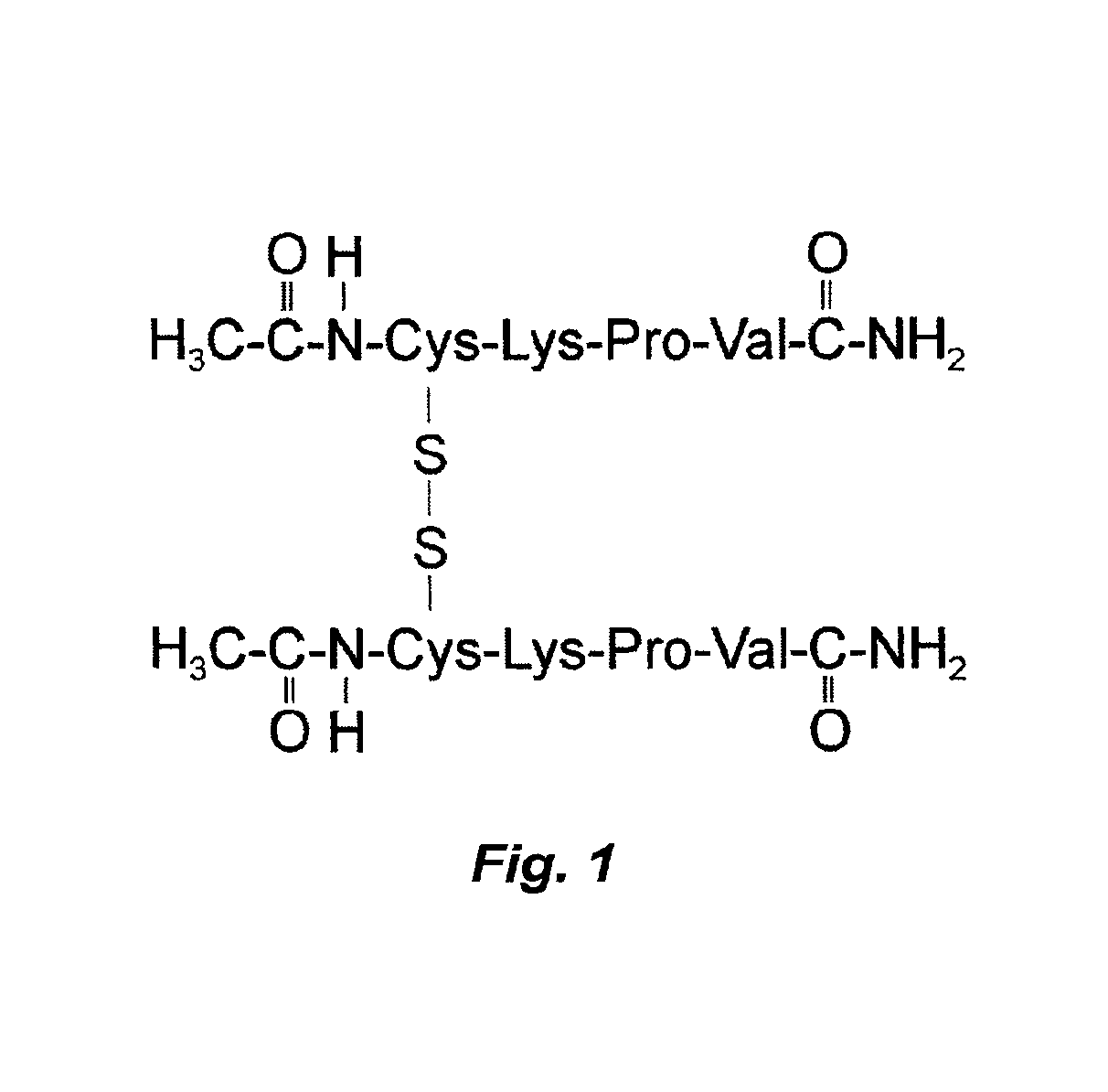
Peptide therapeutics have exploded onto the scene within the past decade as people become more aware of bioactive molecules that occur naturally within the body and possess the ability to modulate human health in very specific ways. Peptides like KPV may represent one of these molecules. KPV peptide is a tripeptide, meaning that it’s composed of three amino acids which include lysine (K), proline (P), and valine (V).
If you’re unfamiliar with KPV, you’re likely to remain that way. Considered something of a wonder peptide by many functional medicine practitioners, KPV has recently gained attention for its powerful anti-inflammatory effects and potential immune-modulating benefits. Scientists are now exploring the therapeutic role it may play in conditions such as inflammatory bowel disease (IBD), skin disease, autoimmune disorders, wound healing, and bacterial and fungal infections.
While many medications aimed at treating chronic inflammatory disorders suppress the immune system, KPV is thought to regulate inflammation while maintaining normal immune function. Here, we’ll take a closer look at what KPV peptide is, how it works, its potential benefits, what science says, its safety profile, and its possible therapeutic uses.
What Is KPV Peptide?
KPV is a tripeptide that consists of three amino acids: lysine, proline, and valine. Although small and simple, this peptide has shown potent biological activity. It’s become a focus of recent studies looking into inflammation and immune-regulation.
KPV originates from alpha melanocyte-stimulating hormone (α-MSH), which itself comes from a precursor protein called proopiomelanocortin (POMC). α-MSH regulates pigmentation, energy homeostasis, immune regulation, and inflammation. Researchers found that α-MSH had potent anti-inflammatory actions. Many of these actions could be attributed to KPV, a small peptide sequence that’s part of the larger α-MSH peptide.
This finding was exciting, because smaller peptides like KPV often have significant benefits over larger proteins and peptides. Some of these potential benefits include:
- Simpler synthesis and manufacturing
- Improved stability in certain formulations
- Lower production costs
- Reduced likelihood of unwanted side effects
- Easier incorporation into therapeutic products
Despite containing only three amino acids, KPV appears capable of reproducing many of the beneficial anti-inflammatory effects associated with its parent hormone.
How Does KPV Work?
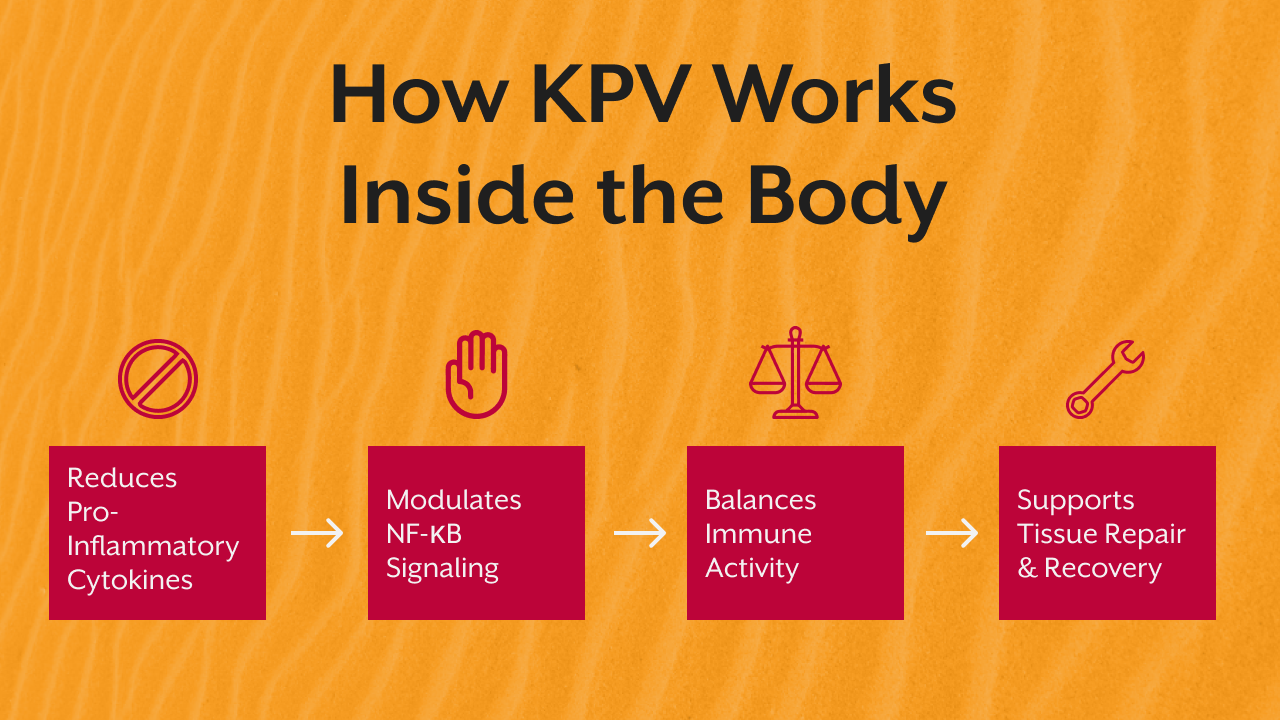
This dual regulation of inflammation is one of the most interesting facets of KPV. Instead of operating via one inflammatory pathway, KPV seems to modulate multiple inflammatory elements.
1. Inhibition of Pro-Inflammatory Cytokines
Inflammation is primarily caused by cytokines, molecules that send signals to the immune system. Although cytokines are necessary for fighting infections, high levels of cytokines lead to chronic inflammation and resultant tissue injury. Studies have indicated that KPV may downregulate the production of various key inflammatory mediators, blunting the inflammatory response.
Some of the cytokines influenced by KPV include:
- Tumor necrosis factor-alpha (TNF-α)
- Interleukin-1 beta (IL-1β)
- Interleukin-6 (IL-6)
- Other pro-inflammatory signaling molecules
By limiting the release of these inflammatory compounds, KPV may help reduce tissue injury and support a healthier immune balance.
2. Modulation of NF-κB Signaling
NF-κB has been described as a master regulator of inflammation since it regulates the expression of multiple inflammatory genes. Chronic activation of this pathway can lead to inflammatory disease.
Research has suggested that KPV prevents NF-κB activation thus decreasing downstream inflammatory mediators. This plays a key role in chronic diseases where tissue damage occurs due to persistent NF-κB activity. .
3. Regulation of Immune Cell Activity
This is in contrast to most immunosuppressive drugs that suppress the immune system. KPV may actually serve as an immune modulator, balancing over-active immune response rather than totally suppressing it. Studies indicate that KPV affects various parts of the immune system such as:
- Macrophage activity
- Neutrophil recruitment
- Cytokine secretion
- T-cell responses
This balanced approach could potentially reduce harmful inflammation while preserving the body's ability to respond to infections and other threats.
4. Support of Tissue Repair
In addition to addressing inflammation, KPV also seems to promote repair and healing of tissues. Damage and inflammation can actually inhibit the body's normal healing response, sometimes causing longer lasting injury. Studies show that KPV may promote cellular repair while minimizing inflammatory damage. Addressing both inflammation and encouraging healing makes KPV unique in treating damaged tissue.
KPV and Inflammatory Bowel Disease
Of all the various conditions cannabis could potentially treat, inflammatory bowel disease has produced some of the most promising research. IBD is an umbrella term made of Crohn's disease and ulcerative colitis which are disorders that cause chronic inflammation in the GI tract.
Symptoms can include abdominal pain, diarrhea, rectal bleeding, fatigue, weight loss and malnutrition. There are treatments that help but can cause concern with chronic immune suppression.
Why KPV Shows Promise in IBD
Scientists have proposed multiple potential mechanisms of action by which KPV may confer health benefits to the intestines. Research indicates that KPV may decrease inflammation of the intestinal lining and also maintain intestinal barrier function.
Potential benefits observed in research include:
- Reduced intestinal inflammation
- Improved gut barrier function
- Lower production of inflammatory cytokines
- Enhanced mucosal healing
- Reduced tissue injury within the digestive tract
Animal models have shown significant decreases in disease severity with KPV treatment. Since KPV seems to modulate inflammation rather than suppress overall immunity, it has the potential to serve as an alternative/additional treatment for IBD in the future.
KPV for Skin Health
The skin is highly vulnerable to inflammatory and immune-mediated disorders. Because KPV possesses both anti-inflammatory and antimicrobial properties, researchers have become increasingly interested in its potential dermatological applications.
Psoriasis
Psoriasis is an autoimmune disorder that involves over-activation of the immune system. Those affected by psoriasis experience unnecessary proliferation of skin cells. Chronic inflammation is common in psoriasis.
Anti-inflammatory properties of KPV may benefit those with psoriasis by:
- Inhibiting pro-inflammatory cytokines
- Modulating overactive immune responses
- Assisting in skin repair/regeneration
May help decrease redness, flaking, and irritation.
Eczema (Atopic Dermatitis)
Eczema characteristics include chronic inflammation, itching, redness, and a compromised skin barrier. Those with eczema typically deal with frequent flare-ups.
Benefits of KPV that may apply to eczema:
- Decreased inflammation
- Faster healing of the skin
- Less irritation and redness
- Better barrier function
Since eczema involves both inflammation and tissue repair, KPV could target multiple characteristics of the condition.
Rosacea
Rosacea causes chronic facial redness, inflammation and vascular abnormalities. While its etiology is unknown, inflammatory processes are thought to be involved. Due to its anti-inflammatory effects, KPV may assist with reducing chronic skin inflammation and promoting overall healthier skin.
Acne
Acne is characterized by inflammation and bacterial involvement in the skin. Though research is still early, due to its dual anti-inflammatory and antimicrobial properties, KPV shows promise in acne treatment and skin healing.
Antimicrobial Properties of KPV
One interesting note about KPV is that researchers have looked at its potential activity as an antimicrobial agent. As well as helping modulate inflammation, there is some evidence that the peptide can have activity against certain microbes.
This activity has been shown against:
- Some bacteria
- Some fungi
If KPV does have antimicrobial properties, this would be excellent news. It would mean that it not only reduces inflammation but also may help keep microbial populations in check. Many diseases feature both inflammation and dysbiosis (overgrowth of bacteria or other microbes). Skin disease and inflammatory bowel disease are two examples.
Antimicrobial peptides typically don't kill bacteria like traditional antibiotics. Instead, they use different mechanisms of action which are part of the innate immune system. Due to this, some studies have looked at peptide therapies as possibly reducing the risk of antibiotic resistance.
We'll need more research to know for certain if KPV has antimicrobial properties and if so, whether they have any clinical significance.
KPV and Wound Healing
Inflammation plays a critical role in wound-healing. However, too much inflammation or prolonged inflammation can actually slow down the healing process and contribute to additional tissue injury. Since KPV modulates inflammation, scientists have studied its role in tissue healing. Animal studies indicate that KPV may enhance wound healing by limiting inflammation-associated injury and helping to establish an environment more conducive to healing.
Benefits that have been noted include:
- Reduced inflammatory damage
- Promotion of tissue regeneration
- Support of cellular recovery
- Acceleration of healing
- Reduced scarring
For these reasons, topical KPV preparations are being studied for use on skin wounds, non-healing wounds, and as a treatment following medical procedures. While most of these studies are preliminary, they have shown promising results.
If you want to read more about peptides, read these articles:-
https://www.ithrivein.com/blog/what-is-nad-plus-benefits-weight-loss-supplements
https://www.ithrivein.com/blog/ghk-cu-peptide-benefits-dosage-side-effects-uses
https://www.ithrivein.com/blog/tirzepatide-for-weight-loss-and-diabetes
Potential Role in Autoimmune and Inflammatory Disease
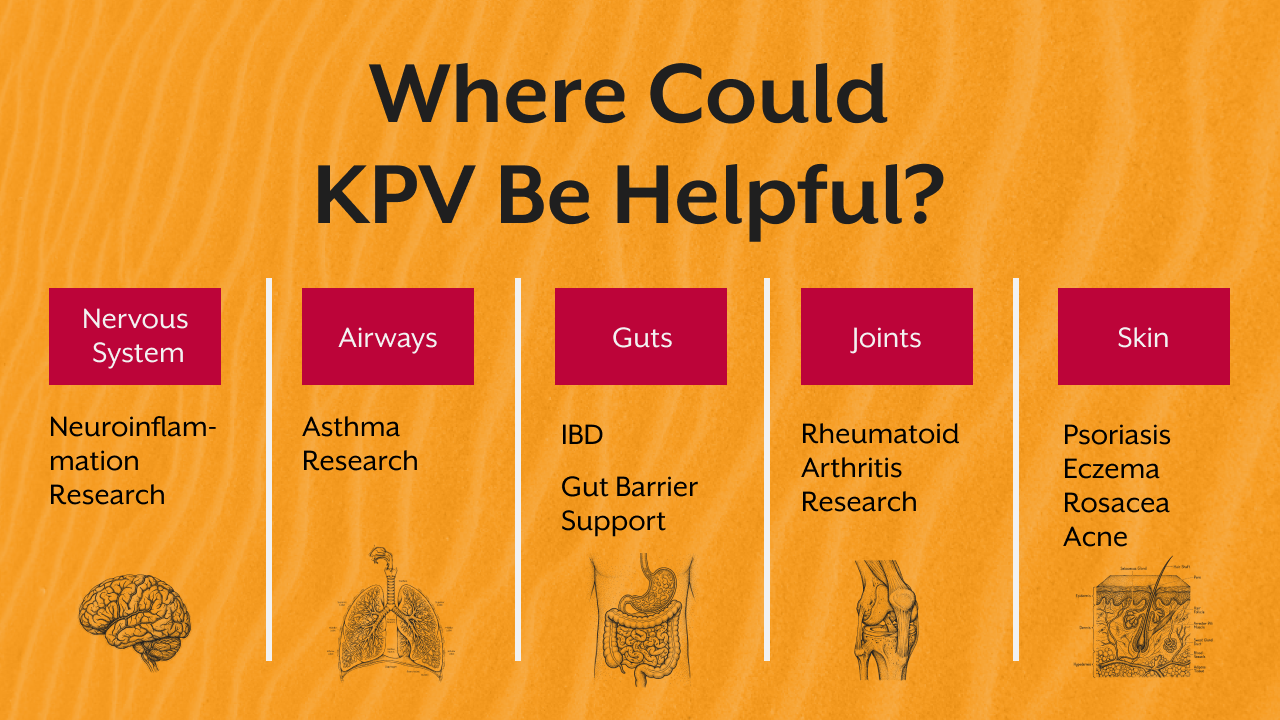
The anti-inflammatory nature of KPV has prompted researchers to investigate its potential role in a variety of chronic inflammatory and autoimmune disorders. Because inflammation contributes to the progression of many diseases, therapies that can safely regulate immune activity are of significant interest.
Rheumatoid Arthritis
Rheumatoid arthritis (RA) is an autoimmune disease associated with chronic inflammation of joints as well as progressive tissue damage. KPV is thought to reduce inflammatory activity in joints as well as prevent collateral tissue damage from chronic inflammation.
Possible applications being studied:
- Decreased joint inflammation
- Reduction of inflammatory cytokines
- Prevention of collateral tissue damage
Asthma
An asthma is a disease associated with chronic inflammation of the airways which causes breathing difficulties as well as hypersensitivity of the airways. Research is being done to see if KPV can modulate the immune system to decrease inflammatory activity in the lungs and airways.
Neuroinflammatory Disorders
Many diseases that affect the nervous system are now being linked to inflammation. Research is being conducted to see if KPV has neuroprotective effects by modulating inflammatory signaling in the nervous system.
KPV Peptide Dosage and Administration
Because KPV remains largely investigational, no universally accepted therapeutic dosage currently exists. Researchers continue to evaluate different delivery methods to determine the most effective ways to administer the peptide for various conditions.
Oral Administration
Due to KPV being mostly experimental there is no established therapeutic dosage. Various methods of delivery are being investigated for use with this peptide.
KPV Oral
Delivery of KPV orally is very enticing for gut health issues as you could potentially target the gut directly. There are specific formulations for oral use that allow for better stability and prevent degradation.
Objectives of oral formulations can include:
- Better intestinal delivery
- Localized intestinal anti-inflammatory action
- Increased peptide stability
KPV Topical
Topical applications of KPV are being researched for many conditions. When applied topically you can target the affected area for anti-inflammatory effects and systemic absorption.
Areas of study include but are not limited to:
- Psoriasis
- Eczema
- Rosacea
- Wound healing
KPV Injectables
Injectable would also fall under systemic uses for KPV. The main difference between an oral dosage and an injection is bioavailability. Injecting peptides into the body can be preferred over oral consumption as it bypasses the chances of it being broken down inside the gut. This means your body can better absorb the peptide you are taking.
Injectable Forms
Injectable delivery is also common for KPV when someone wants it delivered systemically. Injecting peptides rather than taking them orally is often preferred due to the possibility of them being degraded by the digestive system. This allows for better absorption and bioavailability that is more consistent.
KPV is typically shipped to you as a freeze-dried powder. You will need to draw up bacteriostatic water and reconstitute the peptide prior to injecting. The most common diluent that researchers and clinics will use is bacteriostatic water. This water typically contains a very low concentration of benzyl alcohol. Bacteriostatic water can be used for multiple draws from the same vial as long as sterile technique is followed.
There are several benefits to using bacteriostatic water. First, the benzyl alcohol aids in keeping the solution sterile after reconstitution. Second, it allows for exact dosing by allowing more precise dilutions of the peptide powder. Finally, it is much more convenient if you will be using the entire vial multiple times. The amount of bacteriostatic water added will determine the final concentration of your KPV.
Things to remember when using bacteriostatic water:
- Practice sterile technique when reconstituting
- Store in fridge when needed
- Avoid extreme heat and direct sunlight
- Follow any manufacturer/research specific directions for preparation
- Calculate dose amounts using the final concentration of peptide.
Safety and Side Effects
This is one of several reasons why KPV has garnered much interest lately. Scientists think KPV has the potential to be tolerated well by most patients due to its safety profile discovered in preliminary testing. KPV is based on a sequence that is found in a human peptide hormone.
Some possible benefits that have been noted in the early studies include:
- Possible reduced toxicity
- Possible minimal systemic immunosuppression
- Site specific activity
- May be associated with less severe side effects
Of course, there is still a lack of human clinical evidence. It is important to remember that this is a new peptide sequence and like any other new drug candidate, further testing is needed to determine its safety.
Some of the questions that still need to be addressed include:
- Long term toxicity
- Correct dosing
- Drug interactions
- Patient variations
- Use during pregnancy and breast-feeding
Until more substantial clinical trials have been performed we can not say for certain.
Current Research and Future Directions
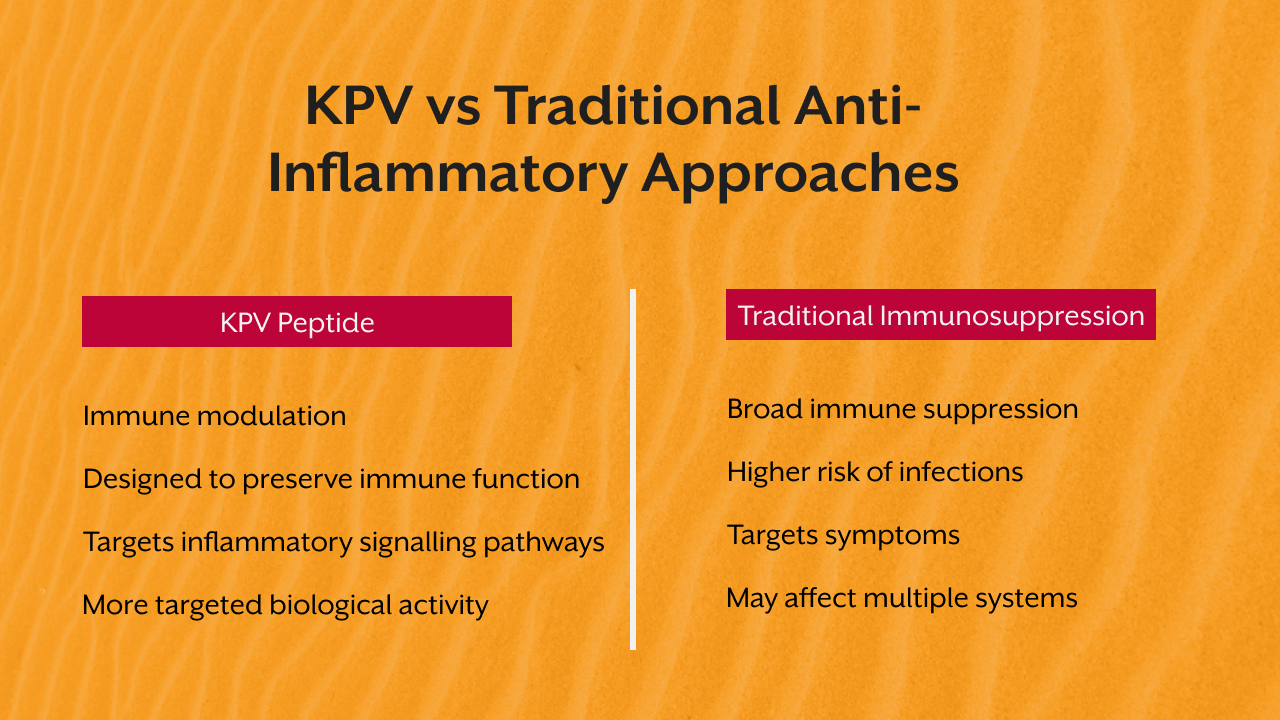
KPV continues to generate interest in the biomedical community as scientists work to better understand how it works and how it might be used therapeutically. One area of particular interest is its applications in precision medicine, as it regulates inflammation without necessarily suppressing the immune system wholesale.
Potential applications of KPV in Precision Medicine
A large focus of modern drug development is creating therapeutics that precisely affect only the pathways involved in disease pathology with as few negative side effects as possible. KPV is attractive to researchers because it seems to target important inflammatory pathways without producing the broad immune suppression observed with many drugs.
Exploring combination therapies with KPV
Combining KPV with other drugs to help boost efficacy is another avenue of research. If successful, this could allow for decreased doses of traditional drugs and fewer side effects.
Improved drug delivery methods
Improved drug delivery mechanisms may also increase the potency of KPV and allow it to better resist degradation. Many potential methods are being researched:
- Nanoparticle delivery
- Liposomal drug delivery
- Targeted drug delivery to the intestines
- Controlled-release capsules
Expanding Therapeutic Applications
In addition to current indications being investigated, with advances in our knowledge of inflammatory processes, researchers are exploring other potential therapeutic uses for KPV. These may include:
- Diabetes
- Inflammation related to heart disease
- Fibromyalgia
- Parkinson's disease
- Postsurgical inflammation
Ongoing research may unlock other potential uses for KPV.
Key Takeaway
The KPV peptide is among the most exciting peptide molecules yet to enter the spotlight. Derived from the anti-inflammatory hormone α-MSH, KPV has only three amino acids, yet appears to pack quite a punch biologically speaking. Evidence is mounting that KPV is strongly anti-inflammatory, immune-modulating, wound healing, and antimicrobial. If these claims pan out (and they seem to be doing so), we may be looking at a very versatile therapeutic peptide that can be used to treat diseases like inflammatory bowel disease, skin diseases, arthritis, asthma, and a variety of other inflammatory illnesses.
Data from preclinical studies is promising but more human trials will need to be conducted to determine the full extent of KPV's abilities, as well as its safety and dosing parameters. But if future studies continue to show that KPV can help dial up or down the body's inflammatory responses without significantly weakening our defenses, we may one day see it engineered into a drug.
KPV:

















.svg)