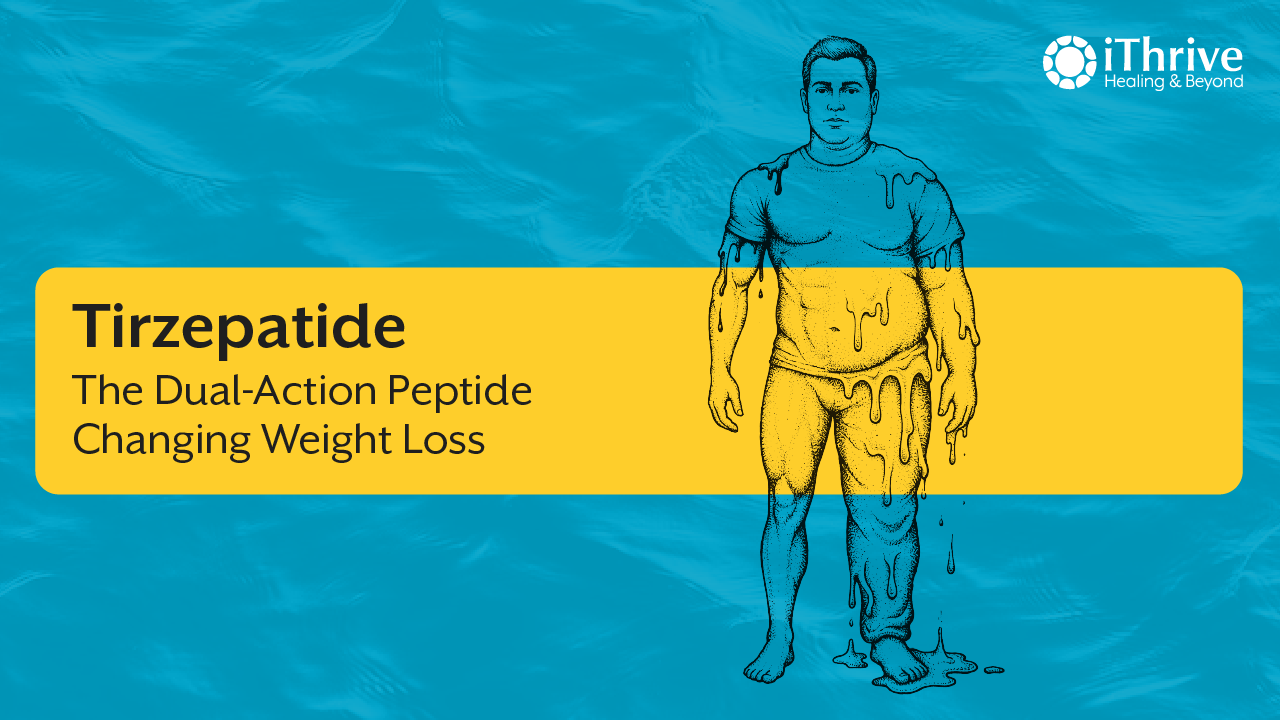





Tirzepatide | The Dual-Action Breakthrough Transforming Diabetes and Weight Management.
Table Of Content
The dual-action peptide transforms metabolic health worldwide

Tirzepatide | The Dual-Action Breakthrough Transforming Diabetes and Weight Management.

iThrive Team
May 27, 2026

Introduction

Obesity and weight management treatments keep advancing and one drug that’s been getting people’s attention worldwide is Tirzepatide. While this medication was initially designed to treat type 2 diabetes, Tirzepatide is now one of the most talked-about treatments for obesity and weight management. Searches related to “tirzepatide India”, “tirzepatide injection”, and “semaglutide vs tirzepatide” are soaring, ever since individuals started hearing about the phenomenal results this drug has been showing. Not only is it groundbreaking in its capacity to regulate glucose levels, but it also massively supports weight loss.

What is Tirzepatide?

Tirzepatide is part of a new group of drugs called dual incretin receptor agonists. The medication works by stimulating the GIP and GLP-1 receptors in the body. GIP and GLP-1 are hormones released by the intestines that help regulate blood sugar levels, appetite, and energy. Tirzepatide works similarly to these hormones by stimulating both at the same time. Therefore, Tirzepatide creates a greater physiological effect than traditional GLP-1 receptor agonists like Semaglutide. 

How does Tirzepatide Work? 

How Tirzepatide Actually Works Inside the Body

Tirzepatide works through what’s known as incretin biology, which is our hormonal response system to control glucose levels and appetite following meals. When we eat, glucose in our bloodstream triggers GLP-1 to release insulin. Insulin allows glucose to leave the bloodstream and enter cells to be used as energy. At the same time, GLP-1 inhibits glucagon, a hormone that causes your liver to produce more glucose. One of GLP-1’s other side effects is delayed gastric emptying, meaning food moves slower through the body. This delayed emptying helps keep blood sugar levels from spiking too quickly after meals. It also causes us to feel fuller longer and less hungry overall.

The second mechanism of action involves stimulating GIP receptors. GIP also signals the body to release more insulin when glucose levels are high. However, research indicates GIP could play a role in fat metabolism, adipose regulation, and energy expenditure. Scientists think the agonizing of both GIP and GLP-1 receptors is what causes drugs like tirzepatide to be more effective than those that only utilize GLP-1. 

Tirzepatide Injection: Administration and Usage

The most frequent search query users find themselves needing when using this drug is “ tirzepatide injection .” Tirzepatide injection is given as a subcutaneous injection under the skin. Typically, injections are given in the abdomen, thigh, or upper arm area of the body. Patients will often start at a low dose and titrate up to the full dose over time to avoid gastrointestinal side effects. Since the injection only needs to be taken once per week, it has been accepted well by patients who need long-term treatment for metabolic disorders. Injecting the drug allows it to continuously be active in your body for longer periods of time. Patients are typically instructed to take the medication weekly at the same time while making lifestyle changes. 

Tirzepatide for Type 2 Diabetes

Clinical studies investigating Tirzepatide for type 2 diabetes have demonstrated remarkable improvements in metabolic parameters. Patients receiving the medication experienced substantial reductions in HbA1c levels, improved fasting glucose control, and better post-meal glucose regulation. In several comparative trials, Tirzepatide outperformed many traditional antidiabetic agents as well as some established GLP-1 receptor agonists.

These findings are particularly important because insulin resistance and obesity frequently coexist, creating a cycle of worsening metabolic dysfunction. By simultaneously addressing hyperglycemia and excess body weight, Tirzepatide offers a more integrated therapeutic strategy for patients struggling with complex metabolic disorders.

Tirzepatide and Weight Loss

Observed effects of Tirzepatide on weight loss have produced remarkable enthusiasm within the scientific community and beyond. Trials in people with obesity or overweight demonstrated weight loss along with reductions in waist circumference and appetitive behaviors. Notably, weight loss was achieved by some participants who were previously only able to lose weight with bariatric surgery. 

The appetite-suppressant qualities of the drug alongside slowed gastric emptying and increased metabolic efficiency are responsible for decreased calorie consumption and long-term weight loss. For this reason, Tirzepatide has been seen by scientists and doctors as a potential revolutionary treatment option for obesity. 

Semaglutide vs Tirzepatide

Semaglutide vs Tirzepatide

Everyone seems to be talking about “semaglutide vs tirzepatide” lately! Semaglutide and Tirzepatide are both incredible medications for diabetes and weight loss. Semaglutide works on GLP-1 receptors while Tirzepatide works on GLP-1 and GIP receptors.

Tirzepatide likely works better because it works on two different receptors. In head-to-head trials, patients saw larger decreases in HbA1c and weight with tirzepatide vs semaglutide. Side effects for both medications are similar and include GI symptoms like nausea, vomiting, diarrhea, and constipation. However, not everyone will experience these side effects and some people tolerate one medication better than the other. Ultimately, it depends on what you’re trying to treat, how your body responds, your metabolic state, and what your doctor thinks is best for you. 

Tirzepatide India: Rising Interest in Metabolic Therapies

Interest in “tirzepatide India” has grown rapidly as the prevalence of obesity, metabolic syndrome, and type 2 diabetes continues to rise across the country. India carries a substantial burden of insulin resistance-related disorders, including central obesity and non-alcoholic fatty liver disease. The introduction of advanced incretin-based therapies like Tirzepatide could significantly influence the future of metabolic healthcare within the Indian population.

As awareness increases, healthcare providers are exploring the role of Tirzepatide not only in glycemic control but also in obesity-related complications and cardiovascular risk management. However, accessibility, affordability, physician supervision, and long-term monitoring remain important considerations for widespread clinical adoption.

Tirzepatide India: Lilly and Cipla Expand Access to Advanced Diabetes and Obesity Care 

India may soon see wider access to Tirzepatide, one of the most potent therapies approved for use in people with type 2 diabetes and chronic weight management, as Eli Lilly and Company India recently signed an agreement with Cipla Limited, allowing the pharmaceutical company Cipla to distribute and promote the drug under a second brand name Yurpeak throughout India. The agreement will expand access to the drug to regions of India where Lilly does not have an existing footprint. Per the terms of the deal, Lilly will supply Yurpeak to Cipla who will take responsibility for its distribution and promotion across the country. Yurpeak is expected to be priced at par with Mounjaro. Tirzepatide is a first-in-class and only GLP-1/GIP dual agonist. It works by simultaneously activating the glucose-dependent insulinotropic polypeptide receptor (GIP-R) and glucagon-like peptide-1 receptor (GLP-1R), which results in increased insulin release, decreased glucagon secretion, reduced hunger, delayed gastric emptying, and significant weight loss. Tirzepatide is administered as a once-weekly injection of tirzepatide delivered via the KwikPen device. The KwikPen contains four fixed doses and is available in dosages ranging from 2.5 mg to 15 mg allowing flexible, personalized dosing. India has a significant metabolic disease burden, home to nearly 101 million individuals with diabetes and nearly 100 million obese adults. This pioneering medication could help revolutionize glycemic management and improve long-term outcomes if prescribed properly. Over the past few months, there has been an uptick in Google searches for “tirzepatide India”, “tirzepatide injection”, “semaglutide vs tirzepatide”, and “tirzepatide tablet”. 

Tirzepatide Tablet: Is an Oral Version Available?

You may have noticed patients searching for “tirzepatide tablet.” There is currently no oral form of Tirzepatide, it’s only available as a injectable drug. The reason insulin therapy and drugs like tirzepatide can’t be taken orally in pill form is because they are peptides. Peptides break down in the stomach and can’t be absorbed into your bloodstream.

Scientists are working on new ways to deliver oral peptides and future versions of GLP-1 drugs that will hopefully one day make a tirzepatide tablet possible. For now, we will have to take it by injection once a week. 

Side Effects and Safety Considerations

As with other incretin mimetics, gastrointestinal issues are the main side effects of Tirzepatide. Common side effects include nausea, vomiting, diarrhea, constipation, abdominal pain, and decreased appetite. These side effects were mild-to-moderate for most patients and decreased over time with continued exposure.

Clinicians may increase the dose gradually to reduce side effects and help patients better tolerate the medication. Patients should also be encouraged to drink plenty of fluids and eat a well-balanced diet when beginning treatment. Doctors will assess patients for kidney function, liver function, metabolic factors, and medical history prior to initiating treatment with Tirzepatide. 

The future of tirzepatide and incretin based medication

What makes Tirzepatide so exciting is that it paves the way forward for what’s likely to be the next generation of drugs for type 2 diabetes and obesity. The dual activation of GIP and GLP-1 receptors combines 2 of the most effective therapies into 1 potent regimen to combat complex metabolic dysfunction.

This success story has already spawned further studies investigating the next generation of incretin drugs, including triple receptor agonists and oral peptide therapies. As we continue to learn more about the gut-brain axis, metabolic inflammation, and the overall biology that drives obesity, drugs like tirzepatide could change the landscape of diabetes treatment, obesity medicine, and chronic metabolic disease for patients around the globe. 

Conclusion

Injectable Tirzepatide is an exciting advancement in the field of metabolic health. Acting on both incretin hormones, GIP and GLP-1, tirzepatide helps the body regulate blood sugar more effectively while promoting more weight loss and offering additional metabolic benefits over previous medications.

Search interest for “tirzepatide injection”, “tirzepatide India”, “semaglutide vs tirzepatide”, and “tirzepatide tablet” is increasing every day as we become more educated on this groundbreaking weight loss medication. Tirzepatide shows a lot of promise but should never be taken without the guidance of a medical professional and paired with lifelong changes to your diet and exercise regimen. 

References

https://www.ncbi.nlm.nih.gov/books/NBK581488/ 

https://www.nejm.org/doi/full/10.1056/NEJMoa2107519 

https://www.sciencedirect.com/science/article/abs/pii/S2451847623000076 

https://www.nejm.org/doi/full/10.1056/NEJMoa2206038 

https://www.cipla.com/press-releases-statements/lilly-and-cipla-sign-distribution-and-promotion-agreement-yurpeakr 

A
Ask your doubts
Thank you! Your submission has been received!
Oops! Something went wrong while submitting the form.

FAQs

What is the difference between Semaglutide and Tirzepatide?
faq arrow

The biggest difference in the semaglutide vs tirzepatide discussion is that Semaglutide works only on GLP-1 receptors, while Tirzepatide activates both GLP-1 and GIP receptors. This dual action is why Tirzepatide often shows stronger effects on blood sugar control, appetite regulation, and weight loss.

Is Tirzepatide only for diabetes or can it help with weight loss too?
faq arrow

Tirzepatide injection therapy should always be taken under medical supervision because dosage, metabolic health, kidney function, and side effects need proper monitoring. Most side effects are digestive in nature, such as nausea or bloating, and often improve gradually as the body adapts.

Are Tirzepatide injections safe?
faq arrow

dosage, metabolic health, kidney function, and side effects need proper monitoring. Most side effects are digestive in nature, such as nausea or bloating, and often improve gradually as the body adapts.

Why do some people lose muscle while losing weight on peptides?
faq arrow

Rapid weight loss without proper nutrition, protein intake, resistance training, and metabolic support can lead to muscle loss. At iThrive, we focus on preserving muscle mass alongside fat loss through personalised nutrition, lifestyle support, and a deeper understanding of root causes via our Root Cause Analysis. 

Should I get a Root Cause Analysis before starting Tirzepatide?
faq arrow

Yes, understanding factors like insulin resistance, inflammation, cortisol imbalance, nutrient deficiencies, gut health, and metabolic dysfunction can help improve long-term outcomes with peptide therapies. You can explore our Root Cause Analysis to understand what may actually be driving weight gain, cravings, or metabolic imbalance before starting your journey.

Related Blogs

How Retatrutide Works: The Molecular Mechanism Behind the Most Powerful Weight Loss Peptide Yet
read count
read time
May 20, 2026

How Retatrutide Works: The Molecular Mechanism Behind the Most Powerful Weight Loss Peptide Yet

Retatrutide is redefining weight loss with its triple hormone action. This blog breaks down how it works, why it’s more effective than older peptides, and what it reveals about the biology behind fat loss and metabolism.

Introduction

Struggling with your weight? Tired of trying everything to get rid of your stubborn fat? Despite your best efforts, you just can’t lose weight. If you have ever felt this way, believe me, you are not alone. For years, we have been told weight loss is simply a matter of willpower and discipline. Eat less. Exercise daily. Strictly follow a diet. But that narrative is finally starting to shift. Over the past few years, a new class of medications have changed the conversation around obesity. You may have heard about peptides - semaglutide (Ozempic) or tirzepatide (Mounjaro). Now, there is a new peptide that is even more effective - Retatrutide.

Early weight loss results from clinical trials have stunned researchers. Subjects lost up to 24% of their body weight in less than a year. That is more than double what most weight loss drugs could accomplish. And for the first time, it actually worked long-term.

But how does retatrutide work? For this, we need to take a deeper look. In order to understand how this peptide works, we first need to understand why weight loss is so tough in the first place. Your body does not want to lose weight. You may feel like you need to lose weight, but your body might not agree. Don’t blame yourself if this is you. Your body is naturally programmed to maintain its current fat stores. This is why when you go on a diet, your body fights you. When you try to shed those extra pounds, hunger signals kick in and your metabolic rate slows down. It’s not your fault, this is just biology. So what hormones are we talking about here? GLP-1, GIP and glucagon are the big players. Each of these signal hunger, fullness, blood sugar levels, and fat burning to your brain and body in different ways. Most weight loss peptides target one or some combination of these pathways. Retatrutide hits all three at once.

What is Retatrudite?

Retatrutide is a novel triple receptor agonist developed by Eli Lilly and Company that supports weight loss, improves glycemic control and also provides cardiovascular benefits. It is basically a peptide that binds to three different hormone receptors in our body. When we take it, this peptide works by activating the following receptors.

  • GLP-1 (Glucagon-Like Peptide-1) Receptor
  • GIP (Glucose-Dependent Insulinotropic Polypeptide) Receptor
  • Glucagon Receptor

You can think of your weight management system as a fancy security system with three locks on it. Every other peptide in this class can only unlock 1. Retatrutide unlocks them all at the same time.

If you’re curious about how peptides compare to other emerging therapies, you can read more about it here: https://www.ithrive.academy/blogs/bioregulators-vs-peptides-how-to-choose

How Retatrutide Works: 3 Hormones, 1 Powerful Outcome

What is the mechanism of action of Retatrutide?

Retatrutide acts as a triple receptor agonist, simultaneously targeting the three receptors that play crucial roles in metabolic regulation.

The GLP-1 hormone is naturally released by the intestines when we eat food. GLP-1 does a few different things. For starters, it causes the pancreas to release insulin and lower our blood sugar. It also slows down the rate at which food leaves your stomach. This is great for weight loss because it keeps food in your stomach longer, making you feel more satiated. But most importantly, GLP-1 sends a signal to your brain that you are full.

When someone is obese, this signal may not be as strong as it needs to be. You feel hungry so you eat, but your body doesn’t send the “I’m full now” signal properly, or it takes too long to send. As a result, you consume more food than your body actually needs. But when you take retatrutide, it activates GLP-1 receptors. It supercharges your body’s “I’m full” signal. Your body gets the message that you’re full clearly and quickly. Food takes longer to process, so you feel fuller after meals. You end up eating less naturally, without forcing yourself to do so. This mechanism is how peptides like semaglutide and tirzepatide work. But again, retatrutide targets GLP-1 receptors as well as GIP receptors

The GIP hormone works extremely similarly to GLP-1. Like GLP-1, it’s also released from your intestines when you eat. On its own, activating GIP won’t do much for you. But studies have shown that the simultaneous activation of GIP and GLP-1 causes something called synergism. Essentially, GLP-1 and GIP communicate with each other. When both are activated at the same time by retatrutide, they send each other stronger signals. The brain is better able to receive GLP-1’s full signal and as a result, you feel fuller faster and for longer.

Research has also indicated that GIP signals fat cells directly, though more research is needed to understand this effect. It’s the exact same reason why tirzepatide (GLP-1 and GIP dual agonist) works better than semaglutide (GLP-1 agonist only). Retatrutide just adds to it by activating the glucagon receptor too.

Glucagon is a hormone we usually think of as doing the opposite of weight loss medications- it raises blood sugar. But it turns out that if glucagon activation is precisely calibrated with GLP-1 and GIP activation, it provides incredible benefits. By itself, glucagon ramps up energy expenditure. It signals the liver to burn more fat and independently decreases appetite from GLP-1. Together, these effects give retatrutide an extra edge for appetite suppression. Researchers realized that if GLP-1 is simultaneously activated while also turning on glucagon, the GLP-1 effects will blunt the blood sugar-increasing properties of glucagon while allowing everything else to persist. You get increased calorie burning and appetite suppression without the side effects. GLP-1, GIP and glucagon are hence synergistic.

Your Body vs Your Goals: What’s Actually Happening

What happens in your brain on Retatrutide?

Most people think of peptides as working on the stomach. They also work on metabolism. But they work predominantly in the brain. The frontal hunger centre of the brain is called the hypothalamus. That’s where GLP-1, GIP and glucagon are sending most of their signals to reduce hunger and increase energy expenditure. As more and more satiety inputs hit the hypothalamus from retatrutide, the brain stops perceiving hunger. GLP-1 also works on the brain’s reward centres. Activation of this receptor can reduce food cravings, particularly high-fat and high-sugar foods. Many people describe how food just isn’t as appealing while they are on these peptides. This isn’t caused by misery or deprivation, either. There is actual evidence showing that food rewards are genuinely less satisfying. If you have spent any length of time struggling with obesity, having your brain stop obsessing about food can seem like a miracle.

How is Retatrutide given?

The peptide is given by injection just under the skin. Common injection sites are the abdomen, thigh, or upper arm. The starting dose is typically low and increases every few weeks until the target dose is reached. This allows the body to adjust to the medication and minimizes side effects.

What are the side effects of Retatrutide?

Nausea, vomiting, constipation, and diarrhea are the most commonly reported side effects. These side effects are very common with all GLP-1 medications, and tend to be more pronounced during the initial starting dose and when increasing the dose. For most patients, gastrointestinal upset subsides after the first month or two of treatment.
Concerningly, retatrutide also activates glucagon receptors, which can impact blood sugar levels. Researchers are paying special attention to changes in liver enzymes, heart rate, and blood glucose in trial participants. To date, the side effect profile looks manageable, and no unexpected major safety issues have been revealed in Phase 2 clinical trials.

Not All Weight Loss Drugs Work the Same

Key Takeaway

Obesity is a disease. It is not a cosmetic concern. It is a chronic, complex, biological condition that predisposes patients to 2 types of diabetes, heart disease, liver disease and sleep apnea. For years, there were few treatment options for patients. Diet and exercise are helpful for sure, but human biology is strongly against most people at every turn. It is because of that reality that peptides including retatrutide represent such a pivotal breakthrough in how medicine can treat people living with obesity. Modern science is starting to catch up with what people who have struggled with their weight know intuitively. Regulating your weight involves far more than willpower, cravings, and exercise. It is a complex interplay of hormones, brain signaling, and metabolic function that we can now target with incredible precision, backed by science.

References

1.     Jastreboff AM, Kaplan LM, Frías JP, et al. Triple–Hormone-Receptor Agonist Retatrutide for Obesity — A Phase 2 Trial. New England Journal of Medicine. 2023;389(6):514–526. https://doi.org/10.1056/NEJMoa2301972

2.     Abdul-Rahman, T., Roy, P., Ahmed, F. K., Mueller-Gomez, J. L., Sarkar, S., Garg, N., ... & Sood, A. (2024). The power of three: Retatrutide's role in modern obesity and diabetes therapy. European Journal of Pharmacology, 985, 177095. https://doi.org/10.1016/j.ejphar.2024.177095

3.     Katsi, V., Koutsopoulos, G., Fragoulis, C., Dimitriadis, K., & Tsioufis, K. (2025). Retatrutide-A Game Changer in Obesity Pharmacotherapy. Biomolecules, 15(6), 796. https://doi.org/10.3390/biom15060796

4.     How I lost 16 kgs in 4 months- Mugdha Pradhan’s easy weight loss journey with GLP agonists. https://www.ithrivein.com/blog/lost-16-kg-in-4-months-glp-agonist-weight-loss-journey

BPC-157: The Body’s Own Healing Peptide - and Why the World Can’t Ignore It
read count
read time
May 20, 2026

BPC-157: The Body’s Own Healing Peptide - and Why the World Can’t Ignore It

BPC-157 is being explored for its potential to accelerate healing across multiple systems. This blog breaks down how it works, from blood vessel formation to inflammation control, and what current research really suggests.

Introduction 

What if the body already had a "repair switch”?

Imagine tearing your tendon, injuring a ligament or damaging muscle tissue. Healing can take months. What if your body had accelerated self-repair mechanisms? This concept has athletes and researchers alike drooling over BPC-157. Isolated from human gastric juice in 1993 by Croatian researcher Predrag Sikiric, BPC-157 completely astonished researchers when used in animal experiments. Tendons, ligaments, muscles, nerves, bones, teeth, corneas, and blood vessels have all been demonstrated to heal faster when BPC-157 is introduced. Some studies also suggest it may:

  • protect the liver,
  • support recovery after traumatic brain injury,
  • improve blood vessel stability,
  • and influence clot formation and breakdown.

Sounds almost too good to be

true?

That’s where things get

interesting.

So… How Does BPC-157 Actually Work?

Instead of acting through a

single pathway, BPC-157 appears to influence multiple repair systems

simultaneously - almost like coordinating a biological “repair network.”

How BPC-157 Works: A Multi-System Repair Network

1. It Helps Build New Blood - Vessels

One of the peptide’s most studied effects is angiogenesis - the formation of new blood vessels.

BPC-157 enhances VEGFR2 activity and activates the Akt-eNOS pathway, increasing nitric oxide (NO) production.

This matters because nitric oxide helps:

  • dilate blood vessels,
  • improve circulation,
  • support endothelial function,
  • and deliver oxygen and nutrients to injured tissues.

This may be especially important in poorly vascularized tissues like tendons and ligaments, which normally heal very slowly.

2. It May Calm Inflammation Without Stopping Healing

Inflammation is necessary after injury - but excessive inflammation can delay recovery and increase fibrosis.

Studies suggest BPC-157 reduces several pro-inflammatory cytokines including:

  • TNF-α,
  • IL-6,
  • and IFN-γ.

Interestingly, it also appears to shift macrophages from the inflammatory “M1” state toward the reparative “M2” state, potentially creating an environment more favorable for tissue regeneration.

3. It May Protect the Nervous System

Some experimental models suggest BPC-157 can normalize glutamatergic signalling and counteract NMDA receptor overactivation.

In simpler terms: it may help stabilize communication between neurons after injury or chemical stress.

Researchers observed protective effects against neurotoxic agents such as ketamine and MK-801, suggesting possible roles in neural recovery and synaptic repair.

Why Are Tendons and Ligaments So Important Here?

Tendons and ligaments are notoriously slow to heal because they receive limited blood supply.

That’s why BPC-157 has attracted so much attention in sports medicine research.

Studies suggest the peptide:

  • increases fibroblast activity,
  • enhances collagen synthesis,
  • activates FAK-paxillin signalling,
  • And improves biomechanical strength during recovery.

Even under compromised conditions

  • such as corticosteroid exposure or poor vascular supply -BPC-157 appeared to improve tendon organization and healing quality in animal models.

Can It Help Bones Heal Too?

Possibly.

Preclinical studies suggest BPC-157 may stimulate osteogenesis (bone formation) and accelerate fracture healing.

Researchers observed improved:

  • osteoblast activity,
  • angiogenesis within bone tissue,
  • bone matrix deposition,
  • and fracture consolidation.

This has sparked interest in whether the peptide could eventually play a role in difficult orthopaedic conditions like delayed unions or avascular osteonecrosis.

Why Are Scientists So Interested in the Endothelium?

The endothelium - the thin inner lining of blood vessels - plays a central role in healing.

BPC-157 activates the ERK1/2 signalling pathway, increasing:

  • endothelial proliferation,
  • cellular migration,
  • and vascular tube formation.

These effects support tissue regeneration by improving vascular stability and repair signalling.

In simple terms: better blood vessel function often means better healing.

Healing Phases: Where BPC-157 May Intervene

Healing Happens in Phases - and BPC-157 May Influence All of Them

Normally, tissue healing occurs in three stages:

Phase 1: Inflammation (Days 1-5)

Immune cells rush to the injury site.

Phase 2: Repair/Proliferation (Days 5-14)

Fibroblasts produce collagen and rebuild tissue.

Phase 3: Remodeling (Days 14-90+)

Tissues strengthen, reorganize, and mature.

BPC-157 appears to interact with several processes across all three phases, particularly in tissues with poor blood supply.

That broad activity is one reason the peptide continues to attract attention in regenerative medicine research.

What Does BPC-157 Actually Look Like?

At first glance, the structure of BPC-157 may look like a random chain of letters. But each of those letters represents an amino acid - the molecular “building blocks” used to construct proteins and peptides throughout the body.

The sequence shown above forms a short peptide linkage made up of 15 amino acids:

Gly-Glu-Pro-Pro-Pro-Gly-Lys-Pro-Ala-Asp-Asp-Ala-Gly-Leu-Val

This specific arrangement is believed to be critical to BPC-157’s biological activity. Interestingly, the peptide is derived from a naturally occurring protective protein found in human gastric juice, which may explain why researchers initially became interested in its potential role in tissue protection and repair.

The abundance of proline (Pro) residues in the sequence may also contribute to its structural stability and regenerative properties, particularly in connective tissue healing where collagen and extracellular matrix organization are essential.

In simple terms, this tiny chain of amino acids may act less like a traditional drug and more like a molecular “repair signal” that helps coordinate healing pathways throughout the body.

So… Is BPC-157 the Future of Healing?

Maybe - but the science is not settled yet.

Animal studies consistently show promising regenerative, angiogenic, anti-inflammatory, and cytoprotective effects. A small human pilot study also suggested the compound was well tolerated. 

If you’re exploring peptides like BPC-157, it’s also worth understanding how they compare to bioregulators-read this for a clearer perspective: https://www.ithrive.academy/blogs/bioregulators-vs-peptides-how-to-choose

Peptides for Weight Loss: What They Really Do, Why Everyone Is Talking About Them, and How to Use Them Without Losing Muscle.
read count
read time
Dec 22, 2025

Peptides for Weight Loss: What They Really Do, Why Everyone Is Talking About Them, and How to Use Them Without Losing Muscle.

Peptides are changing the future of weight loss but sustainable results require more than injections alone. Learn how Retatrutide, nutrition, muscle preservation, and root-cause healing work together for lasting fat loss.

Introduction

A few years ago, weight loss injections were considered to be very extreme. But here we are today, where peptides have become completely normal and are everywhere. The celebrities are talking about them, the biohackers are experimenting with them, clinics are prescribing without knowing health history, and of course social media like usual is flooded with dramatic transformation reels from medications like Mounjaro and Ozempic. 

But honestly I feel somewhere between the fear and the hype, the real conversation completely got lost. The truth remains that the peptides are neither magic nor any random dangerous shortcuts, they are the tools and in fact the most powerful ones. When used appropriately, they help in regulating the biology that makes weight loss feel almost impossible for the majority of people in the first place. 

At iThrive, we’ve worked with our clients struggling with obesity, insulin resistance, emotional eating, chronic stress, inflammation, hormonal dysfunction, as well as metabolic burnout since 2019. Many of them also came to us feeling ashamed because they believed their weight gain was purely a lack of discipline.

But the deeper we looked, the clearer it became for us. 

  • Chronic stress alters hunger signalling
  • Trauma changes the behaviour of eating
  • Poor sleep slowly alters insulin sensitivity
  • Inflammation slows down the metabolism
  • Emotional overwhelm dysregulates appetite.

These are the reasons why modern peptide therapy is changing obesity medicine completely. But here’s the part nobody will talk about enough: the goal should never be to become skinny at the cost of your metabolism. I repeat NEVER. 

The real goal is metabolic healing while: 

  • Losing fat while necessarily preserving muscle
  • Improving insulin sensitivity
  • Reducing visceral fat
  • Calming cravings,
  • Helping the body feel safe enough to regulate weight again.

And this particular distinction changes everything.

What Are Peptides?

What Peptides Actually Do Inside the Body

Peptides Meaning Explained Simply

Peptides are basically the short chains of amino acids, the very same molecules that form proteins in our human body. So your body naturally produces peptides all the time and then they act as signalling messengers that help regulate factors such as hunger, blood sugar, healing, hormones, metabolism, inflammation, sleep, as well as recovery. In simple terms, peptides tell different parts of the body how they should respond. And certain therapeutic peptides are now being utilized in medicine to target very specific pathways related to obesity as well as metabolic health.

This is where weight loss injections come in.

Why Losing Weight Is Harder Than “Eat Less, Move More”

Your Biology Fights Weight Loss

Most of the people think fat loss is completely mathematical like eating less calories and burning more calories. But the body is far more complex than that. 

When people aggressively diet their hunger hormones increases, cravings intensifies, metabolic health slows down, energy crashes, stress hormones rises and the brain becomes obsessed with food. This is one reason why so many people regain the weight they lose and when emotional stress enters the picture, things get even harder.

At iThrive, we’ve seen clients gain significant weight during their grief, burnout, caregiving stress or emotional trauma. Because during these times food becomes the comfort, and eating therefore becomes regulation further taking the body into a metabolically stuck situation. 

Which is why sustainable fat loss requires far more than willpower.

The Rise of Weight Loss Peptides

Here we can put before and after of Mugdha

Why Everyone Is Suddenly Talking About Them

Modern weight loss injections work primarily through pathways related to GLP-1, GIP, as well as glucagon signalling.

The most identified names include:

  • Semaglutide
  • Tirzepatide
  • Retatrutide injection therapy

These peptides help in regulating appetite, insulin response, calorie expenditure, satiety, as well as blood sugar stability. Unlike crash dieting, they work by influencing the body's hunger and their metabolic systems.

For many of the people, this is the very first time in years that they stop thinking about food constantly. And that alone can feel life-changing.  

Retatrutide Peptide: Why Researchers Are So Excited

The Triple-Pathway Approach

Among all the emerging peptides, retatrutide peptide therapy is generating massive attention. You might be wondering, why? Because it targets three major metabolic pathways simultaneously that are GLP-1 receptors, glucagon receptors, as well as GIP receptors. This function makes it far more advanced than earlier generations of peptide therapy. 

GLP-1 activation helps in reducing the appetite, increases the feeling of fullness, slows down gastric emptying, and also reduces overeating. On the other hand GIP activation supports insulin sensitivity, better regulation of blood sugar, and metabolic efficiency. And lastly, glucagon activation encourages maximised burning of calories, higher energy expenditure and drastically improved fat utilisation. And this triple-action mechanism is exactly why retatrutide injections are now being called one of the biggest breakthroughs in obesity medicine. 


But Here’s the Problem: Most People Are Using Peptides Wrong

Weight Loss Should Not Cost You Your Muscle

One of the major mistakes people often make on peptides is under-eating. Because when appetite decreases so aggressively, people barely consume any protein, they stop résistance training to a great extent, become nutrient deficient and most importantly also lose muscle rapidly. This then creates the deflated look that many of you associate with peptide weight loss. But healthy fat loss should be the one that destroys metabolic health. 

At iThrive, preserving lean muscle is one of the first priorities that we’ve set during peptide therapy because muscle directly impacts factors involving metabolism, aging, insulin sensitivity, long-term maintenance as well as hormonal health. And this is truly where guided therapy makes all the difference.

What Healthy Peptide Progress Actually Looks Like

A Real Example of Body Recomposition

One of our strongest examples of this come straight from our own CEO, Mugdha Pradhan. What makes her transformation is not weight loss but rather how the weight was lost. 

Over the span of 9 months, her body composition changed dramatically:

This is exactly what intelligent metabolic transformation looks like. Yes, she lost over 20.4 kgs. But that’s not the whole point, the point is her body fat and visceral fat decreased massively, but her muscle percentage increased and metabolic quality improved drastically. And this is what matters. 

What Healthy Peptide Progress Actually Looks Like

Because many people are capable of losing weight while simultaneously becoming metabolically weaker. Mugdha’s journey became one of the biggest internal proofs for us that peptide therapy works best when paired with adequate protein, strength training, nervous system regulation, sleep optimisation, emotional healing, proper micronutrient support and most importantly hydration. 

Why Emotional Health Matters in Weight Loss

The Part Nobody Talks About

One reason Mugdha’s story resonated so deeply internally at iThrive was because the weight gain itself was never random. Like many of you, her body changed during an extremely stressful phase of her life. Years of emotional pressure, chronic stress, legal battles, organisational strain, and nervous system overload altered her relationship with food entirely. And this is something we see constantly. People often blame themselves for emotional eating while completely ignoring the biology behind it that is cortisol deregulation, poor sleep, chronic inflammation, dopamine seeking, nervous system exhaustion and blood sugar instability. 

Peptides can definitely help you reduce cravings. But long-term transformation still requires emotional healing. Otherwise people simply replace one coping mechanism with another and the loop goes on and on. 

How iThrive Uses Peptides Differently

What Is Bacteriostatic Water?

Why It’s Mentioned in Peptide Therapy

If you’ve researched peptides online, you’ve likely come across the term bacteriostatic water multiple times. So basically bacteriostatic water is sterile water containing a small amount of benzyl alcohol that helps in preventing bacterial growth. It’s commonly used to reconstitute certain peptides before injection.

Once mixed, peptides are generally refrigerated and used according to professional guidance. This is why peptide therapy should never be approached casually through random online advice or doctor prescription on the basis of nothing. 

Proper dosing, storage, progression, and monitoring matter enormously.

Why Root Cause Analysis Still Matters

This is one of the major differences in how we approach metabolic health here at iThrive. Most clinics just prescribe the peptide and stop there. But we always focus on deeper set of questions like:- 

  • Why is metabolism dysregulated?
  • Is inflammation present?
  • Is insulin resistance worsening cravings?
  • Is stress driving cortisol dysfunction?
  • Is nutrient deficiency impairing fat loss?
  • Is sleep disruption affecting blood sugar control?
  • Is the nervous system stuck in survival mode?

Because peptides can surely assist fat loss but sustainable healing still requires understanding the system underneath it. That’s why we always integrate Root Cause Analysis as our first step into metabolic transformation plans instead of completely relying on injections alone.

How to Start Peptides Safely

What Actually Creates Sustainable Results

The best peptide outcomes usually happen when people simultaneously focus on a list of things:- 

  • protein intake
  • resistance training
  • hydration
  • nervous system regulation
  • emotional health 
  • sleep quality
  • nutrient optimisation.

At iThrive, after healing hundreds of lives we have consistently found that people do best when the goal shifts from just getting smaller to becoming metabolically healthier. Because that changes the entire approach.

Conclusion

Peptides are wonderfully transforming the future of obesity and metabolic medicine. From semaglutide to tirzepatide to retatrutide injection therapy, these compounds are helping people finally regulate appetite, reduce visceral fat, improve insulin sensitivity, and lose weight more sustainably than ever before.

But the most important lesson is this healthy weight loss is not about starving yourself into a smaller body. It’s about improving metabolic function while preserving strength, energy, muscle, and long-term health. That’s why the best peptide journeys are never just about injections, they involve a lot of factors. If you’re not sure how to get started we are right here to help you with the same.

Because by the end of the day real transformation isn’t just about losing kilograms. It’s about finally helping the body feel safe enough to heal.

Talk to our team

Thank you! Your submission has been received!
Oops! Something went wrong while submitting the form.

Talk to our team

Thank you! Your submission has been received!
Oops! Something went wrong while submitting the form.

Download Now

Thank you! Your submission has been received!
Oops! Something went wrong while submitting the form.
Select your Location
Agra
Ahilyanagar
Ahmadnagar
Ahmedabad
Ahmednagar
Akola
Aligarh
Allahabad
Almora
Alwar
Ambala
Ambedkar Nagar
Amravati
Amritsar
Amroha
Anand
Aurangabad
Ayodhya
Azamgarh
Baghpat
Bahadurgarh
Bahraich
Banda
Barabanki
Baraut
Bardhaman
Bareilly
Begusarai
Belgaum
Bengaluru
Bharatpur
Bhatinda
Bhilai Durg
Bhilwara
Bhiwani
Bhopal
Bhubaneswar
Bijnor
Bikaner
Bilaspur
Bokaro
Budhana
Bulandshahar
Chandigarh
Chennai
Chhatrapati Sambhajinagar
Chhindwara
Chomu
Darbhanga
Dehradun
Delhi
Deoband
Deulpur
Dhampur
Dhanbad
Durgapur
Eah
Etah
Etawah
Faizabad
Faridabad
Firozabad
Gadarpur
Gandhinagar
Ganganagar
Gaya
Ghaziabad
Ghazipur
Gonda
Gorakhpur
Greater Noida
Greater Noida Pc
Guntur
Gurgaon
Guwahati
Gwalior
Hajipur
Haldwani
Hapur
Hardoi
Haridwar
Hathras
Hazaribagh
Hisar
Hoshiarpur
Howrah
Hyderabad
Indore
Jabalpur
Jaipur
Jalandhar
Jalgaon
Jalna
Jamnagar
Jamshedpur
Jaunpur
Jhansi
Jhunjhunu
Jind
Jodhpur
Sorry, currently we are not serving this city.
Please try searching for another city or put your city here.
My Location not in the list
Your Location is 'Location'
Book a Test

City

Thank you! Your submission has been received!
Oops! Something went wrong while submitting the form.