

read count

read time

.svg)
Feb 21, 2022
Salt
Salt is essential component in everyone's diet but do you know disadvantages of excess salt? Do visit iThrive's blog to know more.
Salt is an innate part of one’s diet. It is widely used as a preservative, binder and for adding flavour to our food. Not a single dish can be prepared without the use of salt though it is bad for our health. But why is it so?
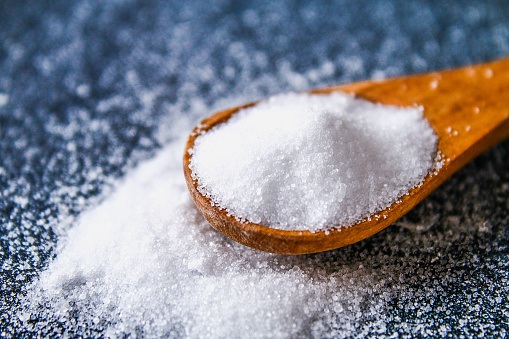
Salt is chemically derived from sodium (40%) and chloride (60%), i.e. Sodium Chloride (NaCl). The human body requires a petty amount of sodium for the proper functioning of nerve impulses and muscles, and for maintaining a proper balance between water and minerals. According to a study the human body requires only 500 mg of sodium (0.5 gm) daily for proper functioning. Exceeding this amount can lead to stroke, blood pressure and cardiovascular diseases.
Cardiovascular diseases are one of the leading causes of death in India, out of which hypertension is accountable for ⅓ rd of those deaths.
One gram of salt has 387.6 mg of sodium and on average in India, the daily intake of salt is 11 gm/day i.e. twice more than the recommended allowance of less than 5 gm daily 1.
Flowchart of the mechanism of excess sodium- 2

Salt intake for a long period of time has been linked to metabolic disorders, obesity and insulin resistance. High salt intake activates the aldose-fructokinase pathway in the liver and hypothalamus leading to the production of endogenous fructose and leptin resistance. Hence, salt intake should be monitored vitally among a variety of populations and not only among high blood pressure populations 3.
You can rectify this by changing the salt that you use.
Now comes the question, which salt must you choose, regular Table Salt that most of us use or the Himalayan pink salt?
Traditionally salt was manually collected (Figure 1) and this process was used for centuries before industrialisation. The results were obtained with the help of the sea, winds, and human efforts. Natural extracted salt is shiny and white. The salt resulting from this process preserves the richness of seawater and its composition is not only NaCl but also various other minerals that are beneficial to health like Mg, Ca, K, Fe, Zn or Mn. And its main identifier is that it is less salty to the taste 4.

Industrial salt, on the other hand, is extracted from the crystallisation of sea salt using industrial dryers. The common process to extract Table Salt from natural sea salt goes as follows-
Concentration of seawater→ Crystallisation of sodium chloride→ Collection and washing of Impurities→ Centrifugation of salt→ Addition of substances like anti-caking agents (Sodium ferrocyanide, aluminium ferrocyanide, sodium silicates)
During the process of washing, most of the minerals present in the salt are also washed off leaving behind concentrated NaCl which is further adjusted by adding chemical substances making “TABLE SALT” more harmful. 4
The Pink salt from the Himalayas (Figure 2) is a rock salt (popularly known as Sindhav namak) that is mined in areas close to the Himalaya Mountains. Its pink colour comes from the presence of several minerals like Mg, K, and Ca. This salt is healthier given its amount of trace elements and that in lump form it increases energy and improves sleeping by cleaning air pollutants like dust and pollen. 4
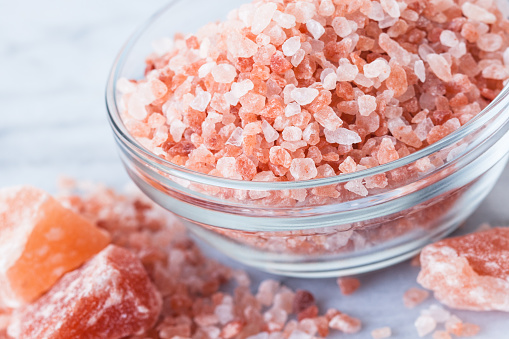
The presence of sodium in Himalayan pink salt is less compared to table salt due to the presence of other minerals.
The winner is clear enough, when it comes to the type of salt to use always choose Colourful!!

Cooking is something most of us love to do. And the one thing we ensure while cooking is that we are using proper and clean utensils and vegetables to maintain good hygiene for presenting the tastiest food. But what if we tell you that the utensil sets you are using for cooking can play a major role in improving or degrading the quality of the food you are cooking in it. There are several metals that we consume with food that comes through cooking utensils and these metals not only rob several nutrients from food but also make it toxic.
Although trace levels of some metals, such as Chromium (Cr), are essential for vital functions in the human body, excessive intake of such metals can result in health problems. Therefore, the release of toxic metals such as Nickel (Ni), Cadmium (Cd) and Lead (Pb) from food contact materials is a major public health concern. Most of the metallic kitchen utensils are not composed of a single material, rather are composed of alloys.
Choosing the correct cookware is very important while cooking as utensils play a major role in it. Here are a few kitchen utensil sets which we should stop using for cooking purposes:-
Cooking utensils that have the combination of nylon, non-stick or Teflon are always best to avoid. They usually have chemicals, even some utensils that claim that they are BPA -free will still have some chemicals, therefore it is best to avoid them. According to the German Federal Institute for Risk Assessments (BfR), if utensils are heated to temperatures up to 70 degrees centigrade, they can release toxins into food that they come into contact with. These substances are called “Oligomers”, they can potentially cause liver and thyroid diseases. Apart from the heating point, plastic kitchen utensils such as spoons, spatulas, barbecue tongs and many more can cause damage to your thyroid and liver. Most of us use non-stick tawa or griddle- Constant usage can erode the utensils and get mixed with your food. The non-stick surface is made of carcinogenic substances that could sweep into our bodies and lead to liver or GI problems. Browned old kitchen utensils can cause health problems when not washed properly. It is often seen with aluminum kitchen utensils.
Are you slicing raw chicken and then veggies on the same cutting board? Don't do it as the germs from uncooked meat can get into whatever you are cutting next. The bacteria can double up after 10 minutes of use no matter what you are cutting.
The food contact materials (FCMs) that are used for cooking at high temperatures are made of metals and alloys. The most widely used metals are aluminum, iron, tin, copper, nickel, and chromium. Most of the kitchen utensils are made up of alloys rather than a single material. Even arsenic, cadmium and lead can be added as contaminants or impurities in the manufacturing process. Heavy metals are known to disrupt the functioning of our vital organs, and they also disrupt the essential nutrients or minerals by preventing them from fulfilling their basic functions. Therefore, it is important to remember all metals at high temperatures can be toxic and some can be poisonous even at small concentrations.
As we learnt till now, cooking is not just about the ingredients but also about the utensils you are using. Making the switch might take some time but it's worth it in the end. Here are some safe cooking utensils which will not toxify our food:-
1. Stainless Steel Utensils:-
CAUTION:- If the mixture is not created in correct proportions this can be harmful to the human body. Therefore quality checking is very important while buying these kitchen utensils.
CAUTION:- Utensils are harder to clean, quickly lose their glossy appearance, pick up the stains, develop cracks or splinters.
Conclusion:
Kitchen Utensils play an important role while cooking. In case we are not cautious with the type of utensils we are using during cooking its overall effect will be on our health and can lead to health problems like liver and kidney issues, headaches, hormone disruption, thyroid and reproductive issues, weekend immune system etc. Serving nutrient-rich and healthy food to our family is on the top priority therefore, it is important to be aware of which kitchen utensils you should use to cook and which you should avoid.
References:

When you think of the sun, we immediately begin thinking about the damage it can cause. And that too much sun can cause various health problems. That’s a misconception that needs to be eradicated off people’s minds. Yes, too much sun for a long period of time may harm you, especially if your diet already includes inflammatory foods like a lot of seed oils, etc. But what is not popularised is that lack of sunlight is more harmful than excess sunlight.
Sunlight is necessary for human well-being. Sunlight gives us a lot of health benefits, few include giving rise to the production of the vital vitamin D, supporting bone health, reducing blood pressure, preventing disease and maintaining good mental health.
We often hear about how a lot of sunlight can be harmful to your skin. But did you know that the right amount of sunlight can have a lot of mood-lifting benefits?
Here are some reasons why you should soak up some sunshine every day:
In addition, a 2017 study published in the Journal of Human Resources found that students who get more sunlight every day perform better in tests.
Yet another research conducted at the Interdepartmental Neuroscience program at Northwestern University in Chicago noted that there is a strong link between workplace daylight exposure and the employees’ sleep, activity and quality of life.
To keep blood levels healthy, try and absorb at least 10–30 minutes of midday sunlight, multiple times in a week. Your exposure time wholly depends on your skin's sensitivity. Now the thought might cross your mind as to, Why midday sunlight? Well, midday is the most recommended time to get vitamin D, since the sun is at its highest peak and your body may produce vitamin D most efficiently at that time of day. This means that you may have to spend less time in broad daylight than at any other time. Not only is it effective but it is also safe to get vitamin D during the day.
Study shows that receiving sunlight from 11a.m. - 4p.m. is most effective
When we do not get enough sunlight, our bodies do not produce enough serotonin or vitamin D. Low serotonin levels can cause fatigue and frustration, and vitamin D deficiency is well-known and causes fatigue. This can make it difficult to concentrate or do much.
Do you think the color of your skin affects the amount of sunlight you need? YES!
The color of your skin is determined by a pigment called melanin. People with darker skin usually have more melanin than people with fair skin. In addition, their melanin pigs are also larger and darker. However, that creates a big problem because people with dark skin need to spend more time in the sun than people with fair skin to produce the same amount of vitamin D.
Studies show that exposure at a young age is very important.
Today, most of us have moved from sun worship to sun dread. Yes, being outdoors brings happiness to many. And playing tennis is better for your health than watching television. But you can still protect yourself from the harmful effects of the sun while enjoying the outdoors by wearing UV-light sunglasses, long sleeves and trousers, or a wide-brimmed hat, to help protect your body from the harmful effects of the sun while immersing yourself.
So when the sun’s out so should you!!
Reference
https://www.ncbi.nlm.nih.gov/pmc/articles/PMC3897581/

Dangerous chemicals/ Toxins can be found in every room in our house. We usually use these products on an everyday basis but we don't know anything about these products. And nowadays advertising skills act as a cherry on the cake and make it very hard for common people to differentiate between which products are genuinely healthy and which ones are the real harmful ones. “Chemicals can come out of our products and end up in the air and dust in the home, where they can enter your body,” says Dr. Ami Zota, an environmental and public health expert at George Washington University. According to her research, her team discovered 45 different chemicals that are commonly found in indoor dust and many of these identified chemicals belong to a group called “endocrine disruptors.” So most of the time the problems arises from here as these endocrine disruptors get into our body, they start to mimic or block the natural hormones your body makes which might start affecting our body by reducing fertility, increasing the risk for some cancers and posing a greater risk to the health when the foetus is exposed in the womb. Let’s take a look around our home, go through the products we use every day and learn which of these can be a great threat to our health. Becoming aware of these harmful substances and switching them with natural ones is very important to keep our family healthy.
Mould:- Moisture usually occurs in almost every season in our house and this moisture is known as mould. Moulds are a form of fungus and there are many different types that can occur both indoors and outdoors. It can grow anywhere; under the sink, leaking ceilings, moist or watery places, walls and other similar places. As they grow, they may digest the material they are growing on. Moulds take a variety of forms, textures and appear in different colours like white, black, yellow, blue or green and often look like discolouration or stain to a surface.
But the question arises are these harmful to our health? Yes, they pose different types of health problems, especially problems related to respiratory and weakness in our immune system. Breathing problems, allergies, aspergillosis, bronchitis, allergic fungal sinusitis, lower respiratory tract problems in children etc.
Controlling moisture is the key to getting rid of mould or preventing it from growing indoors. Therefore hygiene and proper ventilation are required to suppress mould. Other ways are to Repair leakages, clean the area with vinegar, keep the area as dry as possible, and ensure exposure to sunlight in these spaces.
1. Laundry Washing Powder/ Liquid :-
Do you think the detergent we use affects our health? Then yes, you are correct! Detergent is a cleaning agent which is used for washing or cleaning clothes. Most of these detergents have strong acids, alkalis and phosphates, and these powders or liquids can be hazardous to our health. Detergents also contain certain artificial fragrances made from petroleum products that some people are allergic to and it causes high irritation to the lungs of people with asthmatic conditions or suffering from chronic heart problems. Therefore it is important to look at the ingredients present in these products. Look for possible toxins like- 2-Butoxyethanol, Phthalates, and Triclosan. Usually, laundry detergents are not fully rinsed out through the wash, so it gets inhaled throughout our mouths and noses and absorbed through our skin. If these ingredients are present we can suffer from issues like hives or itchy eyes to endocrine disruption (meaning, they may mess with our hormones). So it's good to replace harmful laundry powders and liquids with some safe options:-
Safety Tips:- Always wear rubber gloves to avoid direct contact with skin, the room should be well ventilated, never mix two cleaners.
2. Safe Floor Cleaner/ Surface Cleaner :-
Cleaning the floor means it should shine and sparkle whether it's your house or someone else and for that, we usually buy the best surface cleaner. But most of us are not aware that most of these floor cleaners have very harmful chemicals that are hazardous to our health as well as to the environment. Even though the marketing of most of these cleaners says 100% hygienic, they still have some quantities of toxic ingredients. Some of those toxins are:- BAC ( Benzalkonium Chloride ), Phthalates, Triclosan, Artificial fragrances. To get those spotless floors we constantly use these cleaners and prolonged exposure to these toxins can cause various health issues. Common health problems are skin conditions, breathing problems, irritation in the eyes, allergies and cleaners with fragrances usually cause hormone imbalance. So how should we judge healthy cleaners?
1) Do read the labels before purchasing.
2) Include homemade DIY cleaners
3) Look out for any kind of allergies after the first time use the cleaners
4) Keep the quantity of the cleaner quantity less.
Safety Tips:- As a safer cleaning option, use warm water and soap, you can use baking soda for scrubbing, a mixture of vinegar and water can clean glass, and keep the area well ventilated. Also ensure that the cleaners are kept out of the reach of children and pets as they can cause eye or skin irritation, wash hands thoroughly after using, and keep away from direct sunlight.
3. Safe Toilet Cleaning Products :-
While selecting your bathroom cleaning products we usually check whether it will clean well, its fragrances, etc, and hardly keep a note of checking the ingredients present in these products. Toilet cleaners contain some very harmful chemicals which when inhaled or touched can cause health problems and can also contribute to indoor air pollution. They may contain chemicals like sodium hypochlorite or HCL, bleach, 2-Butoxyethanol, HCL, Cetrimonium chloride (CTAC), and Oxybenzone. The products which have these chemicals usually come with caution “Keep away from eyes, ears and nose,” because these chemicals can cause severe irritation to skin and eyes. And the mixture of these chemicals can again be a major hazardous act on your health. Therefore it's better to check the product's ingredients before buying. When you flush out the liquid, traces of acid remain on the seat even after the toxic chemicals go down the sewage and in the lakes, rivers or sea near you and pollute the water bodies, posing a threat to the ecosystem there.
Therefore it's better to switch to safer products. Here are a few safer options which can be purchased for cleaning your bathroom:-
1) Natural Turil
2) Born Good
3) PureCult.
Safety Tips:- Ventilation is important, keep your eyes and skin away, use gloves, wash off in case there is some splash on your skin.
4. Safe Dishwashing Soap/Liquid:
Nowadays the market is providing liquids and soap which can clean our utensils in one swipe with a good long-lasting fragrance to the utensils. But some basic ingredients that are present in hand dishwashing detergents, to clean the grease, stubborn food residue from plates, cutlery and cookware, are triclosan, Sodium Laureth Sulfate (SLES), Disodium EDTA, phosphate, formaldehyde; making the products hazardous to our health. In addition to these, fragrances, colouring dyes, preservatives, sodium chloride etc. are also used in various permutations and combinations which can be extremely harmful in concentrated forms. Also, oven cleaners' basic ingredient is Iye (consisting of either sodium hydroxide or potassium hydroxide). It's extremely corrosive and can burn your skin and eyes if not handled properly and can have a grave effect on your gastrointestinal tract and respiratory system if inhaled or mistakenly ingested. Therefore, it is important to check the ingredients and switch to the safer one as. Some of them are:-
1) Sacred Earth’s Natural Dishwash,
2) Rustic Art
Safety tips:- Wear an apron, gloves and safety goggles when handling these products, keep the room ventilated, and do not skip over the ingredients of the products.
5. Safe Mosquito/Insect Repellent:
Mosquitoes are serious vectors of diseases, spreading malaria, dengue, chikungunya fever etc. So to get rid of these noisy mosquitoes we usually use different types of repellents. But repellents have some serious toxins like d-Trans Allethrin, kerosene, and Flammable Gas. Whichever species you encounter, you can protect yourself without having to use a DEET-based chemical repellent. DEET products have the potential to cause health and environmental problems. So why not use some natural ways to keep the mosquitos away.
6. Safe Water Filter:
Water is important to keep us hydrated throughout the day. Many water treatment technologies have one goal, to remove the contaminants present in our drinking water. Contaminants like Chlorine, fluoride, iron, urban pollutants, endocrine disruptors, etc can cause many health-related issues as they start to accumulate in large quantities. Nowadays another chemical is found in drinking water:- PFAS (per-and poly-fluoroalkyl substances) which can cause many health hazards. Therefore safe water filters are important to be installed in urban cities and with proper maintenance. Like:- Aquaguard & Kent RO TDS Control
7. Indoor Air Pollution:
Indoor air pollution is dust, dirt or glasses. It can be in your house or your workplace that could be harmful to breathe in. Indoor air pollutants can be asbestos (Building materials, Coating, etc), Biological pollutants (Pets, Mold, droppings and body parts from cockroaches, rodents and other pests or insects), Carbon Monoxide & Nitrogen dioxide (gas stove, tobacco smoke, nearby pollution through vehicles), and lead (Water pipes Volatile Organic Compounds (VOC's)- paints, dry cleaned clothing, moth repellents & air). Poor indoor air quality is usually linked to many health problems especially related to lung diseases like Asthma, COPD, bronchiectasis, and allergies, therefore it is important to reduce the air pollutants to avoid any health hazards. But how can we do that?
Tips to tackle Indoor Air Pollution:
Plant snake Plant in the bedroom, spider Plant in the living room, and aloe vera in the kitchen balcony. Additionally, keep the house properly ventilated, vacuum frequently, minimize air freshener usage, use dehumidifiers to reduce moisture, and use carbon monoxide detectors.
Takeaway:
Making our home healthier and greener doesn't have to be expensive. Using organic products or homemade DIYs can be implemented in your daily cleaning schedule. In the case of buying those expensive products, it's important to check the ingredients of those products. Make sure the toxins discussed are not present in those products. Just a few changes can improve the health of your home and simultaneously we can keep the environment clean. Avoiding or limiting exposure to toxic chemicals is everyone’s top priority.
References:

Polycystic ovary syndrome (PCOS) is a common condition that affects how a woman's ovaries work. It is a hormonal disorder common among women of reproductive age. Women with PCOS may have infrequent or prolonged menstrual periods or excess male hormone (androgen) levels. The ovaries may develop numerous small collections of fluid (follicles) and fail to regularly release eggs.
Signs and symptoms of PCOS often develop around the time of the first menstrual period during puberty. Sometimes PCOS develops later, for example, in response to substantial weight gain.
Signs and symptoms of PCOS vary. A diagnosis of PCOS is made when you experience at least two of these signs:
PCOS signs and symptoms are typically more severe if you're obese.
It has been recorded that, people suffering from PCOS have three to seven times higher chances of contracting type 2 diabetes.

Association between low nutritional and high energy foods with PCOS has been seen quite frequently. An inappropriate diet is one of the main reasons for PCOS. Functional Medicine shows how PCOS can be treated with proper diet, minimizing body toxicity, lifestyle changes, exercise and proper supplementation.
People with PCOS are often found to have higher than normal insulin levels. If you don’t produce enough insulin, your blood sugar levels can rise. This can also happen if you have insulin resistance, meaning you aren’t able to use the insulin you do produce effectively. A diet high in refined carbohydrates, like starchy and sugary foods, can make insulin resistance, and therefore weight loss more difficult to manage.
Hence, Foods that should be added to the PCOS diet would be:
Food that should be limited or avoided to treat PCOS are :
If you are suffering from PCOS/PCOD issues and want to know more about how it can be cured; schedule a consultation with us here.
Millions of consumers use personal care products and facial cosmetics daily. Our skin tries to protect us against exogenous contaminants, but many ingredients present in these cosmetic products can penetrate inside the skin and produce systemic exposure (Mohiuddin et. al).
Lead, mercury, cadmium, arsenic, nickel and aluminium, which are classified as light metals, are often detected in various cosmetics and can be potentially dangerous.
Kajal and Surma, potential sources of lead, can lead to lead toxicity and cause permanent damage in multiple organ systems. Chronic lead exposure was also found to reduce fertility in males (Mohiuddin et. al). Prenatal exposure to lead is associated with a greater risk of premature delivery, reduced postnatal growth and lower mental growth in childhood, and also schizophrenia and dementia in adulthood.
Even low levels of Cadmium and Arsenic found in colour cosmetics, face and body care products, hair cosmetics, herbal cosmetics, etc. may affect neurodevelopment and are associated with low growth in utero, low birth weight, head and chest circumference in infants, inflammation and atherosclerotic disease in adults. Heavy metals may be intentionally added to detergents as preservatives, pigments (Pb), skin lightening, as well as antimicrobial agents (Hg) (Mohiuddin et al).
The ingredients in personal care products and cosmetics are disrupting the human endocrine and neurological systems. This can lead to adverse birth outcomes and infertility 1.
Factors such as advertisements, peer pressure, and social acceptance have influenced the choice of skincare products. Skincare products, perfumes, nail polish stay on the skin for a long time and can cause allergic reactions 2.
Below are a few products that are used daily which are dangerous for us:
Skin lightening agents consist of Hydroquinone (HQ) and are found to be very harmful. It is the most common depigmenting agent and is found to be highly cytotoxic to melanocytes and potentially mutagenic to mammalian cells. It causes irritation, redness and burning, also causing exogenous ochronosis. Ochronosis may result in loss of elasticity of the skin and impaired wound healing 2.
BLACK HENNA:-
A combination of red henna with p-phenylenediamine (PPD) is used in temporary black tattoos and is available in the form of commercial hair dye mixed into the hair paste. PPD is added to henna to accelerate the dyeing and drying process (to only 30 min), to strengthen and darken the colour, to enhance the design pattern of the tattoo, and to make the tattoo last longer Negative effects of PPD include blisters, surface oozing, swelling and erythematous rashes on the skin 2.
SUNSCREENS:-
Sun-screening agents used nowadays can cause irritant, allergic, phototoxic or photo-allergic reactions. Coumarins, phethleugenol which are usually found in fragrances are suspected carcinogens, while phthalates are suspected hormone disruptors 2.
SHAMPOOS:-
Shampoos and conditioners have very less contact time with the skin and thus show very few adverse effects. Most of the shampoos have an alkaline pH, which causes hair shaft swelling, making the hair liable to damage. A shampoo with neutral pH is the best choice for chemically treated hair from either permanent dyeing or permanent waving 2.
PARABENS:-
Parabens are used as preservatives in cosmetics to protect them from microbial contamination. Around 75-90 % of cosmetics contain parabens. Parabens can easily permeate the skin and interfere with hormone function and endocrine disruption.
Many foods and everyday consumer products are responsible for Phthalates and Phenols exposure3. It is seen that children and their mothers share diets and environments, and hence, they also share exposure to common consumer products 3.
References :

Toxins found in the environment are known as environmental toxins. Environmental toxins are chemicals that can be both man-made and naturally occurring. They can impair our health by disturbing our biological functioning.

Toxic substances made up of organic (carbon-based) chemical compounds and blends are known as Persistent Organic Pollutants (POPs). Industrial chemicals like PCBs and pesticides like DDT are among them.


Toxins in the environment can have a negative impact on our health by interfering with normal organ functions.
Mycotoxins are poisonous substances produced naturally by some types of moulds (fungi). Mycotoxins-producing moulds can be found on a number of foods, including dried fruits, cereals, nuts, and spices.
Mycotoxins have a variety of detrimental impacts, including lowering immunity, triggering allergies, fostering cancer, and causing the leaky gut syndrome.
They also have antinutritional effects on nutrients like Vitamin A, Vitamin B12, Vitamin D, Iron, Selenium & Zinc.
Bacterial toxins have been found to induce gut inflammation, skin damage, and respiratory and sensory disruptions. They can even suppress the body’s immunological response, making them dangerous for us. Bacterial toxins are also carcinogenic, meaning they can cause cancer in those who are exposed to them.
Phytotoxins are harmful chemicals produced by plants or plant pathogens that inflict harm to living beings.
Exposure to Mercury used in batteries, pesticides & the paper industry can result in tremors, gingivitis, minor psychological changes and even spontaneous abortion in pregnant women.
Zootoxins are toxins that originate from animals. Animals can become dangerous if they collect hazardous substances in their tissues, exposing individuals, who try to eat them, to toxic exposure.
Some mechanisms by which zootoxins have been shown to adversely affect reproduction and development include stimulation of uterine contractions (scorpion venoms) and induction of fetal malformations (snake venoms).
Inhalation of environmental contaminants into the respiratory system may cause respiratory illnesses. They've also been linked to heart illness, reproductive and nervous system problems, and cancer.
As people spend majority of their time indoors, domestic pollution is inevitable and detrimental to their health. During cooking, particulate matter concentrations in kitchens rise. One of the most common sources of indoor air pollution is vacuum cleaners. Allergic disorders affect 50 million Indians.
Solid fuel smoke, containing the majority of the toxins, present in tobacco smoke has been linked to a number of ailments. These include chronic obstructive pulmonary disease (COPD), acute respiratory infection, and lung cancer (if exposed to coal smoke).
.png)

Children are particularly vulnerable to the toxic effects of lead because, in comparison to adults, they absorb more lead toxins through the gastrointestinal tract. A higher proportion of systemically circulating lead reaches the brain (especially in children under the age of five), and the developing nervous system is particularly vulnerable to damage. Mercury is hazardous to the developing brain in the same way that lead is. Heavy metals, such as lead found in paint, pesticides, automobile emissions, mining, and coal burning, can cause mental retardation and developmental delays in children. The liver, kidneys, and gastrointestinal tract can all be harmed by these heavy metals.
Takeaway:
Toxins are all around us; we must learn to recognise them and limit our exposure to them as much as possible. Adopting healthy behaviors helps keep pollutants from influencing us and, as a result, averts health problems.
References:

The Coronavirus 2019 (Covid-19) pandemic has affected people all over the world. It is caused by Severe Acute Respiratory Syndrome Coronavirus 2 (SARS-CoV-2). In December 2019, the virus was initially identified in the Chinese city of Wuhan, and it quickly spread around the world. Fever, significant asthenia, and a dry cough are common symptoms, which can escalate to more serious presentations such as deadly acute respiratory disease syndrome (ARDS).
The majority of infected patients suffer from mild to moderate respiratory infection and recover without the need for specific treatment. Some persons who are infected have serious illnesses and require medical intervention. Old aged people are at high risk for covid-19 infection. Pneumonia, myocarditis, ARDS, and inflammation in which the body responds quickly to invaders, destroying its own immune cells, influence the severity of Covid-19.
People with underlying medical disorders such as diabetes, cardiovascular disease, lung disease, or cancer are more prone to experience serious illness.1 Apart from all these medical conditions, in a recent genomics-guided tracing of the Covid-19 targets in humans, vitamin D supplementation was found as one of the top-scoring substances suggesting probable infection reducing patterns.
Angiotensin-converting enzyme 2 (ACE2) is a membrane protein expressed particularly in lung cells. It helps the body from inflammatory damages. In contrast, coronavirus binds to ACE2 receptors to gain entry in a cell. This process causes downregulation of ACE2 and helps coronavirus to invade the cells and causes severe respiratory illness.2
The effect of Vitamin D supplementation towards respiratory illness has shown good response. A study carried out on mice with chronic ARDS showed that administration of Vitamin D has decreased the symptoms of the illness. It was seen that Vitamin D on administration showed increased expression of ACE2 and thereby moderating the chronic symptoms.3
The activation of the immune system's inflammatory pathways is required for a normal antiviral immune response. When immune cells come into contact with pathogens, they create cytokines also known as pro-inflammatory cytokines which are secretory proteins. These cytokines aid in the removal of infectious particles, decreasing injury. If this immune system's response is abnormal, it can cause severe disease if left unchecked.4
Vitamin D supplementation (800-1000 IU) has been shown to have anti-inflammatory properties in addition to its role in calcium metabolism. The effects of vitamin D on a highly triggered immunological response were investigated in a study. Vitamin D has been discovered to decrease cytokine synthesis in immune cells. Vitamin D activity may be crucial in preventing Covid-19 infection, as patients with severe Covid-19 sickness have been found to have Vitamin D deficiencies. The severity of Covid-19 infection rises due to immune cells' aggressive secretion of pro-inflammatory cytokines in response to infection. This implies that vitamin D supplementation may assist patients cope with the cytokine storm that is common in Covid-19 infection.5
Vitamin D is necessary for proper local immune responses to respiratory viral infections. Vitamin D generated by lung epithelium could lead to increased expression of antimicrobial peptides (such as cathelicidin and defensin in adjacent immune cells). There is evidence that cathelicidin has antiviral activity against influenza A virus and respiratory syncytial virus infections (RSV) by binding to virus, which leads to disruption of the virus envelope.6 This direct antiviral activity of Vitamin D may be helpful against enveloped viruses like Coronavirus.
Physical barriers are made up of tightly packed cells that keep invaders (such as viruses) from reaching organs which are infection-prone. Tight junctions, gap junctions, and adherens junctions are examples of these barriers. Vitamin D has been shown to help to the stability of all of these junctions, despite viruses affecting their integrity and invading the tissue (physical barriers).7
Based on these findings, a COVID-19 randomised control trial has compared the effect of high-dose vitamin D against conventional dose on 14-day mortality in COVID-19 older patients. In rescue patients with severe Vitamin D deficiency, high-dose oral vitamin D3 treatment has been proven to reduce short-term mortality. Oral vitamin D supplementation at dosages up to 10,000 IU/day for short periods of time is regarded as safe, especially in older persons, who are most affected by Vitamin D deficiency and should receive at least 1,500 IU of vitamin D daily to maintain adequate vitamin D status.8
The ability of people's skin to manufacture vitamin D3 reduces as they age, leaving them more susceptible to vitamin D3 deficiency. This could explain why elderly people are at such a high risk of contracting COVID-19. Vitamin D deficiency, as well as other medical conditions including diabetes, high blood pressure, and cardiovascular disease, can all be considered risk factors for the severity of COVID-19. Considering the lack of a particular treatment for COVID-19 and the safety of vitamin D supplementation9, these findings would support the use of vitamin D supplements as a COVID-19 adjacent treatment.
iTHRIVE Essential’s vitamin D3 capsules contain vitamin K2 and the synergistic link between the two vitamins is critical. According to recent studies, vitamin K2 aids in the absorption of calcium provided by vitamin D3 in the bones without enabling calcium to build up in the arteries.10 Pure medium-chain triglycerides (MCT) oil derived from coconut oil is also included. It's a type of fat that our bodies can easily absorb and convert to energy. MCT has also been shown to increase the amount of energy consumed by your muscles.11 It can aid in the production of ketones, a carb-free energy source for the brain. MCT can also be used to cure and relieve skin infections. MCT contains lauric acid, which acts as an antibacterial, destroying bacteria and viruses by breaking down their walls.12 The iTHRIVE Essential’s Vitamin D3 capsule is liquid-filled which is launched for the first time in the Indian market. These capsules absorb more quickly than ordinary powder-filled tablets, allowing them to act more quickly. The coating of a liquid-filled capsule may be broken down and absorbed into the bloodstream in a matter of minutes, but a powder-filled capsule can take 20-30 minutes as tablet medicines must first be entirely broken down. For this reason, liquid-filled capsules are generally considered to be faster-acting. iTHRIVE Essential’s Vitamin D3 is created with the intention of providing all of the benefits required.
References:

Sugar is the most popular and widely used sweetener. It is primarily made from sugarcane juice which is extracted, purified, filtered and crystallized into golden, raw sugar. It is further refined to produce the clear white sugar that we consume. This form of sugar is more harmful because of its highly acidic state.
The only nutrient sugar has is simple carbohydrates. Sugar adds no other value to our nutrition rather only deteriorates it. It can cause inflammation and can lead to leaky gut syndrome (IBS, IBD), Insulin Resistance, Diabetes, Obesity, Hypertension and Liver dysfunction. It is also blamed for decaying teeth and cavities. Additionally, it is reported that excessive sugar intake can cause your brain to shrink thereby hindering mental capacity.
Besides, higher sugar consumption may even increase your cancer risk by promoting insulin-glucose dysregulation, internal stress, hormonal imbalances and excess obesity (1).
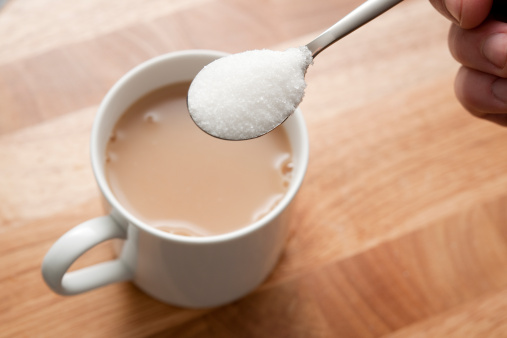
Nowadays, sugar has been refined to the state of a chemical-like substance. Indeed, when sugar cane is crushed and drained of all its liquid contents, boiled down to a syrup, shaken and then stripped of all its vitamins, minerals and molasses, all we are left with is pure white crystals.
This extraction and refinement process is similar to that of other addictive white crystals, that is, cocaine from the coca leaf, and opium from the poppy seed/pod. Thus, it is the refinement of sugar that significantly adds to its addictive properties (2). Over-consumption of sugar also creates chaos in the brain.

When you eat sugar, your brain releases dopamine and you start feeling good. The problem? Dopamine wears off quickly and you start looking for your next hit, giving into it and repeating this continuous cycle causes brain damage. This brings on the onset of depression, in turn making you crave more dopamine, so you eat more sugary foods, get high temporarily and this vicious cycle continues. And the addiction worsens. This is how it leads to a perpetual cycle of extreme cravings (3).
Sugar only harms your body and offers no value other than being an addictive agent. You must completely eliminate this harmful food product from your diet. You can replace sugar with :




The blog covers functional nutrition, chronic conditions, gut health, hormonal health, autoimmune conditions, sleep, mental health, and root cause analysis. Every article is written to help you understand what is actually happening inside your body, not just manage symptoms.
All articles are written by the content writers in collaboration with iThrive's clinical team of functional nutritionists, guided by the same methodology used in the ALIVE programme. The content is rooted in functional medicine and real clinical experience, not generic health advice.
No. The blog is an educational resource to help you understand your health more deeply. If you are experiencing symptoms or managing a chronic condition, a personalized Root Cause Analysis with a functional nutritionist is the right next step.
Book a Root Cause Analysis. For ₹2,500, a dedicated functional nutritionist will assess 60+ blood markers using optimal ranges and explain exactly what is driving your condition. It is the natural next step after reading about what might be happening in your body.
Yes. Many of our readers come with existing diagnoses and find the blog helps them understand why their condition developed and what their body actually needs. The articles are designed to give you clarity, not replace the guidance of a practitioner.