Articles to help you understand, manage, and improve your health.
Trending Post
Festive
Autoimmune Condition
Unexplained Symptoms
Mental & Brain Health
Root Cause Analysis
General Health
Digestive Health
Hormone Health
Mental Health
All Blogs
Supplements
All Blogs
read count
read time
Feb 7, 2022
Plant-Based Food - Making It Safe
Plants have a lot of anti-nutrients present in them. If consumed without taking proper steps to make them safe they can inadversely affect us. iThrive Functional Nutritionist shows the proper ways to making plant based foods safe.
Introduction:
Plant foods, nuts and cereals are important sources of vitamins and minerals, but they also contain antinutrients which reduce their mineral bioavailability and protein absorption. The reason behind this is the chelating properties of the antinutrients like oxalates, saponins, phytates, lectins, glucosinolates, tannins, etc. Apart from their effect on the bioavailability of nutrients, many antinutrients can be toxic, for example, oxalates or cyanogenic acid 1.
Legumes, vegetables and cereals have anti-nutritional factors such as phytic acid, tannin, and polyphenols that affect the bioavailability of proteins, and minor minerals such as zinc, iron, copper and major minerals such as calcium and phosphorus. Cereals and cereal products are rich in phytic acid content. The phytic acid concentration in wheat germ and wheat bran are 1.1-3.9 % and 2.0-5.3 %. The phytic acid content in rice bran is 8.7 %. Oilseeds (soybeans, sesame seeds, sunflower kernels, walnuts and almonds) also contain a fair amount of phytic acid 1.
Other antinutrients are tannins, oxalates and free phenolics. Tannins as well as free phenolics inhibit the digestibility of protein. Phenolic compounds also decrease the digestibility of carbohydrates and the bioavailability of vitamins such as vitamin B12 and minerals. They also decrease the activity of digestive enzymes such as trypsin, chymotrypsin lipase and α – amylase.
Star fruit, spinach, amaranth, bamboo shoot, almond, cashew, pine nut, hazel and peanut contain high levels of oxalates. Moreover, water spinach, Chinese wolfberry, black glutinous rice, rice bean, abalone fruit and Chinese Torreya fruit were also presented as high oxalate foods. The formation of calcium oxalate deposits in vital tissues or organs of the body can be fatal 1.
Simple treatments such as heating, soaking, germination, dehulling, cooking, fermentation or autoclaving can make most of the antinutrients ineffective. Germination and fermentation enhance the nutritional value of cereals and legumes by causing significant changes in chemical composition and elimination of antinutritional factors 1.
Processes Used for Bringing Changes In Antinutritional Content:-
Milling and Debranning:-
This method is used to remove the bran layer from grains. This technique removes the phytic acid content but has the disadvantage that it can also remove the major parts of minerals and dietary fibres 1.
Soaking:-
Soaking is an important daily practice and is important for helping in the germination and fermentation of cereals or pulses. The soaking process has positive physical and chemical effects on the structure of foods. For this reason, cereals such as chickpea, wheat and barley used in products in our daily life should be consumed after being soaked for a while. Soaking of cereals with endogenous or exogenous phytase increases in vitro solubility of minerals such as Fe and Zn by 2–23%. Soaking results in the activation of endogenous phytases. The endogenous phytases are present in grains naturally. So by activation of these enzymes with several treatments such as soaking it has been reported that a significant amount of phytic acid content in grains has been removed. The soaking of grains and beans is quite effective for increasing mineral and protein bioavailability as well as reduction of phytic acid 1.
Fermentation:-
Fermentation also decreases the levels of antinutrients in food grains and increases the minerals extractability, in-vitro protein digestibility and nutritive value of grains. The phytic acid is present in grains in the form of complexes with metal cations such as Zn, Fe, Ca and proteins. It reduces amounts of phytic acid, tannin, polyphenols with fermentation treatment and it increases food’s mineral bioavailability and digestibility 1.
Germination:-
This process helps in the degradation and declines antinutrients like phytic acid from the grains. In a study conducted by Marshall et al. (2011), cereal grains were screened for phytic acid content and it was found that germination for 10 days resulted in a significant reduction in the phytate contents of all cereal grains screened 1.
Conclusion:
These processing methods along with many more, help in significantly decreasing the antinutrients content. They also help in improving the nutritional quality of the food 1.
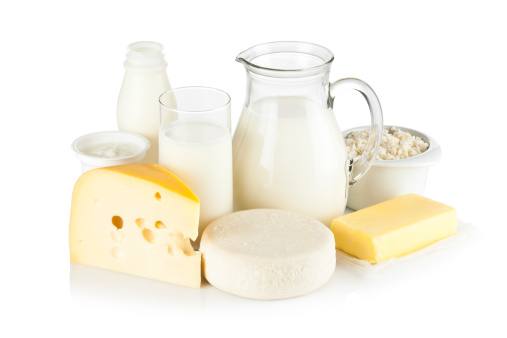
Amid the rise of plant-based diets, many people wonder whether about the pros and cons of dairy consumption. iThrive's blog is here to tell you the benefits, downsides, and nutritional profile of dairy.
We have been told since the beginning of time about all the health benefits of milk and related products, especially how they are good for your bones. But let us break the bubble because there is a whole different side to this story. The dairy products you have been consuming all this time have negative effects as much as positive ones.
Here are 13 negatives of consuming milk and all the other dairy products.
1. Milk protein and diabetes
Beta casein A1, a protein present in milk, is directly linked to causing Type 1 Diabetes. Research reveals that the risk develops due to exposure to milk early in life 2.
2. Toxins and Contaminants
Certain compounds may find their way into milk indirectly through dairy animals as residues of pesticides (DDT, lindane, dieldrin, etc.) on feeds/fodder. Several of these compounds get stored in the milk fat and are secreted with it. Contaminants may also enter milk directly as a consequence of hygienic or industrial practices (e.g., detergents and sanitisers/disinfectants), or as adulterants as in the case of melamine (often found in plastics and food contact materials and can harm the kidneys and urinary tract) 3.
It is very common for milk to contain residues of pharmacologically active substances (PAS), which have undesirable effects on the quality and technological properties of dairy products and also, more importantly, on your health. Apart from the ones mentioned above, hormones like estrogen are injected into the animals to increase the yield. While some amount of estrogen is also present in the cow’s body which can lead to its further passage into the human body. Externally elevated estrogen administration is known to have negative impacts on human reproductive health and is linked to causing cancers.
3. Dairy and Insulin resistance
Insulin is the only hormone in our bodies that helps in lowering blood sugar levels. The casein present in all the dairy products poses a threat to Insulin resistance, meaning our bodies resist insulin, thus leading to high blood sugar levels.
4. Cancer
Consumption of dairy products has been linked with a lot of different cancers. Studies have found positive cases of prostate cancer and colorectal cancer in men consuming milk daily.
A large study done on women found that those who consumed the highest amounts of cheddar cream cheeses had a higher risk for breast cancer 6. Dairy intake can also lead to the development of ovarian cancer. The reason is believed to be the conversion of milk sugar (lactose) to galactose, a sugar that may be toxic for the ovarian cells 7.
5. Addictive substances
Using the Yale Food Addiction Scale, designed to measure a person’s dependence on substances, scientists found that cheese is particularly potent because it contains casomorphins (Casein derived Morphine-like substance)- the substance, which is present in all dairy products, can trigger the brain’s opioid receptors which are linked to addiction.
It has also been found that Casomorphins can destroy pancreatic beta cells, cells that are responsible for making Insulin. This destruction can lead to Type-1 Diabetes. Also, they have the potential to kill your body’s immune cells, subsequently causing autoimmune disorders 8.
6. Lactose Intolerance
In a recent article published in The Times, 60% of the Indian population was found to be lactose intolerant without even realizing the same. Lactose intolerance is the inability to digest milk sugar called lactose. Nursing children make enzymes that break down lactose, but as we grow up, many of us lose this capacity. As a result, lactose is not absorbed but remains in the intestine where it causes symptoms which include upset stomach, diarrhoea and gas.
7. Allergies
Cow’s milk is among the first foods introduced into an infant and accordingly is one of the first and most common causes of food allergy in early childhood. Various respiratory (wheezing, coughing, asthma) and gastrointestinal (abdominal pain, nausea, vomiting, diarrhoea) discomforts and rashes on the skin are some of the symptoms that have been observed 9.
Contaminated milk can cause allergic reactions or indirect problems through bacterial resistance to clinical treatments. Cow’s milk contains 30 different proteins, of which Casein constitutes 80% share. The allergic reactions upon milk consumption are thought to be because of this milk protein, termed as cow’s milk protein allergy (CMPA) 10.
8. Effects on infant and child health
Cow Milk (CM) allergy impacts infant and child health. Besides, Colic is an additional concern with milk consumption probably due to either Casein allergy or Lactose intolerance. Colic is a process in which an infant has inconsolable outbursts of crying for more than three hours per day, more than three days per week and for longer than three weeks. Possible treatment options include restriction of any form of milk or dairy product consumption by the breastfeeding mother as the allergens can be passed on from breast milk to the baby and further aggravate the problem.
9. Not-at-all-healthy-bones
To assume that weak and brittle bones are due to calcium deficiency is like assuming that infection is due to penicillin deficiency. These impotent bones are not due to calcium deficiency but rather due to the excretion of too much of what you already have. This breakdown of calcium is due to the overconsumption of proteins. Dairy products, as we all know, contain good amounts of proteins and excess protein tends to leach out calcium, to buffer the renal acid load caused by proteins 11.
Also, it has been found in an ample number of studies that milk compounds like beta-casein and D-galactose can negatively impact bone health due to their capability of causing inflammation 12. Also in another study, it was concluded that several other nutrients such as Vitamin D, Vitamin, K along with Calcium play an important role in the cascade of strengthening the bones.
10. Dairy and skin problems
Dairy products, especially milk allergy, can manifest as Eczema along with other symptoms. Psoriasis is a condition in which there are dry, itchy, scaly patches on the skin and is thought to be caused by immune system problems and infections. Dairy products can be triggers for such skin problems because of their capability in causing inflammation and infections.
11. Dairy products and infections
Developing countries like India face greater challenges as a result of incorrect processing or storage of dairy products. Being rich in protein, dairy products represent a transmission hazard for a large number of pathogens and can be responsible for outbreaks of infections like brucellosis, listeriosis, tuberculosis, etc 14.
12. Harmful for Adults
Besides humans, no other organism drinks milk beyond it's natural age of weaning or drinks the milk of another species. Any type of milk whether it is A1 or A2, pure and farm-fresh or organic, does not suit the nutritional needs of humans, so it’s no wonder that consuming it and its derivatives causes us so many problems.
Is gluten a benefit or a harm to the body? The quick answer is that it can be either, but it all depends on the individual. know more by visiting iThrive's blog.
Many know gluten is bad for health. But what exactly is gluten?
Gluten is the main storage protein of wheat grains. It is a complex mixture of hundreds of related but distinct proteins, mainly gliadin and glutenin. Similar storage proteins exist as secalin in rye, hordein in barley and are collectively referred to as “gluten” 1.
Just like dairy intolerance, many are intolerant to the gluten protein and consumption of it triggers negative reactions immediately or can manifest as a chronic disease in the long run like-
Celiac disease (CD): Gluten has been identified to trigger celiac disease (CD)1. CD is an autoimmune disease of the small intestine, meaning the immune system fails to differentiate between self and foreign molecules in the body and ends up destructing the villous structure of the small intestine. Celiac disease has increasingly been considered as a multi-organ disorder, often presenting with diarrhoea, malabsorption syndrome and weight loss, and has been linked to several diseases including other autoimmune disorders 5.
Wheat allergy: Wheat allergy is the sensitisation of the immune system to wheat protein allergens and occurs within a few hours of consumption. The symptoms may include swelling, itching or irritation of the mouth or throat, hives, itchy rash or swelling of the skin, nasal congestion, headache, difficulty breathing, cramps, nausea or vomiting, diarrhoea and anaphylaxis. Wheat ω5-gliadin is the main allergen of gluten and it induces ‘wheat-dependent exercise-induced anaphylaxis’. Wheat-dependent exercise-induced anaphylaxis is a severe life-threatening allergic reaction to the consumption of wheat that occurs after exercise and needs immediate treatment 2.
Non-celiac Gluten Sensitivity (NCGS): NCGS is characterised by intestinal and extraintestinal symptoms related to the ingestion of gluten-containing food in individuals who are not affected by either coeliac disease or wheat allergy. Currently, there is an absence of any reliable biomarkers, therefore, NCGS remains a diagnosis of exclusion3.
Gluten proteins are highly resistant to digestion by enzymes of the human gastrointestinal tract. It results in the emergence of pathogenic peptides, which cause CD and allergy in genetically predisposed people 2. Adapting a Gluten-free Diet is the most common and effective way to detoxify gluten peptides 2.
B. GMO & Cancer
Wheat, which is the main component of bread, is a victim of genetic engineering. To prevent the grain from destroying pests, scientists "implant" a gene that makes the plant resistant to them. An experiment carried out with rodents showed that the rodents that were fed by grain, containing modified genes, had low levels of haemoglobin & erythrocyte and their immunity also decreased. Optimal immune function is essential for fighting off cancer cells. Gene modifications change blood quantity hence affecting the general condition of the body. As a result, tumours are formed, but there is no "antidote". Hence the number of cancer patients has increased recently 4.
C. Thyroid dysfunction
According to the international medical bibliography, Autoimmune Thyroid Disorder and CD are associated. This might be partly explained by the increased immune sensitivity of CD patients by the deficiency of key elements such as selenium and iodine either due to malabsorption or due to antibodies that affect both thyroid and intestinal tissues. Hashimoto’s Thyroiditis patients with or without CD benefit from a diet low in gluten 5.
iThrive ALIVE is a personalised 12 week program that helps you reverse your chronic conditions, prevent the onset of diseases and live a sustainably healthy life. It is designed by India's renowned Functional Nutritionist and ted talk speaker Mugdha Pradhan who helps treat people through Functional Nutrition using Root Cause Analysis approach.
As the name suggests, this is a program that helps you feel ALIVE. But what exactly does being alive mean; Is it simply not dying?
Being alive means living to your full potential. Living the healthiest and happiest life you could possibly imagine. That is what being alive really is, being physically, mentally, emotionally, physiologically and spiritually healthy. And this is exactly what iThrive helps you obtain in its program ‘ALIVE’. It helps you be alive and not settle for anything less than being at the pinnacle of your health.
What is iThrive ALIVE?
iThrive ALIVE is a program designed by India’s leading Functional Nutritionist Mugdha Pradhan and her band of healers. It is a research-backed 12 week gamified program whose end goal is to help you achieve a lifetime of optimum health. In these 12 weeks, you will work on helping your body improve its functioning by restoring it to its ideal state through the help of Functional Nutrition and Root Cause Analysis approach.
Optimum health denotes achieving the best level or state of emotional, spiritual, social, physical, and intellectual health. It means having the tools to live a sustainably healthy life or in simple terms, it means having the tools to get your body back in a state of optimum health whenever it falters.
The ALIVE program helps people reverse their chronic lifestyle diseases, get rid of medications, prevent the onset of genetic and age related disorders, become mentally healthy and more. All in all iThrive ALIVE helps you reach your health goals, however impossible it may feel.
Functional Nutrition is a branch of holistic healing that uses the principle that almost all health problems and diseases have an underlying reason for their origin. It does not diagnose and treat depending on the symptoms or the name of the disease alone, as conventional medicine does, but rather digs deep into a person’s blood work (Root Cause Analysis).
Just like no two individuals have the same fingerprint, no two individuals have the same genetic, physiological, physical and mental makeup. And the reason why Functional nutrition takes a more personalised approach when it comes to healing. After all, individuals also have differing lifestyles, be it their food habits, clothes they wear, sleep cycle, fitness routine and more, which contribute to their health.
Also, food and fitness are not the only contributors to good health. One can achieve optimum health when they work on all parts contributing to the working of the body like mental health, safe environment, nutritional requirements, sleep cycle, etc. The reason being the human body is an interconnected web of structure where each cell has to work optimally for the whole body to function at its best. A slight irregularity in one single cell or organ can lead to major health disorders.
If you provide your body with the ideal environment it has the intelligence to restore itself, heal your disorders and even reverse chronic diseases.
This is all done with the help of Root Cause Analysis.
Root Cause Analysis (RCA)is similar to a doctor diagnosing a person by analysing their blood report. To get rid of health problems one must first dig deep to find the reason behind the origination of the problem i.e. the root cause. And yes, similar to conventional methods of diagnosing the root cause is diagnosed by analysing the blood reports with a huge distinction, it uses optimal ranges.
When a blood report is given a doctor makes his/her diagnosis using the referral ranges given in the report whereas a Functional Nutritionist will make a diagnosis based on optimal ranges. The difference between the two ranges is that the referral ranges shown are based on tests taken a long Long time ago and were conducted on a large and random population (95% of the population) without taking into account crucial health factors such as age, gender and health status, let alone the effects of diet, lifestyle and medication. On the other hand, Optimal ranges are taken by conducting tests on a group of people who are optimally healthy and are updated every few years.
Another difference between the two ranges is that Reference ranges are also way too wide while optimal ranges are narrower and more precise. For eg, Your blood reports might show parameters that are in range but if they are on the extreme sides of the range, optimal ranges report it as an anomaly.
With numerous FAD diets and fancy programs out there, why should one choose a 12 week program when those other diets promise transformation in just a month?
Well, the choice is yours. Are you just looking for ways to lose weight by counting calories or wish to redefine your life by getting rid of your problems from the root? Because this takes time. One cannot drink a gallon of water at a time and expect the body to go all day long on it. It is more advisable to take little sips every once in a while.
Mugdha always says, “Healing takes time, it can take weeks or months with plenty of hard work- know in your heart that the wait will be worth it.”
Similarly, when it comes to healing a body it takes steps to accomplish it. You first start by making yourself accustomed to healthy habits, which again takes time. This will in turn help your body get rid of all the toxins, negativities and other anomalies present in it. Now, the body is primed to take in different advantageous elements which will help it start restoring its function to its original and optimal state.
How Does iThrive ALIVE Work?
The main motto of this program is to make and keep a person healthy without putting physical or mental pressure.
The one way to ensure this is to inculcate healthy habits in one’s routine without changing it completely. For eg, if every meal you eat is followed by dessert we will recommend alternative ingredients you can use to make the said dessert or choose the right kind of dessert to eat.
Another facet of this program is that it works on every aspect of a person’s life and does not focus only on one or two parts of it. Just focusing on a person’s diet and fitness does not make them healthy. To be healthy one’s entire being should be in sync. In other words, a person is healthy if they are mentally healthy, have a great nutrition plan, inculcate movement in their routine, live in a safe environment and more. So, this program is personalised and customised for every individual as per their eating habits, lifestyle choices, fitness routine and more.
iThrive ALIVE is not a diet, it's a way of life
Additionally, the newest and major point this program focuses on is making being healthy fun. Anything that children learn for life is usually through a state of play. As adults, many forget how to do this. In all the adulting done people forget how to be playful, how to be joyful with everything, and it’s the same when it comes to improving health. It is done with such a high level of seriousness that everyone is just afraid. There's so much resistance and it feels boring.
So iThrive ALIVE taking this into account has taken the boring out and brought the fun in. It not only has fun games and challenges but also has satisfying reward systems in place. This means each step you take is with determination and excitement of what comes next.
The goal of the program is that you feel so alive by the end of the 12 weeks that you're full of energy and are vibrating at a very high level. And all that you experience is the meaning of what it means to be a human brimming with life.
read count
read time
Jan 31, 2022
Seed Oils - an Alarming Concern!
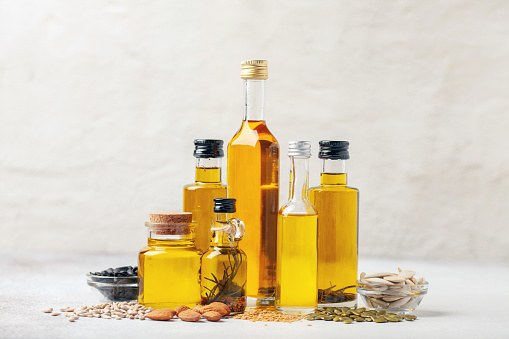
Vegetable and Seed Oils are highly processed oils that are easily damaged during cooking. Research suggests that they can cause harm. Do visit iThrive's blog where you will get all the information you want about Functional Nutrition.
Seed Oils are a type of vegetable oil that is extracted from plants. Some common examples of seed oils are soybean oil, sunflower oil, cottonseed oil, sesame oil, rice bran oil, peanut oil etc. 1.
Seed oils consist of Polyunsaturated fatty acids (PUFA), which are Omega 3 and Omega 6 fatty acids to name a few. In earlier studies, polyunsaturated fatty acids were linked with reduced risks of heart problems but many scientists are now concerned with the amount of omega-6 fatty acids present in them. Omega-3 on the other hand is considered beneficial for health 1. It has been studied that if we take too much omega-6 compared to omega-3, we are more likely to suffer from chronic inflammation.
Chronic inflammation and oxidative stress in our body account for the risk of most diseases like heart diseases, atherosclerosis, diabetes, hypertension, arthritis, obesity and inflammatory bowel disease 1.
Another reason why polyunsaturated fatty acids are considered unhealthy is that the double bonds present in these types of fatty acids are more susceptible to oxidation. On heating at a high temperature, these oils get oxidised and unstable and tend to get rancid. The fatty acids react with the oxygen in the atmosphere and lead to the formation of free radicals and oxidative stress in our bodies. And as a result, chronic inflammation persists 1.
What is to be noted is that these fats along with getting stored for energy, also go to the cell membranes. Hence, the cell membranes also get sensitive to oxidative stress and inflammation when we consume excessive amounts of polyunsaturated fatty acids. In other words, these oxidised fats can be toxic and harmful to your body even at the cellular level 1.
Seed oils undergo many processing techniques at the manufacturing level, such as hydrogenation, and often form trans fats due to changes in their chemical structure. These trans fats are found in many processed foods, margarine, ice cream and cookies, etc. 1.
The double bonds in these polyunsaturated fatty acids of the seed oils are more chemically reactive and sensitive to heat. In comparison, saturated fats and monounsaturated fatty acids are a bit resistant to heating, and hence can be suggested for cooking 1.
Coconut oil is considered to be best in it's virgin forms, and not refined. Even Butter and Ghee are good as they contain low amounts of Polyunsaturated fats. 92% of coconut oil has saturated fats and only 1.6 % of Polyunsaturated Fatty Acids which makes it resistant to heating. Butter has just 4% of polyunsaturated fats only. These oils have more resistance to heat, and can raise the HDL or good cholesterol in our bodies.
It has always been controversial and debated the comparison between the use of saturated and unsaturated fats. The latest studies say that saturated fats when used in optimal quantities can be advised as they are resistant to heating and oxidation. The same is studied about monounsaturated fats. Seed oils have excessive amounts of omega-6 (a type of polyunsaturated fatty acid), undergo a lot of processing and get easily oxidised and cause inflammation 1.
In conclusion, coconut oil, butter, and ghee are the best forms of oils and soybean oil, sunflower oil, groundnut oil, sesame oil, rice bran oil, etc are seed oils that must be avoided due to their toxic compounds 1.
The process of producing Ultra Processed Foods includes fractionation of whole foods and adding salt, sugar, oils, and fats. these foods has led to an increased risk of lifestyle-related disorders, cardiovascular disorders, obesity and more. iThrive is Functional Nutrition Company which will help you to solve such issues do visit us to know more.
We Keep Hearing Or Reading That Processed Foods Are Harmful To Our Health. But Are They All Bad?
Many foods which are mechanically processed through grinding, heating or pasteurising are not harmful as they do not contain any added ingredients such as refined or artificial ones 1.
Processed foods are also called convenience foods as they require less time and effort by the consumers in preparing and consuming them and are also cheaper.
These foods are detrimental for health because they have high amounts of added sugars, added salts, and very low dietary fibre, proteins, vitamins and minerals 1.
These foods have led to increased rates of lifestyle-related disorders like obesity, diabetes mellitus, PCOD/PCOS, thyroid issues, gut health issues and micronutrient deficiencies. Moreover, they have contributed to the triple burden of malnutrition (overnutrition, undernutrition and micronutrient deficiencies) worldwide 1.
A recent study reported that increasing the consumption of processed foods by 10 per cent results in a 10 per cent increase in the risks of cardiovascular diseases and cerebrovascular disorders 1.
What experimental studies have shown is that these ultra-processed foods are capable of inducing high glycaemic responses and low satiety potential. They also affect our gut environment by causing inflammatory diseases that trigger our gut 2. Along with deterioration of overall nutritional quality of diet, ultra-processed foods are causing metabolic syndrome, gastrointestinal disorders, and even breast cancers 2.
The process of producing ultra-processed foods includes the fractionation of whole foods and adding salt, sugar, oils and fats. Foods that are known to cause inflammation such as corn, wheat, soya are mostly used in such foods along with preserved animal meats. These food substances undergo procedures like hydrogenation, hydrolysis or other chemical modifications. To increase the palatability of the ultra-processed foods, colours, emulsifiers and additives are added to them 2. Such as:
Many forms of added sugars like high-fructose corn syrup, fructose, fruit juice concentrates, invert sugar, maltodextrin, dextrose, lactose, etc. are shown in the name of sugar in the ingredient list of the ultra-processed foods.
Modified oils like hydrogenated oils and hydrolysed proteins are used.
Additives like flavour enhancers, emulsifiers, salts, sweeteners, thickeners, anti-foaming agents, bulking agents, carbonating agents, foaming agents, gelling agents, and glazing agents are added to enhance the flavour, taste, smell and other sensory properties of the foods 2.
The main reason why ultra-processed foods have attracted so much of the population is that they are low-cost ingredients, highly palatable, have long shelf-life, save time, are imperishable and ready to consume 2.
The nature of processing and the types of ingredients added are the reasons why these ultra-processed foods are found to be unhealthy. The way these foods have replaced organic and real foods has led to an increased risk of lifestyle-related disorders, cardiovascular disorders, unwanted weight gain and eating disorders in the majority of the population worldwide 2.
So, think and choose your food, for then you will choose your way of life!
The popular protein-rich superfood that every vegan stands by is, unbeknownst to most, one of the most dangerous food products that one can consume. It is more harmful than useful.
Introduction :
Soya bean has, for a long, been heralded as a valuable source of complete nutrition, so much so that not only the bean but the use of its derivatives is also soaring.
To date, the popular soy products/derivatives in the market are:
The hype about soy has increased to such an extent that it is now being used as a substitute for meat. Soy is a key product in plant-based meat, commonly known as ‘mock meat’ or ‘fake meat’. Textured soy protein acts as a meat extender and hence, is extensively used for the production of meat alternatives.
But are the beneficial health claims for this so-called ‘protein-rich, cholesterol-lowering, heart disease and breast cancer-preventing, superfood’ true? Well, not all!
Dangers of Soy :
Anti-nutrients: Although soy is packed with nutrients, these are of little use for your body because of the presence of ‘antinutrients’. Antinutrients are plant compounds that reduce the body's ability to absorb essential nutrients. Soya bean is one such food commodity that contains almost all the antinutrients there are. From oxalates, phytates, lectins, protease inhibitors, saponins, and glyphosates to the deadly mould toxins, each of them is present in soy.
These antinutrient compounds are linked with several negative health impacts, viz.,
Affects the availability of nutrients (Iron, Zinc, Calcium, Copper)
Potent Allergen: Soy is an allergenic food and some individuals are allergic to soy and its derivatives. Hence, soy foods require labelling when used as an ingredient in compound foods.
Phytoestrogen: Phytoestrogen is a compound naturally present in plant-based foods and abundantly in soy. It is known to have feminizing effects on men. In a case report on gynecomastia (enlargement of breasts in men) associated with soy consumption, it was noted that the man’s breast tenderness resolved upon stopping the consumption of soy.
Genetically modified organisms (GMOs): GMOs are organisms (i.e. plants, animals or microorganisms) whose genetic material (DNA) has been altered in a way that does not occur naturally by mating and/or natural recombination. Foods produced from or using GM organisms are often referred to as GM foods 1. Some soy varieties in the market are genetically modified, further questioning their use.
More than 85% of soy grown comes from seeds, the DNA of which has been altered for increasing higher yields, and this crop plays a major role in countless processed foodstuffs from soda and salad dressing to bread.
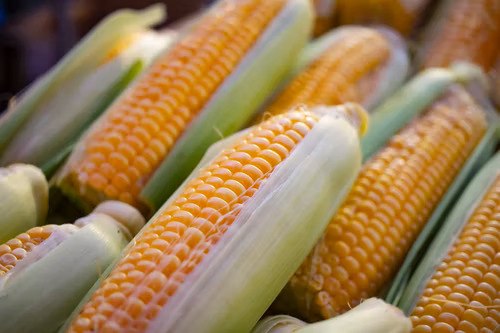
Corn is one of the leading cereal crops in world. iThrive is Functional Nutrition Company which will help you to reverse chronic diseases. visit our blog to know more.
Introduction to Corn :
Corn, also known as maize to many people, is one of the leading cereal crops in the world. Corn became the world leader about 10 years ago due to the development of high-yielding regular and genetically-modified genotypes and its wider adaptation to different ecosystems. But this is what has made it harmful 2.
Health Hazards of Corn :
Genetically Modified Organisms (GMOs)
GMOs are organisms (i.e. plants, animals or microorganisms) whose genetic material (DNA) has been altered in a way that does not occur naturally by mating and/or natural recombination. Foods produced from or using GM organisms are often referred to as GM foods 3. A large number of corn varieties now available in the market are genetically modified 1.
More than 85 per cent of the corn comes from seeds, whose DNA has been recreated for increasing higher yields, and this crop is the main ingredient of countless processed foodstuffs; from soda and salad dressing to bread. Advocates consider that genetically modified (GM) foods allow farmers to produce more foodstuffs with fewer chemicals: that means a cleaner environment and cheaper groceries for all of us. But the question remains: what impact do GMOs have on our health?
Allergy:
Components that are planted with the gene for corn cause allergies in humans. These allergens accumulate in the human body for years and negatively affect both the health of the one who consumes the GM corn and of their offspring.
A Healers Destiny- Why 2023 Is Your Year To Reclaim Your Power Back!
Every human being has the ability to heal themselves & nurture others, we all have access to healing energy, thoughts, intentions & many more things with which we can heal ourselves read ithrive's blog to know more!
2020 and 2021 has beyond doubt proved that the world we live in desperately needs more healers. Sure, every human has the capacity to heal ourselves and nurture others. We all have access to healing energy, thoughts, intentions and yet some of us are better at this than others. Undoubtedly we are individual expressions of the life force, but we all have different paths, and not all of us feel called to healing practices. And then, there are some of us, created only for this Purpose- to be Healers.
Who is a Healer?
Healer is someone who just feels a pull toward service of a different kind. A pull towards helping other humans, you see healers have this unique and innate ability to transform energy. And the pull is magnetic, you can sense it, feel it and it makes you want to take lead when the collective suffers and struggles with disease- whether physical, mental, emotional, spiritual. This article is for those of us- my fellow Transformer beings, soul sisters and brothers, this one's for you. But before we proceed, here are some signs that might indicate if you are a healer or not.
1. You Are Very Sensitive, To People, To Spaces, To Energies Overall
highly sensitive people
You’ve often been told you are over-sensitive and you truly are, you get overwhelmed and frazzled easily especially when out in public or in extensive social interactions. Sometimes you may wonder if you are insane because you feel things others don't feel, see things others don't see, hear things others don't hear, smell things others don't smell, and sense things others don't sense. You have the most vivid dreams. Well, No- you aren’t insane. You are designed like that. Like I am!
“Sensitive
There are some of us
That feel so much
That we wish we’d
Stop feeling
And just become numb
You don’t know
That your feeling everything
Is a superpower
It’s your brand of magic
That yet didn’t die out
Despite the world trying hard
It’s your job to
Keep it alive at all costs”
2.You Genuinely Like Being Alone But You Also Love People And It Confuses You
You will be naturally drawn to other humans, because it's in your design to heal them but surprisingly it also drains you out.
The more time you spend with others, the more you feel the need to retreat to your own space, work on yourself, meditate and be alone. You might call yourself an introvert. That’s just a label, your alone time is when you recharge and it's literally how you are able to be present again and again to those who need you when they need you in their pain and suffering.
3. You Are Incredibly Empathetic
When anyone needs advice, you are the first one they text, call or meet. Just interacting with your energy makes people feel better about themselves or the situation they are stuck in. Your empathy is one of your transformative superpowers, you can feel what they feel and also change their energetic state. Usually taking them from a lower vibrational place to a higher one. Your ability to transform emotions can bring solace and peace to anyone stuck in darkness.
4. You’ve Been Looking For Love For As Long As You Remember
Love is the greatest healing force on this planet and from the time you were a little girl/ little boy you’ve been looking for all forms of love. You’ve people pleased, bent over backwards, sacrificed your own needs and desires just so that you’d receive a glimmer, a reflection, an iota of love and often were unsuccessful in finding it. You know in your heart that love is the balm that everyone needs for their healing and if you only could invoke enough of it in a person, they’d heal on their own. You’ve often paid the price for this exploration by losing sight of the love you need to hold sacred for yourself.
5. You’ve Had To Repeatedly Heal Yourself
From physical ailments to emotional trauma, you’ve survived what most wouldn’t because your healing journey makes you more sensitive to others' plight. In some indigenous cultures, the healer in a village was typically someone who had survived an “act of God,” such as being struck by lightning, or who had a deformity or illness that was supposed to kill them but didn’t. In your case it might not be lighting but childhood abuse, life threatening illness or a near death experience that set you off on this journey. Healed people heal people. This is true.
If you went through this mini-list nodding your head all the time saying “Yes, that’s me”, it’s time you read the rest of this article.
Why Did I Write This?
Because one of the biggest tragedies to me personally as a healer is to witness the birth of other healers and see them get hurt and traumatised by the world so much, that they get broken repeatedly and they entirely forget their purpose, their true design and their ability to be able to heal other people. I've seen this happen over and over where a healer just gives up on themselves out of their own free will and the world is left one healer short. It feels extremely sad and there’s a sense of powerlessness I experience when I witness this.
Powerless because this is a universe of free will, which means if you choose to deny your purpose, your larger purpose, your role in the grand design, the very reason why the Creator created you- if you choose to deny that out of freewill you will experience the painful consequences of that choice.
Which primarily is that your entire existence starts falling apart. Because you were created with a purpose, you were created with the ability to heal other people, you are created with the ability to bring transformation in other people's lives and you deny yourself that purpose, there is no reason for you to exist. You will subconsciously begin to self-destruct. The Universe will very kindly help you in this.
How Do I Know This?
Well, been there, done that. This happened to me too. There was a time when I actually lived how the world/ society at large wanted me to live. Good daughter, good wife, good daughter-in law, good employee, good citizen, good mom, good employee.. Checking off every label with top marks, living in a quagmire of toxic, passive-aggressive relationships that broke my heart multiple times. What was even worse than that though was that I had no purpose for my existence. Sure enough subconsciously I was on a suicidal path. I had an autoimmune condition that was destroying my body because my body was like,
“Hey, if you don’t have the courage to live your purpose, why should I even exist, right? Like I'm here to host your consciousness, I'm here to host your soul. Hello! If you're not doing your soul's purpose, then I am going to self- destruct and I'm going to help you say bye-bye to this sucky world”
That is what my body was doing.
The thing is, I see this happen with a lot of healers. They get stuck in the materialism of things, in societal conditioning, in the programming of how they should look, how they should behave, what kind of life they should live, what their houses should look like, which branded clothes and shoes they should be wearing etc. They get stuck in this without really understanding that the universe created them with a very specific purpose.
The universe wants to grow, the universe wants to evolve. That evolution requires energy. The Energy of Transformation. We healers are fragments of her, beautiful fragments of her, designed to fulfill that purpose, designed to bring light into the darkness. And if you forget that you are meant to hold his light, that you are meant to transform the darkness not just in yourself but within other people by just lighting up their path with your light, if you forget this, your life is going to be mostly filled with a lot of pain and trauma and unhappiness because through these the Universe is whispering, speaking and sometimes outright yelling at you that you’ve missed your path.
I'm not saying pain doesn't enter your life even if you start living your purpose as a healer, but you will learn how to deal with it. You will be given assorted tools, techniques and gifts so that you learn how to transform that pain and suffering into Love. And through your own journey you will be able to create transformations for others.
That’s why this article. I am calling out to all my healer sisters and brothers, it's time to step into your power as healers. I know the world out there tries to break you down. Don’t. Wake-up to your power. To your Purpose. Rise up and let’s heal this world of its darkness forever. In my next article I will share practices that helped me wake up to my own power, so that in 2022 the Healers of this world can reclaim their power back.
Sign up for the iThrive Newsletter practical nutrition, wellness insights, and habits that actually work.
Thank you! Your submission has been received!
Oops! Something went wrong while submitting the form.
No spam. Unsubscribe anytime.
FAQs
What topics does the iThrive blog cover?
The blog covers functional nutrition, chronic conditions, gut health, hormonal health, autoimmune conditions, sleep, mental health, and root cause analysis. Every article is written to help you understand what is actually happening inside your body, not just manage symptoms.
Who writes the articles on this blog?
All articles are written by the content writers in collaboration with iThrive's clinical team of functional nutritionists, guided by the same methodology used in the ALIVE programme. The content is rooted in functional medicine and real clinical experience, not generic health advice.
Is the information on this blog a substitute for medical advice?
No. The blog is an educational resource to help you understand your health more deeply. If you are experiencing symptoms or managing a chronic condition, a personalized Root Cause Analysis with a functional nutritionist is the right next step.
I read an article and want to take action. What should I do next?
Book a Root Cause Analysis. For ₹2,500, a dedicated functional nutritionist will assess 60+ blood markers using optimal ranges and explain exactly what is driving your condition. It is the natural next step after reading about what might be happening in your body.
Can these articles help me if I have already been diagnosed?
Yes. Many of our readers come with existing diagnoses and find the blog helps them understand why their condition developed and what their body actually needs. The articles are designed to give you clarity, not replace the guidance of a practitioner.
Talk to our team
Thank you! Your submission has been received!
Oops! Something went wrong while submitting the form.
Download Now
Thank you! Your submission has been received!
Oops! Something went wrong while submitting the form.



.svg)