Articles to help you understand, manage, and improve your health.
Trending Post
Festive
Autoimmune Condition
Unexplained Symptoms
Mental & Brain Health
Root Cause Analysis
General Health
Digestive Health
Hormone Health
Mental Health
All Blogs
Supplements
All Blogs
read count
read time
General Health
Jun 18, 2025
From Signal to Sabotage: What Triggers the Immune Assault in Multiple Sclerosis?
Explore how Functional Nutrition uncovers root causes of Multiple Sclerosis, from gut health to immune triggers. Learn iThrive’s natural, science-backed healing strategies.
Overview Of Multiple Sclerosis as an Autoimmune Condition
Why Understanding Immune Miscommunication Matters
Imagine waking up with strange muscle weakness, tingling in your limbs or blurred vision, only to be told that your immune system is attacking your brain and spinal cord. This is the lived reality of someone with Multiple Sclerosis, a neurological autoimmune disease that turns the most protective force of the body-its immune system, into a silent saboteur.
Globally, more than 2.8 million people live with MS, yet its triggers and causes remain widely misunderstood. What makes this particular disease complex is that it does not follow predictable paths. For some, it starts with sudden fatigue or blurred vision. For others, it might manifest as cognitive fog or difficulty in walking. But at its core, Multiple Sclerosis is an autoimmune disease-a case of mistaken identity, wherein the immune system wrongly attacks the protective myelin sheath covering the nerve fibres, resulting in inflammation, nerve damage, and disrupted communication amongst the brain and the body.
So what causes Multiple Sclerosis?
Is it genetics, infections, nutrient deficiencies, environment-or all of these? Functional Nutrition helps us ask better questions and iThrive pioneering this line of inquiry in India.
Studies have confirmed that immune system dysregulation starts long before the obvious symptoms arise, recommending that early intervention could alter the course of disease and its progression.1 Miscommunication amongst immune cells results in chronic inflammation, specifically in genetically predisposed individuals. At iThrive, this kind of evidence becomes one of the springboards for deeper investigation into MS flare-up causes, from viral infection to gut dysbiosis to vitamin D deficiency and chronic stress.
iThrive’s Functional Nutritional Lens
But here is the silver lining: your body wants to heal. Through the lens of Functional Nutrition, we ask: Why is the immune system behaving this way? What is confusing it? How do we calm the chaos? By finding and resolving the signals that set off the Multiple Sclerosis immune attack, we restore balance rather than suppressing function.
Our signature ALIVE 2.0 program uses around 55+ blood markers to map your bio individual terence.
In this blog, we will explore exactly how multiple sclerosis starts, uncover the hidden triggers and reveal how integrated, root cause focused strategies of iThrive can prove to be game changers. From healing the gut to detoxing the brain, we will be sharing how science and ancestral wisdom come together to calm the immune system naturally.
So, whether you have been diagnosed with Multiple Sclerosis or are navigating early neurological symptoms, this is your sign to dig deeper. You are not broken, your body is speaking. And iThrive is here to help you listen and heal.
Decoding the Immune System’s Misfire
Role of T Cells and Myelin
Under normal circumstances, T cells- the elite defenders of the immune system act as the guardian, recognising and eliminating all the harmful pathogens, viruses, and even the mutated cells. In Multiple Sclerosis, these guardians often lose their sense of self. Instead of defending the nervous system, they start targeting it, specifically the myelin sheath, the protective covering that insulates the nerve fibres in the brain and the spinal cord.
To understand the impact, picture your nerves as electrical wires. Myelin acts like the plastic insulation all around those wires, permitting rapid and efficient transmission of signals from the brain to the rest of the body. When the T cells mistakenly attack this myelin, the process known as demyelination begins. This disrupts the entire flow of neurological signals eventually causing misfires, delays and entire blockage in communication amongst neurons. This is why individuals with MS witness wide variety of symptoms involving muscle weakness, numbness, brain fog, fatigue, as well as visual disturbances.
What is crucial to know is that inflammation is the spark – that is the starting point of this entire autoimmune cascade. In genetically predisposed individuals, environmental triggers such as chronic stress, exposure to heavy metals, gut dysbiosis or viral infection can confuse the immune system. This persistent immune activation results in a maximised inflammatory state in the central nervous system, which not just drives demyelination but also results in neurodegeneration over the period of time.
By soothing the immune system and supporting the gut-brain axis, and minimising systemic inflammation, we give the nervous system appropriate space to restore, rewire and regenerate. And this is where healing truly begins.
Environmental and genetic triggers
What causes multiple sclerosis? It’s not just a one-off event - it is rather a convergence of genetics and environment that tips the entire immune system from protection to sabotage.
Research studies have concluded that individuals with specific Human Leukocyte Antigen (HLA) gene variants are much more likely to develop Multiple Sclerosis autoimmune disease. These genes are beneficial in regulating how the immune system distinguishes between self and invader. However, in people with MS, HLA-DRBN*15:01, along with five other variants of the gene ,are commonly mutated. These mutations can often prime the immune system to misidentify myelin as a threat, triggering chronic inflammation and immune attack on the nervous system.
Infections, Stress and Deficiencies.
Genes may load the gun, but the environment triggers always pull the trigger. One of the most researched is the Epstein-Barr Virus (EBV) - a herpes virus linked with mono. As per studies, nearly all MS patients highlight past EBV exposure, that may alter immune memory and increase the risk of immune misdirection.2
Other triggers involve exposure to mycobacteria, chronic low vitamin D, ongoing psychological stress and smoking. These factors are shown to maximise MS flare-ups and intensify the immune response.
Lifestyle and Mold Exposure
Modern lifestyles further complicate things. Constant exposure to indoor molds, synthetic toxins (phthalates, pesticides, etc), toxicity overload, specifically when detox pathways are generally sluggish. This toxic bioaccumulation, can prime the immune system to rogue — resulting in inflammation and autoimmune flare-ups in the nervous system.
iThrive’s Functional Nutrition Approach
At iThrive, we look at the whole terrain — not just the symptoms. We know the answer to how multiple sclerosis starts is rarely singular. It is usually the result of years of hidden infections, nutrient deficiency, Vitamin D deficiency, high inflammation and chronic food sensitivities — all of which quietly deteriorates the immune balance.
This is where Root Cause Analysis becomes our gold standard. Through RCA, we evaluate every layer - gut health, toxic burden, nutrient reserves, emotional trauma and immune triggers to understand what’s pushing the immune system to misfire.
A major tool in this approach is our GI-MAP test, that helps recognising gut pathogens such as Candida, Clostridia, Parasites, and markers of intestinal permeability — providing key insights into the immune system and dynamics of multiple sclerosis. Another powerful diagnostic is Cyrex Array 12, that tells about pathogens involved in the autoimmune trigger.
In our Alive 2.0 program, we incorporate personalized food plans to reduce gut inflammation, support beneficial microbes, restore immune balance and repair the intestinal lining. Vitamin D - an essential immune modulator shown to be quite low in the majority of MS patients - is also further optimized via targeted supplementation and lifestyle interventions.
So, when someone asks what's at the root of MS, our answer is: it often starts in the gut — but does not end there. Heal the gut, balance the immune system, and you shift the entire body away from disease towards resilience.
Healing Strategies and Lifestyle Interventions
Functional Approach: Personalized Treatment Over Symptom-Based Care.
Conventional medicine often asks, “How do we suppress this?” Functional Nutrition asks, “Why is this happening?” Instead of masking the symptoms, we go after the underlying triggers that set autoimmune reactions in motion.
At iThrive, our practitioners conduct in-depth Root-Cause Analysis to reveal each individual's unique drivers. Healing autoimmunity becomes possible via a multi-pronged strategy:
Gut repair: Since the majority of immune cells reside in the gut, healing intestinal permeability and rebalancing microbiota is quite essential.
Hormonal Balancing: Dysregulation in cortisol, estrogen, or thyroid hormones can subtly tip the immune system further off balance. Normalising hormones stabilises the inflammation and reduces MS flare-ups.
These are not just “wellness” ideas; they are backed by science. Studies such as National Institute of Health’s T cell research highlight how immune dysregulation stems from systemic miscommunication.3 Inflammation, specifically chronic low-grade inflammation, acts as a fuel to the neurological fire, initiating multiple sclerosis inflammation that degrades myelin over time.
Integrating Mind-Body Practices
Healing is not just about biology — it is also about emotional rewiring. Chronic stress, when unresolved, distorts immune function. In terms of MS, ongoing stress exacerbates autoimmune activities and also maximises inflammation.
That's why our approach goes far beyond supplements and the protocols — we also embrace the mind-body connection.
Techniques such as meditation, breathwork, and yoga have been highlighted to regulate the nervous system, minimising inflammatory load and calming overreactive immune responses. These practices not just resets physiological stress responses but it also brings awareness to emotional patterns that are tied to illness.
There is also increasing evidence recommending that stored trauma and emotional suppression might contribute to autoimmunity. As per a trauma-focused lens, emotional dysregulation alters neuroimmune communication, adding yet another dimension to what causes multiple sclerosis.
Our certified coaches work one-on-one to help the clients explore, release and then transform emotional patterns that might be contributing to disease expression.
This full-spectrum support — addressing the body, mind, and spirit — is what makes iThrive’s approach uniquely transformative.
Because healing MS is not about silencing your immune system — it is all about retraining it to protect you, and not attack you.
Conclusion
Multiple Sclerosis is mostly viewed as a mysterious neurological autoimmune disease — but it is not any random attack. It is the result of a complex interplay amongst genetic predisposition, immune misfires, gut imbalances and environmental exposure. The inflammation, neurological symptoms, and immune disruption, don't just occur in isolation — they reflect an inner terrain that's been quite overwhelmed.
But here is the empowering truth: Healing is Possible.
By uncovering what causes multiple sclerosis — whether it is hidden infections, nutrient deficiencies, unresolved trauma, or toxic exposure — we can begin to shift the entire narrative. MS does not have to be a lifelong sentence of immune attacks and flare-ups. With iThrive’s root cause functional approach, we emphasize not just to manage symptoms but to reverse triggers and also restore balance.
We invite you to take the very first step towards your healing journey.
Join the Healing Movement — iThrive
Explore our flagship program ALIVE 2.0, built to guide you through lasting transformation.
You are not your diagnosis. The path to healing starts with curiosity — and a core commitment to uncover you why.
References
Cossu, D., Cocco, E., Paccagnini, D., Masala, S., Ahmed, N., Frau, J., Marrosu, M.G. and Sechi, L.A., 2011. Association of Mycobacterium avium subsp. paratuberculosis with multiple sclerosis in Sardinian patients. PLoS One, 6(4), p.e18482.
Gut-Microbiota, and Multiple Sclerosis: Background, Evidence, and Perspectives https://pmc.ncbi.nlm.nih.gov/articles/PMC9965298/
The Genetics of Multiple Sclerosis https://www.ncbi.nlm.nih.gov/books/NBK470155/
read count
read time
Digestive Health
Jun 12, 2025
Healing Hypothyroidism: The Functional Role of Nutrition in Thyroid Health
Understand What is Hypothyroidism? What are the symptoms and causes of it? How can Functional nutrition help with it? & what foods to include in the Hypothyroidism Diet?
Do you feel that your body has slowed down? Do you also feel lethargic? You don’t get excited about any new opportunity and think about how much work it's going to be. Then you might be struggling with Hypothyroidism. An estimated 42 million people, or about 1 in 10 adults, have thyroid disorders.1 Hypothyroidism can affect individuals of all age groups. Therefore, everyone must be vigilant for symptoms and alert when any signs appear.
What is Hypothyroidism?
The thyroid is a small butterfly-shaped gland at the base of the neck, below the Adam’s apple. The thyroid gland makes two main hormones: thyroxine (T-4) and triiodothyronine (T-3).
Hypothyroidism, also known as an underactive thyroid, is a condition in which thyroid glands don’t make or release enough hormones into your bloodstream. A key indicator of hypothyroidism is an elevated level of thyroid-stimulating hormone (TSH). When thyroid hormone levels are low, the pituitary gland increases TSH production to stimulate the thyroid gland. As a result, metabolism gets slow. This leads to unintentional weight gain and makes you feel exhausted all the time. Thyroid hormones manage growth, cell repair, and metabolism. Every cell in the body can be affected by these hormones.
What are the symptoms of Hypothyroidism?
The severity of the condition depicts the symptoms of hypothyroidism. The symptoms may take time to show up as the problems develop slowly over the years. One might notice the symptoms a little later in life. Your metabolism continues to slow down and you may end up with more obvious problems. Symptoms of hypothyroidism may include:
1. Dry skin
2. Puffy face
3. Tiredness
4. More sensitivity to cold
5. Constipation
6. Hoarse voice
7. Hair loss
8. Muscle weakness
9. Depression
10. Memory problem
11. Slowed heart rate, also called bradycardia
12. Menstrual cycles that are heavier than usual or irregular
What are the causes of Hypothyroidism?
The hormones produced by the thyroid gland, thyroxine (T-4) and triiodothyronine (T-3), support the rate at which the body uses fats and carbohydrates. They help control body temperature, affect heart rate, and control how much protein the body makes. Hypothyroidism is a result of the thyroid gland not making enough hormones. Problems or conditions that can lead to hypothyroidism are as follows:
1. Autoimmune disease: This happens when the immune system makes antibodies that attack healthy tissues. The most common autoimmune disease is Hashimoto’s disease.
2. Iodine deficiency: It is crucial for thyroid hormone production.2 Supplements are required if a person is suffering from nutrient deficiencies.
3. Thyroiditis: Inflammation of your thyroid gland. Usually, it first results in brief hyperthyroidism, followed by temporary or persistent hypothyroidism.
4. Thyroid surgery: Thyroid hormone production can be reduced or stopped entirely via surgery that removes all or part of the gland.
5. Medications: Medications such as lithium and amiodarone can interfere with thyroid hormone production.
6. Radiation therapy: Hypothyroidism can result from thyroid gland damage caused by radiation therapy used to treat head and neck cancers.
7. Chronic Stress: Prolonged stress elevates cortisol levels, which can interfere with thyroid hormone production.
8. Environmental Pollutants and Toxins: Your thyroid and immune system may be overburdened by heavy metals and endocrine disruptors found in household and personal care items (such as shampoos, cosmetics, and chlorine in swimming pools and water).
10. Nutrient Deficiencies: Beyond iodine, deficiencies in nutrients like selenium, iron, vitamin D, and zinc can impair thyroid function.
11. Lifestyle and Dietary Factors: Certain lifestyle choices and dietary habits can influence thyroid health. For instance, smoking has been observed to decrease thyroid-stimulating hormone (TSH) levels and increase triiodothyronine (T3) and thyroxine (T4) levels, potentially disrupting normal thyroid function.
How can Functional nutrition help with Hypothyroidism?
Functional nutrition is a holistic approach to lifestyle and dietary change via interpreting the root cause analysis. It focuses on understanding and addressing the underlying cause of health issues through tailored nutrition plans and lifestyle modifications. At iThrive when it comes to hypothyroidism we do help you be and feel healthy through a balanced diet and change in lifestyle but we take free T3 and T4 (unbound forms of the thyroid hormones, triiodothyronine (T3) and thyroxine (T4) into consideration, unlike other consultancies that cater to your total T3 and total T4. Certain Thyroid support supplements are iodine, selenium, zinc, vitamin D, and Vitamin B12, these are some of the basic nutrients that functional nutrition includes in the best diet for hypothyroidism patients.
An anti-inflammatory diet is recommended to reduce inflammation, which can be achieved by removing foods such as gluten, dairy,and processed sugar. Nutritionists at iThrive test your antibodies, such as TRAB (Thyroid-Stimulating Hormone Receptor Antibody), TPO (Thyroid Peroxidase), and TGAB (Thyroglobulin Antibodies), to learn about autoimmunity. We then suggest removing certain foods from your diet. Along with that, we work on stress management- physical and emotional. iThrive also recommends that sleep is a key principle when it comes to healing.
Foods to Include and Avoid in Your Hypothyroidism Diet
Managing hypothyroidism effectively involves more than just medication; dietary choices play a crucial role in supporting thyroid function. While certain foods can enhance thyroid health, others may interfere with hormone production or medication absorption. Being mindful of these foods and consuming them with caution can help alleviate symptoms and improve overall well-being. So here is a list of the foods to include and avoid in your Hypothyroidism diet-
*Goitrogen- Natural compounds called goitrogens, which are present in several meals, might affect thyroid function, especially in people who have hypothyroidism. They may interfere with thyroid hormone synthesis, resulting in symptoms like exhaustion, weight gain, and cold sensitivity. Goitrogens can block iodine transport into the thyroid gland. They can inhibit TPO and more.*
Conclusion
Functional nutrition offers a comprehensive approach to managing hypothyroidism by addressing the root cause of thyroid dysfunction through personalized dietary and lifestyle interventions. This approach emphasizes the importance of essential nutrients such as selenium, zinc, vitamin B12, and more which are crucial for thyroid hormone production and conversion. Incorporating an anti-inflammatory diet, optimizing gut health, and managing stress are key components of functional nutrition that support thyroid health and overall well-being.
Functional nutrition seeks to improve the quality of life for those with hypothyroidism by restoring thyroid gland balance, reducing symptoms, and emphasizing tailored care and holistic approaches. To ensure safe and efficient management of the illness, functional nutrition should be undertaken under the supervision of medical professionals, even though it can supplement traditional treatments.
Reference
1. Diagnostics, N. (2023, December 30). Hypothyroidism in India: symptoms, cause, and treatment. Nisarga Diagnostics. https://nisargadiagnostics.com/hypothyroidism-in-india-symptoms-cause-and-treatment/
2. Thyroid disease. (2025, March 19). Cleveland Clinic. https://my.clevelandclinic.org/health/diseases/8541-thyroid-diseas
3. DTE Staff, & DTE Staff. (2018, September 21). 1 in 10 Indians have hypothyroidism. Down to Earth. https://www.downtoearth.org.in/health/1-in-10-indians-have-hypothyroidism-61693
read count
read time
Digestive Health
Jun 11, 2025
Reversing Hashimoto's Thyroiditis Naturally: The Blueprint of Functional Nutrition
What is Hashimoto's Thyroiditis? What are the common symptoms of it? What Is Functional Nutrition? What are its Root Causes and How does iThrive help in reversing Hashimotos?
Imagine waking up each day feeling persistently tired, battling unexplained weight gain, and grappling with mood swings that disrupt your daily life. For many in India, this is not just a fleeting phase but a chronic reality attributed to Hashimoto's Thyroiditis. This autoimmune condition, where the immune system attacks the thyroid gland, is increasingly prevalent, especially among women.
In India, thyroid disorders affect approximately 42 million people, with Hashimoto's Thyroiditis being a significant contributor to this statistic. Over 90 percent of Hashimoto's patients in an Indian study were female, primarily in the 21–40 age range. 1 The condition often leads to hypothyroidism, characterized by elevated TSH levels and a host of debilitating symptoms.
While conventional treatments focus on hormone replacement, there's a growing interest in addressing the root causes through Functional Nutrition. This approach emphasizes personalized dietary and lifestyle interventions to support the body's natural healing processes.
In this blog, we'll explore how reversing Hashimoto's thyroiditis naturally is not only possible but achievable through the principles of Functional Nutrition. We'll delve into the causes, symptoms, and effective strategies to reclaim your health and vitality.
What is Hashimoto's Thyroiditis?
Hashimoto's Thyroiditis, also known as chronic lymphocytic thyroiditis, is an autoimmune disorder where the immune system mistakenly attacks the thyroid gland. It leads to chronic inflammation and impaired hormone production. There is more to Hashimoto's than just hypothyroidism or insufficient thyroid hormone. People with Hashimoto's disease may exhibit both hyperthyroidism and hypothyroidism. 2
Our body is always trying to protect us but when it doesn’t feel safe, it gets habituated and develops chronic conditions to survive better. In particular, a persistent illness such as Hashimoto's causes the stomach to become permeable, or "leaky”.This indicates that molecules that should remain in the stomach seep into the blood. The thyroid gland and these molecules are then attacked by the body. 2
What are the Common Symptoms of Hashimoto's Thyroiditis?
Recognizing the symptoms of Hashimoto's is crucial for timely intervention. Common signs include:
1. Persistent fatigue 2. Weight gain despite an unchanged diet 3. Sensitivity to cold 4. Dry skin and hair 5. Depression or mood swings 6. Memory lapses or difficulty concentrating 7. Menstrual irregularities 8. Constipation 9. Enlarged thyroid (goiter)
What Is Functional Nutrition?
Functional Nutrition is a holistic approach that focuses on individualized dietary and lifestyle strategies to address the root causes of health issues. Rather than merely treating symptoms, it seeks to understand and rectify underlying imbalances in the body. At iThrive, the principles of functional nutrition are integrated into personalized care plans to support individuals with Hashimoto's Thyroiditis. By addressing factors such as nutrient deficiencies, gut health, and lifestyle habits, iThrive's approach aims to restore thyroid function and improve overall well-being.
Root Causes: What Triggers Hashimoto’s?
The exact cause of Hashimoto's Thyroiditis remains unclear, but several factors contribute to its onset:
1. Genetic Predisposition: A family history of thyroid or autoimmune diseases increases the risk. Research suggests that genetics accounts for about 80% of the likelihood of developing Hashimoto's.3
2. Hormonal Imbalances: Fluctuations in hormones, especially in women, can influence immune function.
3. Nutrient Deficiencies: Lack of essential nutrients like selenium and vitamin D can impair thyroid health. These nutrients play crucial roles in thyroid hormone production and immune regulation. Also, Studies show that taking selenium supplements (about 200 µg/day) during deficiency for six months can significantly lower thyroid antibodies like TPOAb (Thyroid Peroxidase Antibody) and TgAb (Thyroglobulin Antibody) in people with Hashimoto’s. 7
4. Chronic Stress: Prolonged psychological stress can disrupt the immune system and endocrine function. Stress activates the hypothalamic-pituitary-adrenal (HPA) axis, leading to increased cortisol levels.
5. Infections: Viral or bacterial infections can overstimulate your immune system. EBV (Epstein–Barr virus) and Bartonella are often linked to Hashimoto’s onset due to immune overactivation.
6. Mold and mycotoxins: Exposure to mold—especially Aspergillus—and its mycotoxins can inflame your gut and immune system, acting as a trigger for autoimmune thyroid disease. 6
7. Ongoing Inflammation: Chronic inflammation, caused by high insulin from diets, food triggers, or obesity adds stress to your immune system and keeps Hashimoto active.
8. Overexposure to blue light: Too much screen time emits blue light that disrupts melatonin and circadian rhythm. This can spark inflammation and antibody production.
9. External toxins: Heavy metals and endocrine disruptors from personal care and household products (like shampoos, makeup, and chlorine in water andswimming pools) can burden your thyroid and immune system.
10. Covid vaccinations: Some individuals experience a rise in thyroid antibodies or thyroiditis after COVID-19 infection or vaccination. Research notes potential molecular mimicry triggering this response. 4
11. Gut dysbiosis: Your gut hosts trillions of tiny helpers—good and bad microbes. Sometimes, this balance shifts. That’s gut dysbiosis when harmful bacteria take over.
How Does iThrive Help in Reversing Hashimoto’s?
1. We uncover your root causes
We begin by testing over 55+ blood health parameters to thoroughly understand your unique health profile. This includes a full thyroid panel—Ultrasensitive TSH, Free T4, Free T3 (and often Reverse TPO, TGAb, TRAb) so we know exactly where your thyroid stands. By mapping these data points, we can uncover hidden triggers, personalize your healing plan, and guide true reversal rather than symptom masking.
2. Heal the gut & clean up your diet
You’ll follow our anti-inflammatory food plan—no gluten or dairy, lots of nutrients, lean protein, and minimal carbs. You can also choose to opt for GI-MAP as it gives you a window into your gut’s ecosystem—revealing infections, imbalance, and markers of leaky gut. By addressing these root causes with targeted protocols, you ease inflammation, support nutrient absorption, and significantly reduce thyroid antibody levels.
This calms your gut and cuts inflammation at the source.
3. Balancing the Immune System
Through diet, stress management techniques, herbs, and supplements (like vitamin D and selenium), we modulate your immune system to reduce thyroid antibodies.
4. Detox you safely
If toxins are at play, we add binders (like Detox Binder) and support your liver, plus an infrared sauna to flush out heavy metals and disruptors.
5. Hormonal Balance & Adrenal Support
Stress relief techniques—like meditation and adaptogens —help restore cortisol balance and hormone stability
6. Nutrient Repletion
You’ll get tailored supplements—enzymes, selenium, vitamin D, and magnesium—to support thyroid hormone production and antibody reduction.
7. Lifestyle Optimization
Gentle exercise, screen-time limits, mindful living, and emotional healing practices support overall well-being and calm inflammation.
8. Fix your sleep/circadian rhythm
We help you use the blue light blockers that helps in sleeping on time. It is important to regulate melatonin levels. Infrared sauna, red-light therapy, and sleep routines help regulate melatonin and your body clock. Better sleep supports immunity and thyroid healing
9. We work on all fronts—together
If you have several root causes, we treat them simultaneously. That holistic, parallel approach speeds results and builds lasting wellness.
Common Pitfalls and Misconceptions
What we have heard people say:
“I’ve never heard of Hashimoto’s.” Many people don’t even realize Hashimoto’s exists—yet it’s the leading cause of hypothyroidism worldwide. Awareness is the first step toward healing.
“It’s not reversible.” Doctors may say once you have antibodies, it can’t be reversed. That’s not fully true. In the early stages, you can bring antibody levels down and even reverse symptoms with proper care. 5
“Only Ayurvedic remedies can work quickly” While traditional herbs may seem appealing, they often contain hidden heavy metals, such as lead, mercury, and arsenic. One study found that 20% of Indian Ayurvedic products exceeded safe limits. 5
“Thyroid meds are all I need.” Taking levothyroxine helps with hormone levels—but Hashimoto’s is an immune-system issue, not just a hormone deficit. You can support root causes and often reduce dependency on medication.
Getting Started: First Steps Toward Reversing Hashimoto’s Organically
You can take these simple and doable steps to reverse Hashimoto's Thyroiditis naturally-
1. Remove gluten & dairy-
These can trigger immune reactions in many. Removing them can calm your thyroid‑targeting antibodies and ease inflammation. Many report noticeable symptom relief within weeks.
2. Adopt an anti-inflammatory diet-
You have to skip processed foods and refined sugar. You can focus on whole foods like lean protein, veggies, fruits, and white rice as a minimal carb, along with avoiding salt. Take a good binder every night to help flush environmental toxins from the body.
3. Infrared sauna sessions-
Sitting in an infrared sauna 2–3 times a week promotes gentle detox, supports circulation, eases stress and may reduce thyroid antibodies over time.
4. Red light therapy-
Use red or near‑infrared light therapy2–5 times weekly, 10–20 minutes per session. Studies show it may decrease inflammation, modulate autoimmunity, and even lower thyroid medication needs in some patients. 8
You can start with these basic steps if you want more information about it then you can opt for Alive 2.0 today!
Conclusion
You've learned that Reversing Hashimoto's Thyroiditis Naturally is not only possible—it’s practical. By focusing on root causes like infections, gut imbalance, toxins, stress, and nutrient deficiencies, you’re not just treating symptoms—you’re healing. The iThrive approach empowers you with clear steps: gut healing, immune balance, gentle detox, hormone and adrenal care, nutrient repletion, lifestyle shifts, and repair of your sleep-wake cycles. So, you are just one click away from your healthy self, you can enroll for Alive 2.0, and go for a free consultation today!
References
1. Spectrum of Hashimoto’s thyroiditis: Clinical, biochemical. . . : Indian Journal of Medical Research. (n.d.). LWW. https://journals.lww.com/ijmr/fulltext/2014/40060/spectrum_of_hashimoto_s_thyroiditis__clinical%2C.4.aspx?
2. Thyroid Pharmacist. (2024, June 12). About Hashimoto’s - Dr. Izabella Wentz, PharmD -. Dr. Izabella Wentz, PharmD. https://thyroidpharmacist.com/about-hashimotos/
3. Hashimoto’s Disease. (2025, June 2). Cleveland Clinic. https://my.clevelandclinic.org/health/diseases/17665-hashimotos-disease?
4. Jafarzadeh, A., Nemati, M., Jafarzadeh, S., Nozari, P., & Mortazavi, S. M. J. (2022). Thyroid dysfunction following vaccination with COVID-19 vaccines: a basic review of the preliminary evidence. Journal of Endocrinological Investigation, 45(10), 1835–1863. https://doi.org/10.1007/s40618-022-01786-7
5. Rupa Health. (2025, January 13) A Functional Medicine Hashimoto Treatment Protocol: Testing, Supplements, and Nutrition- Dr. Jaime Cloyd ND.
6. Wentz, I. (2024, March 18). Mold: A Hashimoto’s Trigger - Dr. Izabella Wentz. Dr. Izabella Wentz, PharmD. https://thyroidpharmacist.com/articles/mold-potential-trigger-hashimotos/
7. Kong, X., Qiu, G., Yang, Z., Tan, Z., & Quan, X. (2023). Clinical efficacy of selenium supplementation in patients with Hashimoto thyroiditis: A systematic review and meta-analysis. Medicine, 102(20), e33791. https://doi.org/10.1097/md.0000000000033791
8. Bsn, J. W. R. (2024, August 21). What to know about red light therapy for thyroid Health. Paloma Health. https://www.palomahealth.com/learn/red-light-therapy-thyroid?srsltid=AfmBOooCoPUmFbM01nxq9OPsKy25l2e1E1xosLDhQxWiG6NtmjGIBTb1&
read count
read time
Trending Post
Jun 9, 2025
The Immunity Diet Plan: What to Eat to Stay Safe Amid COVID Resurgence
Strengthen your immune system naturally with vitamins, protein-rich meals, herbs, and sunlight. Discover iThrive’s root-cause healing for long-term immune support.
As cases of COVID-19 are rising once again, it’s essential to remember that immunity doesn't come entirely from vaccines or medications – it begins with what we consume, how we care for our bodies, and how we live. People read headlines and then start taking action towards their health, why not build immunity right from the start, so headlines wont panic you anymore. Food is not just fuel – it is rather the core foundation for resilience. A deep-thought-out diet can provide your immune system with the major tools that it requires to fight infections and recover promptly if illness strikes. Here is how you can mindfully nourish yourself to effectively build internal strength during these times of uncertainty.
Top-6 Diet Tips
Have Protein Rich Meals
Start your day and build each meal with high-protein choices. Whether it is breakfast, lunch or dinner, including clean sources of protein like chicken, eggs, sardines, salmon and mackerel is essential. Proteins are not just those building blocks of muscles, but they also potentially support the production of immune cells and antibodies.
What will happen if Protein intake is not sufficient?
A protein-deficient diet can often leave your immune system weakened and comparatively less capable of mounting a strong defence. Protein is also beneficial for producing antibodies that are essential for fighting off infections. When protein levels are sufficient, the ability of the body to effectively defend against pathogens can be potentially impaired.
Consume Vitamin-C rich Fruits
Adopt a diet rich in seasonal Vitamin C fruits, such as papaya, oranges, lemons, and guavas. Vitamin C is one of the most powerful antioxidants specifically recognised to bolster the function of white blood cells and protect the body against all viral infections. Having seasonal fruits ensures that you are consuming fruits at their nutritional peak and that they are also affordable and environmentally friendly.
Avoid Processed and Packaged Foods
Packaged and processed foods, on the other hand, must be mandatorily avoided. These food items often contain a lot of additives, preservatives, excessive sugar and transfats, all of which can cause weakened immune systems and increase inflammation. Processed foods downregulate the body’s natural immunity by interfering with metabolic functions and gut health. It’s never really just about “what you eat”, it's also about “what to exclude” that matters a lot in potentially maintaining a strong immune system.
What to consume if not processed and packaged foods?
Only having home-cooked meals is another layer of protection. This ensures better nutritional value as well as hygiene, along with a major opportunity to use fresh and super-healing ingredients. It also ensures limited exposure to any outside contaminants and lets one have complete control over the ingredients that nourish you.
Add Kitchen Herbs to your meals.
Herbs such as tulsi, black pepper and turmeric oregano, and thyme, are proven to be the best additions one can make to their meals. Apart from being flavour enhancers, they are also significant anti-inflammatory and anti-microbial agents. Adding these herbs to soups, meals and teas can subtly boost immune and respiratory health, both of which are immensely important during a time when viral infections are prevalent.
Add Omega 3 and Vitamin D
Omega-3 fatty acids as well as Vitamin D are essential nutrients that play an eminent role in minimizing inflammation and supporting a well-functioning immune system. Omega-3s, found in foods such as chia seeds, pumpkin seeds, walnuts, salmon and sardines, are renowned for their anti-inflammatory properties.. These help in regulating immune function and minimizing the risk of chronic inflammation, which is mostly the root of various lifestyle diseases.
Vitamin D, on the contrary, not just supports bone health but is also an eminent modulator of the immune system. It also enhances the pathogen-fighting effects of white blood cells and lowers the risk of respiratory infections. Since Vitamin D deficiency is associated with increased susceptibility to illness, further ensuring adequate intake – via sun exposure and/or supplementation – is crucial, specifically during times when such outbreaks are common.
Get Sufficient Sunlight
Sun exposure is nothing but an immunity booster of nature, majorly due to UVB rays that trigger Vitamin D synthesis in the skin. Vitamin D plays a very important role in modulating the immune response. For optimal benefits, emphasize getting around 15-30 minutes of sunlight between 10 am to 3 pm, completely depending on skin type and location.
Supplements
If you are unable to get sufficient of these due to weather or lifestyle constraints, do consider supplementing with a Vitamin D, B-complex, Immune Support, Detox Binder and also involve a single Brazil Nut daily – a major source of selenium, a micronutrient crucial for immune function (Note: if selenium levels are low in blood test, only then consume Brazil Nut).
Pro-Tip
A simple yet the most powerful ritual of gargling with warm water infused with salt and turmeric can go a very long way. This very practice can be beneficial in cleansing the throat area and for dissolving pathogens way before they enter the respiratory tract fully.
By consciously aligning habits and diet with the natural defence mechanisms of the body, you are not protecting yourself, but setting the stage for long-term well-being. In these tough times, food must necessarily be your first medicine. And if you are looking for a more holistic approach towards healing and immunity, guided well by experts, consider exploring iThrive – a platform that particularly specializes in personalized nutrition, functional medicine protocols and lifestyle intervention to strengthen your body from inside out.
read count
read time
Unexplained Symptoms
Jun 4, 2025
From Flare-Up to Flourish | Restoring Your Skin’s Natural Armor
Explore how to beat eczema by healing your skin barrier from the inside out. iThrive Alive provides root-cause, personalized, and holistic solutions for lasting skin health.
Eczema is more than just a random itchy rash – it’s your body’s way of signalling that something deeper is out of balance, mostly associated with internal imbalances and compromised skin barrier, and it deserves care and attention.
When there is a compromised skin barrier, one can witness symptoms such as Rashes, Bumps, Oozing, Gastrointestinal issues, IBD/IBS and nutritional deficiencies. At iThrive Alive, we believe in going far beyond surface treatments. Our root cause approach empowers you to restore skin barrier by healing from within as Functional Nutrition believes in healing through detox protocols, lifestyle interventions, and appropriate supplementation..
What is the Skin Barrier and Why Does it Matter?
Understanding the Skin’s Defense System
Your skin barrier, also particularly known as the stratum corneum, is the outermost layer of the skin. It is the body's very first line of defence - a shield that locks in hydration while also keeping microbes, allergens and toxins out. It’s made up of lipids, primarily ceramides, cholesterol and fatty acids.
When your skin barrier is quite intact, your skin is too soft, resilient and smooth. When it’s damaged, it becomes sensitive, inflamed and vulnerable eventually resulting in eczema and other skin related concerns.
How Eczema Disrupts the Skin Barrier
Eczema fundamentally weakens the defence layer, resulting in flare-ups, discomfort and inflammation.
Low Ceramide Levels: Eczema-prone skin lacks ceramides to a great extent, which compromises its ability to retain moisture and blocking irritants.
Toxins Via Moisturizers: Ironically, many over-the-counter moisturisers and lotions contain toxic ingredients, involving emulsifiers, synthetic fragrances and parabens that break down the skin barrier and other health concerns/dysfunctions.1
Inflammatory Immune Responses: Eczema is not just skin deep – it is also a sign that your immune system is overreactive, leading the body to attack its skin cells.
High Skin pH Level: Healthy skin has a slightly acidic pH that is around 5.5, but eczema can shift this balance, permitting bad bacteria to thrive and triggering eczema inflammation further.
At iThrive, help you decode such disruptions to uncover the true drivers of your eczema.
The Root-Cause Approach to Eczema
It’s Not Just Topical, It’s Internal
If eczema creams and steroid ointments worked long-term, you would not still be reading this. That’s because eczema starts from within. At iThrive Alive, we emphasize identifying and correcting internal imbalances via a root-cause approach.
Common Internal Triggers of Eczema:
Leaky Gut Syndrome: A compromised gut lining permits undigested food particles, bacteria and toxins to leak into your bloodstream along with changing the gut microbiota, further resulting in systemic eczema inflammation that surfaces as eczema. 2
Nutrient Gaps: Deficiencies in omega-3s, Zinc, Antioxidants and Vitamin-D affects your skin's ability to repair and defend itself.
Food Intolerances and Allergens: Sugar, Dairy, Soy, Gluten and artificial additives are common triggers for inflammation.
Cortisol Overload & Chronic Stress: High cortisol levels suppress the immune system, exacerbate eczema inflammation and also impact the neuroendocrine signalling.
Link Between Eczema and Gut Health
Your gut and skin are intricately connected to each other. Research mentions that poor gut health can disrupt the immune system, trigger histamine responses and also maximise the likelihood of eczema.3 Histamine can maximise inflammation and skin sensitivity, which further can worsen eczema by intensifying itching, flare-ups and redness. Additionally, steroids given for eczema also causes gut dysbiosis, which then becomes a vicious cycle of flareups. At iThrive, advanced tools such as the GI-MAP test are utilized for assessing gut microbiome and to identify yeast overgrowth, eczema inflammation and pathogens.
How Skin is Related to Memory
Your skin has its immune memory. If you have ever experienced chronic stress, trauma, or past inflammatory conditions, your skin can “remember” and then react, resulting in recurrent flare-ups – specifically if the root causes remain unresolved.
Sweat: A Double-Edged Sword
While sweat is beneficial in eliminating toxins, it can also aggravate eczema. When the skin barrier is compromised, sweat can sting, resulting in flaky skin, rashes and even fungal infections. Detoxifying through gut health, rather than just sweating it all out, is key to long-lasting relief.
At iThrive, healing journeys are personalized – combining functional nutrition, natural skin protocols and gut testing to get to the root of your eczema.
How to Repair Your Skin Barrier
Healing your skin begins right with nourishing it from the inside-out, and then supporting it topically in safe, non-toxic ways.
Nourish it From Within
Anti-Inflammatory Foods
A diet rich in anti-inflammatory foods can dramatically calm down the symptoms of eczema:
Salmon - Rich in omega-3 fatty acids
Ginger and Turmeric - Potent anti-inflammatory herbs
Berries - Packed with Antioxidants
Garlic - Supports immunity and detoxification.
Skin-Nourishing Nutrients
Include these powerhouse nutrients for rebuilding your skin:
Omega-3s - reduces eczema inflammation and strengthens skin membranes
Vitamin E - protects skin cells from oxidative stress
Probiotics - balances gut flora and also support immune regulation
Hydration
Your skin needs a lot more than creams – it requires internal hydration well supported by electrolytes and trace minerals, that further helps in maintaining fluid balance, supporting skin cell function and enhancing the natural barrier of skin to avoid irritation and dryness. Drink sufficient water and eat water-rich fruits such as:
Citrus Fruits
Blueberries
Dragon Fruit
These not just hydrates, but also flushes toxins and enhances liver detoxification - a major factor in eczema recovery, as we focus on our iThrive Gut Reset Program.
Healing Oils
Support your body’s detox and immune function with:
Oregano oil
Black-seed oil
Tea Tree oil
ALWAYS DILUTE in a carrier oil such as coconut or jojoba oil for topical application.
These oils have antimicrobial and anti-inflammatory properties, making them perfect for holistic skin healing.
Support It Topically - The Right Way
Want to know the biggest mistake eczema warriors make? Slathering on chemical-laden products further breaks down the natural defence of skin. Instead, opt for:
Oatmeal-based compounds - anti-inflammatory and soothing
Toxin-free Skincare (Toxins such as Aluminium, Benzoic acid, Benzyl alcohol, Diethanolamine).
Natural and Organic formulations
Tallow/Ghee Based Sunscreen
At iThrive Alive, each one of you will be guided in choosing clean beauty and skincare brands that support your healing journey – not sabotage it.
Say NO to:
Sunscreens with toxic chemicals such as avobenzone and oxybenzone and avobenzone
Commercial moisturisers packed with synthetic emulsifiers
Harsh Exfoliants
Sulfates and Parabens
Alcohol-based Toners
These ingredients might offer short-term relief but can do long-term damage by stripping away the microbiome and hydration of the skin.
Healing Eczema is Possible, the iThrive Way
You don't have to live with eczema. At iThrive, we have helped hundreds reclaim their skin health via personalized, science-backed and root-cause protocols.
Whether it’s healing your gut, effectively balancing your hormones, managing stress or guiding you to safe skincare – our mission at iThrive Alive is to help you thrive from within.
Ready to Heal Your Skin for Good?
Book a free discovery call with an iThrive Functional Expert and take the very first step towards radiant, eczema-free skin – organically and naturally.
read count
read time
General Health
Jun 4, 2025
Stress and Graves' Disease: The Hidden Link You Need to Know
Explore what is Graves’ disease. What causes it? what are its symptoms? how are stress and graves disease interlinked? and how stress influences thyroid function.
If your body feels like it's in perpetual change—experiencing weight loss despite eating well, battling anxiety, noticing shifts in bowel habits, struggling with insomnia, seeing double, dealing with irritated eyes, thickened skin, hand tremors, and more—you could be dealing with Graves’ disease. This autoimmune disorder, increasingly linked to emotional stress, causes the thyroid to overproduce hormones, accelerating metabolism and affecting various organs. Let’s see what it is and what causes it:
What Is Graves’ Disease?
When the body's immune system unintentionally targets its own tissues, autoimmune illnesses result. The thyroid gland, a butterfly-shaped organ in the front of the neck, is the target of the immune system in Graves' disease. Thyroxine (T4) and triiodothyronine (T3), which control metabolism, energy levels, and other body processes, are produced by the thyroid under normal conditions.
Graves’ disease is an autoimmune disorder leading to hyperthyroidism, it is the result of the immune system producing antibodies in Graves' disease, which causes the thyroid to overproduce these hormones. This overproduction speeds up a number of body processes, leading to symptoms like heat intolerance, irritation, weight loss, and a fast heartbeat. Additionally, some people may develop Graves' ophthalmopathy, a disorder that causes visual impairments or bulging eyes. Different types of people can be victims of this disease but it is more common in women and people older than 30. 1
What Causes Graves' Disease?
Graves’ disease is an autoimmune disorder where the immune system produces antibodies that mistakenly target the thyroid gland. These antibodies, specifically thyroid-stimulating immunoglobulins (TSI), bind to the thyroid-stimulating hormone (TSH) receptors on thyroid cells, mimicking the action of TSH. This stimulation causes the thyroid to overproduce hormones thyroxine (T4) and triiodothyronine (T3), leading to hyperthyroidism—a condition characterized by an accelerated metabolism affecting various organs. There are several variables are thought to have contributed to its evolution:
1. Genetic factors: The risk is raised by a family history of Graves' disease or other autoimmune conditions. A hereditary tendency is shown by the 30–35% possibility that identical twins will both be impacted. Certain immune system-related genes, including those encoding the thyroid-stimulating hormone (TSH) receptor, have been implicated. 2
2. Environmental triggers: Infections like the Epstein-Barr virus can result in triggering Graves’ disease in genetically susceptible individuals. Additionally, emotional or physical stress also triggers it
3. Lifestyle: Stressful lifestyle can trigger it and also smoking can be a significant factor especially when it comes to developing Graves’ disease.
4. Autoimmune mechanism: The immune system creates antibodies that resemble TSH in Graves' illness, which attach to the thyroid and cause it to overproduce hormones. This results in symptoms like heat intolerance, weight loss, fast heartbeat, and occasionally Graves' ophthalmopathy, which is an eye condition.
What are the symptoms of Graves’ Disease?
As discussed above Grave’s disease leads to hyperthyroidism that causes the thyroid gland to produce excessive thyroid hormones. It accelerates various bodily functions leading to Graves ophthalmopathy, also known as thyroid eye disease along with many others, resulting in a range of symptoms like:
Common symptoms-
Irregular bowel movements
Difficulty falling asleep
Tiredness and fatigue
Palpitations/ irregular heartbeat
Skin discoloration around shins
Nervousness
Irritability
Tremors of hands and fingers
Sudden weight loss
Having thick, discolored skin mostly on the shins or tops of the feet, called Graves' dermopathy
A rare condition in which the skin thickens and turns red and may feel bumpy, like orange peel, especially on the shins or tops of the feet. This condition is referred to as pretibial myxedema or Graves dermopathy. 2
Older people may have the symptoms-
Rapid or irregular heartbeat
Chest pain
Memory loss or decreased concentration
Weakness and fatigue
How is Stress and Graves Disease Interlinked?
Stress is said to be a risk factor for the development of Grave’s disease. The researcher states that any stressful event can lead to autoimmune thyroid disease such as Basedow disease. Stress may induce Grave illness due to increased catecholamines, glucocorticoids and proinflammatory cytokines, leading to immune system hyperactivity. 3 The connection between these two is complex and multifaceted. While stress is not considered a direct cause of Graves’ disease, it can play an important role in the development of the disease. Here is what stress does:
1. Messing with the Immune system: Hormones like cortisol are cascaded due to stress. Your immune system's delicate balance can occasionally be upset by these stress hormones, which may increase the likelihood that it will attack your tissues, such as the thyroid gland in Grave's disease. Stress on the thyroid occurs by slowing your body’s metabolism. Insulin resistance and issues balancing blood sugar often occur alongside hypothyroidism. 4
2. A possible Trigger: For individuals who are already genetically predisposed to developing this disease, a period of significant emotional or physical stress can work as a trigger that sets Graves’ disease into motion. It is like the final push to tip something off the desk.
3. Increases the Symptoms: Stress can increase your symptoms if you already have Graves’ disease. Those feelings of anxiety, a racing heart, shakiness, and more that often come with an overactive thyroid can become even more intense when you're under pressure.
4. A Risk Factor for More Serious Issues: In cases where hyperthyroidism from Grave's disease isn't well-controlled, severe stress can even contribute to a rare but dangerous condition called thyroid storm, where thyroid hormone levels spike dramatically.
5. Relapse: According to some research, those who have successfully managed to put Grave's disease into remission may be more susceptible to the disorder reoccurring during times of severe stress.
How does Stress Influence Thyroid Function?
Stress is something everyone experiences when challenged or analyzing threats. It is a reaction of the body that prepares it to face or escape danger. Stress-induced cytokines (e.g., IL-6, TNF-α) promote inflammation and loss of self-tolerance, enabling TRAb to stimulate excessive thyroid hormone production. However, when it becomes chronic, that’s where the problem starts, as it disrupts the body’s hormonal balance, leading to various health issues, including thyroid dysfunction.
The body activates the hypothalamic-pituitary-adrenal (HPA) axis when facing stress and it involves:
The hypothalamus releases corticotropin-releasing hormone (CRH).
The pituitary gland secretes adrenocorticotropic hormone (ACTH).
Adrenal glands produce cortisol and catecholamines (adrenaline and norepinephrine).
These hormones prepare the body for a "fight or flight" response by increasing heart rate, blood pressure, and energy availability.
By producing hormones including thyroxine (T4) and triiodothyronine (T3), the thyroid gland plays a vital role in controlling metabolism. There are various ways that stress can impact thyroid function:
Reduced TSH Secretion: Elevated cortisol levels can suppress the release of thyroid-stimulating hormone (TSH) from the pituitary gland, leading to decreased thyroid hormone production.
Impaired Conversion of T4 to T3: Stress can hinder the conversion of T4 to the more active T3 form, reducing the effectiveness of thyroid hormones at the cellular level.
Increased Reverse T3 (rT3): High stress can lead to elevated levels of rT3, an inactive form of thyroid hormone, further diminishing metabolic activity.
Lifestyle Modifications for Managing Stress to Support Thyroid Health
Hormonal balance can be disrupted very easily with poor diet, stress or even lack of exercise and this leads to inflammation, potentially leading to thyroid dysfunction. Here are some of the preventative measures for lifestyle modification to support thyroid health
1. Regular workout: Frequent exercise increases metabolism and aids in hormone regulation. For the best thyroid health, try to maintain a well-rounded fitness regimen that incorporates strength training, flexibility exercises, and aerobic activities.
2. Go for regular check-ups: Regular check-ups are essential for early detection of potential thyroid issues. If you have symptoms of an overactive or underactive thyroid, your doctor can suggest a thyroid function test, a blood test that measures your hormone levels to look for problems or anomalies.
3. Eliminate environmental toxins: You can try to minimize exposure by using natural cleaning products, filtering drinking water, and being careful about environmental pollutants like chemicals and heavy metals that can interfere with thyroid function.
4. Get enough sleep: Getting adequate sleep is a must for your betterment. Aim for 7 to 9 hours of sleep each night to regulate metabolism and hormone production.
5. Trying to manage stress: Stress can trigger Graves syndrome. Keeping yourself busy with stress-relieving activities like yoga, meditation, deep breathing, and more can help you in the long run.
6. Eat a balanced diet: A diet rich in nutrients is important when it comes to thyroid health. Try to include iodine-rich food in your diet like fish, seaweed, and iodized salt. Whereas, zinc found in meat aids in hormone production.
7. Say no to processed food: Additives found in processed foods can interfere with thyroid function. Reduce consumption of artificial additives, high-fat foods, and processed sugars. Choose whole foods instead to help maintain a healthy thyroid.
Conclusion
According to research, an autoimmune condition might arise as a result of stressful life experiences that trigger the immune system. Notably, even in the absence of medical intervention, some patients have reported remission of Graves' disease symptoms after receiving stress reduction, highlighting the significance of stress management in the treatment of the illness. To promote general health and possibly lessen the effects of Graves' illness, people should prioritize stress-reduction techniques like consistent exercise, enough sleep, and mindfulness exercises.
read count
read time
Autoimmune Condition
Jun 2, 2025
Vitiligo: Why Does the Skin Lose Its Color?
Explore what is Vitiligo? Who can be affected by it? What are its symptoms and causes? What are its types and stages? Along with how to manage it and recover from it?
Does your skin also have numerous white patches that make you feel a little different from others? Does your confidence also shake from time to time? Then you can understand what Vitiligo is, it is a condition where the skin loses its pigment, creating white patches on the skin. It affects about 1% of the world’s population which means around 70 million people suffer from vitiligo. Let’s understand what it is and why does skin lose color-
What is Vitiligo?
Vitiligo can cause your skin to appear lighter than your natural skin tone or turn white, it is a long-term disease. The areas of the skin that lose their pigmentation are called macules (less than 1 centimeter wide) and patches (larger than 1 centimeter). It can also turn your hair white or silver. This happens when the body’s immune system destroys melanocytes, the cells that make melanin, the pigment that gives skin its color, are killed or cease to exist. You know about 1000 out of every 100,000 persons suffer from vitiligo.
Who can get affected by Vitiligo?
Vitiligo can equally affect males and females, but some studies show that women are more prone to autoimmune skin disorders. Researchers believe that half of patients start to exhibit symptoms by the age of 20, and vitiligo usually appears via macules and patches before the age of thirty. Early development of the disease in children could be linked to family history.One might also end up with Vitiligo by having a family member with this disease or with any autoimmune disease. It is more prominent in people with darker skin color.
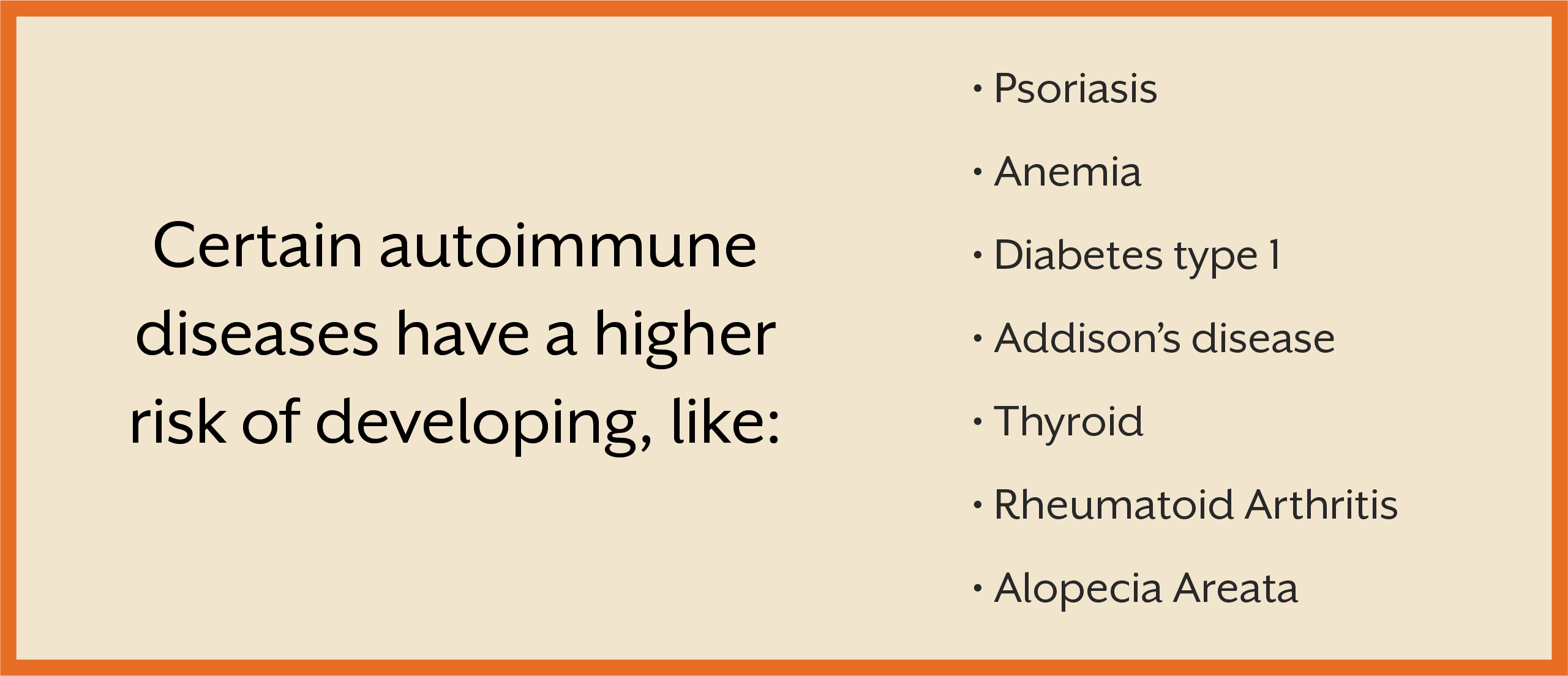
Certain autoimmune diseases have a higher risk of developing, like:
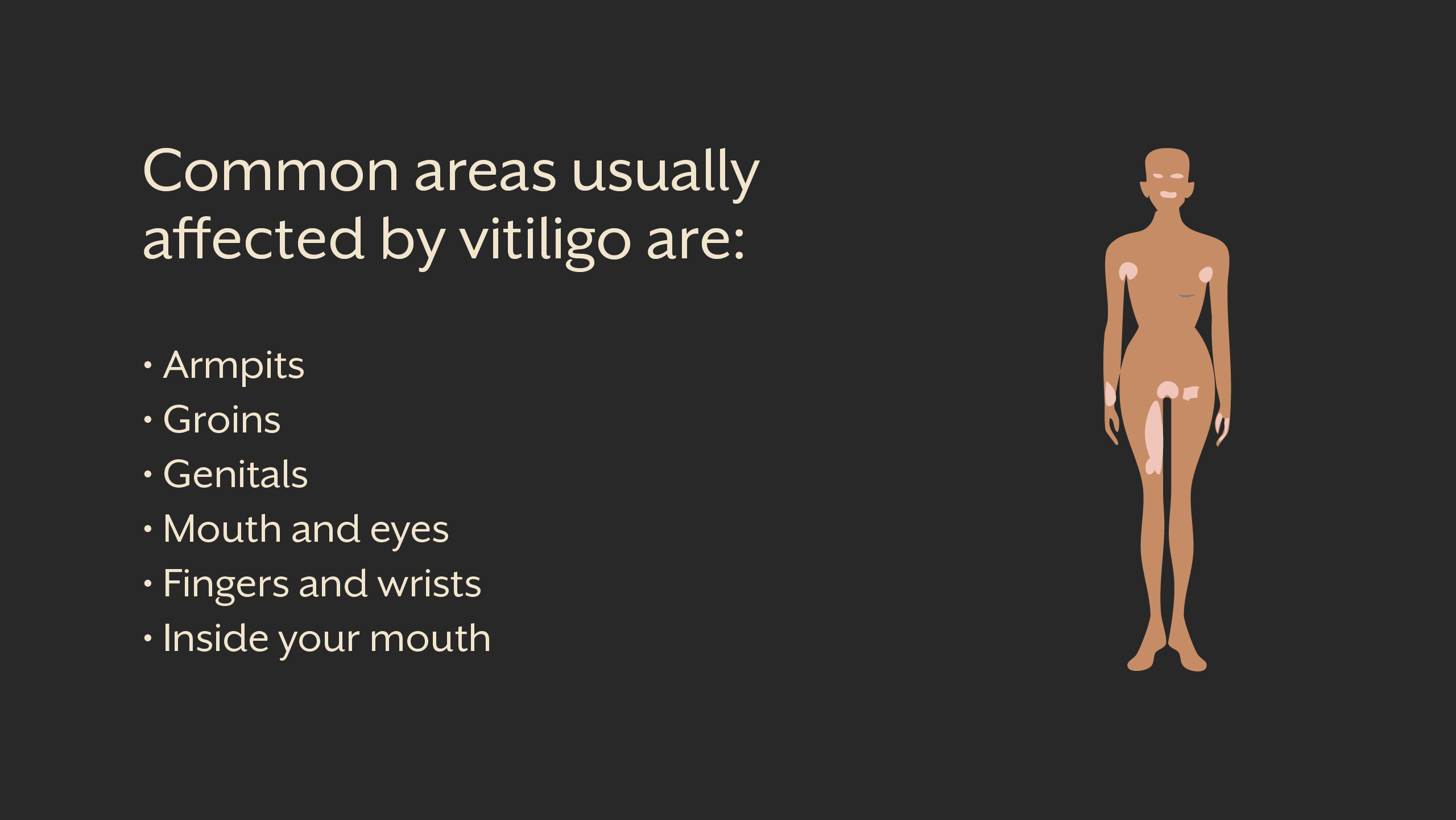
Vitiligo usually starts as a pale patch of skin that slowly turns completely white. A patch may have a white center surrounded by paler skin. Instead of being white, the patch may be slightly pink if there are blood vessels beneath the skin. Common areas usually affected by vitiligo are:
Armpits
Groins
Genitals
Mouth and eyes
Fingers and wrists
Inside your mouth
The most common vitiligo symptoms are as follows:
1. Patchy loss of skin color
2. Premature whitening or graying of the hair on your scalp, eyelashes, beard, and eyebrows.
3. Color loss in the mucous membranes, which are tissues lining the inside of the mouth and nose.
What are the causes of Vitiligo?
Vitiligo happens when melanocytes (pigment-producing cells) die or stop producing melanin (the pigment that colors your skin, hair, and eyes). The parts affected initially become white or lighter. Several skin discoloration causes like:
1. Genetic predisposition - Gene mutation can increase the risk as approximately 30% of people affected by this disease have family members struggling with it. Certain gene mutations can increase the risk of Vitiligo.
2. Autoimmune reactions- As you already know, vitiligo is an autoimmune disease where the body’s immune system mistakenly attacks melanocytes, the pigment-producing cells in the skin, resulting in the loss of pigmentation and the development of patches.
3. Environmental factors-Vitiligo can be brought on by or made worse by a sunburn,or chemical exposure. In particular, late-onset vitiligo is associated with stress.
What are the Types of Vitiligo?
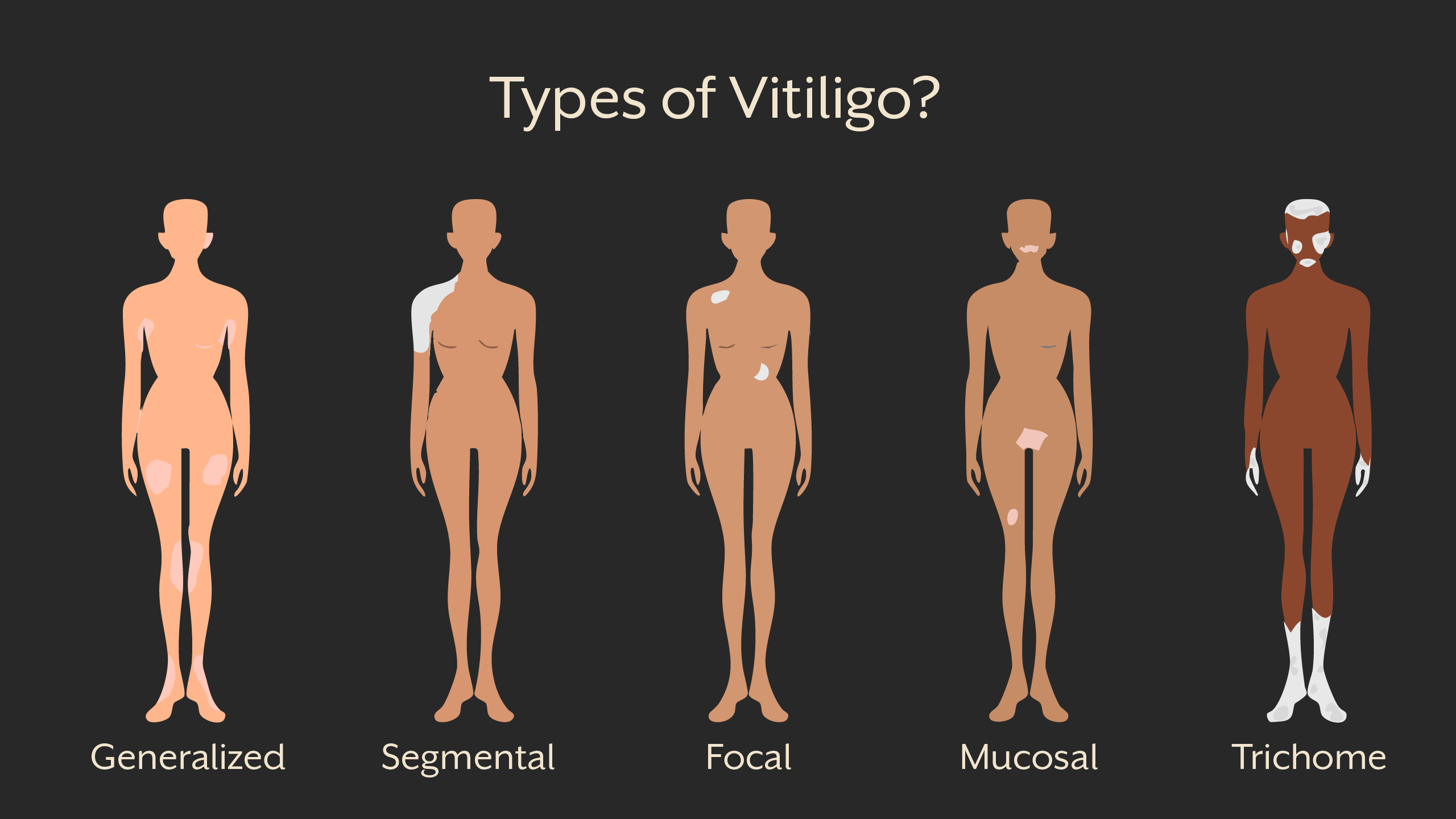
Vitiligo can vary in the way it is presented and understanding its types can help in diagnosis and management. Here are the types of Vitiligo you should look out for:
1. Generalised:
It is the most common type of vitiligo, accounting for 90% of the cases. It is presented as widespread patches across different body parts. These patches are often symmetrical.
2. Segmental:
This kind only impacts a single part of your body, such as your face or hands. It usually starts at a young age and increases for a few years before stabilizing.
3. Mucosal:
It affects mucous membranes, such as those in the mouth and genital areas. It leads to depigmentation and is confined to mucosal tissues.
4. Focal:
A rare kind of vitiligo known as focal vitiligo occurs when the macules form in a small area and do not spread out in a specific pattern throughout one to two years.
5. Trichome:
The central depigmented area, an intermediate zone of lighter skin, and the surrounding normal pigmented skin are the three distinct color zones that surround a depigmented area in trichomes, a kind of vitiligo. It indicates that vitiligo is active and progressing, which means that skin depigmentation is still being caused by the condition.
What are the Stages of Vitiligo?
Vitiligo affects everyone differently. Some people experience a rapid loss of skin color in patches, and then after this, there comes a time when the condition remains unchanged. It can be classified into these stages:
1. Localised- When one or two small areas of the skin are affected that is the localised stage. There are some early signs to know if you are on this stage such as skin may turn pale and then white. If beneath the skin blood vessels are visible, these patches may appear pale pink instead.
2. Generalised- The central depigmented area, an intermediate zone of lighter skin, and the surrounding normal pigmented skin are the three distinct color zones that surround a depigmented area in trichome, a kind of vitiligo.
3. Universal- The universal stage causes broad depigmentation across the body as nearly all skin pigment is lost.
Management and recovery
Managing Vitiligo can be done with the help of lifestyle changes. Here are some tips for living with the condition:
Anti-inflammatory Diet: Maintaining a balanced diet rich in vegetables and meat supports overall health. Certain dietary changes help in the long run and help in managing the condition.
Emotional and mental well-being: The appearance of vitiligo can impact individual confidence and self-esteem which hampers individual growth. Inculcating a variety of wellness activities helps like meditation, exercise, yoga, and more. It helps in boosting morale, it helps in managing stress.
Sun protection: Protecting your skin from the sun is crucial, as depigmented areas are more susceptible to sunburn. You can wear protective clothing, seek shade, and avoid tanning beds.
Corrects nutrients: People suffering from vitiligo need nutrients like omega 3, zinc, vitamin D, B complex, and protein. Individuals dealing with this disease also need to check the environmental toxins and remove them.
Conclusion
Vitiligo is an autoimmune disease and exploring the symptoms, causes, types, and stages can help people suffering through it to tackle it better. It is believed that it involves a combination of genetic predisposition and environmental triggers. Understanding the symptoms, causes, types, and stages of vitiligo is crucial for effective management. Functional nutrition and lifestyle changes can help manage the illness and make you feel better, even though there isn't a permanent solution. For your free consultation, you can contact iThrive. Living with vitiligo with confidence requires embracing self-care, getting professional advice, and creating a supportive atmosphere.
Al-Smadi, K., Imran, M., Leite-Silva, V. R., & Mohammed, Y. (2023). Vitiligo: A review of aetiology, pathogenesis, treatment, and psychosocial impact. Cosmetics, 10(3), 84. https://doi.org/10.3390/cosmetics10030084
Vitiligo. (2025, March 19). Cleveland Clinic. https://my.clevelandclinic.org/health/diseases/12419-vitiligo
Gandhi, K., Ezzedine, K., Anastassopoulos, K. P., Patel, R., Sikirica, V., Daniel, S. R., Napatalung, L., Yamaguchi, Y., Baik, R., & Pandya, A. G. (2021). Prevalence of vitiligo among adults in the United States. JAMA Dermatology, 158(1), 43. https://doi.org/10.1001/jamadermatol.2021.4724
Can Crohn’s Disease Be Reversed? Explore the Functional Nutrition Approach
Crohn’s can be managed organically. Explore the Functional Nutrition method that emphasizes root causes, anti-inflammatory eating, and nervous system healing.
Living with Crohn’s – Is Reversal Possible?
Have you ever felt bloated, fatigued or had digestive discomfort that just would not go away? Most people just blame it on “something I ate” or, of course, “a stressful week” –but what if it was something deeper than that? For those living with Crohn’s, these uncomfortable symptoms are not just temporary, they are rather a daily battle.
Crohn’s is not just about the stomach. It is a chronic and invisible illness that can affect everything, from energy levels to mental health, social life and for that matter, even the ability to eat or work normally. Many people have been spending years chasing a diagnosis or even depending on medications that manage those symptoms, but have never really solved the problem.
Understanding Crohn’s Disease
What is Crohn’s Disease?
Crohn’s Disease is a chronic autoimmune condition, which means the immune system mistakenly recognizes its own healthy tissues as threats and then attacks them. In Crohn’s, this particular immune response targets the entire digestive tract, causing inflammation, swelling, and even permanent damage.
Unlike any occasional acidity or indigestion, Crohn’s can also affect any part of the gastrointestinal (GI) tract - starting from mouth to the anus – although it most of the time affects the small intestine and also a part of the large intestine.
The inflammation can run deep into layers of bowel tissue, also witnessed in other inflammatory bowel diseases such as ulcerative colitis. Flare-ups can also be unpredictable, often leaving the individuals in intense pain and exhaustion and unsure of what exactly triggered it.
Common Symptoms
Crohn’s Disease presents a wide spectrum of symptoms that might range from very mild to debilitating and often fluctuates over time. It’s not just a random “gut-tissue” – it also affects the overall well-being along with quality of life, specifically when flares become chronic.
Digestive Symptoms
Often the very first sign of many is persistent diarrhea, caused due to inflammation in the intestine that disrupts the absorption of water.
Most common is abdominal cramping and pain in the lower right abdomen, but it can occur anywhere, depending on the location of the disease.
Rectal Bleeding due to inflammation and ulcers in the rectum.
Nausea and loss of appetite leading from intestinal inflammation and pain.
Unintended weight loss and malabsorption result in poor nutrient uptake and calorie deficiency.
Systemic and other associated Symptoms
Fatigue and extreme tiredness, mostly due to chronic anaemia and inflammation
Fever during active flare-ups
Arthritis or joint pain, specifically in ankles, wrists and knees
Ulcers, red bumps and rashes
Mouth sores and ulcers on the tongue or inside the cheeks
Eye inflammation, which can cause blurred vision
These signs reflect how deeply Crohn’s can disrupt immune balance and impact the entire body, and not just the digestive system.
What Triggers Crohn’s?
Dysbiosis – an imbalance in the gut microbiome, where harmful bacteria outnumber the beneficial ones. This can also weaken the gut barrier and permit toxins or any undigested particles to “leak” into the bloodstream, further triggering inflammation.
Diet also plays a major role. Processed or packaged foods, refined sugars, and lactose can irritate an already sensitive digestive tract.
Chronic stress due to unresolved trauma is another underestimated factor. It does not just impact your mood, but it also alters hormone levels, disrupts digestion and suppresses the immune system, making one more vulnerable to flare-ups.
Then there’s also toxin exposure – from polluted water, pesticides, or heavy metals. Long-term exposure can certainly overload the liver and impair detoxification.
Lastly, antibiotic overuse – specifically during childhood can wipe out good gut bacteria, eventually setting the stage for inflammation years after.
Can Crohn’s Be Reversed?
The idea of reversing Crohn’s can sound too good to be true, specifically when conventional medicine labels it as a lifelong condition.
But here is the truth.
While there is no official cure for Crohn's, symptoms can be drastically reduced, remission can surely be sustained, and many people go years without flares – all via a root-cause approach.
What Does “Reversal” Mean?
In Functional Nutrition, “reversal” does not mean a magic pill that eliminates Crohn’s overnight.
It rather means:
Healing the gut lining
Minimising inflammation at its root
Recognising and rectifying personal triggers
Rebuilding nutrient reserves
Supporting the immune system – not shutting it down
The Functional Nutrition View
Functional Nutrition views the body as an interconnected system, and not as isolated parts.
Instead of treating the inflamed gut, FN focuses on:
What is triggering the immune system?
What’s going wrong with gut health?
Is there any unresolved trauma?
What nutritional deficiencies are holding back healing?
This very shift in thinking is REVOLUTIONARY, and it works.
The Functional Nutrition Approach to Crohn’s
Root-Cause Analysis
Healing surely begins with understanding your Crohn’s story. No two cases can ever be alike, which is why at iThrive, we initiate the process with Root-Cause Analysis – a most powerful diagnostic system that potentially maps out:
Gut microbiome imbalances
Any hidden infections
Heavy metal toxicity
Insufficiencies in digestion, such as low stomach acid or enzymes
Past trauma or any stress pattern
Advanced tests such as the GI-MAP test offer key insights into various bio-markers such as inflammation, pathogens, gut-health and many more. iThrive team utilises this data for crafting a personalised healing plan.Anti-Inflammatory Nutrition
Food can either be medicine or fuel for Crohn's. The reversal of Crohn’s needs removing all inflammatory foods and adding gut-healing, nutrient-rich food items such as cooked veggies. At iThrive, nutrition plans are centred on anti-inflammatory, healing and low-residue focused meals.
Restoring Gut Health
Crohn’s begins right in the gut – and so does healing.
iThrive protocols are well designed to:
Heal the intestinal lining
Repopulate good bacteria
Support digestive function
Reduce gut permeability
Want to restore your gut health? Get your advanced testing and GI Map Test done ASAP.
Nervous System Support
Emotional stress, constant sympathetic overdrive, and unresolved trauma play a crucial role in Crohn’s flares.
That’s why iThrive includes nervous system healing as a significant pillar of care.
Grounding through nature via walking barefoot and being in sunlight for some time
Gratitude Journalling along with emotions
Breathing technique such as box breathing
Trauma release methods
Lifestyle Strategies
Healing Crohn's is not just about diet – it is also about daily habits that help the body to thrive.
iThrive’s Lifestyle Foundations:
Ensure to sip water steadily throughout the day — aim for at least 8 glasses.
Ensure you prioritize sleep, as your physical, immune and emotional health is entirely dependent on it.
Emotional Grounding is beneficial as it helps individuals to return to a calm and centred state of mind, which eventually resets the entire nervous system.
Keeping a journal of foods and symptoms can benefit you in tracking the reactions of specific foods as well as stressors.
Minimal toxin exposure through clean and tidy personal care and cookware
Can You Heal Too?
Is Functional Nutrition Right for You?
Whether you have been recently diagnosed or have been living with Crohn’s for years, Functional Nutrition might provide a new perspective that combines science and self-care.
Healing is not linear, but with the help of the right set of tools and support, your body is capable of restoring balance. At iThrive, we truly believe that transformation is possible – and we have also seen it happen.
Hope Beyond the Diagnosis
Reversal is not a promise of perfection, but it’s surely a promise of possibility, and thousands are living proof of what is achievable with the right set of approaches.
read count
read time
Trending Post
May 27, 2025
The Importance of Grounding
Grounding is a wellness practice that helps reconnect your body and mind to the present moment, whether it’s by standing barefoot on grass, sand, or a natural surface, or by being mindful of physical sensations. It is applied to mitigate stress, anxiety, and restore emotional equilibrium. In our fast-paced, technology-driven world, many of us find ourselves disconnected from nature. Grounding offers a simple, accessible way to reconnect with the Earth, improving both mental clarity and emotional stability.
Whether you’re walking barefoot on grass or doing mindful breathing, grounding returns you to center - physical, mental, and emotional.
Why is it really important?
Recent studies suggest that grounding may have measurable effects on the body. Earth's direct contact allows free electrons to enter the body, potentially reducing inflammation and oxidative stress.
Benefits of Grounding:
Regulates emotions– Helps manage emotional responses and promotes emotional stability.
Reduces stress and anxiety– Calms the nervous system and lowers feelings of overwhelm.
Improves sleep quality– Lowers cortisol levels (the body's main stress hormone), leading to deeper, more restful sleep.
Enhances mind-body awareness–Increases connection between physical sensations and mental states.
Chronic Inflammation and Pain- Help lower inflammation levels in the body, which is important since persistent inflammation is associated with arthritis, autoimmune disorders, and long-term pain conditions.
Helps regulate blood pressure– May contribute to lower and more stable blood pressure levels.
Regulating blood sugar–Can help in reducing stress-induced spikes in blood glucose.
How to add Grounding to your daily routine?
Step outside barefoot onto grass, sand, or soil.
Sit or stand in a relaxed posture.
Place your feet flat on the ground to establish a connection with the earth.
Take slow, deep breaths to center your mind and body.
Deeply inhale through your nose, hold briefly, and exhale slowly through your mouth.
Engage all your senses, notice what you see, hear, feel, and smell.
Conclusion:
Grounding is one of the simplest, most powerful tools in the wellness world. Whether you're exploring healing modalities, improving your nutrition, or simply seeking inner peace, grounding brings you back home, back to your body, to the Earth, and to the present moment. If you haven’t already, why not give it a try? A week of grounding could change the way you feel, helping you find balance, calm, and clarity in your day-to-day life.
Sign up for the iThrive Newsletter practical nutrition, wellness insights, and habits that actually work.
Thank you! Your submission has been received!
Oops! Something went wrong while submitting the form.
No spam. Unsubscribe anytime.
FAQs
What topics does the iThrive blog cover?
The blog covers functional nutrition, chronic conditions, gut health, hormonal health, autoimmune conditions, sleep, mental health, and root cause analysis. Every article is written to help you understand what is actually happening inside your body, not just manage symptoms.
Who writes the articles on this blog?
All articles are written by the content writers in collaboration with iThrive's clinical team of functional nutritionists, guided by the same methodology used in the ALIVE programme. The content is rooted in functional medicine and real clinical experience, not generic health advice.
Is the information on this blog a substitute for medical advice?
No. The blog is an educational resource to help you understand your health more deeply. If you are experiencing symptoms or managing a chronic condition, a personalized Root Cause Analysis with a functional nutritionist is the right next step.
I read an article and want to take action. What should I do next?
Book a Root Cause Analysis. For ₹2,500, a dedicated functional nutritionist will assess 60+ blood markers using optimal ranges and explain exactly what is driving your condition. It is the natural next step after reading about what might be happening in your body.
Can these articles help me if I have already been diagnosed?
Yes. Many of our readers come with existing diagnoses and find the blog helps them understand why their condition developed and what their body actually needs. The articles are designed to give you clarity, not replace the guidance of a practitioner.
Talk to our team
Thank you! Your submission has been received!
Oops! Something went wrong while submitting the form.
Download Now
Thank you! Your submission has been received!
Oops! Something went wrong while submitting the form.

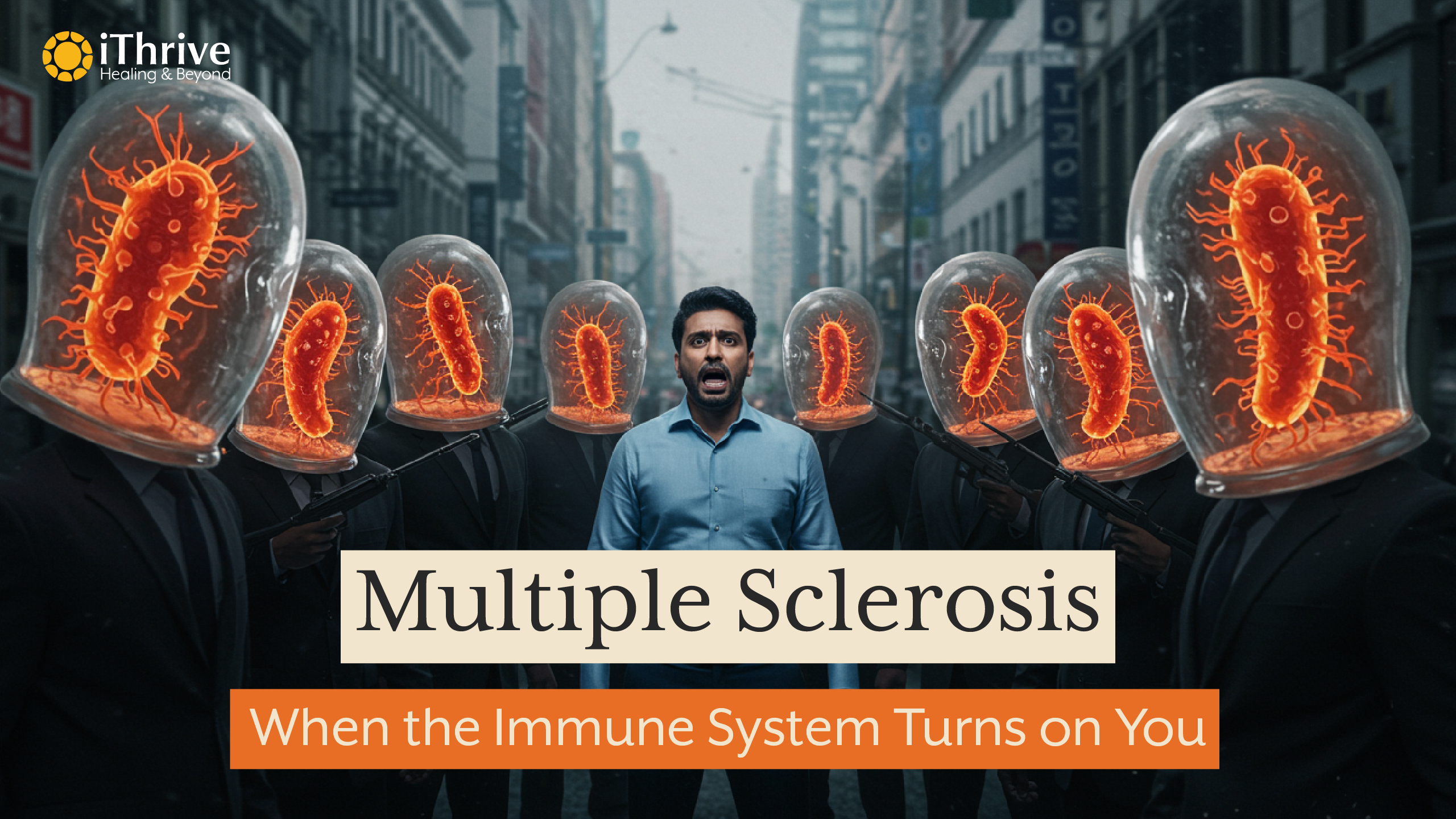


.svg)
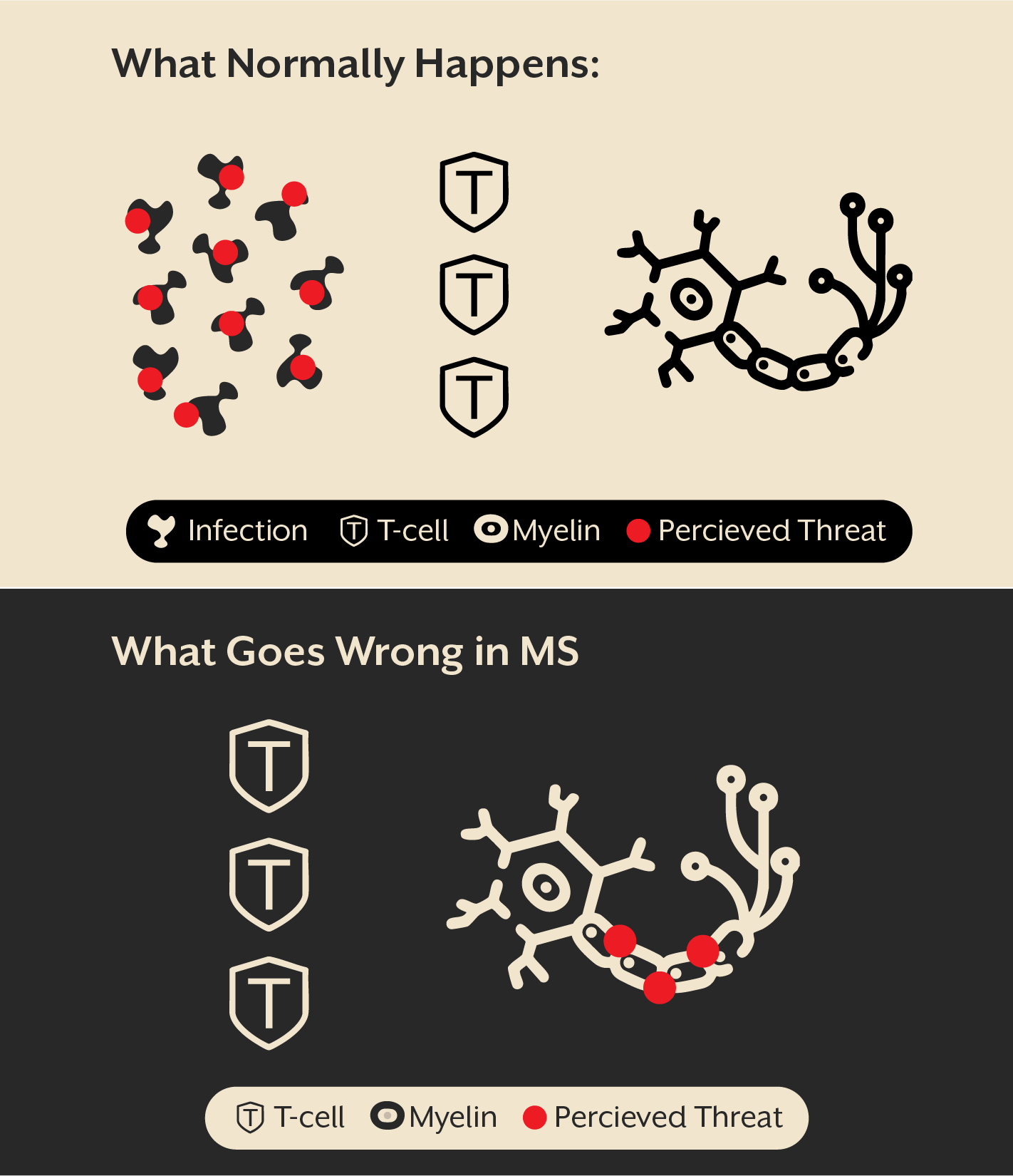
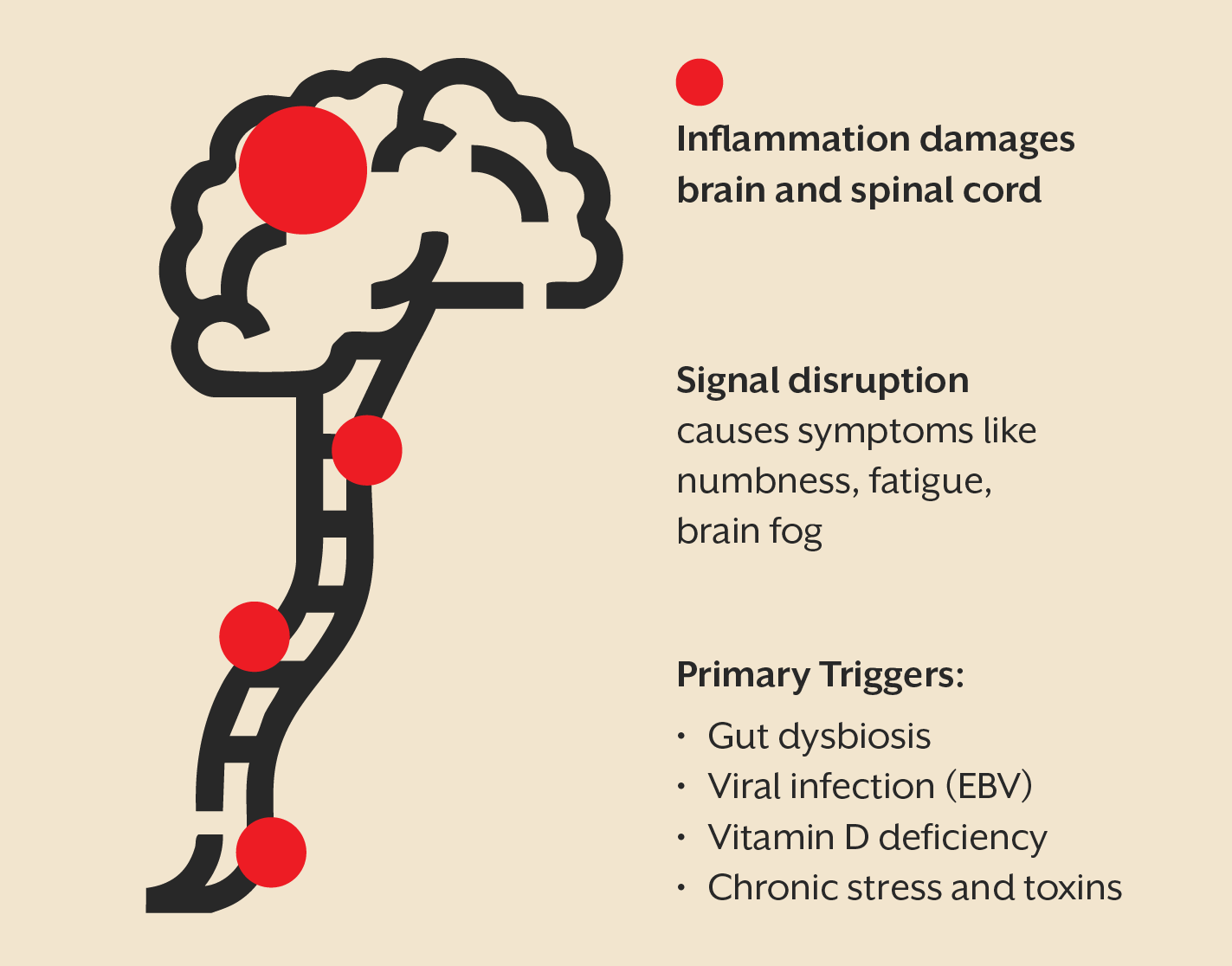

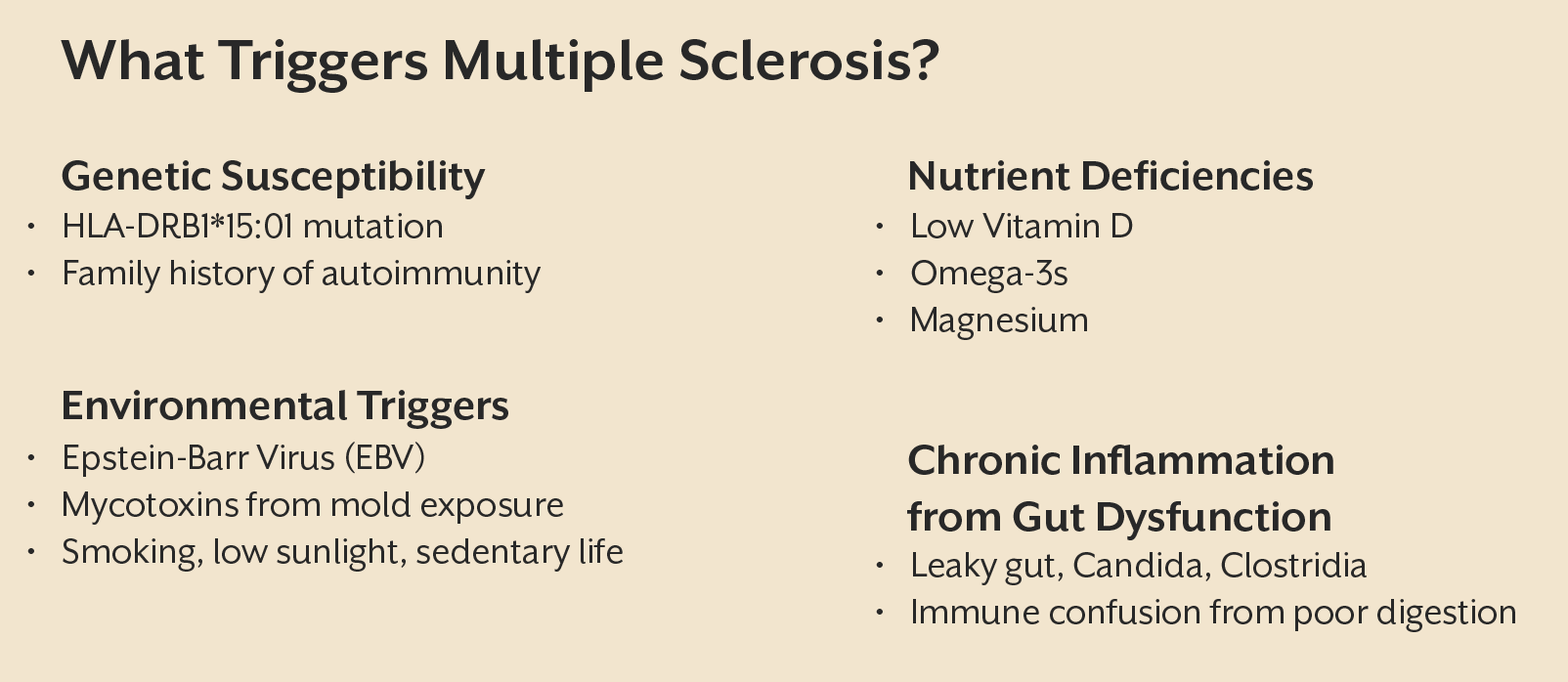
.webp)
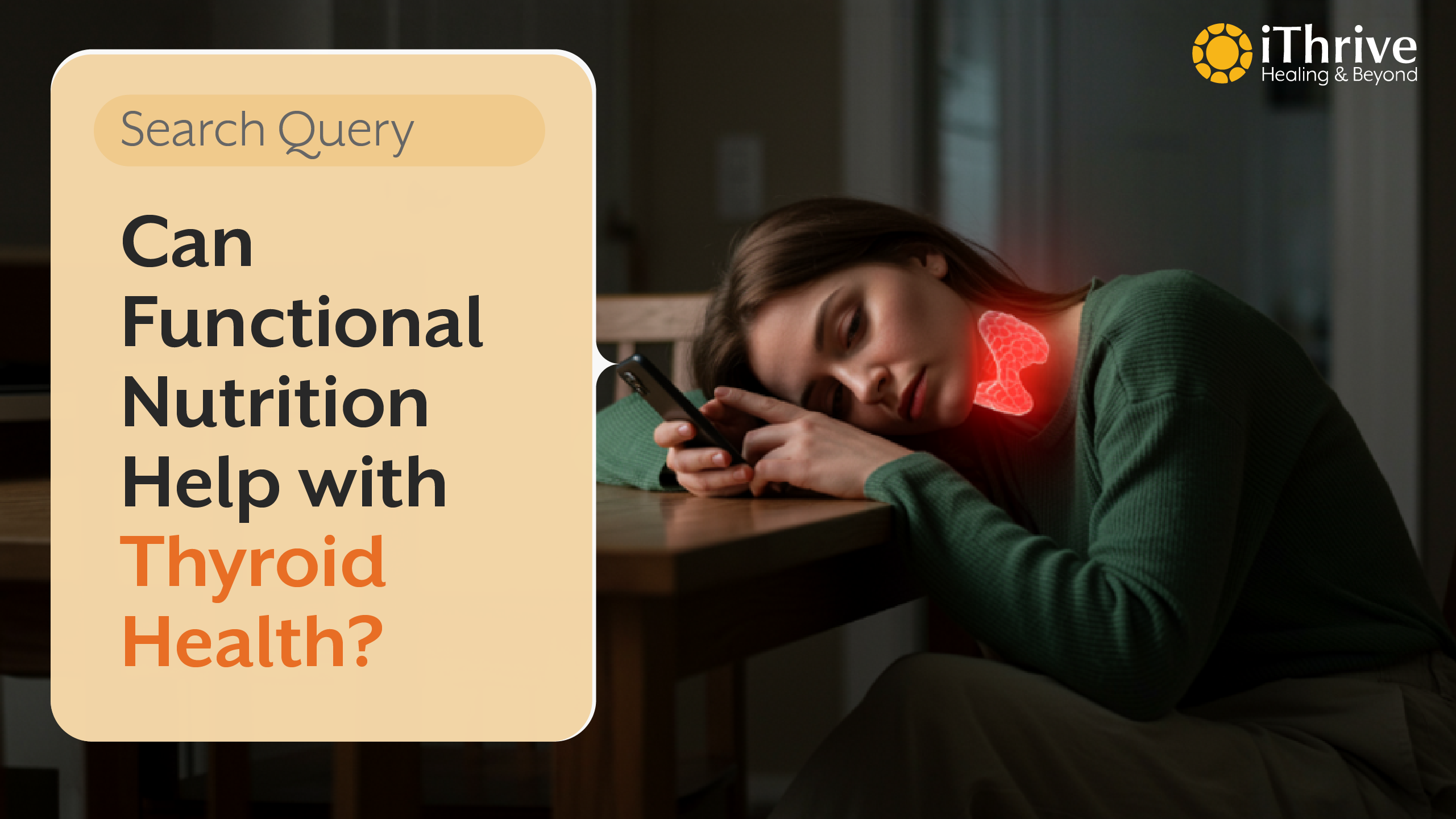


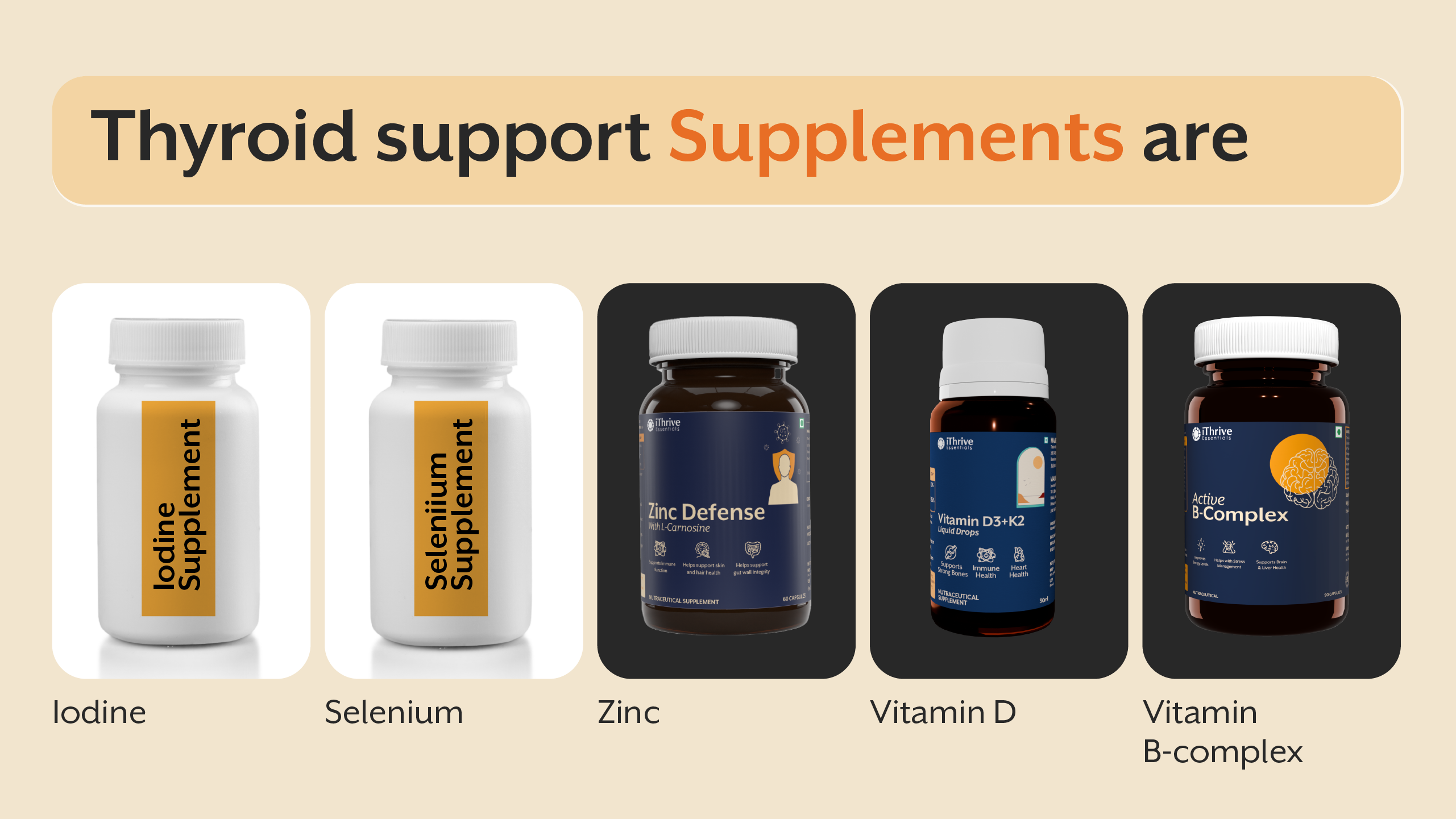
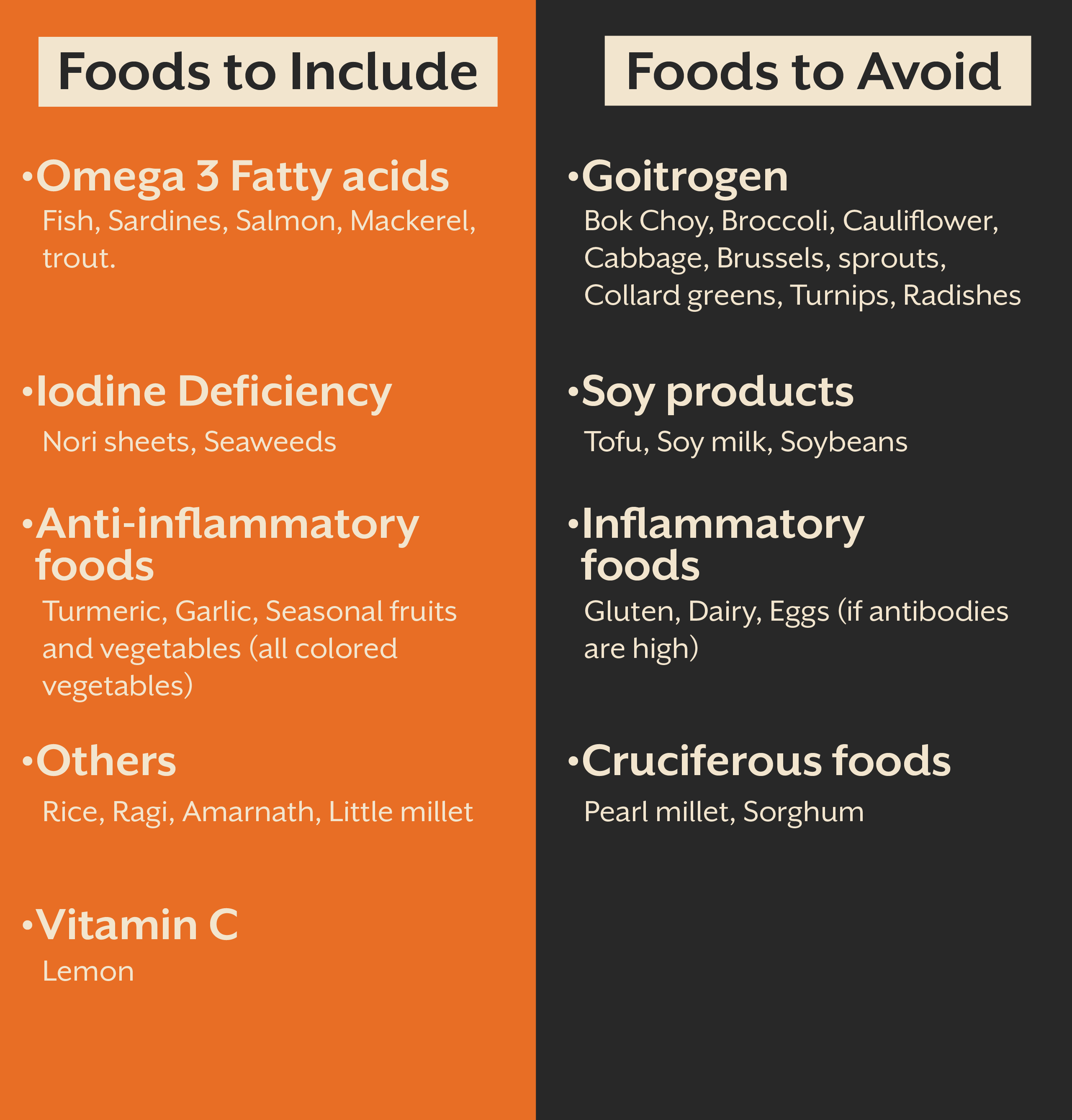

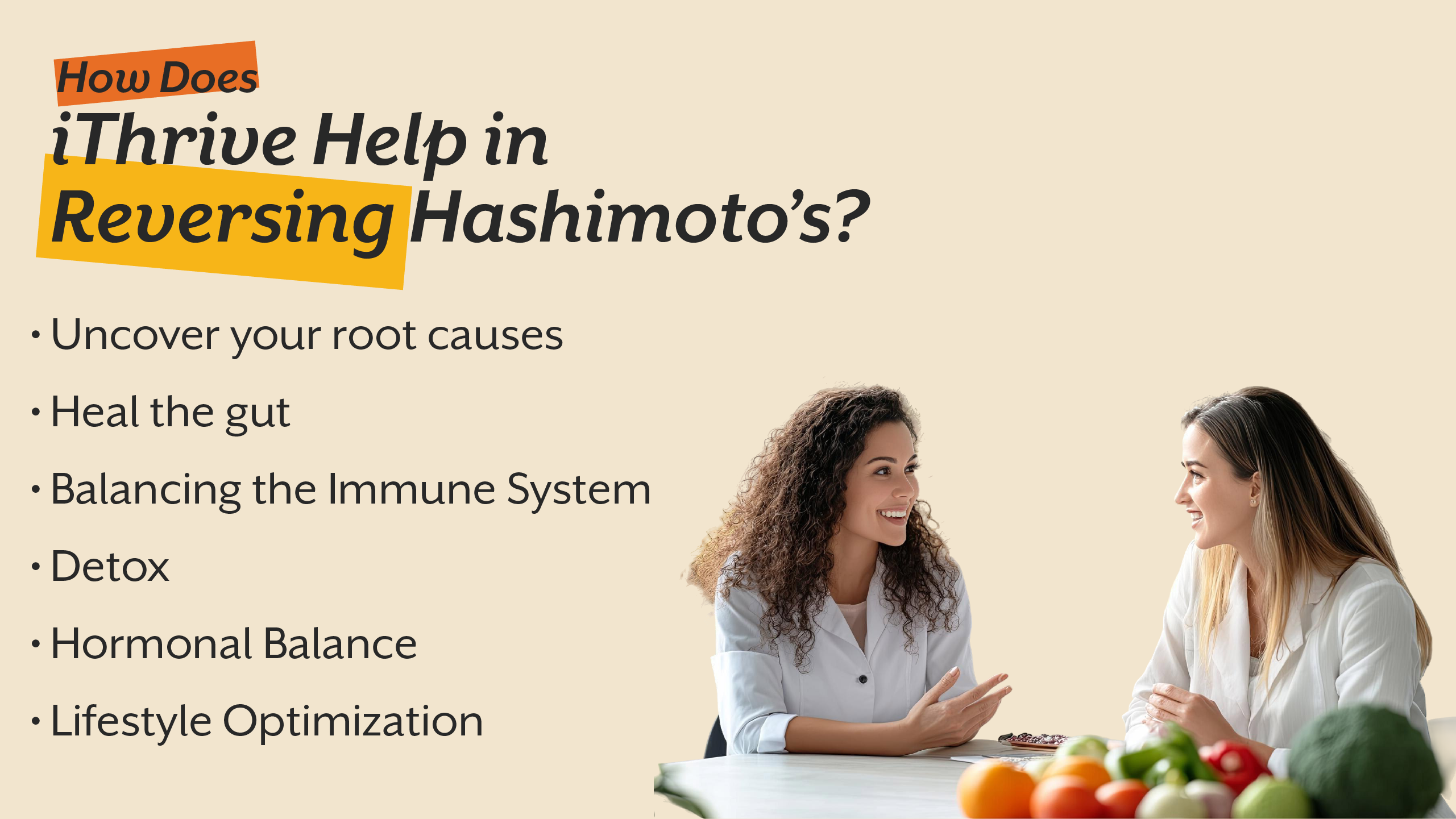
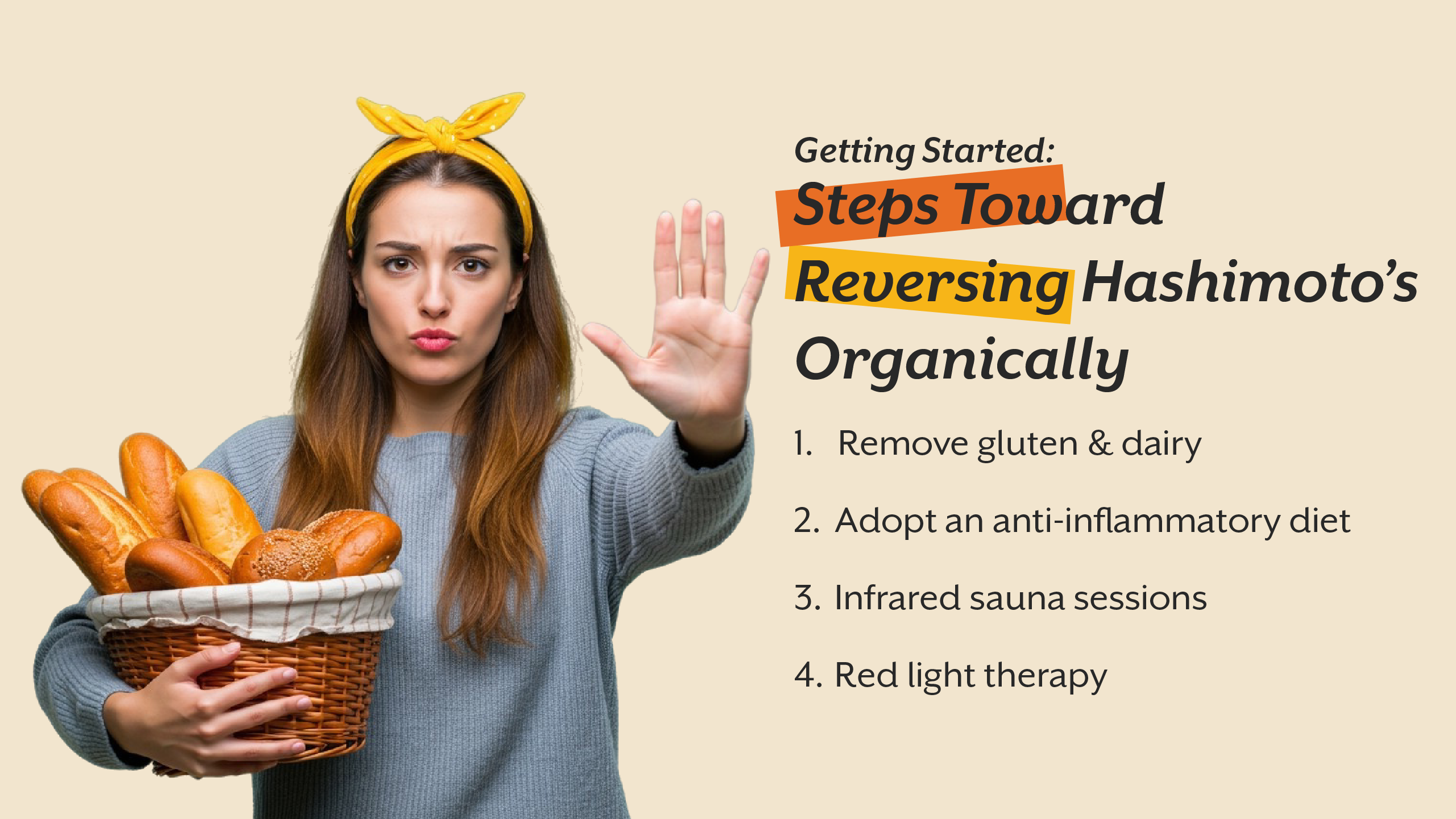


.jpeg)
.jpeg)
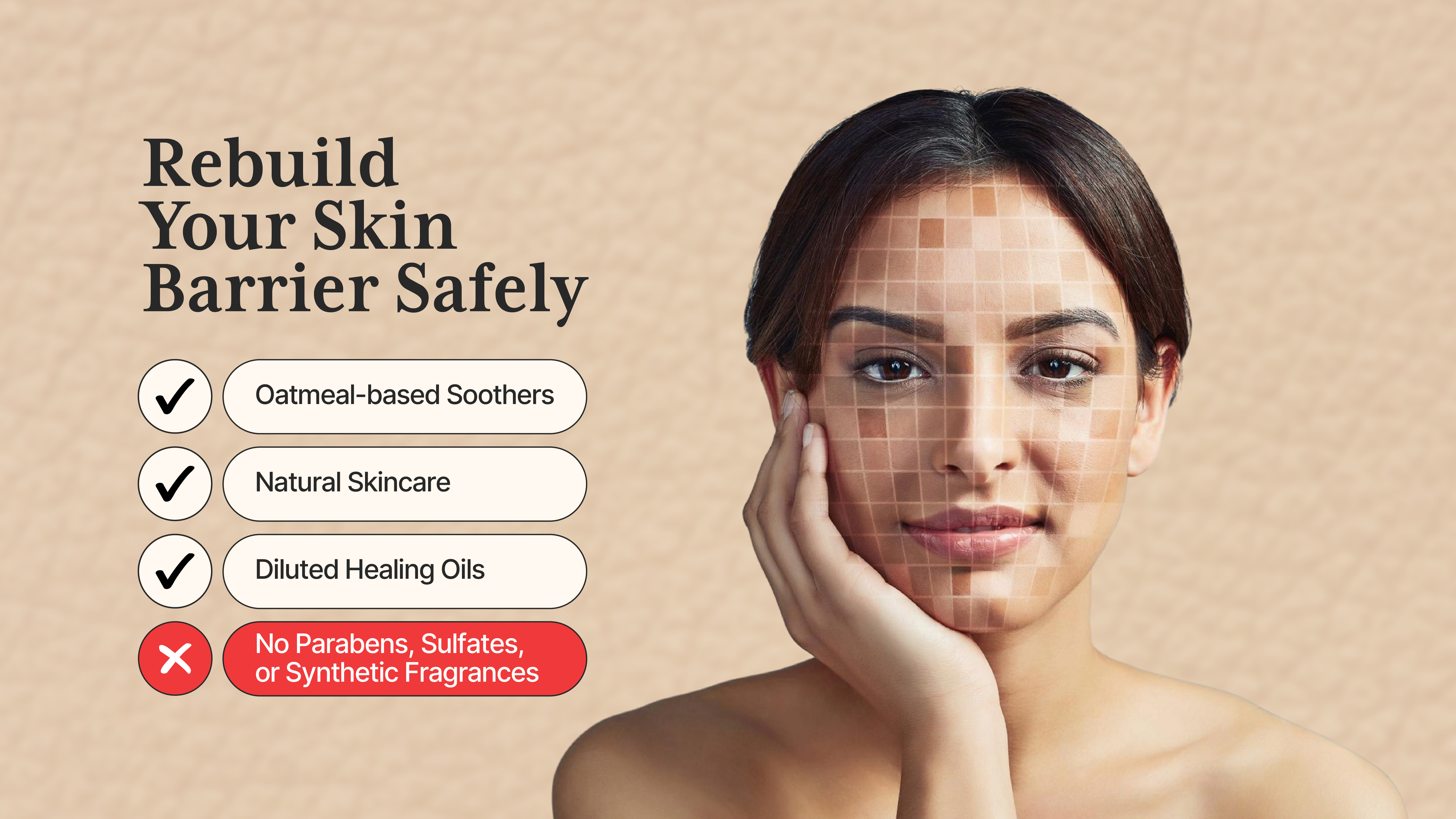
.jpeg)
.jpeg)
.jpeg)
.jpeg)