


read count

read time

.svg)
Jul 30, 2020
How Plants Can Kill (Part-1)- Oxalates
Are you wondering How Plants can Kill or want to know more about Oxalate? Do check out this Health Disruptor in iTHRIVE's blog. Do read to get more information!
Plants often contain toxins acquired from fertilizer and pesticides and several naturally occurring chemicals. Some of these chemicals are known as secondary metabolites or anti-nutritional factors and are very active compounds. Anti-nutritional factors are known to interfere with metabolic processes (for e.g.,growth) and availability of nutrients is also negatively influenced. Oxalate is one such potent ‘anti-nutrient’ present in many plant foods.
Oxalic acid or Oxalates are plant derived toxic substances, which cannot be either seen, smelled or tasted. Oxalic acid is a naturally occurring tiny molecule that is also a corrosive acid.
When minerals get attached to oxalic acid, it is called Oxalate (E.g. sodium oxalate, potassium oxalate, magnesium oxalate, calcium oxalate). It is obtained mainly from plant based foods and occurs in many shapes and sizes.
Foods high in oxalates-
Beans, Grains, Bran, Sesame, Peanuts, Almonds , Starfruit, Spinach, Beets, Potatoes, Chocolate, Figs, Kiwi, Blackberries, Black pepper, Cumin, Turmeric.
Foods low in oxalates-
Meats, Dairy products, Eggs, Fats and Oils, Avocado, Cabbage, Cauliflower, Cilantro, Cucumber, Garlic, Lettuce, Mushrooms, Green peas.
These are natural defense compounds that plants produce so that animals avoid eating the. The list of high oxalate foods is quite long and you can get it from a whole lot of plant based foods.
It can also be produced as a metabolic byproduct in your body with no known function. Higher amounts are made when you are deficient in B6, or if you consume high doses of vitamin C though the exogenous (ones coming from outside) oxalates are far more dangerous than the ones that your body makes.
Oxalate dangers
Your body cannot handle oxalate and hence always tries to excrete it, sometimes the excretion gets impaired either due to high volume of oxalates coming in from the diet or due to dysfunctional excretion pathways. Eitherways, this dangerous plant toxin must not be ignored as here’s a whole list of problems related to oxalate toxicity.
Oxalates steal minerals from your diet as well as your body and make them useless (it is an “anti-nutrient”). Soluble forms of oxalate (sodium oxalate and potassium oxalate) can be picked up by other minerals like magnesium, calcium, iron, zinc, copper, etc. This locks up the minerals. It may also bind with toxic metals such as lead, mercury, aluminum, or cadmium.
Mineral deficiency causes growth, reproductive, and other problems. It may also deplete the B-vitamins- B6 and biotin. Oxalates use up vitamin B6, possibly initiating a vicious cycle. B6 deficiency increases internal production of oxalate, increases oxalate load, further depleting B6, and so on. Biotin metabolism is also altered and the levels of Biotin in your body can decrease.
This is one reason why a lot of vegans and whole food plant based diet followers end up with severe deficiencies.
It is corrosive to the lining of the digestive system, and may cause leaky gut or other GI diseases. Some oxalate crystals have a needle shape known to perforate mucus membrane cells.
The crystals can challenge the kidneys and can overwhelm their capacity to remove them from the blood. A delayed effect of oxalate ingestion is kidney damage, which can lead to renal
failure due to deposition of oxalate crystals. Kidney stones usually contain these crystals.
Oxalate crystals implant themselves in areas where they prevent other material from passing through and this is how it can lead to a great amount of pain in your body.
Oxalates are considered to be brain toxins. They can damage brain nerves. While the signs of oxalate neurotoxicity covers a spectrum of symptoms including hiccups, convulsions, and even death.
Oxalate crystals are capable of depleting the level of antioxidants in your body, especially those of one of the important antioxidants- Glutathione. Low levels of glutathione can generate increasing toxic stress causing early cell death. It is particularly very important in the liver for the detoxification of chemicals and also for preserving brain health.
Oxalates can cause cell communication problems to carry out their functions and further confuse and stress the immune system, thereby creating auto-immune symptoms.
Oxalates destroy the key building block of the connective tissue (hyaluronic acid). This makes it much harder to fully recover from injury, even surgery can weaken or destabilize joints, bones, skin (skin may be thin or easily damaged) and can make you injury prone. Damage to the connective tissue can contribute to aging and can make you feel old prematurely.
Modern lifestyles may be increasing the number of people affected by dietary oxalate, by increasing exposure and lowering our tolerance. It is easier than ever to eat a high oxalate diet. High-oxalate foods are now more accessible year-round and very popular. Ironically, the health-conscious may have a greater affinity for some high-oxalate foods such spinach and almonds which are promoted as healthy.
The oxalates we munch on may be more readily absorbed and less efficiently excreted from the body due to our reliance on medications, including over-the-counter pain and cold medications and popular prescription drugs. These drugs can harm the gut flora and function, and reduce the kidneys’ ability to remove them from the body.
Adequate oxalate excretion can also be impaired by other toxic exposures, such as indoor air pollution, which can impair kidney function.
Gastro-intestinal resection surgeries dramatically increase susceptibility to food oxalates.
The potential for harm from a high oxalate diet can be magnified by other factors besides the health and function of the gastro-intestinal (GI) tract and kidneys.
The mix of foods within your meals affects how much oxalate is absorbed and how much your body has had to handle over your lifetime. For example, meals rich in calcium and fiber can lower the amount of oxalate absorbed from foods, while diets low in fiber and calcium may increase the amount of oxalate you absorb.
Fetal exposure to oxalate and other toxins may set the stage for oxalate trouble, perhaps including autism and other brain function issues, such as learning and behavior problems.
These problems, however, do not always cause obvious symptoms. Onset may include a generalized malaise, poor concentration, some sort of “-itis” (gastroenteritis, tendonitis), joint stiffness, swelling, muscle pain or weakness.
There are undoubtedly many other factors that are yet to be discovered and documented.
Lethal Oxalate dose
The lethal dose for an adult is about 15 to 30 g, but the lowest reported fatal dose is only 5 g (or about 70 mg/kg) (2).
Detection of Oxalate
Long-standing technical difficulties have made measuring oxalate in blood and urine unreliable, leading to ignorance of the problem of oxalates entirely. Since the 1990s, modern technical advances have made it possible to accurately measure oxalate in urine, but the ability to detect oxalates still has not changed the medical habit of ignoring oxalate in the body, even for patients with oxalate kidney stones.
On the rare occasions when urinary oxalate is measured, it is analyzed badly—most often due to inadequate handling and workup of the urine sample prior to actual measurement. Very few medical offices are equipped with the knowledge, training, and skill to successfully conduct this specialized testing.
Practically speaking, the safest, most affordable and most reliable test is correctly trying the low-oxalate diet with a good understanding of how your body can react to it.
Low oxalate diet- a way forward
Non-toxic nutrition is the key to feeling better and having a better functioning body and brain. The most straightforward way to relieve the pain of oxalate poisoning is to: stop eating foods high in oxalates (gradually), and choose nutritious, low-oxalate options.
You can replace the high oxalate foods with cucumbers, radish, lemon, banana, flaxseeds, raw pumpkin seeds, coconut milk or coconuts, oats or oat milk, etc.
You should also improve your calcium and fiber intake from your diet as they can help in excreting the oxalate load. However, do not overdo it.
So, oxalate rarely gets the blame, even in part, for the problems they are capable of causing. This hidden but nasty toxin should not be ignored. If you or your loved ones are facing any of the oxalate-related dangers and have tried treatments that have not worked, you can certainly reach out to iThrive for help.
References-

This is transcript of the Facebook Live session that was held on 27 June. Link to the talk is here
My name is Mugdha Pradhan and the founder of iThrive (Thrive FNC) and we make diseases disappear.
For the last three years I have been practicing only a whole food plant-based diet. I have actually had a lot of professional collaborations with vegan organisations because of this approach that I have to heal people and what I’m going to say today is going to change that and it would mean that I might get a lot of backlash.
But my entire approach has always been about finding out the truth and sharing the knowledge. I think it’s the right thing to do- share what I’ve learnt about human health and nutrition and this entire plant-based agenda along with what it really does to human health so stay on to ask your questions. Members of the Thrive Tribe, I know a lot of you are here as well because it’s important that you listen to this so whatever questions you might have please ask them on our Thrive Tribe group on the Telegram.
I look forward to clearing doubts of people who are new to the concept of plant-based diet, those of who basically think that animal foods are really bad for human health and animal products are to be banned permanently from the human diet.
So Plant-based diets are primarily those where there are no animal products at all and which includes consumption of whole grains, pulses and legumes, fruits and vegetables. There is, however, a difference between the vegan approach and a wholefood plant-based approach. The vegan approach involves eating anything that’s made out far from animals and where consuming everything else is okay. That was just pointing out the difference and my focus today is speaking about plant based diet. Just let me clear plant-based diet is a diet in which we use only plant sources for nutrition and no animal products at all.
Anyway, the question really is what are the health benefits that plant-based diets offer? As we all know India is the Diabetes capital of the world I think there is something in the Indian genes that makes us more prone to Diabetes and insulin resistance. In people with Diabetes and insulin resistance (who are part of our program at ThriveFNC) I have seen that a plant-based diet has been really great at reversing Diabetes and insulin resistance. We have also seen really good results in terms of weight loss when we put them on plant based diets and I think that’s primarily because one of the first things that we do with somebody when they come to us is we eliminate a lot of the bad things that they have been eating.
Everybody understands the concept of bio-individuality where we know each human being has their own DNA and based on what they have been exposed to in the environment as they were growing up, their body’s need for healing is different. We understand that what a lot of people don’t know is there is something called bio-similarity as well, which means that there are certain things that are going to harm human health no matter what.
So eliminating these harmful foods plays a big role in healing the body. The second thing that happens with plant-based nutrition is that plants are medicinal, there is no denying that, right?!
Alot of plants have medicinal properties and when you’re sick with a chronic disease, we recommend a particular plant for the kind of property it has that brings about healing in your body so there is no doubt that the approach that we have using plant based nutrition, initially, works beautifully to reverse a lot of chronic illness. But subsisting on plant based nutrition starts creating problems. For me why I started questioning this is because of what we saw in the blood tests. I have been practising this for the last three years now and I do my blood work at least every three months and every time I do, I could see my protein and iron deficiency was getting worse and we started seeing this pattern repeating with our clients as well.
Over time we would start seeing more deficiencies in their bodies like those of Selenium and Iodine and every time we see a deficiency we provided them a supplement for that. But then I realised that in order to correct these deficiencies we had to bring in so many supplements just so that they could Thrive.
There are some basic supplements all of us need to take because we just are unable to get enough of it like, vitamin D. But you know iron, protein, selenium and iodine which can so easily be available from food and are still being supplemented then there is definitely a problem with the entire plant-based approach.
Also, there is not a single organism on this planet that will willingly give up its life. Plants don’t really want to die right so they create defense molecules when they feel they are under some attack.
Plants have the ability to create their own defence mechanisms to prevent themselves from being eaten because they don’t have the ability to move away and a lot of people don’t realise that these defence mechanisms actually work like toxins in our bodies.
For instance, many of us feel bloated and experience a lot of gas after eating Kidney beans (rajma). It is because of the compounds called Lectins, which are formed as a part of these defense mechanisms and are also capable of causing inflammation.
Peanut butter is known as a good source of protein but we don’t know that peanuts can have mold which can release aflatoxins which are toxic for the human body.
Soy which is eaten by many people has Isoflavones and phytoestrogens which mimic the female hormone- Estrogen. Now, if you’re a man and if you’re eating soy, you are sending plant-based oestrogen into your body which is a female hormone.
And then a lot of pulses and legumes have protease inhibitors. Protease is an enzyme that is required for digesting proteins and plants produce protease inhibitors as a defence mechanism basically to tell that animal that even if you eat me you’re not going to get any nutrition. So these protease inhibitors prevent your proteins from being broken down and digested, which is why now I understand we had started seeing such high levels of protein deficiency in people who are plant based.
Grapefruit which was touted for its antioxidant capability actually interferes with an enzyme called C450 which is what the liver uses for detoxification, so there is a lot of misunderstanding and wrong information about plant based nutrition.
Also speaking from my own experience, I had Diabetes, which effectively got fixed as I started eating plant based foods. However, I started losing a lot of hair after a few months of being on the same diet, mainly because of Protein deficiency. No matter how many supplements I took, it wouldn’t stop!
Now see what happens is that each person is different in the way they digest and absorb different foods and nutrients and this is where the concept of bio-individuality comes in. Whatever we absorb is greatly determined by our genes. Along with protein, I started presenting multiple deficiencies and it was then I started experimenting on myself. I have always experimented things on myself before making any further recommendations. So I started adding small amounts of animal protein in my diet. It took maybe a month or so before I could start seeing changes in my body along with the blood tests. The theory behind why animal protein/ products are important is that the nutrients are absorbed in their most bioavailable, most readily available form. I am just on Vitamin D, Magnesium and Zinc supplements and have stopped taking all the others (I had a drawer full of supplements to take care of my deficiencies) at present.
I practice what I have learnt and it is that plants have a place in healing your body because of their medicinal properties and also that not all plants are equal. Some of them are going to be filled with toxins. Also I have learnt that your body will give you feedback about what works best for it and it is always good to use this feedback mechanism to understand what a particular food is doing to your body.
Animal foods have a place in human nutrition and we cannot really have strong bodies if we cut these sources of important nutrients. Your food choices really depend a lot on your beliefs and ethics. So if you would not consider eating animal foods, then you better supplement yourself really well, you better learn what are the deficiencies that are there in your body and you fix those.
For example, if you are deficient in iron for really long, especially for women, your reproductive health is going to be super messed up, your thyroid is going to be messed as you can also be deficient in selenium. While Brazil nuts are a rich source of Selenium, they might have other toxins. Zinc deficiency can impact your immunity. So fix all those deficiencies because nutrition is such a fine balance. People get sick when they have deficiencies and a lot of toxins in their body.
So in our protocol at ThriveFNC, we recommend a plant based diet initially, and after we see reversal in the diseases and then we plan on bringing some kind of animal protein in the diet.
Now I know and have seen chickens that are injected with antibiotics and hormones and that kind of breeding is terrible and it’s bad for your health as well as the planet. So I always suggest pasture raised, free range animals. Be very careful where you pick your animal foods from. A big no-no to factory made meat.
I will look at questions now
Q. What are the deficiencies you see in plant-based diets?
Q. How good are plant-based diets for PCOS?
Q. Can desi wheat create problems or only GM wheat?
Q. Isn’t Rajma a good source of protein?
Q. Is genetic modification a concern with Soy?
Q. Are all dairy products inflammatory? (Ghee, butter, cheese, yogurt)
Q.Can the effect of Phytoestrogens be seen in men only when they eat a whole lot of it?
Q. Consumption of mushrooms has increased in vegetarians for its Zinc content? What are your suggestions?
Q. What is your take on egg eating vegetarians?
Q. Would being a Pescatarian be good?
Q. What happens when there is indigestion due to lack of fiber in meat?
Q. Which supplements would you recommend for Thalassemia minor?
Q. How can we improve Protein deficiency without including animal foods in the diet?
Q. Can you get Omega 3 from Flax Seeds and Chia seeds?
Q. How often do you recommend meat for people with high blood pressure and thyroid issues?
Q. Do almonds have anti-nutrients/ toxins?
Q. What are your views on the China Study?
Q. What supplements do we need on a plant based diet?
We will end our session now. This video will be saved on the page and you can come back and refer to it and I look forward to helping you solve your chronic health issues like thyroid. Please share your blood tests with us and we’ll will be looking at them for you. Bye-Bye

Genetically modified (GM) foods have made a huge splash in the media recently. Prominent campaigners and public interest groups in India and all around the world are actively protesting against the use of GM foods and are trying to bring the issue of genetic engineering to the forefront of the public consciousness.
But what are GM foods?
The term GM foods is most commonly used to refer to crop plants created for human or animal consumption using the latest molecular biology techniques. A genetically modified organism (GMO) is any organism whose genetic material has been altered using modern methods. These plants have been modified in the laboratory to enhance desired properties such as increased resistance to herbicides or improved nutritional content. This is done by tweaking the genetics of that particular crop plant.
For example, a plant gene which has shown best results for drought tolerance is isolated and inserted into a different plant in order to make it drought tolerant.
Now, not only can genes be transferred from one plant to another, but genes from non-plant organisms (bacteria, algae, etc.) also can be used. The best known example of this is the use of B.t. genes in corn and other crops. B.t., or Bacillus thuringiensis, is a naturally occurring bacteria that produces proteins that are lethal to insect larvae. B.t. crystal protein genes have been transferred into corn, enabling the corn to produce its own pesticides against insects.
GM crop plants in the Indian market
Besides cotton, genetic engineering experiments are being conducted on maize, mustard, sugarcane, sorghum, groundnut, chickpea, rice, tomato, brinjal, potato, banana, papaya, cabbage, cauliflower, oilseeds, castor, soyabean and medicinal plants.
Experiments are also underway on several species of fish. In fact, such is the desperation that scientists are trying to insert Bt gene into any crop they can lay their hands on, without knowing whether that would be desirable or not.
Before you think of having GM foods, it is very important to consider the advantages and disadvantages especially with respect to its safety. Though researchers and the manufacturers make sure that there are various advantages of consuming these foods, a fair bit of the population is entirely against them.
The so called ‘benefits’ of GM foods
GM foods promise to be advantageous because of the following traits:
Growing GM foods can help eliminate the application of chemical pesticides and reduce the cost
of bringing a crop to market.
Crop plants genetically-engineered to be resistant to herbicide can help prevent environmental damage by reducing the amount of herbicides needed.
With the ever rising world population and decreasing cultivable land, there is an uncertainty regarding food security. As GM crops have shown to tolerate harsh environmental and terrestrial conditions, bulk growth can be ensured.
There are many viruses, fungi and bacteria that cause plant diseases and genetically modified plants are resistant to these diseases.
Unexpected frost can destroy sensitive crops. An antifreeze gene from cold water fish has been introduced into plants in order to make them tolerate cold temperatures.
GM plants can withstand long periods of drought or high salt content in soil and groundwater.
Some genetically engineered foods are reported to be high in nutrients and contain more
minerals and vitamins than those found in traditionally grown.
These crops have also been reported to possess improved shelf life thereby eliminating storage issues. They are also considered to be remunerative for the farmers.
Cons, risks and controversies of GM foods
Numerous concerns have been raised against the use of GM foods with respect to their potential hazards and regulatory oversight. The disadvantages of using these modified varieties fall into the following 3 categories-
Environmental hazards
Use of GM foods is not yet proven to be completely safe for the environment. The early warnings of environmentalists about the negative impacts of genetically modified (GM) plants are being proven correct. We are now observing the following serious problems:
Increased Herbicide Use: The widespread cultivation of GM herbicide-tolerant crops has pushed up the use of herbicides such as glyphosate. Ingestion of this herbicide can cause increased saliva, burns in the mouth and throat, nausea, vomiting, and diarrhea. Moreover, scientists from the International Agency for Research on Cancer of the WHO evaluated fewer studies and reported that glyphosate is probably carcinogenic.
Superweeds: The use of specific herbicides with GM herbicide-tolerant crops has led to the evolution and spread of ‘superweeds’ or weeds that can no longer be killed by those herbicides. In the past 20 years, 37 weed species have developed resistance to the herbicide glyphosate.
Superpests: Some insects have developed resistance to the toxins in GM insect-resistant crops.
Contamination: Contamination from GM plants has serious ecological, economic and social impacts.
Biodiversity Loss: The use of some GM crops can have negative impacts on non-target organisms and on soil and water ecosystems. For example, the expansion of GM herbicide-tolerant corn and soy has destroyed much of the habitat of the monarch butterfly in North America.
Gene Spilling: There could be dramatic effects of the release of pollens from the genetically altered plant into the wild varieties.
Cross-Pollination: There is a difficulty in distinguishing the difference between GM and non GM, because in cross-pollination the pollens travel a long distance and can easily contaminate an organic field.
There is also a strong risk of the loss of Biodiversity. As, when we remove a pest, we also remove a potential source of food for another organism; thus disturbing the whole food chain.
Health risks
The biggest threat caused by GM foods is that they can have harmful effects on the human body. It is believed that consumption of these genetically engineered foods can cause problems due to the following reasons:
There are many reasons which show that the GM plants can cause unique dangers. GM foods are prepared by alteration of genes which cause mutations. The genetic material in soybean that makes them herbicide tolerant is transformed into the human gut bacteria and continues the function. This shows that eating GM crops can cause foreign GM proteins to express inside our gut.
The 1st crop submitted to FDA (food and drug administration)- tomato shows evidence of toxin. Out of 20 female rats that were fed GM tomato, seven developed stomach lesions.
Rats fed on GM potatoes had smaller and partially atrophic liver. Rats show liver lesions and other indications of toxicity when they were fed by GM corn.
The mice fed with roundup ready soy had produced significantly less digestive enzymes and cancer. In rats fed with GM potato enlarged pancreases were seen. GM-fed animals show lesions, toxicity, altered enzymes production or inflammation.
Allergic reactions are produced when any foreign particle is detected and interpreted by the immune system. All the GM foods according to their definition have foreign particles that are inserted into the genome. So they provoke allergic reactions when they enter the body.
GM peas provoked an inflammatory response in mice showing that it may cause a deadly allergic reaction in people. The B.t. toxins produced by GM crops (B.t. maize and cotton) are showing more dangerous toxic reactions than natural varieties.
Besides, as these foods are new inventions, not much is known about their long term effects on human beings. As the health effects are unknown, many people prefer to stay away from these foods. Manufacturers do not mention on the label that foods are developed by genetic manipulation because they think that this would affect their business, which is not a good practice. Many religious and cultural communities are against such foods because they see it as an unnatural way of producing foods. Many people are also not comfortable with the idea of transferring animal genes into plants and vice versa.
Genetically modified food safety has been a controversial issue for a long time. Safety and potential risks, as well as ethical concerns associated with GM food are still debated.
Economic concerns
It is a costly and lengthy process to bring the GM foods in the normal market chain. The large capital required for the GM foods can result in the consolidation of wealth in the hands of few rich industrialists, thus creating a social gap. Higher tariffs are implemented by the authorities over GM food in many cases. The developer of the technology also wants a suitable royalty for these products, so ultimately it is not economically viable for the small farmers to purchase these seeds.
Since we are at a stage of rapid advances in science and technology, it may be worthwhile discussing their impact on food and nutrition security and all the other aspects. It is an utter myth that GM crops will feed the world and that GM crops have consistently increased yields, farmer incomes and reduced pesticide use. Evidence shows that across the globe, genetic engineering has not increased the yield of a single crop.
The World Health Organization cautions that “Different GM organisms include different genes inserted in different ways. This means that individual GM foods and their safety should be assessed on a case-by-case basis and that it is not possible to make general statements on the safety of all GM foods.”
The high-level push to get GM food crops planted in India is bypassing proper processes and procedures in what is a case of “unremitting regulatory delinquency.” Moreover, four high-level reports advising against the adoption of these crops in India are being sidelined:
The ‘”Jairam Ramesh Report: of February 2010, imposing an indefinite moratorium on Bt Brinjal;
The “Sopory Committee Report” [August 2012];
The “Parliamentary Standing Committee” [PSC] Report on GM crops [August 2012]; and
The “Technical Expert Committee [TEC] Final Report” [June-July 2013]).
There are many challenges ahead for governments, especially in the areas of safety testing, regulation, international policy and food labeling with regards to the use of these novel foods.
We at ThriveFNC would advise you to give a wide berth to GM food to avoid causing unintended harm to your health and the environment. The big agriculture’s enthusiasm for this powerful technology doesn’t mean that it’s in the best interest of your health. There really is no need for us to consume GM foods when other options exist.
References-

Mercury is a chemical element denoted by the symbol ‘Hg’. Commonly known as quicksilver, it is one of the most toxic elements and a threat to wildlife as well as to us humans. The reason why mercury is dangerous is that once released into the environment it cannot be removed and it accumulates and magnifies to unsafe levels in aquatic food chains.
Because of such high levels of accumulation, mercury concentrations escalate up in the food chain. For example, predatory fish can have up to 106 times higher mercury concentrations than the ambient water (Joint FAO/WHO, 2006).
Mercury is released by both nature and also as a result of human activities (anthropogenic). That said, the anthropogenic component of mercury deposition considerably exceeds the natural component. Activities like increased mining, high rate of fossil-fuel burning, wide spread use of raw materials containing mercury are some important contributors of mercury to the environment.
Classified as heavy metal, there are 3 form of mercury, namely,
However, the form doesn’t seem to matter. Turns out mercury is hazardous for your health in any of these forms.
This toxicant that can cause or contribute to most chronic illnesses. It is also known as an ‘anti-nutrient because of its ability to promote nutritional depletion. Mercury can also lead to oxidative stress, hormonal disruption, immune alteration, and neurotransmitter disturbances, which in turn can cause poor digestion, leaky gut, food allergies, altered gut microflora and something as grave as autoimmunity.
Sources of exposure to mercury
Common exposures to mercury are from the following sources-
Dental amalgam: The material used in ‘silver linings’ used to fill decayed tooth cavities is 50% mercury. The exposure could be 1-22 micrograms of mercury vapor per filing per day, as estimated by the WHO.
From the diet: Mercury released into the atmosphere through natural and human activities is deposited in soil and water where it enters the food chain. Here, it gets accumulated in the fish. Depending on species, a portion may contain roughly 1–100 micrograms of methylmercury, an amount which is capable of causing mercury poisoning.
Vaccines: One of the most controversial aspects surrounding vaccines is the mercury content in them. Certain vaccines are known to contain 12.5 to 25 micrograms of ethylmercury per shot. No regulatory safety standard exists for ethylmercury.
Mercury is also applied in the manufacture of several industrial goods including-
Batteries
Measuring and control equipment-medical and other thermometers, blood pressure gauges, manometers, pressure valves, gyroscopes,
Discharge lamps like fluorescent lamps, laboratory chemicals, electrodes and apparatus for analysis, color photograph paper,explosives, fireworks, Pharmaceuticals- preservatives in vaccines and eye drops,
Skin lightening creams and soaps; herbal medicine, in eye cosmetics, arm and leg bands and
Disinfectants and pesticides
Owing to its widespread use, the impacts of its exposure are seen throughout the body.
The nervous system is sensitive to all forms of mercury and mercury can be best considered as a ‘neurotoxin’. Metallic mercury vapours reach the brain and can result in its dysfunction. Symptoms can be manifested as irritability, shyness, tremors, changes in vision or hearing, and memory problems. Damage to the nerves of the arms and legs, reduced sensation and strength in the arms and legs, muscle cramps and decreased nerve conduction have also been observed.
Due to its ability to cause oxidative stress, inflammation, mineral dysregulation and impaired sensory processing, many scientific studies suggest a connection between mercury and a number of neurological problems such as Autism, ADHD, Alzheimer’s, Parkinson’s, Multiple sclerosis, Schizophrenia, Narcolepsy, Bipolar disorders, so on and so forth.
Inorganic salts of mercury can damage the lining of your gastrointestinal tract, the symptoms of which are typically presented as abdominal pain, indigestion, inflammatory bowel disease, ulcers and bloody diarrhea. By damaging the gut, mercury leads to leaky gut, which in turn can cause food allergies as well.
Kidney is a target organ in heavy metal toxicity for its capacity to filter them. Being a heavy metal, mercury can be fatal to the renal functional units (Nephrons). In chronic exposure mercury is stored in the kidneys and can steer a series of renal disorders which ultimately cause kidney failure.
Mercury is known to concentrate in glands, including the thyroid and pituitary, and to impair the hypothalamus-pituitary-adrenal (HPA) axis. Further, it can suppress thyroid function by depletion of selenium and zinc, which are cofactors for thyroid enzyme production.
Additionally, mercury is also implicated in the cluster of symptoms referred to as adrenal fatigue. It is because it can cause oxidative stress which can also result in HPA dysfunction.
It is thought that mercury might impair endocrine function through its ability to reduce hormone-receptor binding. Hormones that appear to be the most affected by mercury are insulin, estrogen, testosterone, and adrenaline. As it can precipitate pathophysiological changes along the HPA axis, mercury may affect reproductive function by altering the circulating levels of follicle-stimulating hormone (FSH), luteinizing hormone (LH), inhibin, estrogen, progesterone, and the androgens. Some researchers have found mercury to be the cause of erectile dysfunction and also distrubed formation of sperms in males.
There is also good evidence linking mercury with menstrual disorders including abnormal bleeding, short, long, irregular cycles and painful periods.
Mercury has the ability to oxidize cholesterol and lead to heart problems. Because of its effect on the pituitary, mercury is known to cause frequent urination as well as high blood pressure.
Mercury can alter the intestinal microbiota (commonly known as Dysbiosis) and can yield increased levels of undesirable mercury-resistant bacteria, which may also develop resistance to antibiotics. This growth of undesirable bacteria can attack your immune system and your body can become a host for infectious pathogens.
Mercury and genetic predisposition
Genetic predisposition is an increased likelihood of developing a particular disease based on one’s genetic makeup. Recent research has identified a genetic predisposition to neurological impacts by mercury exposure from dental amalgam in children.
Regarding genetic susceptibilities to vaccine injury, some mitochondrial disorders have also caused certain children to suffer permanent neurological damage. But genetic susceptibilities are a continuum, and the growing movement to mandate vaccines has so far failed to recognize this complex reality.
Mercury and metabolic disorders
Mercury can impair HPA axis and thyroid functioning and balance, thereby leading to metabolic problems like obesity. Along with impairment of the working of enzymes, mercury also blocks the insulin receptor, promoting high insulin and thus fat storage in your body.
Mercury- as an anti-nutrient
Mercury is a potent anti nutrient due to its ability to interfere with the functioning of some of the essential nutrients. It binds strongly to selenium, a mineral important for several dozen enzymes involved in vital tasks such as thyroid function and brain antioxidant protection. Body’s most important antioxidant mechanism is the glutathione system. However, glutathione and its related enzymes are targets for mercury.
By damaging methylation enzymes, mercury impairs the detoxification of many toxicants, including mercury itself, leading to increased toxicity. More importantly, mercury impairs the ongoing synthesis and repair of collagen, bone, and cartilage, both by impairing the necessary enzymes and by depleting a required cofactor – vitamin C.Thus, mercury can be implicated in arthritis, osteoporosis, and connective tissue disorders.
Mercury can also displace iron and copper, converting them to free radicals with the potential to cause oxidative stress.
Additionally, estrogen dominance may be amplified in mercury-affected people and this also causes copper retention. Because copper and zinc are antagonistic, the more copper is retained by the body, the more zinc tends to be depleted.
Mercury-induced problems in the transport of essential minerals such as magnesium and zinc, calls for extra provision of these minerals through your diet.
To make matters worse, mercury’s toxicity may be amplified by exposure to other toxic metals, including lead, cadmium, and aluminum.
Impacts on the environment
Mercury is a persistent, bioaccumulative, toxic pollutant. It is a contributor to the existing pollution levels as well.
Air pollution: Metallic, or elemental mercury, is a liquid at room temperature and like any other liquid, it evaporates into the air, where it can be inhaled. The longer people breathe the contaminated air, the greater the risk to their health.
Water pollution: The concentration of freshwater with a wide range of pollutants has become a matter of concern over the last few decades. The natural aquatic systems may be extensively contaminated with mercury released from domestic, industrial, mining and other man-made activities.
These chronic effects of mercury exposure are underrecognized by both mainstream and alternative health authorities and, consequently, by the public. So watch out for this toxin and quintessential anti-nutrient which can be hidden in all those products of your daily use. Also look out for other sources too, through which you can expose yourself to this toxicant.
If you need help detoxing from previous mercury exposure, then reach out to us and we’ll help you for sure.
References:

With the lockdowns, most Indian employees have had the longest working hours compared to their global peers. Current estimates show that Indian employees are now averaging nearly 60-72 hour work weeks while working from home. In addition, dealing with the stresses and pressures of their job has had enormous negative impacts upon their health.
Even pre-covid-19, the WHO reported a tenfold increase in the incidence of diabetes, from 1.2% of Indians in 1971 to 12.1% in 2000. A 2018 Optum Health Risk Assessment survey with 800,000 respondents from over 70 Indian employers found that over half of professionals suffer from high stress.
Pre-covid forecasts had estimated that the GDP Burden of Chronic diseases in India would $ 4.28 Trillion by 2030. In addition $153 Billion Per Year were the total annual costs arising from absenteeism due to chronic health conditions. These numbers have only changed for the worse in today’s scenario.
The WEF/Harvard study mentions that 42% of Indian business leaders have serious concerns about the impact of chronic illnesses on revenue, profitability and productivity.
The lack of employees’ physical activity (62%) and stress (55%) are the top lifestyle risk factors identified by employers in India, according to the India Health and Wellbeing Study by Willis Towers Watson. The other top concerns were obesity (43%), followed by poor financial wellbeing (27%) and tobacco use(25%).
To add to this, now there is a perennial scare of ‘death by a virus’. What data has shown us is that lifestyle diseases, specifically diabetes, heart disease, hypertension are major risk factors for developing severe symptoms of COVID-19 and for increased mortality.
Even before this scare, lifestyle disease had become the world’s biggest killers, leading to 71 percent of all deaths in 2018. Sixty-three percent of all deaths in India are attributed to lifestyle diseases, with 23 percent at risk of premature deaths.
Our country is estimated to have over 8 crore hypertension patients, and around 7.29 crore diabetes cases among adults.
We now know that people who have underlying medical conditions including heart disease, lung disease, diabetes, cancer, and hypertension face higher odds of getting really sick or dying because they make our immune systems grow weaker, which makes it more challenging to fight off infectious diseases.
The risk for positive COVID-19 diagnosis is higher in people with weak immune defenses. Adding to the burden can be emotional stress, lack of sleep and physical exhaustion, which can further make one prone to diseases by weakening immunity.
For a typical senior corporate employee there always are never ending deadlines with a mounting pressure to increase productivity along with the high stress of adapting to a remote working environment leads him/her to make some really detrimental choices which includes consuming multiple cups of tea and coffee, eating poor quality food and smoking just to get through the day. Does this sound familiar?
Since work is so arduous, you often feel like you’ve earned the right to indulge, because sometimes dinner is the only good part of your day, you might ‘treat’ yourself to unhealthy stuff. Which will eventually lead to elevated blood cholesterol, high homocysteine, fatty liver, high blood pressure, and this in turn reduces your work related productivity even further.
Chronic diseases often advance silently and without warning plus most people are unaware of their poor state of health because they make up for lack of energy, fatigue etc with stimulants such as tea/ coffee and cigarettes.
The reality of health-related productivity loss cannot be dismissed. What are your hidden chronic health problems costing you and your organization?
Reach out to us to find out how you and iThrive can partner towards creating a healthier, vibrant, energetic (minus stimulants) working day!
Who knows how profitable that might turn out to be for you?

Vegetable oils are purified oils made by highly intensive mechanical and chemical processes to extract oil from seeds and vegetable hulls. The extracted oil is then further put through different refining techniques. The final product is usually a bland oil with mild flavour supposedly free from impurities (as a result of the refining techniques) but also devoid of any useful nutrients.
In addition, high-temperature processing used in the refining process of vegetable oils may cause the weak carbon bonds of unsaturated fatty acids to break apart, thereby creating free radicals (1). Free radicals are highly reactive substances which lead to oxidative stress in the body and create additional health problems.
Moreover, antioxidants (the good stuff that’s there in the original fatty food), such as fat soluble vitamin E, are also neutralized or destroyed by high temperatures and pressures. Harmful substances like Butylated Hydroxytoluene (BHT) and Butylated Hydroxyanisole (BHA), both suspected of causing cancer and brain damage, are often added to these oils to replace vitamin E and other natural preservatives which are destroyed by heat (1).
The point being, cooking oils are devoid of any nutrients because of all the techniques involved in its processing.
Most of us know that internal inflammation leads to a host of health problems. The top three chronic diseases with high fatality ratios (cardiovascular diseases, cancer and diabetes) share inflammation as a common link.
Numerous studies have proven that high levels of inflammation increase your chances of suffering from chronic disease.
What triggers inflammation?
We’ll talk about this in a later article but apart from toxins and pathogens, the food you eat can directly trigger inflammation in your body. And just how inflammatory are oils? Well, let’s find out.
Research has proven that refined oils, primarily vegetable oils (Canola oil, Groundnut, Soybean, Safflower, Olive, Rapeseed, Cottonseed, Palm, Corn oil) give rise to what are known as proinflammatory factors once consumed (2). As the name suggests, proinflammatory drugs are the ones capable of producing inflammation. Also, fatty meals can stimulate the production of a specific toxin in your gut, namely, Lipopolysaccharide (LPS). LPS, too, is most likely to cause inflammatory changes (3).
There is also a direct link between dietary oil and fat intake and insulin resistance- excess dietary fat can lead to insulin resistance which is the root cause of diabetes.
How does this happen?
While our cells use glucose as its primary source of fuel for energy production, we also have small quantities of fat stored in our cells. This fat is called intramyocellular fat. The quantity of intramyocellular fat within your cells determines if your cells will open up to insulin or not. Too much fat in the cell, and insulin ( along with glucose) is not invited in-which leads to excess blood sugar in your bloodstream which gets diagnosed as diabetes.
If you have elevated blood sugar levels for too long, it can kill beta cells. These are cells in your Pancreas which produce Insulin, the only hormone that lowers sugar from your blood and keeps you away from falling prey to Diabetes.
In addition, beta cells are highly susceptible to dietary fat. Known as lipotoxicity, the accumulation of excess fat in your beta cells leads to severe beta cell death. As a result of this massive cell die off, insulin production falls to below normal physiological levels. This state is called type 1 diabetes (4).
In short, your dependence on oils and fats for cooking can lead to diabetes and a host of other health problems.
There is also the problem of toxins in oils. Numerous studies have confirmed Aflatoxin contamination in edible vegetable oils. This family of toxins (they are poisonous carcinogens and mutagens) produced by different fungi are known to contaminate a wide array of agricultural commodities including raw oil seeds, nuts or fruits, from which vegetable oils are extracted.
Such contamination may occur during pre and post-harvest stages especially due to poor storage conditions, high humidity and temperatures. These factors are known to favor the growth of these toxins, making them efficient enough to be transferred to the final edible products (5).
Moreover, a group of additives which go by the name- Phthalates have been added to cold pressed vegetable oils. This group of additives are known as potential ‘endocrine disruptors’ which can cause adverse effects on your reproductive system (6).
Our recommendation? Stay off oils in any form if you are prone to insulin resistance and diabetes. You can include natural sources of fat in your diet such as avocados, walnuts, flaxseeds (if you are plant based) and farm raised/ pasture grown animal products (but only if you know for sure that you have no insulin resistance)
Reach out to iThrive to learn more about insulin resistance. Click below for a FREE consultation.
References:
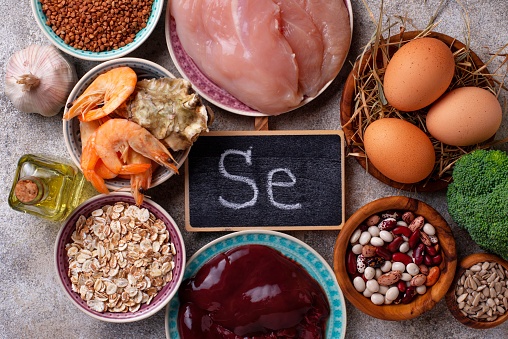
With its name derived from the Greek word “Selene,” selenium has caught attention as a micronutrient since 1817. Selenium (Se) is an essential trace mineral which is of fundamental importance to human health. Trace minerals are those which are required by your body in tiny amounts.
Both organic and inorganic forms of selenium can be absorbed by your small intestine and in turn can be widely distributed in various body tissues and render important biological functions.
Hundreds of health benefits have been linked to it, ranging from its splendid antioxidant capacity to diligently working as a catalyst for production of the active Thyroid hormone (T3) and the list goes on and on.
A wealth of research has put a light on its magnificent role in improving immunity, bad, fertility enhancement, efficient Thyroid gland working and reducing the risk of heart problems.
Apart from the ones mentioned above, Selenium has also established its utmost importance in keeping away metabolic problems. These are disorders that disrupt the normal metabolism, i.e., the process of converting food into energy. Problems of high cholesterol and constantly high blood sugar levels were improved following supplementation with Selenium, a study reveals.
In certain inborn errors, for instance, Phenylketonuria (PKU) in which there is faulty metabolism of an amino acid named- Phenylalanine and manifestation of mental problems, improved patient conditions were observed with Selenium supplementation.
Symptoms of Se deficiency manifest as recurrent infections due to weakened immune system, hair loss, brain fog, fatigue as well as fertility issues in men and women.
Se intake is extremely variable across the world due to a number of factors, including the Se content of the soil in which crops and fodder are grown, soil pH and organic-matter content, and the presence of ions that can bind with Se, making it unavailable.
Recommended dose of selenium varies in different countries in consideration of differences in geographical as well as in living styles of particular populations. This fact enables the effects of both Se deficiency and excess to be observed in the natural world.The effects of Se excess are probably less well known. Apart from some occasional cases of overdose where people have ingested wrongly formulated supplements. You can find Selenium from Brazil nuts, an excellent dietary source and also from organic animal liver and meat.
The World Health Organization (WHO) has made a recommendation on the dose of selenium for adults to be 30 to 40 μg/day and stated that daily intake up to 400 μg selenium shall be considered safe.
Reach out to iThrive to know more about your health concerns.
References:

Synthetic sweeteners have been approved for human consumption by regulatory agencies worldwide and found to be ‘safe’ for use. Although these sweeteners may have value in reducing the caloric content of the diet, their impact on health requires further investigation.
There is growing recognition that ‘safe’ and ‘healthy’ are different considerations. While safety considers disease (e.g. causative in cancer) and/or injury (e.g. toxicity), healthy implies a continued state of optimal physiological functioning (e.g. lack of insulin resistance) (1).
Synthetic sweeteners include- Artificial sweeteners, modified sweeteners and sugar alcohols.
Artificial sweeteners
These are derived through chemical processing of plants and are also known as non-nutritive, high-intensity sweeteners, and non-caloric or low calories sweeteners (LCS).
The Food Safety and Standards Authority of India (FSSAI) has approved six artificial sweeteners, namely
All of them have been widely advertised in the market as excellent ‘sugar substitutes’ because of their low or zero caloric content, ability to not raise blood sugar levels (as table sugar does) and not promoting tooth decay (2). These apparent benefits have caused a drastic increase in the use of these sweeteners and has also led to their extensive and exclusive use in the diet by replacing sugar entirely. This is a matter of concern because the use of artificial sweeteners has been controversial and is riddled with many safety concerns.
Researchers have linked an extensive use of these non-nutritive sweeteners (NNS) with increased risk of bladder cancers (3). They have also been accompanied with caution for usage among high-risk populations such as pregnant and lactating women, diabetics, migraine, and epilepsy patients, and children. Children are especially in focus because of their higher food and beverages consumption, of which these sweeteners are a part of (3).
Artificial sweeteners are widely used every day in a variety of food, cosmetic, and dietary products and so, eliminating their daily use is virtually an uphill task if you continue to consume processed foods.
Moreover, disruption in your gut bacteria, also called Dysbiosis, is now recognized as an active contributor towards the development of obesity and insulin resistance.
Mounting evidence suggests that regular, long term intake of these low dose, low calorie sweeteners (especially Sucralose, aspartame and saccharin) can disrupt the balance and diversity of your gut bacteria and can predispose people to insulin resistance (4).
Modified sweeteners
These are sugars produced by converting starch using enzymes and are often used in cooking or in processed foods. The main modified sugars include caramel, golden syrup, high fructose corn syrup, refined syrup and inverted sugar.
Out of all the sweeteners, HFCS (short for high fructose corn syrup) is the most harmful and detrimental to your health. Corn is the primary starch which is used for the production of these sweeteners. HFCS is made by changing the sugar (glucose) in cornstarch to fructose and it is fructose which is the culprit.
The use of HFCS is pervasive in the food supply, with the products ranging from breakfast cereals, beverages, breads, sauces, spreads, salad dressings, canned fruits, snack foods, desserts, meat and fish products, condiments, dairy products, soups to frozen dinners and other products.
HFCS rich products have shown to drive inflammation which is the risk factor for a number of problems- obesity, diabetes, cancer and cardiovascular diseases (5).
Also, to add to the crisis, some HFCS is made using corn which is genetically modified, i.e., the GMO variety.
In his peer-reviewed study led by Dr. Michael Antoniou at King’s College London describes that polyamines found to be present in increased amounts in GMO NK603 corn include putrescine and cadaverine can enhance the effects of histamine, thus heightening allergic reactions and both have been implicated in the formation of carcinogenic substances called nitrosamines.
However, for those of you wondering about fructose from fruits, it would be incredibly difficult to consume excessive amounts of fructose by eating whole fruits.
Sugar alcohols
This category is the most talked about. Sugar alcohols are a hybrid between a sugar molecule and an alcohol molecule. However, they are neither a sugar nor an alcohol. They have been part of the human diet for thousands of years and are present in fruits such as pears, melons, and grapes as well as mushrooms and fermentation foods (wine, soy sauce and cheese). The most common sugar alcohols that are available in the market are:
Hydrogenated starch hydrolysates (HSH)
Sugar alcohols are believed to be good sugar alternatives for people with diabetes plus they do not contribute to dental caries (cavities). Their caloric value is generally half that of the sugar which we usually use. Plus they have a very low glycemic index, which is great for controlling blood sugar levels. Also known as Polyols, they are usually used as food additives and are used primarily to sweeten sugar-free candies, cookies, and chewing gums. Others common use in the food industry as additives is to give color, to sweeten or to help in food preservation.
In some people, however, they can cause bloating, diarrhea and a gassy situation. It is because sugar alcohols are incompletely absorbed in the small intestines and lead to fermentation, thereby causing flatulence and gastrointestinal distress. There can be an instant reaction seen in some people who are sensitive to these sweeteners. Excessive or over consumption has a laxative effect which results in abdominal discomfort (6).
In our opinion there seems to be no advantage in bringing artificial sweeteners especially of the first two categories into your diet. The risks outweigh the benefits. Sugar alcohols seem relatively safe, though they cause digestive discomfort in some people so tread with caution.
We would recommend you pick natural sweeteners such as dates, raisins, honey in limited quantities if you need to satisfy a sweet tooth.
References:

A sweetener is anything that creates a sweet taste on your tastebuds. They can either be chemically produced (Synthetic) or extracted from plants (supposedly natural). Sweeteners entered the food industry back in the 1800s and are now a staple in processed food.
Classification of Sweeteners
Under the name of sweeteners, the Food and Agricultural Organization includes products used for sweetening that are either derived from sugar crops, cereals, fruits, or milk, or produced by insects. In general, sweeteners can be classified into five major groups,
i) Artificial sweeteners
ii) Modified sugars
iii) Natural caloric sweeteners
iv) Natural zero calorie sweeteners
v) Sugar alcohols
Sweeteners can also be classified as Natural (Naturally occuring sugars) and Synthetic (chemicals and sugar alcohols) depending on their composition and method of processing.
In this article we would focus on the natural sweeteners, their usage and various health impacts.
Natural sweeteners are carbohydrates obtained from vegetables, trees, seeds, roots, and nuts. Some of these natural sugar alternatives include plant saps/syrups (e.g., maple syrup, agave nectar), syrups made from raw sugar and grains (e.g., molasses, barley malt, and brown rice syrup), honey, and fruit or vegetable sugars (e.g., date sugar, carrot, beet sugar).
Refined Sugar
This is the most popular and widely used of all the sweeteners. Made primarily from sugarcane juice, at the factory, cane juice is extracted, purified, filtered and crystalized into golden, raw sugar and further refined into white sugar. It is the most harmful category of sweeteners because of its highly acidic state. Sugar gives you just calories (empty calories) with no nutritional benefit. It can cause inflammation and can lead to leaky gut syndrome (IBS, IBD), Insulin resistance, Diabetes, Obesity, Hypertension and Liver dysfunction. It is the most blamed category for decaying teeth and cavities. Excessive sugar intake can cause your brain to shrink thereby hindering mental capacity.
Besides, higher sugar consumption may even increase your cancer risk by promoting insulin-glucose dysregulation, internal stress, hormonal imbalances and excess obesity (1).
Is Sugar addictive?
Nowadays, sugar has been refined to the state of a chemical-like substance. Indeed, when sugar cane is crushed and drained of all its liquid contents, boiled down to a syrup, shaken and then stripped of all its vitamins, minerals and molasses, we are left with pure white crystals.
This extraction and refinement process is similar to that of other addictive white crystals, that is, cocaine from the coca leaf, and opium from the poppy seed/pod. Thus, it is the refinement of sugar that significantly adds to its addictive properties (2). Over-consumption of sugar also creates a chaos in the brain.
How does one get addicted to sugar?
When you eat sugar, our brain releases dopamine and you start feeling really good. The problem? Dopamine wears off really quick and we look for our next hit, eat some sugar and dopamine is back. Now, sugar causes brain damage. This brain damage worsens depression, so you need more dopamine, so you eat more sugary foods, get high temporarily and this vicious cycle continues. And the addiction worsens. This is how it leads to a perpetual cycle of extreme cravings (3).
Jaggery
While it may be slightly ‘healthier’ to replace refined sugar with a sweetener, it is not really advisable to add jaggery to your diet. It can raise your blood sugar levels because it is ultimately sugar which is marginally less refined. It can trigger the same insulin- glucose dysregulation that sugar does and can be just as addictive as sugar due to the dopamine cycle.
Also investigations carried out in a study done in Uttarakhand, India revealed that the quality of jaggery degrades when stored in hanging baskets and polythene bags (4). We recommend you keep jaggery at the same distance as you keep sugar. Very far away from you.
Coconut Palm Sugar
It also goes by the following names:
Though it is known to have trace amounts of vitamins and minerals, you will have to have a whole lot of it in order to see observable results, which means you would be consuming a whole lot of sugar in the end. Consequently, eating a lot of sugar can lead to sugar addiction and a feeling of being ‘high’.
Maple Syrup
Natural Maple syrup is made by boiling down sap from maple trees until there is a thickened syrup. Natural maple syrup contains minerals, such as calcium and potassium and in small quantities it might be okay for occasional consumption. Maple syrup is also manufactured by combining corn syrup, maple flavoring and coloring. Manufactured maple syrup may not contain the same level of minerals as natural maple syrup and can result in insulin resistance, obesity and inflammation.
Agave Syrup
Agave is a vegan alternative for honey. The nectar or syrup is made from the agave plant, which is also the source of tequila. It is about 1½ times as sweet as white sugar. Agave comes in many flavors and colors, from light and mild to dark and strong. When agave is processed to make syrup, what’s left is mostly fructose — anywhere from 70-90%.
Fructose is fine when consumed as a component of whole foods, like fruit, but on its own can have pretty negative health consequences. Because agave syrup is much higher in fructose than plain sugar, it has greater potential to cause adverse health effects, such as increased belly fat and fatty liver disease.
Beet Sugar
There is a high concentration of sucrose in the sugar beet plant and the sugar is extracted from the same. However, there are concerns regarding its consumption because of the use of genetically modified (GM) sugar beets (5). GM foods can cause antibiotic resistance, food allergies and other possible adverse effects on health. Sugar beets are also used to produce two other varieties of sweeteners, namely, Brown sugar and molasses. Avoid beet sugar as it comes from GM sugar beets.
Honey
Honey is made by honeybees from the nectar of flowers. It is sweeter and has more calories than white sugar. Honey provides temporary relief from problems like eye diseases, asthma, throat infections, tuberculosis, thirst, hiccups, fatigue, dizziness, constipation, worm infestation, piles, eczema, healing of ulcers, and wounds. However, the use of chemicals and pesticides sprayed on crops is impacting the health of honey bees and further also its consumer’s. So the use of organic honey is always promoted. We’ve found use of honey beneficial in our protocols especially due to its antibacterial and antiviral properties.
Dates and raisins
The use of artificial sweeteners is controversial (Refer Part-2). Hence, it is always best to use the naturally sweet foods to satisfy your cravings. Dates and raisins are sweet foods with added benefits because of their inherent and ample nutritional content. They have what we call cellular sugar. The sugar in them is bound to fiber and provides additional nutrients such as minerals. These belong to the safest categories for use, but watch out for over consumption always.
All of the sweeteners mentioned above can be referred to as ‘natural caloric sweeteners’. There are also sweeteners which are natural and also zero caloric. These are sweet-tasting plant-derived natural products, have zero glycemic index and are harmless to teeth, but they can have an aftertaste.
The most popular ‘Stevia’ is included in this category, along with a few others. It is regarded as ‘herbal sugar of the 21st century’ and is considered as a novel sweetener. Though it is a herb, the products publicised in the market involve processing for various reasons- improving shelf life, taste, quality, etc.
Manufacturing techniques usually involve the use of fillers or alcohol tinctures. These hidden ingredients make their use harmful.
Stevia leaves in their natural form might be okay as a sweetener but they have blood sugar and blood pressure lowering properties (6). So it is advised to be used carefully for those who are already on medication for lowering high BP and blood glucose levels.
The other natural zero calorie sweeteners include: Luo Han Guo also known as monk fruit extract, thaumatin, pentadin, monellin and brazzein.
You should always have a closer look for these sweetening agents, as they can cause instant reactions in some people and they have a bitter and metallic after taste.
Growing health concerns of obesity and metabolic problems have been reported over the use of refined and other processed sugar. Hence, there has been an increase in the use of what are called- Artificial sweeteners and their varieties as people believe those are safer to use. But are they really that safe? Find out in our next article in this series:-Sweeteners part 2- Artificial sweeteners
References:




The blog covers functional nutrition, chronic conditions, gut health, hormonal health, autoimmune conditions, sleep, mental health, and root cause analysis. Every article is written to help you understand what is actually happening inside your body, not just manage symptoms.
All articles are written by the content writers in collaboration with iThrive's clinical team of functional nutritionists, guided by the same methodology used in the ALIVE programme. The content is rooted in functional medicine and real clinical experience, not generic health advice.
No. The blog is an educational resource to help you understand your health more deeply. If you are experiencing symptoms or managing a chronic condition, a personalized Root Cause Analysis with a functional nutritionist is the right next step.
Book a Root Cause Analysis. For ₹2,500, a dedicated functional nutritionist will assess 60+ blood markers using optimal ranges and explain exactly what is driving your condition. It is the natural next step after reading about what might be happening in your body.
Yes. Many of our readers come with existing diagnoses and find the blog helps them understand why their condition developed and what their body actually needs. The articles are designed to give you clarity, not replace the guidance of a practitioner.