


read count

read time

.svg)
Jul 22, 2020
The Top 13 Reasons Why You Should Avoid Dairy Products
Are you thinking of avoiding Dairy Products? iTHRIVE is giving you 13 Reasons why you should stop consuming dairy products! Click to know more
We have been told since the beginning of time about all the health benefits of milk and related products. But let us break the bubble because there is a whole different side to this story. The dairy products you have been consuming all this time are in fact doing more harm than anything good.
Here are 13 reasons why you should stop consuming milk and all the other dairy products right away (Better late than never!)
Beta casein A1, a protein present in milk, is directly linked to cause Type 1 Diabetes. The risk develops due to exposure to milk early in the life course, research reveals (1).
Certain compounds may find their way into milk indirectly through dairy animals as residues of pesticides (DDT, lindane, dieldrin, etc.) on feeds/fodder. Several of these compounds get stored in the milk fat and are secreted with it (2). Contaminants may also enter milk directly as a consequence of hygienic or industrial practices (e.g., detergents and sanitizers/disinfectants), or as adulterants as in the case of melamine (often found in plastics and food contact materials and can harm the kidneys and urinary tract) (2).
It is very common for milk to contain residues of pharmacologically active substances (PAS), which have undesirable effects on the quality and technological properties of dairy products and also, more importantly, on your health. A study found the presence of 20 of such active substances from the following categories: antibacterials, nonsteroidal anti-inflammatories, antiseptic, antiepileptic, lipid regulator, β-blockers (3).
Apart from the ones mentioned, hormones like estrogen are injected into the animals in order to increase the yield. While some amount of estrogen is also present in the cow’s body which can lead to further passage into the human body. Estrogen is known to have negative impacts on human reproductive health as well as is linked to cause cancers (4).
Insulin is the only hormone in our bodies that helps in lowering blood sugar levels. The casein present in all dairy products poses a threat to Insulin resistance, meaning our bodies resist insulin, thus leading to high blood sugar levels.
Consumption of dairy products has been linked with a lot of different cancers. Studies have found positive cases of prostate cancer and colorectal cancer in men consuming milk on a daily basis. High circulating levels of something called’ Insulin like growth factor’ (IGF-1) is believed to be the reason causing cancer (6). A large study done on women found that those who consumed the highest amounts of cheddar cream cheeses had a higher risk for breast cancer (7). Dairy intake can also lead to development of ovarian cancer. The reason is believed to be conversion of milk sugar (lactose) to galactose, a sugar which may be toxic for the ovarian cells (8).
Dairy products including milk, yogurt, cheese, butter, ice cream are major food sources containing saturated fat. Saturated fat increases the level of bad fat, i.e., low density lipoprotein (LDL) in your body, which is directly linked to cause heart problems (9).
Using the Yale Food Addiction Scale, designed to measure a person’s dependence on, scientists found that cheese is particularly potent because it contains casomorphins (Casein derived Morphine like substance)- the substance, which is present in all dairy products, can trigger the brain’s opioid receptors which are linked to addiction. Neal Barnard, author of The Cheese Trap, also refers to Caseomorphins as opiates and mentions that these opiates attach to the same brain receptors that heroin and morphine attach to. They are not strong enough to get you arrested, but they are just strong enough to keep you coming back for more.
It has also been found that Casomorphins can destroy pancreatic beta cells, cells which are responsible for making Insulin. This destruction can lead to Type-1 Diabetes. Also, they have the potential to kill your body’s immune cells, subsequently causing autoimmune disorders (11).
In a recent article published in The Times, 60% of the Indian population was found to be lactose intolerant without even realizing the same. Lactose intolerance is the inability to digest milk sugar called lactose. Nursing children make enzymes that break down lactose, but as we grow up, many of us lose this capacity (12). As a result, lactose is not absorbed, but remains in the intestine where it causes symptoms which include upset stomach, diarrhea, and gas (12).
Cow’s milk is among the first foods introduced into an infant and accordingly is one of the first and most common causes of food allergy in early childhood. Various respiratory (wheezing, coughing, asthma) and gastrointestinal (abdominal pain, nausea, vomiting, diarrhea) discomforts and rashes on the skin have been observed (13).
Contaminated milk can cause allergic reactions or indirect problems through bacterial resistance to clinical treatments.
Cow’s milk contains 30 different proteins, of which Casein constitutes 80% share. The allergic reactions upon milk consumption are thought to be because of this milk protein, termed as cow’s milk protein allergy (CMPA) (14).
Cow Milk (CM) allergy can be one of the things that can impact infant and child health. Besides, Colic is an additional concern with milk consumption probably due to either Casein allergy or Lactose intolerance. Colic is a process in which an infant has inconsolable outbursts of crying for more than three hours per day, more than three days per week, for longer than three weeks. Possible treatment options include restriction of any form of milk or dairy product consumption by the breastfeeding mother (15), as the allergens can be passed on from breast milk to the baby and further aggravate the problem.
To assume that weak and brittle bones are due to calcium deficiency is like assuming that infection is due to penicillin deficiency. In fact, these impotent bones are not due to calcium deficiency but rather due to excretion of too much of what you already have. This breakdown of Calcium is due to overconsumption of proteins. Dairy products, as we all know, contain good amounts of proteins and excess protein tends to leach out calcium, in order to buffer the renal acid load as caused by proteins (17).
Also, it has been found in an ample number of studies that milk compounds like beta-casein and D-galactose can negatively impact bone health due to their capability of causing inflammation (18). Also in another study, it was concluded that milk consumption did not prevent fractures (19). This can possibly be due to the fact that several other nutrients play an important role in the cascade of strengthening the bones. (Vitamin D, Vitamin K along with Calcium).
Dairy products, especially milk allergy, can manifest as Eczema along with other symptoms. Psoriasis is a condition in which there are dry, itchy, scaly patches on the skin and is thought to be caused by immune system problems and infections. Dairy products can be triggers for this skin problem because of their capability in causing inflammation as well as infections.
Developing countries like India face greater challenges as a result of incorrect processing or storage of dairy products. Being rich in protein, dairy products represent a transmission hazard for a large number of pathogens and can be responsible for outbreaks of infections like brucellosis, listeriosis, tuberculosis, etc (20).
Besides humans, no other organism drinks milk beyond their natural age of weaning or drinks the milk of another species. Any type of milk whether it is A1 or A2, pure and farm fresh or organic, it does not suit the nutritional needs of humans, so it’s no wonder that consuming it and its derivatives causes us so many problems.
Our recommendation. Ditch the dairy.
Confused about what to eat? Reach out to iThrive on +91 77966 92504.
References:

Hcy, short for- Homocysteine (hoe-moe-sist-een) is an non-essential toxic amino acid derived as a by-product of protein metabolism in the process of conversion of Methionine to Cysteine.
Methionine is an essential amino acid, meaning it cannot be produced by the body, hence should be provided through dietary sources. On the other hand, Cysteine is a non-essential amino acid which can be made in the body using Methionine.
Methionine ————-> Homocysteine ————–> Cysteine
This is done by a process called Methylation and is highly dependent on vitamin derived cofactors, vitamin B12, Folic acid and vitamin B6. If this process is dysfunctional it causes a build-up of homocysteine in the bloodstream.
The level of homocysteine in the plasma is increasingly being recognised as a risk factor for disease and seen as a predictor of potential health problems.
Your homocysteine levels (or H Score) are more important than cholesterol, your blood pressure and even your weight as a measure of your health. In recent years high homocysteine has proven to be a reliable indicator of risk for heart attacks, strokes, memory decline and Alzheimer’s.
Your homocysteine level or H score is well worth knowing – it’s more important than your cholesterol level.
For example, a massive US survey of 136,905 patients hospitalized for a heart attack found that 75 per cent had perfectly normal cholesterol levels and almost half had optimal cholesterol levels! Elevated homocysteine levels affect the interior lining of blood vessels in the body, increasing the risk of atherosclerosis or narrowing of blood vessels and can also increase formation of clots. This can result in early heart attack and stroke.
The methylation cycle helps us to operate both physically and mentally, so it may not be surprising that many different functions in the body use this process.
Some functions include nervous, cardiovascular and immune system activity, as well as energy production, heavy-metal detoxification and hormone balance. Another important bodily function that methylation is connected to is DNA (1).
Methylation is a process that is essential for our DNA to work properly, and it may be the link between our environment, nutrition and disease.
Methylation and homocysteine though get caught in a vicious cycle.
Excess homocysteine build-up will result in a dysfunctional methylation cycle and if your methylation process is dysfunctional due to deficiencies of B-12, B-6 and Folate it will result in a buildup of homocysteine leading to condition called hyperhomocysteinemia.
Hyperhomocysteinemia is a state in which excess homocysteine is present in the body i.e above normal levels. As stated earlier, as per our optimal health guidelines, your H- Score should ideally be below 6.
Causes-
The most common cause of hyperhomocysteinemia is an enzyme defect associated with homocysteine metabolism. Dysfunction of enzymes and cofactors associated with the process of Homocysteine conversion can possibly be causative factors.
Genetic errors in enzymes or absence of these enzymes are directly linked to the higher level of homocysteine. A deficiency in CBS i.e.,Cystathionine beta synthase is the most common reason for an increase in homocysteine because CBS converts homocysteine to cysteine (3).
Some other factors include:
-Diets deficient in nutrients which help in lowering homocysteine levels like- Folic acid, Vitamin B6 and B12, Zinc and TMG (trimethylglycine)
-Excessive Methionine (Protein) intake
-Certain diseases- Chronic renal failure as a result of which there is reduced elimination and Hypothyroidism in which antithyroid drugs can possibly cause the increased amounts. Also malignant tumors can cause Folate deficiency and altered Homocysteine conversion (3)
-Side effects of some drugs such as proton pump inhibitors, cholestyramine, metformin, methotrexate, nicotinic acid (niacin), fibric acid derivatives, and oral contraceptive pills (3)
-Poor lifestyle – especially smoking and high coffee and alcohol intake
-In youth, elevated levels of homocysteine may arise due to sickle cell disease or nutritional factors. Studies have shown that consumption of meat and dairy based products can also bring about an increase in circulating levels of Homocysteine (4).
Such high levels of circulating Hcy pose a threat for underlying diseased conditions across different age groups, right from little children (high homocysteine levels have been associated with autism like symptoms) to the elderly.
In pediatric populations, Hcy levels are important not only for cardiovascular disease, obesity, and renal disease, but the most interesting evidence concerns study of elevated levels of Hcy in autism spectrum disorder (ASD) and attention deficit hyperactivity disorder (ADHD) (5).
In another study, Homocystinuria was observed in newborns. Homocystinuria is a disorder of methionine metabolism, leading to an abnormal accumulation of homocysteine in blood and urine which is normally not detected in appreciable quantities in blood and urine (6). These high levels show probable vitamin b12 deficiency, MTHFR deficiency (6). The enzyme MTHFR is necessary for conversion of Homocysteine to Methionine and high circulating Homocysteine levels were observed because of apparent Folic Acid deficiency. Folic acid is needed for the functioning of MTHFR enzyme. The detection of these deficiencies early in life can help in timely course of action for treatment.
Studies of children and adolescents indicate elevated homocysteine levels are linked with elevated blood pressure levels and increased weight (7).
Moreover, high levels of Homocysteine have the ability to damage blood vessels (3) and it is because of this reason that it is considered as a potent risk factor for the development of Cardiovascular diseases.
Some studies have found Hyperhomocysteinemia to be the underlying cause behind age related macular degeneration (AMD) as a result of increased inflammation. AMD causes loss in the centre of the field of vision, thus leading to blurred vision (3). Hearing loss is another disease provoked by high blood homocysteine level and is thought to be due to direct damage to neurons (3).
In pregnancy, Hcy levels were investigated in relation to the increased risk of adverse pregnancy outcomes such as baby born smaller in size than usual, high BP during pregnancy, recurrent abortions, low birth weight, or growth restriction within the uterus (5)
Further, research also revealed a relation between Ovarian cancer and high homocysteine levels due (8). Also, in a study conducted with postmenopausal women, hyperhomocysteinemia happened to cause colorectal cancer (3).
It is documented that Homocysteine affects bone mineral density.This could result in bones becoming less rigid, increasing the chances of fracture (9). High levels of Homocysteine are known to disrupt insulin signaling, thus, causing insulin resistance (4). Research has also shown hyperhomocysteinemia to cause Alzheimer’s disease due to its ability to worsen Beta-amyloid plaque formation, which are known to lead to the onset of the disease (10).
Finally, a focus on the principal pathologies of the elderly (cardiovascular and neurodegenerative disease, osteoporosis and physical function) are also presented due to high homocysteine levels. Elevations in blood homocysteine levels have shown to be associated with common problems seen with aging, such as cognitive impairment, dementia, depression, osteoporotic fractures, and functional decline (11).
It is said that Hcy is one of the best predictors of overall health and even the risk of death.
So you see, it’s important to keep your homocysteine levels below 6, tribe. It is an important marker of internal health and the earlier you identify the build-up, the better it is for you.
The good news is that homocysteine levels can be tested and high homocysteine levels can be normalised through iThrive’s approach (because we get to the root cause of your high levels).
Get your homocysteine levels checked at the earliest and reach out to us at iThrive to learn how to bring them down to normal levels.
References:

If someone would have told us in January 2020 that a supposed virus would bring all of human civilization to a standstill we’d have probably laughed (a lot) and asked them which apocalyptic movie from Netflix were they talking about. That joke is now our reality.
Life as we knew it, has come to an abrupt end. All of humanity is on a pause mode because of the fear of a virus. Everyday we hear debates on the number of deaths, percentage of mortality, number of infected people and so on. The entire world except for Sweden and Belarus is under lock-down.
These ongoing lock-downs are presenting their own set of problems. As people work from home, the boundaries between personal time and work time seem to have blurred. We’ve had people reporting to us how because of extra workload they are unable to fit in self care practices like cooking healthy meals and eating on time. With gyms closed, most people have given up on their exercise and workout routines. People have been reporting sleep issues. Social isolation is creating a whole new host of mental health problems, cases of domestic abuse and violence have increased. There is no doubt that the lock-down is harsh on us, but somewhere there all of us need to acknowledge our own responsibility for this scenario.
What? How is this our responsibility?
Well, most of you are afraid of this mysterious virus. That it will somehow infect you and you may not be able to fight and it might kill you or your loved ones. Data from all over the globe has been consistently showing that it’s not the virus itself, but the body’s inability to fight it that results in death. If you have underlying conditions such as diabetes, obesity, high blood pressure, asthma you are more likely to die than others. You can read more about this here. The question then is why do some people get sick while others stay healthy? And among those who become infected, why do some people fare so much better than others of the same age and gender? Over and over again, it turns out that a person’s diet and lifestyle makes an enormous difference.
Now, the probability of any of the Thrive tribe members succumbing to the disease is very, very low because we take 100% responsibility for our health and fix every underlying dysfunction with a warrior’s mindset. Our bodies are now so stable that a viral infection wouldn’t threaten our existence. For the last 3 years Thrive has been reversing people’s diabetes, helping them lose weight, getting rid of their high blood pressure and getting them off medication. In short, we’ve been healing the exact comorbidities that seem to increase the chances of death with this viral infection. Besides which, iThrive is no stranger to viruses, bacteria and other pathogens- we’ve healed people from H.Pylori, Streptococcus, Epstein Barr Virus and other assorted microorganisms. We don’t fear them, we simply treat them and the root causes that allow them to create a dysfunction and they go away.
That being said, we know the rest of you genuinely fear for your and your loved ones lives because you don’t know if you’d survive the infection. This article is for you. Please pay attention. You fear the infection only because you don’t know if your body can fight it off. This fear triggers an ancient primeval fear response in your brain and you start producing stress chemicals. Did you know, the more afraid you are- the less empathy you have, your relationship with logic changes and your intelligence drops? Even if this particular supposed pandemic clears up, something like this can recur in the future.
The question all of you should be asking is “How do I prepare for that, not just for now but for the rest of my life?”
Right now, if you aren’t confident about your body’s ability to heal, it’s highly likely that you’ve never bothered to invest time and energy in fixing your health problems. You probably are one of those who valued your freedom to eat whatever you wanted more than you valued being free of disease. You are one of those that shruggs off any information on becoming healthier versions of yourself because either you were too addicted to your comfort foods, your junk food and your unhealthy behavior patterns. Or you thought this wasn’t an important enough issue for you to address right now because you had your entire life ahead of you. Or you just didn’t want to invest the time, energy and money into learning about what your body needed and how to take care of it. This is what we mean by not taking responsibility for your own health.
Truth be told, your irresponsibility is now making you afraid. Your irresponsibility makes it easier for a supposed pandemic to take control of our lives. Along-with that you are now experiencing the mental and emotional repercussions of being under a lock-down. Your inability to take personal responsibility for your health, makes the entire situation worse for you and your family. It makes it worse for your world. Do you see the connection?
However, we are not writing this to make you feel guilty or ashamed. We write this to give you hope. To tell you that you don’t have to be afraid. That all is not lost. See, the human body is incredibly intelligent and resilient. We have seen it heal magically in a period as less as 3 months in most cases. All one needs to do is listen to every signal it sends to you, understand the message and take the appropriate action.
Imagine a day in your life where your body is not a mystery, where you are not afraid of some mysterious virus coming and taking over your system and destroying it. Imagine a day where you didn’t feel fat, ugly, tired, in pain or dull. A day where you look and feel beautiful and courageous. Imagine a day in your life where from the moment you wake up till you go to bed you are filled with confidence, inspiration and drive. A day where you accomplished everything you wanted to. Now imagine another day like this and another and another, until your whole life looks like this.
Close your eyes and really, really imagine this.
Isn’t this a much better future than the one you are currently creating- one filled with anxiety, fear and dread about your health and your loved one’s health?
What if we told you this alternative future isn’t an elusive dream but a real possibility? Would you be willing to talk about this possibility? Well then, what’s stopping you? You are not alone in this. We’ve got you. Talk to us and we’ll help you create this future. Because if you don’t do this now, then when would you? It’s a decision whose time has come.
Share this article with your loved ones too so that they don’t have to be afraid either.

A doctor juggles between lots of roles. From being a physician to a provider at home and finally being a member of a family. It’s tough to be at all the places and be everything at the same time. For some doctors, patients are the first priority. They love to serve humanity and this was the reason why they chose medicine as their career. This sometimes elevates them to a God-like status. And this leads to a lot of people blindly trusting their doctors even for nutrition about lifestyle diseases.
Well, we just want to showcase some facts, so that you can decide for yourself.
1. Education/training in nutrition
Globally, medical curricula have been described as lacking sufficient nutrition education. A lack of nutrition education within medical training has been highlighted as a major barrier for doctors to provide nutrition advice . Studies in the US have described nutrition education within medical degrees as insufficient and highlighted the lack of standardized competencies, resulting in nutrition education ranging across medical programs from none, to short lectures, to nutrition rotations . A recent study from Ghana explored medical students’ opinions on nutrition education within the medical curriculum . The students described nutrition education as inadequate for various reasons, including the low priority of nutrition education and poor translation to clinical practice.
2. Time constraints
In Australia and New Zealand, doctors consistently report that they do not have adequate consultation time to provide nutrition advice . Australian GPs have reported spending between 1–5 minutes discussing the patient’s diet, when and if they provided nutrition advice . Supporting behavior change for chronic disease requires rapport development with patients, and an understanding of individual’s psycho‐social needs and how to motivate them to change; this will take significantly more time than is available in a typical 15‐minute general practice appointment
However, providing sufficiently detailed nutrition advice that is relevant to a patient’s health goals, useful for the patient, and that results in measurable changes, is not common in practice settings. Numerous challenges and barriers have been identified for why doctors do not provide nutrition recommendations to their patients.
A lack of nutrition education and training and time constraints during appointments. Although patients trust their doctor and hold their advice in high regard , their doctor might not have the time and skills to effectively communicate optimal diet advice that can enable their patients to make behavioral change.
Nutrition and Dietetics programs typically involve either 3‐year Bachelor’s or 2‐year Master’s level training to develop competence and enable accreditation in providing dietary counselling services and medical nutrition therapy to patients. It is therefore understandable that doctors report having a lack of confidence and knowledge or indeed the complex skills required for effective, person‐centered nutrition counselling.
For doctors to be able to provide nutrition advice and recognize the need for referral for more specialist nutrition therapy, the nutrition knowledge and practice gap within the medical profession needs to be bridged.
Not only do doctors require nutrition knowledge, they also require practical skills and guidance on how to integrate nutrition advice into their own practice. While the deficit of doctors’ nutrition knowledge and provision of nutrition advice is recognized, with barriers and challenges identified, doesn’t it make more sense to then seek nutrition advice from the ones most qualified to provide it?
A good nutritionist begins their work understanding the root causes of anyone’s health dysfunction which takes anywhere between 1- 2 days.
Next, based on the data from that analysis, they would customize healing solutions for the person by working with the most powerful medicine on this planet- Food. Since each body responds differently to food, a ‘one-size-fits-all solution’ never works. They then find a solution that works optimally for each person.
What follows next is the is the the most important part of a well designed nutrition and lifestyle coaching system- there SHOULD be genuine care and a true partnership with each of the patients with discipline, persistence and plain old sincerity until their health problems are permanently resolved from the root.
And lastly because healing never happens in isolation, some of the best coaching programs offer the support of a community and a tribe.
This is the only prescription one needs to heal holistically from chronic diseases like obesity, diabetes, high blood pressure, PCOD/ PCOS, high cholesterol, skin and gastrointestinal problems etc.
At The iThrive Life we follow this four fold model very closely and have seen phenomenal results. That’s how we truly make diseases disappear.

In a world that glorifies hustle, sleep has become the silent casualty. But did you know that skipping your good night’s sleep is damaging your body, brain, and emotional health? In India, sleep deprivation is now a crisis. According to a study, 64% of India’s urban population wakes up before 7 AM, and 61% sleeps less than 7 hours a day- much lower than the recommended 7- 8 hours.1
This lack of quality night sleep is linked to weakened immunity, hormonal imbalance, weight gain, anxiety, and poor productivity. As sleep disorders like insomnia and sleep apnea rise, we’re beginning to understand just how crucial the benefit of a good night sleep truly is.
Want to know the ways to sleep better, foods that help, and how to reclaim a great night's sleep? Keep reading to discover why the importance of good sleep goes far beyond just rest.
When you get better sleep, your body's hunger-related hormones remain in balance. Ghrelin, the hormone that increases appetite, rises when you're sleep-deprived, while leptin, the hormone that signals fullness, decreases. This imbalance leads to increased hunger, especially for calorie-dense and sugary foods.
Studies have found that a short sleep duration increases ghrelin and reduces leptin, contributing to weight gain and poor dietary choices.2
People who sleep less than 6 hours a night are more likely to consume 200-500 kcal/day more than those who sleep 7- 8 hours, according to research3. This increase in intake, often from high-fat and high-sugar foods, results in increased BMI and obesity risk.
Inadequate sleep leads to poor food decisions: more snacks, more late-night eating, and reduced fruit and vegetable intake. Poor sleep is associated with higher consumption of fast food, saturated fat, and added sugars.4
Research shows that people who sleep well are 33% more likely to stick to a diet and lose weight effectively.5 Good night’s sleep supports better energy regulation, hormonal balance, and mental clarity needed for consistent lifestyle changes.
In a study, it was observed that people on calorie-restricted diets lost more fat when they slept 8.5 hours vs. 5.5 hours. Lack of sleep favours muscle loss over fat loss, reducing the efficiency of weight-reduction programs.5
Inadequate or poor-quality sleep increases cortisol and impairs insulin sensitivity. This makes fat storage more likely and metabolic health more fragile, even during calorie restriction.6
Sleep deprivation was shown to increase hunger by 24%, reduce leptin, and elevate ghrelin and cortisol levels, increasing cravings for sugary and fatty foods.1
Research states that people sleeping 7 to 8 hours had the lowest mortality rates from all causes, including ischemic heart disease, cancer, and stroke.7
While treatment awareness for hypertension has improved, its prevalence has still increased- coinciding with declining average sleep duration. People aged 32-59 sleeping less than 5 hours per night had a significantly higher risk of developing hypertension. This link was not found in older individuals, suggesting that middle-aged adults are especially vulnerable.8
A short night sleep can disturb the body’s normal sympathovagal balance, tipping it toward increased sympathetic nervous activity. Sleep-deprived individuals often experience elevated blood pressure the following day. 9
Similarly, an increased sympathetic tone and reduced parasympathetic activity were found during 36 hours of sleep deprivation in healthy individuals.
Even among healthy people, short sleep duration triggers physiological changes that lead to long-term cardiovascular risk. Research consistently shows a correlation between poor night sleep and CHD mortality.
Sleep restriction can impair glucose metabolism and increase insulin resistance. Young men sleeping only 4 hours for six nights had:
Further, for older adults:
Short sleep disrupts the endocrine system, particularly through increased sympathetic activation, leading to:
The circadian system, which governs our internal 24-hour body clock, plays a critical role in the timing of immune responses. This biological rhythm affects when immune cells are released, activated, and transported.
During the day, differentiated immune cells like cytotoxic natural killer (NK) cells and terminally differentiated cytotoxic T lymphocytes (CTLs) are at their peak. This aligns with our active phase, when we are more likely to encounter pathogens or tissue damage.
At night, particularly during deep sleep or slow-wave sleep (SWS), less differentiated cells, such as naïve T cells and central memory T cells, peak. These are vital for starting a slower, more adaptive immune response.12
The hormonal environment during a great night’s sleep, especially early in the night, is uniquely tuned to support immunity. Key changes include:
This hormonal balance during early night sleep supports:
Lack of sleep or prolonged sleep curtailment has significant negative impacts. It can trigger a stress response that leads to:
Mental and Cognitive Benefits
A great night’s sleep enhances brain function by supporting memory consolidation, learning ability, creativity, and problem-solving. During sleep, your brain is actively processing information, solidifying memories, and even organizing ideas.
Memory consolidation is the process by which short-term memories (like things we learn during the day) are transformed into long-term memories. This process happens mainly while we sleep.
New information is initially stored in the hippocampus, a part of the brain known for short-term memory storage. Like a memory scratchpad, the hippocampus can only hold so much. This is where the benefit of a good night’s sleep becomes vital.
According to studies, Stage 2 and Stage 3 sleep- particularly deep non-REM sleep help refresh the brain’s ability to learn. In one experiment, participants who napped between two learning sessions performed significantly better in the second session than those who didn’t nap. This suggests that night sleep plays a critical role in preparing the brain for new learning by clearing the hippocampus for fresh information storage.12
The power of a good night’s sleep extends to memory recall. Modern studies confirm that people who sleep after learning retain 20%-40% more information than those who stay awake.12
Research states that stage 3 deep sleep acts like a “courier,” transferring memories from the hippocampus to permanent brain storage. This transition ensures you retain information long-term - a key benefit of consistent, restorative sleep.12
Problem-solving isn’t just about logic - it also demands creativity. That’s where REM (Rapid Eye Movement) sleep comes in. In one study, participants woke up during REM sleep performed 15-35% better on anagram puzzles than those woken during non-REM sleep or those who tried the puzzles during the day.
Sleep isn't just rest- it's restoration. When you get better sleep, your body repairs tissue, balances hormones, and strengthens memory and cognition. These physiological processes translate directly into better performance at work.
A night of uninterrupted rest enhances concentration and cognitive function. Employees who get a great night’s sleep can process information faster, make smarter decisions, and commit fewer errors at work. Sleep deprivation, on the other hand, impairs judgment and slows reaction time, which can be costly in high-stakes environments.13
One major benefit of a good night sleep is emotional regulation. Sleep helps the brain reset emotional responses, reducing irritability and boosting patience and empathy. This plays a key role in teamwork, leadership, and interpersonal communication. Research shows that inadequate sleep contributes to mood swings, anxiety, and higher stress levels.13
If you've ever felt drained at your desk by noon, poor sleep may be to blame. A good night’s sleep fuels both the body and brain, leading to sustained energy and higher motivation. Workers who sleep well are more engaged, enthusiastic, and resilient to workplace challenges.
Chronic sleep deprivation doesn't just reduce productivity- it increases the risk of serious health conditions like heart disease, obesity, and type 2 diabetes. These health issues lead to more sick days, lower job performance, and burnout. Supporting the importance of good sleep is also critical for long-term workforce resilience. Research says that13-
A great night’s sleep supports healthy brain function by restoring emotional balance and reducing reactivity. During REM sleep, which occurs mostly during night sleep, the brain processes and integrates emotional experiences. This helps with emotional regulation, resilience, and rational decision-making.
Lack of quality sleep can lead to irritability, heightened emotional reactivity, and difficulty concentrating- affecting personal relationships and work life. In contrast, one of the key benefits of a good night’s sleep is improved mood and mental clarity. Sleep acts as a built-in emotional reset button.
Sleep disturbances like insomnia or frequent waking are closely linked with mental health issues. Studies have shown that people who regularly get poor sleep are at a much higher risk of developing mood disorders such as depression and anxiety. In fact, chronic sleep problems can both predict and worsen these conditions.14
People with depression often report fragmented sleep, while those with anxiety struggle with falling and staying asleep. Addressing sleep quality through lifestyle changes, therapy, and better habits can be a powerful way to ease these disorders.
Sleep plays a crucial role in restoring energy and repairing the body after intense physical activity. During a great night’s sleep, the body releases growth hormone, which aids in muscle repair, tissue growth, and bone development- all vital for athletic training and recovery. Reaction time and decision-making, which are essential in competitive sports, are significantly sharper after a full night’s sleep. Moreover, endurance is improved as adequate rest ensures better glycogen storage- a key energy source during prolonged physical exertion.15
One of the lesser-known but critical benefits of good sleep is its role in reducing injuries. Research indicates that athletes who consistently get better sleep are less likely to suffer from strains, sprains, and overuse injuries. In fact, even an additional hour of quality rest can drastically reduce injury risk. In contrast, sleep deprivation can impair coordination and concentration, increasing the likelihood of accidents during both training and competition.15
Sleep also helps in immune regulation and energy balance. Inadequate sleep decreases glycogen reserves, which can leave athletes feeling drained sooner during physical activity. Prioritizing good nights consistently isn’t just a recovery tactic- it’s a key preventive strategy.
For student-athletes, balancing academics and sports can be challenging. However, the importance of good sleep cannot be overstated. Research shows that students who get a full night’s rest perform better academically and athletically. Quality sleep supports memory consolidation, learning, and mood regulation, helping young athletes stay focused, motivated, and resilient.14
While individual needs vary, most high school athletes should aim for at least 8 to 10 hours of sleep per night. Younger athletes may need even more. The goal isn’t just quantity but also quality; a restful, uninterrupted night is what leads to the best recovery and performance.
Sleep is not simply “resting”; it’s an active process that rejuvenates nearly every system in the body. During a great night's sleep, neurons reset, muscles relax, and the brain processes information. This restoration helps boost concentration, emotional regulation, and learning capacity- all essential skills in any job.
When individuals regularly miss out on quality night sleep, their ability to focus, retain information, and manage emotions declines. Nearly 1 in 3 people sleep less than the recommended seven hours per night. This chronic sleep deprivation spills into the workplace- studies show 38% of employees reported feeling fatigued at work in the last two weeks.
Sleep loss can lead to a decline in mental clarity and slower physical reaction times. Microsleeps are the brief, involuntary episodes of inattentiveness that cause mistakes or accidents, especially in jobs that require vigilance. These lapses aren't just inconvenient; they can be dangerous in fields like healthcare, transportation, or emergency response.
The phrase “beauty sleep” isn’t just an old saying; there’s solid science behind how your nightly rest directly impacts how your skin looks and feels. From hydration to collagen production, sleep affects everything.
Sleep is your skin’s most powerful rejuvenation tool. While you’re enjoying a deep, uninterrupted night sleep, your body goes into repair mode- rebuilding skin tissues, producing collagen, and flushing out toxins. But if you skimp on rest, your skin pays the price.
Sleep deprivation can lead to a host of issues: dryness, dullness, puffiness, and even premature aging. Studies have shown that people who don’t get a good night’s sleep show more signs of skin aging and reduced skin barrier function.16
One of the earliest signs of sleep deprivation is dry, flaky skin. During night sleep, your body maintains moisture balance and strengthens the skin’s barrier. When sleep is compromised, the skin loses hydration through increased transepidermal water loss.
Sleep deprivation impairs the skin barrier, which results in more water escaping and less hydration staying in. This results in dry skin, which can further trigger flare-ups of conditions like eczema and rosacea. Getting enough sleep each night is one of the simplest ways to maintain hydrated, glowing skin.
If your skin looks dull or lifeless, a lack of sleep could be a hidden culprit. According to research, people who don’t get better sleep show more signs of sallowness and dullness in their facial skin.
When you sleep, your circulation improves, delivering oxygen and nutrients to the skin. Without a great night’s sleep, this natural glow fades, leaving the skin looking flat and fatigued.
One of the most visible signs of a poor night’s sleep is the appearance of dark under-eye circles. Fatigue, worsened by inadequate sleep, makes those shadows under your eyes more prominent.
Collagen is the protein that keeps your skin firm, elastic, and youthful. And yes-sleep plays a direct role in collagen production.
When you miss out on sleep, cortisol levels stay high. This stress hormone interferes with collagen formation, making your skin lose its bounce and glow.
Furthermore, growth hormone, which helps stimulate collagen production, is released during deep sleep. Without proper rest, your skin loses that nightly repair window. Over time, this leads to fine lines, wrinkles, and sagging.
Another lesser-known side effect of sleep deprivation is oilier skin. When cortisol levels rise due to lack of sleep, your skin starts producing more sebum. This excess oil clogs pores, leading to acne, inflammation, and even rosacea.
Your skin barrier is your first line of defense against environmental stressors like UV rays, pollution, and harsh weather. Poor sleep makes this barrier more vulnerable.
Sleep loss diminishes the function of the skin’s protective barrier. When you don't get better sleep, your skin can’t properly shield itself from external harm. This leads to faster aging, irritation, and even infections.
Getting a good night's sleep isn’t just about feeling fresh. Set routines, explore ways to sleep better, try your best foods before sleep, and make your nights count. Remember, the importance of good sleep isn’t a luxury- it’s a necessity. Invest in your rest because a good night leads to great days.

You might have heard a myriad of definitions/meanings of the word ‘Stress’. But what are we actually talking about when we discuss stress?
Normally, many of us use the word stress to direct the negative experiences of life that make us feel overwhelmed. Merely thinking about it gives us a false impression of its true nature.
However, stress is actually our body’s reaction to the changing and demanding environment around us. It is more about our capacity to deal with change than it is about feeling good or bad. Change is the only constant, they say. Changes happen all the time and stress is in large part what we feel when we are reacting to it. Thus, we can define it by saying that it is a series of emotional, physical and cognitive responses to a change.
The most threatening thing about stress is it can easily creep up on you and you get used to it. Before you even start noticing, it starts affecting you. It starts to feel familiar, normal and eventually takes a heavy toll on your body in the form of what is called ‘Stress Overload’. Hence, it is very necessary to be conscious about the typical warning signs and symptoms of stress overload-
Cognitive symptoms:
Emotional symptoms:
Physical symptoms:
Behavioural symptoms:
The situations and pressures that can cause stress are known as Stressors. Scientists at the Centre for Studies on Human Stress (CSHS) classify stress into the following 4 categories-
Physiological (or physical) stressors
These are stressors that put strain on our body (i.e.: very cold/hot temperatures, injury, deficiencies, toxins, pathogens, dysfunctional organs or pain).
Psychological Stressors
These are events, situations, individuals, comments, or anything we interpret as negative or threatening (i.e. : inability to accept uncertainty, rigid thinking and lack of flexibility, negative self-talk, all-or-nothing attitude).
Absolute Stressors
These are stressors that everyone exposed to them would interpret as being stressful. These are objective stressors that are universal (i.e.: earthquakes, a tsunami).
Relative Stressors
These are stressors that only some exposed to them would interpret as being stressful. These are subjective stressors that cause different reactions in different people (i.e.: time pressure at work, traffic, paying taxes, writing an exam).
Briefly said, a stressor is anything that causes the release of stress hormones.
We’ve seen this stress in every case we’ve worked with- a constant, underlying primordial fear based response to the environment around us.
Stress is a complex phenomenon and each individual has his/her own level of stress tolerance.
Exposure to stressors results in a series of coordinated responses often referred to as ‘stress responses’ which are composed of series of reactions in the body including alterations in behaviour, autonomic function, secretion of multiple hormones and various physiological changes in the body. (See images)
*Amygdala- It is the integrative center for emotions, emotional behavior, and motivation inside the brain.
*Hypothalamus- It is a small region at the base of the brain that is responsible for releasing hormones, regulating body temperature, maintaining daily physiological cycles, controlling appetite, managing sexual behavior and regulating emotional responses.
*Adrenal gland- Adrenal glands are composed of two parts(the cortex and the medulla) each responsible for producing different hormones that help regulate metabolism, immune system, blood pressure, response to stress and other essential functions.
*CRH-Corticotropin-releasing hormone (CRH) is a peptide hormone involved in the stress response. Its main function is the stimulation of the pituitary synthesis of ACTH, as part of the HPA Axis.
*ACTH- Adrenocorticotropic hormone (ACTH) is made in the pituitary gland and is needed for adrenal glands to work properly and help the body react to stress. ACTH stimulates the release of another hormone called cortisol from the adrenal gland.
*Adrenaline- Released by the adrenal glands in response to stress, it works by increasing the heart rate, increasing blood pressure, expanding the air passages of the lungs, enlarging the pupil in the eye, redistributing blood to the muscles and altering the body’s metabolism, so as to maximise blood glucose levels.
*HPA axis- It is short for hypothalamic-pituitary-adrenal axis. The HPA axis is a term used to represent the interaction between the hypothalamus, pituitary gland, and adrenal glands It is the body’s second component of the stress response system.
The body’s stress-response system is usually self-limiting. Once a perceived threat has passed, hormone levels return to normal. As adrenaline and cortisol levels drop, your heart rate and blood pressure return to baseline levels, and other systems perform their regular activities.
However, long-term or chronic stress is challenging. Under constant stress, the body does not receive a clear signal to go back to its normal functioning.
Over time, continued strain on your body from stress may contribute to serious health problems, such as heart disease, high blood pressure, diabetes, and other illnesses, including mental disorders such as depression or anxiety.
Stress is a fact of life, wherever you are and whatever you are doing. You cannot avoid stress, but you can learn to manage it so it doesn’t manage you.
When you change your mind about stress, you can change your body’s response to stress. Rethink your stress response to stress as something helpful.
A study revealed that stress makes you social. The hormone Oxytocin is released that fine tunes your brain’s social instincts. Oxytocin is a natural anti-inflammatory and helps in healing your heart from the stress induced damage.
Moreover, our body has a built-in stress resilience mechanism known as Human Connection. When you reach out to others under stress, you release more oxytocin and your response to stress becomes healthier and you recover faster from it.
At Thrive’s here’s what we do to help people perceive and respond to stress better
During a stressful event, your adrenals are overworked and are constantly pushed to release Adrenaline and cortisol along with other hormones.
Some specific nutrients like complex carbohydrates, proteins (tryptophan, phenylalanine and tyrosine, theanine) Vitamin C, Vitamin B, Magnesium, and Selenium play a very important role in reducing the levels of cortisol and adrenaline in the body and also the stress chemicals that activate fight and flight response(6).
These nutrients play a very specific and important role in stress management. Hence, fixing the deficiencies of these nutrients is an essential step towards ensuring an optimal adrenal health.
Toxins and photogenic load as physiological stressors in the body can cause hormonal imbalances, improper functioning of your enzymes, displacement of structural minerals, and can damage your organs(7). It is very important to look for these toxins and pathogens and flush them out of your body.
Chronic stress and adrenal dysfunction floods our body with excess adrenaline, which eventually begins to impact other organ systems. Our adrenal healing protocol is designed to give your body the right mix of glucose and mineral salts your adrenals need for optimum function.
Stress brings about physiological changes almost throughout the body. All your organs strive to cope up with the stress. Overtime, stress can cause some organs to not function properly. Hence, it becomes necessary to make sure that your organs are working to their fullest capacity.
Meditation helps you to calm down and focus your attention. It produces a deep state of relaxation and helps you to eliminate negative and jumbled thoughts, causing enhanced well-being. It primes you perceive and respond to stress better.
Deep breathing is one of the best ways to lower stress in the body. This is because when you breathe deeply, it sends a message to your brain to calm down and relax. It is impossible to be stressed and anxious while you are breathing deeply.
We as humans were meant to exist in a tribe, to work together towards the greater good of the tribe out of feelings of mutual love, trust and connectedness. In return, as a whole, the tribe always had your back. It’s the loss of this collective that makes everyone stay on their guard.
The best way to resolve your stress though is by finding the root causes for the same which is something we are exceptionally good at. If you’ve been struggling with stressful episodes, and would like to learn more about how we can help you.
References:

Coronaviruses are a large family of viruses and COVID-19 is a new strain discovered in 2019. As of 26 March 2020, the World Health Organization (WHO) reports over 4,00,000 positive cases and more than 20,000 deaths, with the numbers rapidly increasing with new cases being reported from different territories.
From what experts know so far, certain comorbidities place those who test positive for COVID-19 at higher risk of mortality. A study on COVID-19 hospitalized patients from Wuhan found almost half of the cases (48 percent) suffering from underlying chronic diseases. Of the total cases, 30 percent had hypertension, followed by diabetes (19 percent) and coronary heart disease (8 percent).
Other countries are also seeing how pre-diagnosis health plays an important role. Italy reported that of the first nine people younger than 40 who died of COVID-19, seven were confirmed to have “grave pathologies” such as heart disease. According to a report on patient characteristics from Italy’s National Institute of Health released March 17, 99% of COVID-19 patients who have died had at least one pre-existing condition (from heart disease to high blood pressure diabetes to kidney diseases) and nearly 50% of the patients who died had three pre-existing conditions.
According to the World Heart Federation, “non-communicable diseases (NCD), specifically chronic obstructive pulmonary disease, heart disease, hypertension and diabetes are major risk factors for developing severe symptoms of COVID-19.”
To begin with, NCDs are today the world’s biggest killers, leading to 71 percent of all deaths in 2018. Sixty-three percent of all deaths in India are attributed to NCDs, with 23 percent at risk of premature deaths.
At Least 27 of Indian COVID-19 patients (out of the total 38 at the time writing this blog) had one thing in common — they all had underlying conditions like diabetes and hypertension that are believed to have compromised their body’s fight against the pandemic.
The need to reverse chronic dysfunctions thus takes on deeper urgency in India because the country is estimated to have over 8 crore hypertension patients, and around 7.29 crore diabetes cases among adults.
As COVID-19 diagnosis continue to rise across the globe and death counts due to assorted health reasons increase, most of those have been attributed to underlying diabetes, high blood pressure, heart problems and poor respiratory health.
The Louisiana Department of Health states that out of the total deaths resulting from COVID-19, 41% had Diabetes, 31% had Chronic Kidney Disease while 28% and 23% suffered from Obesity and Cardiac problems. 18% of the total deceased had pulmonary ailments.
We now know that people who have underlying medical conditions including heart disease, lung disease, diabetes, cancer, and hypertension face higher odds of getting really sick or dying because they make our immune systems grow weaker, which makes it more challenging to fight off infectious diseases.
The risk for positive COVID-19 diagnosis is higher in people with weak immune defenses. Adding to the burden can be emotional stress, lack of sleep and physical exhaustion, which can further make one prone to diseases by weakening immunity. Maintaining a healthy diet with food that boosts immunity can help fight infections. Physical activity and nutrition have been known to boost the immune system.
“Your immune system is (the) best weapon against corona-virus,” as said by a Turkish scholar. Strengthening the immune system with healthy nutrition may help equip people with a defense mechanism against viruses.
Building immunity along with fixing internal dysfunctions is the best strategy one can have in today’s time.
Speak with us now to learn how to do both- improve your immunity and get rid of chronic health problems. If not now, then when will you do it?
References:
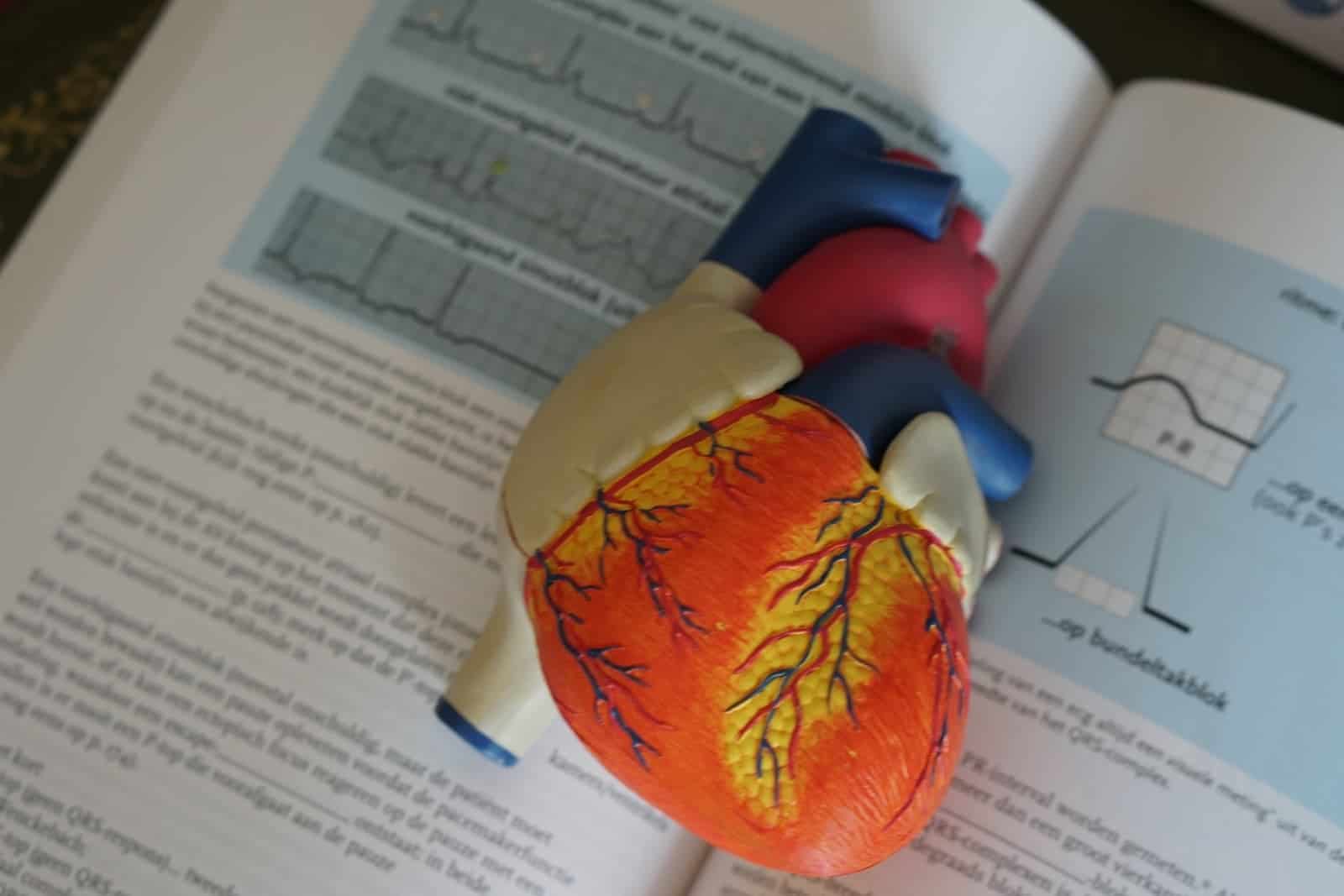
Cardiovascular diseases (CVDs) are a group of disorders of the heart and blood vessels and they include:
Coronary heart disease – disease of the blood vessels supplying the heart muscle;
Cerebrovascular disease – disease of the blood vessels supplying the brain;
Peripheral arterial disease – disease of blood vessels supplying the arms and legs;
Hypertension- also known as high or raised blood pressure, is a condition in which the blood vessels have persistently raised pressure.
Atherosclerosis- a process of progressive thickening and hardening of the walls of medium-sized and large arteries as a result of fat deposits on their inner lining
Rheumatic heart disease – damage to the heart muscle and heart valves from rheumatic fever, caused by streptococcal bacteria;
Congenital heart disease – malformations of heart structure existing at birth;
Deep vein thrombosis and pulmonary embolism – blood clots in the leg veins, which can dislodge and move to the heart and lungs,
Heart attack- blockage due to build-up of fatty deposits that prevents blood from flowing to the heart,
Stroke- bleeding from a blood vessel in the brain or from blood clots.
Heart failure- happens when the heart isn’t pumping well enough, either because the walls of the ventricles are enlarged, weakened, damaged or too stiff, or the heart’s valves don’t work properly.
Often, there are no symptoms of the underlying disease of the blood vessels and that’s why they are often silent killers. A heart attack or stroke may be the first and often final warning of an underlying disease.
Symptoms of a heart attack include:
pain or discomfort in the centre of the chest;
pain or discomfort in the arms, the left shoulder, elbows, jaw, or back.
In addition the person may experience difficulty in breathing or shortness of breath; feeling sick or vomiting; feeling light-headed or faint; breaking into a cold sweat; and becoming pale. Women are more likely to have shortness of breath, nausea, vomiting, and back or jaw pain.
The most common symptom of a stroke is sudden weakness of the face, arm, or leg, most often on one side of the body.
Other symptoms include sudden onset of:
numbness of the face, arm, or leg, especially on one side of the body;
confusion, difficulty speaking or understanding speech;
difficulty seeing with one or both eyes;
difficulty walking, dizziness, loss of balance or coordination;
severe headache with no known cause; and
fainting or unconsciousness.
Symptoms of rheumatic heart disease include: shortness of breath, fatigue, irregular heart beats, chest pain and fainting.
Symptoms of rheumatic fever include: fever, pain and swelling of the joints, nausea, stomach cramps and vomiting.
There are numerous risk factors associated with Cardiovascular diseases. Some of them, such as family history, cannot be modified while other risk factors like high blood pressure can be mitigated with the right nutrition
A high intake of dietary fats strongly influences the risk of developing cardiovascular diseases.
Saturated fatty acids commonly found in dairy products and meat raise cholesterol levels. Moreover, studies have also shown trans fatty acids, found in industrially hardened oils, increase the risk of coronary heart disease. While they have been eliminated from many parts of the world, trans fatty acids are still found in deep-fried fast foods, processed food and baked goods.
The most important behavioural risk factors of heart disease and stroke are unhealthy eating patterns, physical inactivity, tobacco use and alcohol consumption. The effects of behavioural risk factors may show up in individuals as raised blood pressure, raised blood glucose, raised blood lipids, and overweight and obesity. These “intermediate risk factors” can be measured via simple blood tests and are helping in indicating an increased risk of developing a heart attack, stroke, heart failure and other complications.
Studies suggest that the high levels of cortisol from long-term stress can increase blood cholesterol, triglycerides, blood sugar, and blood pressure. Cortisol is the body’s main stress hormone. It works in this way- more the stress, more is the Cortisol level. This stress can also cause changes that promote the buildup of plaque deposits in the arteries.
Approximately 40% of the risk for cardiovascular disease lies in hereditary factors and remains a non-modifiable risk factor.
High levels of Homocysteine can lead to hardening of the arteries and can also result in blood clot formation. In addition to being clinically useful as a measure of systemic inflammation, high CRP levels are indicative of CVDs risk as they are prominent markers of inflammation.
Haemochromatosis is an inherited condition where excessive levels of iron in the body gets absorbed, leading to iron overload. Over time, this overload leads to a build up of iron in different parts of the body, including the heart. Cardiomyopathy caused by haemochromatosis usually causes symptoms of heart failure.
“The connection between fatty liver and early signs of plaque in the coronary arteries is increasingly compelling,” says Dr. Tracey Simon, a hepatologist at Harvard-affiliated Massachusetts General Hospital (MGH) because of dangerous accumulation of fat in the liver. This overload can be due to chronic alcoholism or heavy metal ingestion.
There are numerous risk factors associated with Cardiovascular diseases. Some of them, such as family history, cannot be modified while other risk factors like high blood pressure can be mitigated with the right nutrition
We always hear that inflammation is the root cause of development of X disease. But ever wondered what this inflammation actually is and how does this inflammatory process affect your health? Here’s how:
When tissues are injured by bacteria, trauma, toxins, heat, or any other cause like poor dietary habits or inactivity, there occurs inflammation. This inflammatory response is made evident by something known as Pro-inflammatory markers. As the name suggests, these are substances capable of producing inflammation and it is no good. Some of the pro-inflammatory markers are IL-1 beta, TNF-alpha and Interferon- gamma.
This inflammatory process contributes to all stages of CVDs, from the development of atherosclerosis to end stage complications. It all starts from poor dietary habits like increased consumption of foods rich in saturated fats (meat and dairy products mainly) which leads to high levels of LDL-C. Low density lipoprotein cholesterol (LDL-C) is also known as ‘bad’ cholesterol. It contributes to fatty buildups in arteries (atherosclerosis), thus narrowing them and increasing your risk for heart attack and other conditions.
Accumulation of LDL-C in the arteries has shown to trigger the inflammatory response by activating the pro-inflammatory markers, CRP and finally resulting in a heart attack or stroke. There are anti-inflammatory nutrients which aid in avoiding this process.
When we expose it to alcohol, tobacco smoke, radiation, pesticides or unhealthy foods, certain particles are formed called as- Free Radicals. These are highly reactive and damage our healthy cells. Antioxidants are substances that may protect your cells against free radicals. The benefitting nutrients that we are going to talk about, have protective effects for precisely this reason. The antioxidant and antiinflammatory properties of these nutrients make their consumption on a daily basis, much more important.
Following is a list of certain nutrients which are important for protection from CVDs-
Studies have suggested that supplementation with vitamin E might reduce serum CRP levels.
Vitamin C is also known to exert potential antioxidant and anti-inflammatory effects, increasing the levels of HDL-C and decreasing CRP levels.
Researchers have shown that vitamin D-supplemented groups had lower levels of TNF-α, one of the proinflammatory markers.
An adequate intake of folic acid, Vitamin B6 and Vitamin B12 could possibly reduce the risk of coronary heart disease by significant reduction in Homocysteine concentrations. High levels of Homocysteine can contribute to blood vessel damage and blood clots in your blood vessels.
Several studies have suggested that Magnesium supplementation helps with cardiovascular health
CoQ10 has shown potent antioxidant properties in numerous studies.
However, when it comes to supplementing with nutrients, please consult a functional medicine/ functional nutrition specialist as you could easily overdose on some of these.
Multiple bioactive compounds (omega-3 fatty acids, carotenoids, polyphenols or flavonoids) present in our food have beneficial effects on atherosclerosis development. All of them act to reduce levels of LDL-C and inflammatory biomarkers.
Polyunsaturated fatty acids (PUFAs) are a class that includes many important compounds, such as essential fatty acids (EFAs). EFAs are fats that humans must ingest for good health because our bodies cannot make them. EFAs include- alpha-linolenic acid (ALA)/ omega-3 fatty acid, eicosapentaenoic acid (EPA), and docosahexaenoic acid (DHA) and have been reported as potential agents for prevention from formation of blood clots.
Carotenoids are a family of fat-dissolvable shades found chiefly in plants. Humans cannot produce them too, so they are important in their eating routine. They are known to help in battling Atherosclerosis with their antioxidant and antiinflammatory properties. Following are some of the potent Carotenoids-
-Lycopene: This is present in red-colored fruits and vegetables, such as tomatoes, papaya, or watermelons among others. Studies suggest that lycopene might reduce CVD risk, particularly in early stages of atherosclerosis, preventing endothelial dysfunction and LDL accumulation.
-Lutein: It’s found in oranges, honeydew melon, and higher concentrations in dim green vegetables, for example, turnip greens, kale, parsley, spinach, and broccoli. Lutein prevents advancement of atherosclerosis.
-Beta-carotene: Beta-carotene is a standout amongst the most generally examined carotenoids. It is also known as Pro-Vitamin A. It’s found in carrot, orange, kale, spinach, turnip greens, apricot, and tomato, low serum carotenoid levels may reflect high LDL-C levels which may further increase the risk of developing CVDs.
Polyphenols are a large class of organic compounds of plant origin, tend to be colourful and possess a wide range of health effects in the prevention of CVD.
Many studies have been focused on the antioxidant power of these polyphenols from most commonly consumed plant-derived foods, with very high values found for spices, herbs, berries, fruits, nuts, and vegetables.
Highest antioxidant value is reported for cranberries, blueberries, and blackberries among fruits and for celery, Ginkgo biloba, onions beans, artichokes, and russet potatoes among vegetables.
Moreover, nuts (pecans, walnuts, almonds, pistachios and hazelnuts) and spices (turmeric, ground cloves, ground cinnamon, and oregano) have also been reported as good sources of antioxidants.
Flavonoid compounds that occur in a variety of foods such as citrus fruits, berries, onions, apples and legumes could also possibly reduce the risk of coronary heart disease. Flavonoids show high antioxidant, anti-inflammatory and antiallergic properties.
The role of certain nutrients is quite clear in CVDs. But the question is where do we get these nutrients from? The answer is right around the corner. Yes, foods and herbs.
When it comes to food, there is only one true saying- The whole, the healthier!
Some good plant based sources of all the important nutrients are:
Vitamin C: Guava, Amla (Indian Gooseberry), Capsicum, Oranges
Vitamin E: Sunflower seeds, Almonds, Hazelnuts, Avocados
Folic Acid: Legumes- beans, peas, lentils sesame seeds, green leafy vegetables- spinach and kale, Asparagus
Vitamin B6: Chickpeas, Carrots, Sweet potatoes, Bananas, Green peas
Magnesium: Brazil nuts, almonds, pecans, walnuts, pumpkin seeds, flaxseeds, sunflower seeds, sesame seeds,cumin seeds, peach apricots, avocado, banana, blackberries, spinach, okra, broccoli, beetroot, buckwheat.
However, for nutrients like Vitamin B12, Vitamin D and Co-enzyme Q10 there is need for supplementation because of scarcity of natural sources from food.
Herbs that help with heart health include the following
Sprinkle these on your salads and soups or use them during your cooking process itself and reap the benefits of these healing powerhouses
CVDs are the number 1 cause of death globally: more people die annually from CVDs than from any other cause.
An estimated 17.9 million people died from CVDs in 2016, representing 31% of all global deaths. Of these deaths, 85% are due to heart attack and stroke.
Over three quarters of CVD deaths take place in low- and middle-income countries.
Out of the 17 million premature deaths (under the age of 70) due to noncommunicable diseases in 2015, 82% are in low- and middle-income countries, and 37% are caused by CVDs.
Most cardiovascular diseases can be prevented by addressing behavioural risk factors such as tobacco use, unhealthy diet and obesity, physical inactivity and harmful use of alcohol using population-wide strategies.
People with cardiovascular disease or who are at high cardiovascular risk (due to the presence of one or more risk factors such as hypertension, diabetes, hyperlipidaemia or already established disease) need early detection and management using counselling and medicines, as appropriate.
References:

Ginger (Zingiber officinale) has been used as a spice and medicine for over 200 years. Ginger along with her sibling Turmeric are proud members of the Zingiberaceae family and are thought to have originated in tropical Asia. It is an important plant with several medicinal, and nutritional values. Ginger is packed with nutrients like Iron, Magnesium, Calcium, Vitamin C and bioactive compounds such as Flavonoids and phenolic elements (gingerdiol, gingerol, gingerdione and shogaols). The usefulness of this wonder drug is the result of all the essential nutrients and bioactive compounds contained in it (1).
Several researches have shown it to have anti-inflammatory, antioxidant, anti-diabetic, anti-clotting and analgesic properties.
Ginger has been known to show a variety of powerful therapeutic and preventive effects and has been used for thousands of years for the treatment of hundreds of ailments from colds to cancer (1,2,3).
But wait, that’s not it.
Ginger has been found to be beneficial for nearly all of the systemic disorders and here’s all you need to know about it.
If your respiratory system is damaged because of chronic illness, a serious condition, you will live a life weighed down with breathing issues. If you have an infection related to the respiratory system, do something to treat it as soon as possible; otherwise it could spread to other parts of your body. Ginger and its bioactive compounds help in treating inflammation associated with respiratory conditions and makes breathing easier by relaxing the airway muscles (4).
The immune system includes organs and processes of the body that provide resistance to infection and toxins. Inflammation and oxidative stress often cause build up of toxins in the body which leads to a compromised immune system. Due to its strong anti-inflammatory and antioxidant effects , ginger may boost immune health (5).
The gastrointestinal system consists of the gastrointestinal tract and the gastrointestinal glands. The gastrointestinal tract is essentially a tube divided into several segments: the oral cavity, esophagus, stomach, small and large intestine, rectum, and anus. Ginger as an important dietary agent which possesses a carminative effect, decreases pressure on lower esophageal sphincter, reduces intestinal cramping, and prevents dyspepsia, flatulence, and bloating. In a study titled Ginger in gastrointestinal disorders: A systematic review of clinical trials, ginger extracts have been found to be effective in lowering nausea, vomiting as well as irritable bowel syndrome (IBS) and gastroenteritis.
The reproductive system or genital system is a system of sex organs work together for the purpose of sexual reproduction. According to the American Cancer Society, ovarian cancer happens to be the deadliest cancer of the female reproductive system. Ginger has the power to fight and kill ovarian cancer cells, therefore making it of high importance for every woman to include it in her daily diet (6).
The musculoskeletal system provides form, support, stability, and movement to the body. It is made up of the bones of the skeleton, muscles, cartilage, tendons, ligaments, joints, and other connective tissue that supports and binds tissues and organs together. A University of Miami study compared the effects of a highly concentrated ginger extract to placebo in 247 patients with osteoarthritis (OA) of the knee (OA is wearing down the protective tissue at the end of bones resulting in joint pain). Ginger reduced pain and stiffness in knee joints by 40 percent over the placebo. The study concluded that ginger extract could one day be a substitute to nonsteroidal anti-inflammatory drugs (NSAIDs).
The nervous system contains complex webs of connections between nerve cells that allow it to generate patterns of activity. One of ginger’s most widely regarded uses is as an anti-inflammatory which makes it popular for arthritis.
Many investigations have revealed that ginger positively affects memory function and shows anti-neuroinflammatory activity, which might contribute to the management and prevention of neurodegenerative diseases like Alzheimer’s and Parkinson’s disease (4).
The suggested serving size of Ginger is 250mg to 4.8g per day and is used in numerous forms, including fresh, dried, pickled, preserved, crystallized, and powdered or ground (7).
Apart from the systemic benefits, Ginger is used as a cooking spice, condiment and it is also extensively consumed as a flavouring agent worldwide. It would not be wrong if we call Ginger as the Elixir of life.
Here are a couple of recipes from Thrive to bring in the healing power of ginger in your daily lives
Ingredients-
Fresh ginger, water, 1-2 ice cubes (optional)
Method of preparation-
-Grate 1 inch of fresh ginger in 1 liter water.
-Refrigerate or add 1-2 ice cubes to it and sip throughout the day.
Ingredients-
1 teaspoon fresh grated ginger
1 lemon wedge
1 cup water
Method of preparation-
-Boil a cup of water in a container.
-Add the grated ginger and squeeze lemon in a cup.
-Once boiled, add the water to the cup and stir it with a spoon.
-Let the lemon and ginger steep for 2-3 minutes. Strain it before serving.
References:




The blog covers functional nutrition, chronic conditions, gut health, hormonal health, autoimmune conditions, sleep, mental health, and root cause analysis. Every article is written to help you understand what is actually happening inside your body, not just manage symptoms.
All articles are written by the content writers in collaboration with iThrive's clinical team of functional nutritionists, guided by the same methodology used in the ALIVE programme. The content is rooted in functional medicine and real clinical experience, not generic health advice.
No. The blog is an educational resource to help you understand your health more deeply. If you are experiencing symptoms or managing a chronic condition, a personalized Root Cause Analysis with a functional nutritionist is the right next step.
Book a Root Cause Analysis. For ₹2,500, a dedicated functional nutritionist will assess 60+ blood markers using optimal ranges and explain exactly what is driving your condition. It is the natural next step after reading about what might be happening in your body.
Yes. Many of our readers come with existing diagnoses and find the blog helps them understand why their condition developed and what their body actually needs. The articles are designed to give you clarity, not replace the guidance of a practitioner.