Articles to help you understand, manage, and improve your health.
Trending Post
Festive
Autoimmune Condition
Unexplained Symptoms
Mental & Brain Health
Root Cause Analysis
General Health
Digestive Health
Hormone Health
Mental Health
All Blogs
Supplements
All Blogs
read count
read time
General Health
Sep 24, 2025
Fibermaxxing in India: Is Eating More Fiber the New Weight Loss Trend?
Is fibermaxxing the new weight loss secret in India? Discover if eating more fiber truly helps or if it’s just another fad, and learn healthier ways to lose weight.
Introduction
A new trend has entered the health and fitness world, “fibermaxxing.” If you’ve been scrolling through wellness reels or fitness forums, you’ve probably seen people talking about it. The idea is simple: eat a lot of fiber so you feel full, automatically eat fewer calories, and eventually lose weight.
At first glance, it makes sense. Fiber is known to help in digestion, support gut health, and keep hunger away for longer. But now it has become a new buzzword among those who are desperate to lose weight quickly. In India, where lifestyle diseases and obesity are on the rise, this trend seems to have caught on faster than ever. People are adding extra servings of oats, seeds, husk, and vegetables, believing it’s the new secret to getting slim.
But here’s the big question: Is this really a healthy and sustainable way to lose weight, or is it just another diet fad that might backfire in the long run? Let’s look deeper from iThrive's lens
Why People Are Moving Towards Fibermaxxing
Fiber Keeps You Full for Longer
Fiber slows down digestion. This helps you stay full for a longer time. For people trying to cut calories, this seems like a win because it allows them to eat less, stay satisfied, and still aim for weight loss.
Good for Digestion and Gut Health
Fiber supports healthy digestion and helps regulate bowel movements. Many people also see it as a simple way to improve gut health and reduce problems like bloating or constipation while working on their weight.
Low-Calorie, High-Volume Food
Foods rich in fiber are generally low in calories but high in volume. This means you can eat a larger portion without consuming too many calories, which makes it easier to manage weight.
Rising Obesity and Lifestyle Diseases in India
Obesity, diabetes, and other lifestyle-related diseases are increasing in India due to sedentary work, poor diets, and stress. People are searching for quick and affordable ways to manage their weight, and fibermaxxing appears to offer a simple solution.
The Appeal of Shortcuts
Building healthy habits takes time and consistency, but many people prefer fast results. Fibermaxxing feels like an easy shortcut because it requires only one change that is just adding more fiber instead of making several lifestyle adjustments.
Social Media and Influencer Hype
Social media is full of influencers promoting fiber-heavy meals, smoothies, and detox drinks as quick fixes for weight loss. These trends spread quickly, making fibermaxxing look like the latest magic formula for getting slim.
Truth or Myth? Can Fiber Alone Help You Lose Weight?
Fiber does play an important role in weight management. Since it slows down digestion, it helps you stay fuller for longer, reduces sudden hunger pangs, and lowers the urge to snack in between meals and reduces sugar spikes. Naturally, this may reduce your overall calorie intake, which can sometimes result in short-term weight loss. That’s why fibermaxxing appears to “work” for some people initially; they feel satisfied with less food and see the numbers on the scale go down.
But just because something works in the short run doesn’t mean it’s the right or sustainable way to lose weight.
One of the biggest problems with diet trends like fibermaxxing is the assumption that what works for one person will automatically work for everyone else. But the truth is that every body is unique, and weight gain happens for different reasons in different people. This is why some may see results with fibermaxxing, while others may feel worse or see no change at all.
For people with hormonal conditions like PCOS, thyroid dysfunction, or insulin resistance, weight gain is deeply tied to how their body processes hormones. Fiber cannot “fix” these imbalances. Unless hormones are regulated and supported through the right nutrition, supplementation, and lifestyle, simply adding more fiber will not bring healthy or lasting weight loss.
Stress, Poor Sleep and Sedentary Lifestyle
Stress is a silent driver of weight gain. High stress elevates cortisol levels, which encourages fat storage, especially around the belly. Poor sleep further disrupts hunger, satiety hormones, and circadian rhythm, making you crave more food. In such cases, no amount of fiber will stop the body from holding on to excess fat. Managing stress and improving sleep quality are just as important as diet.
Chronic Gut Issues
People with weak or inflamed guts, those dealing with IBS, IBD, or frequent bloating, may actually feel worse with too much fiber. While fiber is often praised for gut health, in sensitive cases it can trigger more gas, cramps, altered or infrequent bowel movements, and discomfort. Without addressing underlying gut imbalances, fibermaxxing can backfire.
So while fiber may help manage appetite, it cannot fix these deeper issues. Without addressing the root causes, weight loss from fibermaxxing is likely to be temporary and incomplete. If you are dealing with weight gain issues, first find out the real reason behind it through a root cause analysis. This will help you understand what’s wrong with your body and which aspects need attention.
The Risks of Overeating Fiber
Fibermaxxing might look harmless, but eating excessive amounts of fiber can create new problems:
Bloating, Gas, and Stomach Cramps: High fiber intake can overload the digestive system, especially if your gut isn’t functioning properly. Instead of feeling light and energetic, many people end up with heaviness, discomfort, and even pain.
Poor Nutrient Absorption: Fiber binds to certain minerals like iron, zinc, and calcium. When consumed in very high amounts, it can reduce the absorption of these nutrients, leading to deficiencies in the long run. This is especially concerning in India, where iron and Vitamin D deficiencies are already common.
Temporary or False Weight Loss: The weight you lose through fibermaxxing is often due to reduced calorie intake or water weight, not actual fat loss. This means the results are not sustainable, the moment you stop the high-fiber regime, the weight often comes back.
A False Sense of Progress: Because the scale shows lower numbers, people think they are becoming healthier. But if the root causes of their weight gain like hormonal imbalance, stress, or poor gut health, remain unaddressed, then the so-called “progress” is misleading.
Root Cause Approach to Healthy Weight Loss
While fibermaxxing may create a short-term drop on the weighing scale, it doesn’t address why the body gained weight in the first place. Real and sustainable fat loss comes from identifying and fixing the root causes that block the body’s natural ability to stay healthy.
Here are the key areas to focus on:
Balancing Hormones
Hormones act like “managers” of your metabolism. When they are out of balance, losing weight becomes extremely difficult, no matter how much fiber you eat. Conditions like PCOS, thyroid dysfunction, or insulin resistance require a targeted approach that supports hormonal health through proper nutrition, supplementation, and lifestyle shifts. Once hormones are in balance, weight loss starts to happen naturally. Book a free consultation now to understand what’s wrong with your body and get the real reason behind your weight gain issues.
Healing the Gut and Reducing Inflammation
A healthy gut is central to overall well-being and weight regulation. Chronic inflammation or imbalances in gut bacteria can cause bloating and slow metabolism. Healing the gut with the right foods, probiotics, and lifestyle practices is far more effective than simply piling on fiber, especially if your digestive system is already sensitive.
Correcting Nutrient Deficiencies
Many people struggle with deficiencies in essential nutrients like Vitamin D, magnesium, B12, and zinc. These nutrients are critical for energy production, reducing inflammation, metabolism, and fat-burning pathways. Without correcting these deficiencies, the body cannot function optimally, and weight loss efforts often stall. This is why lab testing and supplementation are so important for a truly effective plan.
Lifestyle Improvements (Stress, Sleep, and Activity)
Weight is not just about what you eat, it’s also about how you live. Chronic stress keeps cortisol levels high, which promotes fat storage. Poor sleep disrupts hunger hormones, making you crave more food. And a sedentary lifestyle reduces calorie burn and slows metabolism. Addressing these lifestyle factors through stress management, better sleep hygiene, and regular physical activity makes weight loss smoother and more sustainable.
When these root causes are addressed, the body starts to function the way it was designed to. Weight loss becomes a natural outcome of healing, not a forced result of extreme diets or food hacks. Unlike fibermaxxing, this approach doesn’t just shrink the number on the scale; it builds long-term health, energy, and vitality.
Conclusion
Real, sustainable weight loss isn’t about chasing the next food hack or relying on a single nutrient. It’s about healing from the inside, fixing the imbalances in your hormones, nurturing your gut, correcting deficiencies, and supporting your body through better lifestyle choices.
When you work on the root causes, weight loss is no longer a constant struggle, it becomes a natural byproduct of improved health. Instead of fighting against your body with restrictive or trendy diets, you start working with your body to restore balance.
That’s exactly what we focus on at the iThrive. Instead of giving you one-size-fits-all shortcuts, our experts dig deep into your body’s unique needs, uncover the hidden root causes of weight gain, and create a personalized healing plan. Book a free consultation today.
read count
read time
General Health
Sep 23, 2025
The Café Culture Health Trap: Why India Is Still Malnourished
From protein gaps to lifestyle diseases, India’s café boom hides a nutrition crisis. Learn how to protect your health with smarter choices.
For years, we’ve all heard the same warning: “Don’t eat outside; you’ll fall sick.” Our parents and doctors repeated it so many times that it became a rule of life. But today, eating outside has become a lifestyle. Cafés, quick-service restaurants, and food delivery apps are where most young Indians get their meals.
Sometimes you’re even ordering the same food you cook at home: dal, rice, chicken. So what’s the difference? Why does eating it outside still harm your health?
The answer lies in how that food is prepared, the oil, the water, the additives, the shelf life, hygiene practice and, most importantly, the nutritional value that gets compromised.
India’s Hidden Nutrition Crisis
When our food doesn’t give us the right nutrients, the results show up silently but seriously in our health. And that’s exactly what’s happening in India right now.
We are eating more than ever, but nourishing less than ever. Our plates are full, yet our bodies remain deficient in the very basics like protein, vitamins, and minerals. Over time, this gap is creating a storm of chronic diseases.
That’s why today:
India is called the diabetes capital of the world, with cases rising even in people under 30.
Lifestyle conditions like PCOS, thyroid disorders, obesity, and hypertension are becoming the new normal.
Even young professionals, students, and teenagers are struggling with issues like fatigue, anxiety, poor sleep, and gut problems, which were once seen only in older adults.
The Hidden Health Crisis Behind Eating Out
The oil: At home, you use fresh oil for cooking. Outside, the same oil is used again and again. Reused, reheated oil becomes harmful and slowly hurts your heart.
The extras you don’t see: To make food look fresh and taste good, many places use preservatives, colors, and additives. These make the food appealing, but they also put extra stress on your liver and gut.
The ingredients: At home, you choose vegetables, grains, and meat carefully also, use ingredients after proper washing and handling practice. Outside, restaurants usually buy in bulk to cut costs, which means the quality is not the same. So, the food might fill your stomach but won’t really nourish you.
The water: Every chutney, curry, beverages, or cold coffee outside is made with water you don’t know about. That’s why stomach infections are so common after eating out.
The Cost of Deficiency: Why This Generation is Struggling
When we talk about nutrient deficiencies, it’s not just about “feeling a little weak.” Missing out on key nutrients every day slowly damages your body from the inside. Over time, this turns into long-term health problems that are much harder to fix. Let’s break it down:
Low protein
Protein is like the building block of your body. Without enough protein, your muscles get weaker, you catch infections more often, and your body takes longer to recover from any illness or injury. That’s why so many young people today feel tired and “run down” even in their 20s or 30s.
Vitamin D deficiency
Vitamin D isn’t just for bones; it also keeps your mood stable and supports your immunity. When you don’t get enough, you may feel low, tired, or even depressed, and your bones start to weaken. That's the main reason why back pain and weak immunity have become so common now. Try out iThrive Essentials Vitamin D3 K2: This supplement helps you fulfill the gap. D3 helps you absorb calcium, K2 directs it to your bones and keeps it out of your arteries, protecting both bone strength and heart health.
Magnesium deficiency
Magnesium is like your body’s “calm mineral.” It helps you sleep well, keeps your energy steady, and supports your nerves. If someone is facing magnesium deficiency, sleep gets disturbed, anxiety kicks in, and fatigue becomes your daily companion. Try out iThrive Essentials Magnesium Bisglycinate: This is the ideal choice for better sleep, energy, and mood.
Zinc deficiency
Zinc plays a big role in hormones and immunity. If your zinc is low, your skin breaks out, your hair weakens, and men may notice issues with testosterone and fertility. It also makes you fall sick more easily due to infections. Try out iThrive Essentials Zinc Defense: This is highly absorbable, and supports both immunity and gut integrity
B-vitamin deficiency
B vitamins are like the spark plugs of your body; they convert food into energy. When you don’t have enough B vitamins in your body, you feel foggy, drained, and low on motivation. It’s why so many people complain of constant tiredness even when they’re eating “enough.”
Café Culture and the Rise of Lifestyle Diseases
Eating in cafes feels fun and harmless. But over time, the habit of ordering pizza, burgers, pasta, desserts, and frappes is doing more damage than most of us realize. It’s not just about “extra calories” it’s about how this food changes your body and sets the stage for disease. Let’s look at how:
Diabetes & Obesity
Most café foods are loaded with refined carbs like white bread in burgers, pizza bases, creamy pastas, and all those sugary drinks and desserts. These give your body a quick sugar rush, which causes insulin spikes. If you have the habit of eating outside too often, your body may stop responding to insulin the way it should. This condition is called insulin resistance and it is the root cause of diabetes and stubborn weight gain.
Heart Disease
That cheesy pizza or fried snack may taste great, but behind the scenes, it’s full of trans fats and reheated oils. These bad fats damage your arteries, increase cholesterol, and make your heart work harder than it should. Over the years, this slowly increases your risk of heart disease even if you’re still young.
PCOS & Hormonal Disorders
Women today are facing PCOS and hormonal imbalances like never before. One big reason is diet. Café foods that are rich in sugar and refined carbs push up insulin levels, which directly worsen PCOS symptoms. When insulin is out of control, hormones like estrogen and progesterone also become imbalanced. That’s when you start noticing irregular cycles, acne, facial hair and unexplained weight gain.
Gut Disorders
Your gut health depends on clean food, fiber, and balanced bacteria. Unfortunately, café food is often the opposite, low in fiber, high in additives, and prepared with contaminated water. Over time, this disrupts your gut bacteria, causing issues like bloating, constipation, acid reflux, even conditions like IBS, IBD, leaky gut and gastritis. Many people blame stress for these problems, but in reality, food plays a much bigger role to maintain your gut health.
Autoimmune & Thyroid Problems
Nutrients like Vitamin D, zinc, and magnesium are vital for your immune system and thyroid function. Café food rarely provides these. In fact, the more you rely on processed food, the more deficient you become. This weakens your immunity and can even trigger autoimmune response further in conditions like Hashimoto’s thyroiditis or Graves’ disease. What seems like “just thyroid problems” often starts with years of poor food and hidden deficiencies.
If you’re already dealing with issues like diabetes, PCOS, thyroid problems, or gut troubles, it’s a signal that your body needs deeper attention. That’s where a Root Cause Analysis (RCA) with iThrive can help. It gives you a clear picture of what’s really happening inside your body, why you’re facing these problems and which deficiencies or imbalances are driving them. And if you’d rather talk to someone directly, you can book a free consultation call with iThrive’s expert functional nutritionists to start your healing journey today.
Smarter Café Choices for Better Nutrition
None of us want to stop going to cafés. Meeting friends, hanging out, grabbing a quick bite. It’s fun, and food is part of that experience. But you don’t have to give it up, you just need to be a little smarter with what you pick.
Protein-Rich Foods
Most café food is just bread, cheese, and sugar. That’s why you feel hungry again in an hour. Instead, try going for grilled chicken, eggs, fish tikka, lentil soup or even sprouts tikkis. If you’re ordering a salad, add beans or chicken to it. Trust me, protein will keep you full and give your body the strength it needs.
Smarter Sips
Most of us end up ordering sugary frappes, milkshakes, or cold coffees without thinking. But the problem is these drinks are packed with sugar and give you nothing but empty calories. Instead, go for fresh lime water or fresh unstrained fruit juices without sugar. These keep you refreshed without the sugar crash that comes later.
Healthy Sides
Mostly when we go to cafés, the most commonly ordered side is fries. But these fries contain too much oil, which is bad for your heart. Instead of ordering fried sides, go for options like sautéed veggies, gluten-free bread, wholegrain toast, or ghee-roasted makhana. These options are really good, tasty, and also give you real nutrients instead of just fat and starch.
Conclusion
India’s nutrition problem is far from solved. We’re still a protein-deficient nation, stuck in a cycle of “hidden hunger” where we eat enough calories but miss out on real nutrients.
But you can change this for yourself. Start adding more nutrient-rich foods to your meals, make smarter choices even when eating out, and use iThrive Essentials supplements to fill the gaps your diet can’t cover.
And if you’ve been dealing with symptoms like constant fatigue, poor sleep, hair fall, bloating, low mood, or unexplained weight changes, it’s a sign your body is asking for deeper attention. That’s where doing a Root Cause Analysis (RCA) of your health really helps. It shows you exactly why you’re facing these issues and what’s happening inside your body, so you can finally start addressing the real problem instead of just managing the symptoms.
read count
read time
Unexplained Symptoms
Sep 22, 2025
Are You Ignoring These Early Signs of Multiple Sclerosis?
Discover early signs of Multiple Sclerosis, root causes, and functional nutrition strategies to manage symptoms naturally and build resilience.
Multiple sclerosis (MS) is frequently regarded as a "silent" disorder in its early stages. Instead of flashing clear warning signs, it tends to whisper symptoms, such as exhaustion, blurred vision for no apparent reason, and tingling feelings that you can't explain. Because these early indicators might appear hazy or unconnected, many individuals ignore them as stress, overwork, or just "getting older."
However, the true situation is significantly more complex. In MS, the immune system targets the protective layer (myelin) that surrounds nerve fibers in the brain and spinal cord. Without this barrier, nerve signals do not pass properly, resulting in symptoms that can be annoying, unexpected, and progressive. Recognizing the body's early warning signs can significantly impact how the disease is handled in the long run.
This blog will provide insights on what Multiple Sclerosis really is, the early warning signs to watch for, how root-cause analysis helps uncover underlying triggers, and the natural, functional nutrition based approaches that can support long-term resilience.
What's Going On Inside Your Body: The Science of MS
Your immune system is designed to defend you, but with multiple sclerosis (MS), it starts to act against you. Instead of targeting infections, it accidentally targets your neurological system.
T cells are on the attack
In MS, immune cells known as T-cells become hyperactive and begin targeting the myelin sheath, which is the protective coating that surrounds nerve fibers in the brain and spinal cord. Once this coating is injured, the nerves are unable to transfer messages as efficiently, resulting in neurological symptoms.
Why does it happen?
This malfunction is typically the result of a combination of environmental and hereditary factors. Some individuals have genetic variants (such as HLA-DRB1*15:01) that increase risk of MS or predisposes the risk for developing MS. External factors, such as vitamin D deficiency, viral infections (such as Epstein-Barr), smoking, toxin exposure, or chronic stress, exacerbate the immune system's perplexity.
Inflammation takes over.
Other immune cells, such as microglia and mast cells, produce inflammatory substances, which exacerbate the damage. Rather than halting the onslaught, they cause continuous inflammation in the central nervous system.
The outcome
Over time, this chain of events makes it harder for the nervous system to communicate with each other. This leads to long-lasting changes in the brain and the many signs of MS.
The Prodrome: Subtle Clues You Should Not Ignore
Researchers now understand that MS frequently begins with a prodromal period, in which symptoms are present but insufficiently precise for a definitive diagnosis. These early signals may appear ambiguous or irrelevant, but they might be the first indication that something deeper is going on in the neurological system.
Here are some of the most typical early signs to watch for:
Persistent Fatigue
This is not the typical exhaustion after a hard day. It is a profound, continuous fatigue that persists even after enough rest or sleep. People frequently describe it as feeling exhausted for no apparent reason.
Numbness and tingling
Strange sensations such as pins and needles, buzzing, or tingling in the hands, feet, face, or other areas of the body. These can develop unexpectedly, stay for days, and then vanish and return again.
Vision changes
Blurry vision, loss of vision in one eye, pain while moving the eyes, or colors that look less crisp. These alterations are frequently associated with inflammation of the optic nerve, which is one of the initial targets in MS.
Mood and emotional shifts
Depression, anxiety, or unexpected mood changes might be the early signs. This is not "just stress"; it might be connected to inflammation, which affects brain chemistry and transmission.
Unexplained Pain
Sharp, searing, or electric shock feelings that do not correspond to any damage. This form of nerve discomfort might emerge before more visible neurological signs.
Muscle weakness or stiffness
Feeling clumsy, having difficulty gripping or lifting objects, or having abrupt stiffness and spasms in the arms or legs with no apparent cause.
Cognitive changes ("brain fog")
The symptoms may include difficulty concentrating, forgetfulness, or sluggish information processing. These changes may be minor yet visible in daily routines or at work.
Bladder or Bowel Problems
The symptoms may include urgency or difficulty in completely emptying the bladder. Constipation or gastrointestinal abnormalities may also occur early.
Sleep disturbances
You may experience restless nights, insufficient sleep, or wake up feeling exhausted. These disorders frequently combine with weariness and discomfort, exacerbating symptoms.
Why do these symptoms occur?
Low vitamin D levels
Vitamin D is more than simply a bone health supplement; it is also an effective immune system regulator. Low levels (typically caused by a lack of sun exposure or a poor diet) are significantly associated with an increased risk of MS because the immune system becomes less balanced and more susceptible to misfiring. If you find your vitamin D levels are low, you can try out iThrive Essentials Vitamin D3 K2.
An unhealthy gut (dysbiosis or "leaky gut")
Your gut contains billions of microorganisms that train and control your immune system. When this equilibrium is interrupted, such as by processed meals, medications, stress, or infections, inflammation can occur, allowing harmful chemicals to "leak" into the circulation. Chronic low-grade inflammation is believed to contribute to autoimmune diseases such as MS.
Toxic exposure (heavy metals, pesticides, and mold)
Toxins can accumulate in the body, stressing the immune system. Mercury and lead, for example, can have a negative impact on nerve function, pesticides can affect immunological control, and mold exposure can cause chronic inflammation. Together, they impair the body's defensive system, increasing the likelihood of autoimmunity.
Chronic Stress and Smoking
Stress hormones (such as cortisol) are designed to increase and decrease normally. However, chronic stress disrupts immunological homeostasis and increases inflammation. Smoking adds an additional layer of danger by directly harming cells, limiting oxygen delivery, and causing oxidative stress, which exacerbates immunological dysfunction.
Hidden Infections or Chronic Inflammation
Sometimes the body fights "silent" illnesses in the background, such as some bacteria, viruses, or parasites. Even if they don't generate evident symptoms, they keep the immune system working around the clock. This continual immunological activity raises the likelihood of misdirected assaults on healthy tissue, such as in MS.
To know what factors trigger Multiple Sclerosis check out our recent blog: Click Here
How Can You Find Out If It’s MS?
Diagnosing MS involves not just evaluating brain scans and symptoms but also delving deeper to determine why the immune system is malfunctioning. Here's where Root Cause Analysis (RCA) comes in. By examining many health parameters, RCA can detect underlying imbalances that may be causing or exacerbating MS. Here are the main parameters:
1. Blood Work.
Measuring vitamin D levels, inflammatory markers (HS-CRP, ESR), and immune cell activity can indicate chronic inflammation.
2. Gut Health Tests
Because the gut houses the majority of the immune system, stool tests (such as GI-MAP) can identify dysbiosis, leaky gut, and hidden bacterial and parasitic diseases. A disrupted gut environment can directly promote autoimmunity.
3. Toxin Load Assessment
Exposure to heavy metals, molds, toxins, pesticides, and other pollutants can overwhelm the immune system and cause significant stress. Testing for these helps determine whether detoxification assistance is required.
4. Nutrient Profile
Nutrient deficiencies, such as B vitamins, magnesium, omega-3 fatty acids, and low and antioxidants, might impair neuron protection and render the body more susceptible to MS-related harm. RCA identifies these gaps so that they may be closed.
5. Hormones and Stress Markers
Cortisol (the stress hormone) and thyroid hormones affect immunological function. Imbalances here can exacerbate inflammation and increase the chance of developing MS. Measuring them offers a more complete picture of how stress and metabolism influence the immune system.
Why Early Detection Is Important
Early detection of multiple sclerosis is crucial. Early detection increases the likelihood of stopping its growth and minimizing long-term harm. In fact, studies suggest that detecting signs such as weariness, eyesight abnormalities, or mood swings before the disease progresses provides a useful opportunity for management.
Instead of simply suppressing symptoms, a root-cause approach may be more successful. This includes:
Supporting the gut-brain axis.
Correcting nutritional deficits.
Managing stress and hormonal balance.
Reducing toxic exposure
Personalized Nutrition and Supplementation
Conclusion
Your body often speaks before it shouts. Fatigue, tingling, mood shifts, vision changes and brain fog may feel minor on their own, but together, they could signal the beginning of MS. Listening to these early signs and seeking proper evaluation can mean the difference between long-term disability and living with resilience.
At iThrive, we go beyond just managing symptoms. Through our iThrive Alive program, we use root-cause analysis and functional nutrition strategies to uncover what’s really driving immune miscommunication. Instead of masking the problem, our approach focuses on restoring balance naturally, through diet, lifestyle, supplementation, and addressing hidden triggers.
If you’re experiencing unexplained neurological or mood-related symptoms, don’t wait for them to worsen. Book a free consultation with our functional nutritionists and discover a personalized healing path. Whether it’s supporting your immune health, improving energy, or preventing progression, we’ll help you with natural, evidence-based solutions to get your health back on track.
read count
read time
Hormone Health
Sep 18, 2025
Why PCOS Might Be Affecting Your Desire (and What You Can Do About It)
This blog provides insights on how PCOS affects your sex drive, the root causes behind it, and effective steps to naturally restore balance and desire.
People who have PCOS (Polycystic Ovary Syndrome) often have problems like irregular periods, weight gain, acne, hair loss, or even trouble getting pregnant. There is another part of PCOS that isn't talked about as much, though, and it can be very painful to face: a loss of sexual drive.
You are not the only one who has ever thought why your sex drive seems to have gone away or why being close to someone feels more like work than a pleasure. Another important thing is that you're not broken. Let's look at this together.
PCOS and Libido Connection
Your sex drive isn't just about how you feel. It's a fine line between hormones, feelings, and health in general. PCOS throws off this balance in several ways:
Hormonal Imbalances
Testosterone levels are often higher in women with PCOS. While testosterone is usually associated with sex drive, in PCOS, this excess comes with problems like acne, hirsutism (unwanted facial/body hair), and hair thinning. These physical changes can lower self-confidence, which in turn impacts desire.
Estrogen and progesterone imbalances disrupt the menstrual cycle and affect vaginal lubrication, making intimacy uncomfortable or even painful.
Insulin Resistance
A lot of women who have PCOS are insulin-resistant in some way. This not only makes you more likely to get diabetes, but it also changes your energy, mood, and how your hormones work. Being tired all the time and having sugar crashes don't leave much time for closeness.
Weight Gain and Body Image
A lot of people with PCOS gain weight that won't go away, mostly around the stomach. Desire naturally takes a back seat when you don't feel good in your body.
Stress and Mental Health
People with PCOS are more likely to have anxiety, sadness, and mood swings. When you add in the pain of having acne, periods that don't work right, or trouble getting pregnant, worry kills your libido without you even realizing it.
If you're thinking, "Why me? The real question is, "Why do I have PCOS in the first place?" If you don't know what's causing it, you'll only be able to treat the signs; the real problem will stay hidden.
These are some of the most common reasons why people get PCOS:
Insulin Resistance
This is a big reason why PCOS happens. When insulin doesn't work right on your cells, your body makes more of it. The ovaries then make more testosterone because of high insulin, which messes up ovulation, periods, and of course, your libido.
Chronic Inflammation
Hormonal chaos gets worse when there is inflammation, which can be caused by an unhealthy diet, gut issues, toxins, poor lifestyle or even hidden infections. It can make you tired, make insulin resistance worse, and cause mood swings, all of which make you less desire to do things.
Nutrient Deficiencies
A lot of women with PCOS are deficient in vitamin D, magnesium, omega-3s, zinc or B vitamins. Your body has a hard time keeping hormones, energy, and mood in check without these.
Gut Health Issues
A poor gut health doesn't just give you gas or heartburn; it also affect your hormones. Poor gut function makes it harder to control PCOS because it lowers the absorption of nutrients and raises inflammation.
Thyroid Dysfunction
Many women with PCOS also have thyroid imbalances. A sluggish thyroid can make you feel tired, cold flash, and uninterested in intimacy, while also worsening weight gain and mood issues.
Why Root Cause Analysis (RCA) Matters
Most conventional approaches to PCOS focus on symptom control: birth control pills to regulate periods, metformin for insulin resistance, or creams for acne. But none of these truly address why your body is experiencing this shifts in hormone in the first place.
That’s where Root Cause Analysis (RCA) comes in. At iThrive, we use your blood work, check 55+ parameters to dive deep into your biology and uncover the hidden drivers behind your PCOS.
Is high insulin the main culprit?
Are nutrient deficiencies making things worse?
Is inflammation or poor gut health at the center?
Are your thyroid hormones off balance?
What Can You Do to Bring Back Your Desire?
The good news: once you address the root causes of PCOS, your libido doesn’t just have to stay low. It can return stronger than before, because your body, mind, and hormones are finally aligned. Here are key steps that can help:
1. Balance Blood Sugar and Insulin
Choose whole, unprocessed foods over refined carbs and sugars. Include proteins and fiber with every meal to keep energy stable and avoid sugar spikes.
Add healthy fats like avocado, walnuts, and omega-3-rich fish to support hormone production.
When your insulin stabilizes, your hormones stop being in constant chaos, and your natural sex drive begins to restore.
B-Complex - boosts energy and nervous system health.
Omega-3s (Krill Oil) - lowers inflammation and supports hormonal balance.
4. Support Emotional Health
Stress is one of the biggest libido-killers. Try:
Daily meditation or breathwork for nervous system calm.
Therapy or counseling to release emotional burdens.
5. Move Your Body
Regular exercise not only improves insulin sensitivity but also boosts mood-enhancing endorphins and circulation (important for sexual function). Even a brisk walk or strength training 3-4 times a week makes a huge difference.
6. Heal Your Gut
Gut health directly affects hormones. Work on:
Eating fiber-rich foods for healthy digestion.
Avoiding antibiotics.
Adding probiotics and prebiotics for a balanced microbiome.
7. Seek Root-Cause Based Care
Instead of patching symptoms, find the why behind your PCOS through Root Cause Analysis (RCA). Healing is much faster and more sustainable when your protocol is tailored to your body’s exact needs.
We Can Help
PCOS doesn’t have to mean a life with low energy, mood swings, or lost intimacy. Once you begin addressing insulin resistance, inflammation, nutrient deficiencies, gut health, and emotional stress, your body naturally shifts back into balance, and your desire returns as a beautiful byproduct of healing.
At iThrive, we’ve helped hundreds of women with PCOS regain not only their cycles and energy but also their intimacy and confidence. Through RCA and a personalized healing plan, your hormones, mood, and libido can all fall back into sync.
Book your free consultation today to start your journey back, not just to better health, but to feeling truly alive and connected again.
read count
read time
Autoimmune Condition
Sep 17, 2025
Natural Ways to Ease Fibromyalgia Pain Without Heavy Medication
Discover natural ways to ease fibromyalgia pain with nutrition, lifestyle, and root-cause healing. Heal naturally with iThrive’s personalized approach.
What Is Fibromyalgia?
Fibromyalgia is a chronic condition that causes widespread musculoskeletal pain, along with fatigue, sleep problems, memory issues, and mood disturbances. Unlike regular muscle pain that comes from injury or overexertion, fibromyalgia pain is persistent and often described as a deep ache, tenderness, or burning sensation that doesn’t go away even with rest.
Scientists believe it is linked to nervous system dysfunction, where the brain and spinal cord amplify pain signals, making everyday sensations feel painful.
Could It Be Fibromyalgia? Recognizing the Signs
Many people mistake fibromyalgia for “just stress” or “overwork.” But if you are dealing with:
Constant widespread pain (on both sides of the body, above and below the waist)
Extreme fatigue, even after sleeping
Morning stiffness and muscle tightness
Sleep disturbances (light, unrefreshing sleep or insomnia)
Brain fog (difficulty concentrating, memory lapses)
Heightened sensitivity to touch, temperature, lights, or sounds
Mood changes, anxiety, or depression,
Then it may be more than simple muscle pain. These are hallmark symptoms of fibromyalgia and should not be ignored.
Why Conventional Treatment Doesn’t Always Work
When someone is diagnosed with fibromyalgia, doctors usually recommend a mix of medications to control symptoms. These include:
Painkillers and NSAIDs: They reduce pain signals temporarily but don’t fix what’s causing the pain. Since fibromyalgia pain comes from an overactive nervous system, not tissue damage, these drugs often fall short.
Antidepressants or anti-seizure drugs: These are prescribed to calm nerve activity and improve mood. While they may provide short-term relief, they don’t address why the nervous system is misfiring in the first place.
Sleeping pills: Poor sleep is a hallmark of fibromyalgia, but relying on sedatives doesn’t improve sleep quality. It just forces the body into a sleep-like state, often leaving patients groggy the next day.
The Limitations
Symptom Management, Not Root Healing Medications are designed to mask pain, boost mood, or induce sleep, but fibromyalgia is a multi-system condition involving the brain, immune system, gut, hormones, and stress response. Without addressing these imbalances, the condition persists.
Side Effects add to the Burden Long-term use of these drugs can cause problems like weight gain, digestive discomfort, hormonal changes, fatigue, or even dependency, adding new challenges on top of existing pain.
Decreasing Effectiveness Over Time Many patients report that after months or years on medication, the benefits wear off. The nervous system adapts, leaving them still in pain but now with added side effects.
Emotional Toll Because these treatments don’t lead to true healing, patients often feel unheard, misunderstood, or told their condition is “in their head,” which adds mental stress and worsens flare-ups.
Functional Approaches to Ease Fibromyalgia Naturally
Functional nutrition views fibromyalgia not just as a pain disorder but as a system-wide imbalance involving the nervous system, gut, immune function, hormones, and mitochondria (the energy factories of your cells). Instead of suppressing symptoms, functional approaches dig into root causes and support healing at multiple levels.
Relying solely on medications often creates a cycle of temporary relief and long-term side effects, leaving the underlying imbalances untouched. Natural healing, on the other hand, focuses on restoring balance within the body, supporting better sleep, reducing inflammation, calming the nervous system and strengthening resilience. By working with the body instead of against it, natural approaches not only ease pain but also empower lasting health and energy.
Here are the key areas:
1. Nutrition & Gut Health
Food is medicine, depending on what you eat. Research shows people with fibromyalgia often have gut imbalances, leaky gut, and food sensitivities, all of which increase inflammation and pain.
Anti-inflammatory diet: Focus on fresh vegetables, fruits, and clean protein sources.
Omega-3 fatty acids (from fish) help calm inflammation and nerve pain.
Eliminate triggers: Gluten, dairy, processed sugar, and refined foods often worsen symptoms.
Gut repair: Probiotic-rich foods and prebiotic fibers help restore healthy gut bacteria. You can also supplement with probiotics with prebiotics to get best results.
By healing the gut, you reduce the inflammatory signals that trigger pain and fatigue.
2. Restorative Sleep & Stress Management
Fibromyalgia is often called a “stress-related disorder” because the nervous system stays stuck in fight-or-flight mode. Poor sleep and chronic stress make the condition worse.
Sleep hygiene: Consistent bedtime, dark room, no late-night screens.
Natural aids: Magnesium, chamomile tea, lavender oil to relax before bed.
Stress reduction: Yoga, tai chi, meditation, or even short breathing exercises calm the overactive nervous system.
Trauma release practices: Techniques like somatic therapy or guided relaxation can reset nervous system patterns.
Restful sleep and reduced stress lower cortisol levels and help reset pain sensitivity.
3. Gentle Movement & Physical Therapy
Exercise may seem impossible when you’re in pain, but gentle, regular movement can actually rewire the nervous system and reduce stiffness.
Low-impact exercises like walking, swimming, cycling, or tai chi improve circulation.
Stretching & mobility work reduces muscle tightness without overexertion.
Strength training (gradual) can help stabilize joints and support muscle function.
The key is consistency, not intensity, small, regular movement helps retrain the body to handle physical stress better.
4. Targeted Supplementation
Certain nutrients directly support energy production, muscle relaxation and nervous system balance.
Magnesium: Relaxes muscles, improves sleep, and reduces cramps.
B-Complex Vitamins: Essential for energy production in mitochondria; deficiency worsens fatigue.
CoQ10: Supports mitochondrial function, reducing brain fog and chronic fatigue.
Omega-3s: Anti-inflammatory, helpful for joint pain and brain health.
5. Mind-Body & Alternative Therapies
Pain perception is deeply linked to how the brain processes signals. These therapies calm the nervous system and retrain pain pathways.
Acupuncture: Stimulates energy flow, reduces pain sensitivity.
Massage therapy: Improves blood flow, reduces stiffness, and lowers cortisol.
Chiropractic care or physiotherapy: Restores mobility and corrects posture imbalances.
Mindfulness practices: Reduce “central sensitization,” where the brain amplifies pain signals.
6. Detoxification
Fibromyalgia patients often show higher levels of toxins and oxidative stress, which worsen inflammation and pain. Supporting the body’s detox pathways can help.
Stay hydrated: Water flushes toxins and supports kidney function.
Fiber-rich foods: Help eliminate toxins via digestion.
Binders (under guidance) like activated charcoal or chlorella, can reduce toxic load.
Sauna therapy & sweating: Aid detox through skin.
Lowering toxin burden reduces inflammation and relieves pressure on the immune system.
7. Emotional & Social Support
Chronic illness takes a mental toll. Emotional well-being directly affects pain sensitivity and healing.
Therapy & support groups help reduce feelings of isolation.
Cognitive-behavioral therapy (CBT) helps patients reframe pain and reduce anxiety.
Community & connection improve resilience and reduce stress hormones.
How Can We Help
At iThrive, we go beyond just masking fibromyalgia symptoms; we help you uncover and heal the root causes. Through detailed blood work, personalized nutrition, targeted supplementation, and lifestyle support, we guide you step by step to reduce pain, restore energy, improve sleep, and bring your body back into balance naturally.
read count
read time
General Health
Sep 15, 2025
Digital Devices and Your Health: 5 Silent Side Effects You Can’t Ignore
Too much screen time harms more than your eyes. Learn 5 hidden health risks of digital devices and how to balance technology with well-being.
Digital devices have become our morning alarm, our work desk, our entertainment hub, and even the last thing we look at before falling asleep. They are woven into almost every part of our daily routine, making life easier, faster, and more connected. But while these gadgets feel indispensable, they also carry a hidden price.
Our constant dependence on screens is quietly reshaping our health in ways we don’t always notice. From our eyes and posture to our sleep and even our emotional well-being, the impact goes far beyond the occasional headache or sore neck.
In this blog, we’ll uncover five silent side effects of prolonged digital device use and subtle signs that often slip under the radar but can have lasting consequences if ignored.
The Connection Between Digital Devices and Health
Our bodies were never designed for endless hours of screen time. Yet today, much of our work, communication and leisure depends on digital devices. This constant engagement creates subtle stress on different systems of the body. Staring at screens strains our eyes, poor posture affects our spine, late-night scrolling disrupts sleep and the nonstop stream of notifications weighs on our mental health. Even physical activity takes a back seat as more time is spent sitting with a device in hand.
In short, while technology supports our lifestyle, overuse silently chips away at our well-being.
At iThrive, we believe health is not about giving up technology but about creating balance.
1: Eye Strain & Vision Issues
When you are exposed to screens for several hours a day, your eyes are often the first to take the hit. This condition is known as Digital Eye Strain (DES) or Computer Vision Syndrome (CVS), and it has become one of the most common health issues in the digital era. In fact, research shows that more than 60% of people who work with computers daily experience some level of eye strain.
What You May Experience
Blurred or double vision after prolonged screen time
Frequent headaches, especially around the temples or forehead
Dry, burning, or watery eyes
Difficulty shifting focus from the screen to distant objects
Increased sensitivity to light
Why It Happens
Constant Near-Focus Tasks: Looking at screens requires the eye’s ciliary muscles to stay contracted for long periods, which leads to fatigue.
Blue Light Exposure: Digital devices emit blue light (in the 400-490 nm wavelength range) that penetrates deep into the retina. Prolonged exposure may contribute to oxidative stress and interfere with normal visual function.
Reduced Blink Rate: Normally, humans blink about 15-20 times per minute. During intense screen use, this drops to 5-7 times per minute, leading to tear film instability and dryness.
Improper Posture or Lighting: Poor workstation ergonomics and glare from overhead lighting or windows can worsen strain.
How It Affects Daily Life
Eye strain is not just uncomfortable; it can directly impact productivity and quality of life.
At work, it reduces concentration and efficiency.
For students, it makes studying or attending online classes exhausting.
Socially, persistent irritation or headaches may push people to avoid activities they enjoy like reading or watching movies.
Practical Solutions
20-20-20 Rule: Every 20 minutes, look at something 20 feet away for at least 20 seconds to relax your eye muscles.
Blue Light Protection: Use anti-reflective glasses, software filters, or night mode settings to minimize blue light exposure.
Optimize Lighting: Adjust screen brightness to match your environment and minimize glare.
Frequent Blinking: Consciously remind yourself to blink more often to keep eyes moist.
Regular Eye Check-ups: Get your vision tested periodically to rule out refractive errors that may worsen strain.
2: Sleep Disruption
One of the most overlooked effects of excessive digital device use is its impact on sleep quality. Many people scroll on their phones late at night or work on laptops until bedtime, not realizing how much it interferes with their body’s natural sleep cycle.
What You May Experience
Difficulty falling asleep even when feeling tired
Waking up frequently during the night
Poor sleep quality, leading to morning fatigue
Increased irritability and daytime drowsiness
Why It Happens
Blue Light and Melatonin Suppression: The blue light emitted from screens inhibits the production of melatonin, the hormone that regulates sleep. Even short periods of late-night screen exposure can delay melatonin release, tricking your brain into staying alert.
Circadian Rhythm Disruption: Your body follows a natural internal clock (the circadian rhythm) that signals when to be awake and when to rest. Late-night screen use shifts this rhythm, leading to delayed sleep onset and irregular patterns.
Hyperarousal Effect: Engaging with stimulating content (social media, gaming or work emails) keeps the brain active when it should be winding down, making relaxation harder.
How It Affects Daily Life
Poor sleep is not just about feeling tired, it impacts nearly every aspect of health.
Reduced concentration and memory during the day
Higher risk of mood swings, stress and anxiety
Long-term sleep deprivation has been linked to metabolic disorders, weakened immunity and cardiovascular problems
Practical Solutions
Digital Curfew: Avoid using digital devices at least 1-2 hours before bedtime.
Night Mode Settings: Enable “Night Shift” or blue light filter modes on devices in the evening.
Bedroom Hygiene: Keep devices out of the bedroom to reduce temptation.
Wind-Down Routine: Replace late-night scrolling with calming activities like reading a physical book, meditation, or light stretching.
Consistent Sleep Schedule: Going to bed and waking up at the same time every day strengthens your circadian rhythm.
3: Posture Problems & Musculoskeletal Strain
Digital devices don’t just affect your eyes and sleep, they also impact your body’s structure. Hours spent hunched over laptops, slouched on sofas with phones, or sitting at poorly adjusted desks often lead to musculoskeletal strain. Over time, this becomes more than just “temporary stiffness.”
What You May Experience
Persistent neck, shoulder, or back pain
Stiffness in the wrists or fingers (sometimes linked to early carpal tunnel syndrome)
Tension headaches caused by poor posture
Reduced flexibility and fatigue in muscles
Why It Happens
Tech Neck: Constantly bending the head down to look at screens increases stress on the cervical spine. Studies show that tilting your head forward at a 45° angle can put up to 22 kg of extra pressure on your neck muscles.
Static Sitting: Remaining seated for long periods reduces blood circulation, stiffens muscles, and weakens the core and lower back.
Improper Ergonomics: Poorly adjusted desks, chairs, or screen height force the body into unnatural positions.
Repetitive Movements: Frequent typing, scrolling, and swiping strain the wrist and finger tendons, sometimes leading to repetitive strain injuries (RSIs).
How It Affects Daily Life
Musculoskeletal strain doesn’t just cause discomfort, it can gradually limit mobility and productivity.
At work, prolonged pain lowers efficiency and focus.
Physically, it can restrict movement and make simple tasks like carrying bags or exercising harder.
Long-term, poor posture increases the risk of chronic conditions like herniated discs, arthritis, and carpal tunnel syndrome.
Practical Solutions
Ergonomic Setup: Keep your screen at eye level, sit with your back supported, and ensure feet are flat on the floor.
Take Breaks: Every 30-40 minutes, stand, stretch, and walk for a few minutes to improve circulation.
Strengthening Exercises: Incorporate core, shoulder, and back exercises to support posture.
Wrist Care: Use ergonomic keyboards or wrist supports if you type for long hours.
Mindful Posture Checks: Set reminders to adjust your posture and avoid slouching.
4: Mental Health Strain
Digital devices are powerful tools for connection, but when used excessively, they can negatively impact mental health. From constant notifications to endless scrolling, devices keep the brain in a state of overstimulation, often leading to hidden psychological strain.
What You May Experience
Heightened stress and irritability
Difficulty focusing due to constant digital distractions
Increased anxiety linked to social media use and comparison
Feelings of loneliness despite being “connected” online
Why It Happens
Information Overload: The human brain processes around 34 GB of data daily, much of it coming from digital devices. Constant exposure overwhelms cognitive capacity and increases mental fatigue.
Social Media Effects: Studies show prolonged use of social platforms is associated with higher rates of anxiety, depression, and low self-esteem due to comparison, FOMO (fear of missing out), and cyberbullying.
Notification Stress: Frequent pings and alerts activate the sympathetic nervous system, keeping the body in a “fight or flight” mode.
Reduced Downtime: Without device-free breaks, the brain has less opportunity to recharge, leading to chronic stress.
How It Affects Daily Life
Work performance declines due to reduced attention span and multitasking fatigue.
Personal relationships suffer when face-to-face interactions are replaced by screen time.
Over time, chronic stress and digital burnout can increase risk of sleep disorders, depression, and even cardiovascular issues.
Practical Solutions
Digital Boundaries: Limit social media use with app timers or scheduled check-ins.
Mindful Consumption: Curate feeds to avoid negative or triggering content.
Notification Management: Silence non-essential alerts to reduce mental interruptions.
Device-Free Time: Dedicate at least 1-2 hours daily to offline activities such as walks, hobbies, or quality family time.
Mindfulness Practices: Incorporate meditation, journaling, or breathing exercises to manage stress.
5: Sedentary Lifestyle & Metabolic Impact
One of the biggest but least visible side effects of prolonged digital device use is the shift toward a sedentary lifestyle. Hours spent sitting while working, studying, or streaming content reduce physical activity and increase long-term health risks.
What You May Experience
Weight gain despite no major changes in diet
Reduced stamina and frequent fatigue
Muscle stiffness and slower metabolism
Higher risk of lifestyle-related conditions over time
Why It Happens
Reduced Energy Expenditure: Sitting for long periods lowers calorie burn and reduces muscle activity.
Metabolic Slowdown: Prolonged sitting decreases the activity of lipoprotein lipase (LPL), an enzyme essential for breaking down fats, contributing to higher cholesterol and triglyceride levels.
Insulin Resistance: Sedentary behavior is linked to impaired glucose metabolism, raising the risk of type 2 diabetes.
Circulatory Issues: Lack of movement reduces blood flow, which can cause swelling in the legs and increase the risk of deep vein thrombosis (DVT).
How It Affects Daily Life
Low energy levels make it harder to focus on work or studies.
Physical inactivity raises the risk of obesity, hypertension, and heart disease.
Over time, the combination of poor posture, inactivity, and metabolic strain can significantly reduce overall quality of life.
Practical Solutions
Active Breaks: Stand up, stretch, or walk for 5 minutes every hour.
Incorporate Movement: Use standing desks, take walking calls, or cycle short distances instead of driving.
Exercise Routine: Include at least 150 minutes of moderate activity per week, such as brisk walking, yoga, or strength training.
Micro-Movements: Even small activities like fidgeting, climbing stairs, or household chores improve circulation and metabolism.
Monitor Progress: Use wearable trackers to stay aware of daily movement and activity levels.
Conclusion
Digital devices are essential, but their hidden side effects like eye strain, sleep disruption, stress, body pain, and sedentary habits can silently harm long-term health. The solution lies in balanced use, regular movement, mindful screen habits, and the right nutritional support. At iThrive, we focus on uncovering the root causes of such lifestyle-driven issues and create personalized strategies to restore balance. With small, consistent changes, you can enjoy technology without compromising your well-being.
References
The hazards of excessive screen time: Impacts on physical health, mental health, and overall well-being - PMC
Can a Vegetarian Diet Support Collagen Production? Here’s the Truth
Is your plant-based diet missing something vital for your skin and joints? Uncover the truth about collagen and how to support it without meat.
Collagen is everywhere these days. People are calling it the best secret to younger skin, stronger joints, and even a better gut. It's in everything from skin care serums to health pills to smoothie enhancers. But in India, where many individuals consume mostly vegetarian cuisine, the real question is: Can your body make enough collagen without consuming animal-based foods?
What is collagen, and why is it important?
The human body has a lot of collagen, which is a structural protein. It makes up the base of your skin, joints, tendons, ligaments, and gut lining. It's like the glue that keeps everything together.
As you get older, your body naturally makes less collagen. This starts in your mid-20s and speeds up with things like a nutrient deficient diet, stress, chemicals in the environment, and inflammation. This causes indications of age, such as joint discomfort, delayed recovery, gastrointestinal problems, and wrinkles.
To maintain or restore these important functions, you must consistently provide your body with the essential ingredients it needs to produce collagen.
Can a vegetarian diet give you these raw materials?
A vegetarian diet can give you some of the cofactors your body needs to make collagen, such as vitamin C, zinc, and copper. However, it doesn't have collagen itself or the whole amino acid profile your body needs to make it the best way.
Collagen is only present in tissues that come from animals, such as bones, tendons, skin, and cartilage. Glycine, proline, and hydroxyproline are the amino acids that make up most of collagen. They are found in very small amounts in plant meals and generally not in the right proportions to start strong collagen production.
Why Plant Proteins Don't Work
Most plant proteins are missing one or more necessary amino acids, which makes them incomplete. Legumes and grains together can give you a more comprehensive profile, but glycine and proline, which are important for collagen, are still not as high.
Plant-based meals also include antinutrients, like oxalate, phytates and lectins, that can make it harder for the body to absorb collagen cofactors like zinc and copper.
What vitamins and minerals are needed to make collagen?
Your body needs three primary types of nutrients to produce collagen:
1. Amino Acids: Glycine, Proline, and Lysine
These are the fundamental building blocks of collagen. Plant-based meals do include certain amino acids, but they don't have much glycine and proline, which are present in bones, cartilage, and skin from animals.
2. Vitamin C
This vitamin helps make collagen by acting as a cofactor, turning amino acids into stable collagen fibers. Vegetarian diets are great for getting vitamin C, especially if they contain foods like amla, guava, or citrus fruits.
3. Copper and Zinc
These are important for enzymatic activities that help make and keep collagen stable. Plant foods like pumpkin seeds, sesame, and lentils have zinc in them, but it may not be as easy for the body to use as it is from animal sources.
What foods are good for collagen?
A diet that supports collagen isn't only about powders or magical supplements. It's about how you constantly feed your body the correct building blocks and safeguard those nutrients by preparing them carefully.
1. Give whole proteins with the full amino acid profile first priority.
Amino acids, mainly glycine, proline, and hydroxyproline, make up collagen. Without these essential components, your body can't make collagen. That's why it's important to eat complete proteins, which have all nine of the amino acids your body needs.
Eggs, poultry, red meat, and fish are all great sources of animal-based proteins. If you don't eat meat, you should make sure you're receiving all the amino acids you need to make collagen by combining diverse plant-based foods, such as lentils with rice or chickpeas with quinoa or take supplements like iThrive Essentials EAA. Your body can't make or fix collagen structures in your skin, joints, or connective tissues without them.
2. Eat a lot of fresh, raw fruits and vegetables to receive vitamin C.
Vitamin C is very important for making collagen. It helps the enzymes that stabilize and cross-link collagen molecules work. Collagen production slows down a lot when you don't get enough vitamin C. This is why scurvy, which is a serious vitamin C shortage, causes wounds to heal slowly and weakens skin.
To make sure you're helping this important process, be sure to eat fresh, raw fruits and vegetables on a daily basis. Good sources include citrus fruits like oranges and lemons, berries, amla (Indian gooseberry), bell peppers, guava, kiwi, and fresh herbs like parsley. Vitamin C is sensitive to heat, so try to eat it fresh every day. Cooking them might destroy the vitamin.
3. Whole foods are a good source of important minerals like zinc and copper
Zinc and copper are trace minerals that help make collagen. Zinc is needed to turn on enzymes that help make collagen and fix tissues.
Copper helps cross-link collagen and elastin, which makes skin and tissues strong and flexible.
Eating healthy unprocessed is the best way to get both of these minerals. Pumpkin seeds, shellfish, red meat, lentils, and eggs are all excellent sources of zinc. You can get copper from organ meats like liver, sesame seeds, dark chocolate, and mushrooms. The easiest approach to get these important cofactors into your body naturally is to eat a wide variety of foods that are high in nutrients.
4. To preserve nutrients, avoid cooking at high temperatures too frequently
Grilling and frying may improve food taste, but these high-heat techniques can damage nutrients that promote collagen, such as vitamin C and certain amino acids.
Instead, use less harsh cooking methods, such as:
Steaming keeps most water-soluble vitamins, such as folate and vitamin C.
Slow cooking: This method breaks down bones and connective tissue without destroying them, allowing amino acids and minerals to be released.
Sauteing at a low to medium heat: This keeps beneficial fats and proteins from getting too much oxidative damage.
5. Don’t Rely on Just One Nutrient: Support the Whole Ecosystem
It needs more than one nutrient to make collagen. Vitamin C, zinc, copper, sulfur-containing amino acids, antioxidants, and more are all needed to make this happen. Your gut health is also very important. If your digestion isn't working well, you won't be able to absorb the amino acids and minerals you need, no matter how healthy your diet seems on paper.
To get the most out of your body's ability to make collagen:
Eat a lot of different, colorful, and seasonal fruits and vegetables.
Add healthy fats to help cell membranes and lower inflammation.
Eat fermented foods and fiber, and drink enough water to keep your gut healthy.
Avoid too much sugar, processed seed oils, and alcohol. All of these things can break down collagen quicker than your body can make more of it.
Can vegetarians still receive collagen through supplements?
It's quite difficult to detect changes in your skin, joints, or gut health only by changing your food if you pursue a vegetarian or plant-based lifestyle.
That's when supplements come in. Marine collagen (from fish) and bovine collagen (from cows) are the two kinds that are easiest for the body to use. These supplements give your body the specific amino acids it needs in a form that is simple to digest and use.
Supplements are not required; however, they are commonly necessary for vegetarians who don't eat bone broth or animal-based meals on a regular basis. A clean, well-sourced collagen powder may fill in the gaps well.
read count
read time
General Health
Sep 4, 2025
Is Your Gut Health Secretly Affecting Your Sex Drive?
Discover how your gut health may be secretly affecting your sex drive. Explore root causes like hormonal imbalances, nutrient deficiencies, and stress, and learn how to restore your libido
We often link sex drive with hormones, stress, or emotional attachment. However, your gut health is a significant factor that is often overlooked.
Food digestion is not the only function of your gut. It is essential for the production of neurotransmitters, hormone regulation, inflammation management, and the absorption of vital nutrients, all of which have a direct impact on your innate desire and sexual health.
Perhaps you're wondering:
How does intimacy relate to digestion?
Can poor gut health impact my mood and desires?
Could poor gut health be the root of my recent "off" feeling?
The science behind the intriguing relationship between your gut and libido, as well as any hidden imbalances that may be hindering your energy, mood, and intimacy, will all be covered in this blog.
The Impact of Gut Health on Hormones and Desire
Your sex hormones, including progesterone, estrogen, and testosterone, don't function independently. For them to remain balanced, a healthy gut is necessary.
When your digestive tract is upset or inflamed, it can:
Alter the way your body breaks down and eliminates hormones
It causes estrogen dominance, which is an accumulation of estrogen.
Reduced levels of testosterone
Cause mood swings, exhaustion, and a lack of desire
Sexual Health and Nutrient Absorption
Your gut isn’t just about breaking down food; your gut is also responsible for absorbing the nutrients your body needs to support mood, energy, hormones, and sexual health.
A poor gut can prevent the absorption of vital vitamins and minerals, even if you're eating a healthy, balanced diet. This can eventually result in hidden deficiencies that impact your motivation, endurance, and general health.
These are some essential nutrients for a healthy sexual life, and how your gut plays an important role:
Zinc
Zinc is essential for sperm health, testosterone synthesis, and hormonal balance in general. Particularly in men, low zinc equals low libido.
Magnesium
Magnesium Supports blood flow, mood, and muscle relaxation, which is essential for arousal and connection, and aids in the regulation of cortisol, your stress hormone.
B6 and B12 vitamins
The nervous system and hormone synthesis are supported by these B vitamins. These vitamins and minerals are also helpful in the production of neurotransmitters like dopamine and serotonin, which are vital for mood and desire.
Vitamin D
Often referred to as the "sunshine vitamin," it is crucial for testosterone levels and mood regulation. Many people, particularly those with autoimmune or digestive disorders, are deficient in this vital nutrient.
Even if you are taking supplements and eating the right foods, your gut may not be able to absorb these nutrients if it is an inflamed or imbalanced gut helath. This can subtly deplete your body's energy and suppress your innate desire.
How Your Gut Affects Your Mood, Energy, and Intimacy
Your gut and brain constantly communicate through what’s called the gut-brain axis. Your gut communicates well with the brain when it is in good health. However, when it's out of balance or irritated, it can send distress signals that impact your motivation, desire, and mood.
An upset stomach may result in:
Feeling depressed, disconnect or lack of motivationdue to low serotonin and dopamine levels
Depression and anxiety have a direct impact on desire and the capacity to feel connected or close.
Inadequate sleep can leave you feeling exhausted, agitated, and moody.
Prolonged exhaustion can deplete your vitality for intimate physical and emotional contact
Therefore, your gut might be the missing piece if you've been feeling emotionally flat, disengaged, or just "not in the mood," and you're not sure why.
How Gut Inflammation Can Quietly Lower Your Desire and Energy
Although it's not always evident, inflammation in the body can significantly affect your emotions, including your innate need and drive for closeness.
An imbalance in your gut can lead to low-grade, chronic inflammation that spreads throughout your body. Your hormones, blood flow, and stress response, all essential for sustaining a healthy sexual life are impacted by this inflammation.
This is how it operates:
Elevated Cortisol
Your stress hormone, cortisol, is elevated when inflammation occurs. Chronically elevated cortisol disrupts your body's natural rhythm for arousal, connection, and desire while also lowering testosterone.
Disrupted Blood Flow
Reduced sensation and responsiveness can result from inflammation's ability to constrict or narrow blood vessels, which limits blood flow to vital organs, including the sexual organs.
Mood and Exhaustion
Chronic inflammation frequently results in exhaustion, depression, disorientation, and a lack of drive, leaving little energy for interpersonal contact.
Inflammation of the gut may be the cause of your frequent bloating, gas, post-meal discomfort, or exhaustion. And your intimate life might already be being impacted by that inflammation without you even being aware of it.
So What’s Really Causing the Disruption?
The following are the most typical gut-related causes of low desire and hormonal imbalances:
Unbalanced gut bacteria, or gut dysbiosis
Trillions of bacteria, some beneficial and some detrimental, live in your gut. The harmful bacteria take over when this equilibrium is upset (by processed foods, antibiotics, long-term stress, infections, inflammation, alcohol, smoking, enviornmental toxins or any underlying gut conditions).
Your mood, energy, and intimacy levels may suffer as a result of this imbalance, which also causes inflammation, poor digestion, weakened immunity, and disturbed hormone production.
Intestinal Permeability, or Leaky Gut
The lining of your stomach is designed to function as a filter, allowing nutrients to pass through while blocking toxins. However, the lining becomes excessively porous when it is damaged.
Particles of undigested food, bacteria, and toxins begin to seep into your blood. This sets off an immunological reaction, exacerbates inflammation, and throws your hormone system into disarray, particularly affecting the balance of estrogen and cortisol.
Persistent Stress
One of the main, unseen factors affecting gut health is stress. It changes the microbiome, lowers stomach acid and digestive enzymes, and weakens the gut lining.
Additionally, it causes your body's main stress hormone, cortisol, to rise, which directly suppresses your libido, emotional connection, and hormonal balance.
Unknown Food Sensitivities
Even so-called "healthy" foods may be causing your body to react. Gluten, dairy, soy, corn, and processed sugars are common offenders.
Your natural desire and energy can be affected by these sensitivities, which can subtly cause inflammation in your gut, leading to bloating, fatigue, mood swings, and hormonal imbalances.
Inadequate Detoxification Routes
Together, your liver and gut eliminate excess hormones like estrogen and toxins. However, these hormones can recirculate in the body when detox pathways are overburdened or slow.
In addition to low desire and disturbed reproductive health, this can result in estrogen dominance, exhaustion, and skin breakouts.
What Can You Do?
Your body might be lacking vital support if you haven't had the energy, mood, or desire lately.
Supplementation
Giving your nervous system, hormones, and gut the nourishment they require to operate at their best is a good place to start. Core supplements such as:
Magnesium: to reduce tension and enhance sleep. Try iThrive Essentials Magnesium Bisglycinate, which has 10% Elemental Magnesium Bisglycinate in every scoop and is the most absorbable, gut-friendly form.
B-Complex: for healthy brain function and hormonal balance. Try iThrive Essentials Active B-Complex powered by 8 essential B vitamins in their active forms, plus brain-boosting choline (from non-GMO sunflower lecithin) and inositol for mood & nerve support.
Vitamin D3 + K2: for hormonal and emotional balance. Try iThrive Essentials Vitamin D3 + K2 Drops crafted with plant-based D3 (cholecalciferol) and bioactive K2, this liquid formula ensures smart calcium direction from bloodstream to bones.
Zinc: to boost testosterone and immunity. Try iThrive Essentials Zinc Defense. Chelated Zinc for maximum absorption, combined with powerful cofactors like Copper and L-carnosine
Detox Binders: a way to rid your gut and hormones of toxins. Try iThrive Essentials Detox Binder, formulated to trap and eliminate heavy metals, pathogens, and environmental toxins from your body.
Probiotics: To reset your gut and support hormone metabolism. Try iThrive Essentials Probiotics with prebiotics, which has 16 different strains (including 2 strong types: B. coagulans & B. subtilis) and prebiotics to fully support your gut health.
Root Cause Analysis
However, it might be time to look further if you've tried simple solutions and are still having problems.
This is where thorough testing is useful. Knowing the particular imbalances in your body frequently necessitates:
A comprehensive blood panel that considers more than just standard tests
Hormone markers and the gut microbiota
Status of vitamins and minerals
insights into the detox pathway, inflammation, and infections
This type of in-depth research helps identify the true cause of the issue, allowing you to stop speculating and begin healing with a focused strategy.
We at iThrive specialize in Root Cause Analysis (RCA), which is a thorough examination of your hormones, gut health, blood markers, and lifestyle habits to determine the true cause of your symptoms. Rather than covering up problems, we assist you in comprehending the "why" behind them and creating a customized healing strategy that truly works.
Schedule Your RCA with Us to start down the path to genuine, long-lasting recovery.
read count
read time
General Health
Aug 26, 2025
The 5 Biggest Eating Mistakes We All Make During Festivals
Enjoy festive food without guilt! Learn the 5 biggest eating mistakes we all make during celebrations and simple ways to stay healthy, energized, and happy.
With bright lights, laughter everywhere, music playing, and heavenly-smelling kitchens, Indian festivals are a vibe. Food is the heart of the celebration, whether it's Ganesh Chaturthi, Navratri, Diwali, Eid, Christmas, or a wedding season get-together.
It’s that time of the year when even the most disciplined among us find ourselves thinking, “Oh, it’s the festival… I’ll get back to healthy eating later.” And before we know it, “later” quietly slips into next year.
It's not wrong to eat festive food. Actually, it contributes to the specialness of celebrations. But in between the endless trays of pakoras, the boxes of laddoos, and the "just one more" gulab jamun, we frequently develop eating patterns that make us feel sluggish, exhausted, or bloated.
We say: To stay healthy, you don't have to give up Christmas cake, malpuas, or modaks. All you need is a little mindfulness and balance.
Top 5 eating errors that everyone makes during festivals
1. Consuming too much sugar
Your aunt shows up with her well-known kaju katli. A box of gulab jamuns is a gift from a neighbor. The dessert table at the evening party is piled high with rasgullas, jalebis, and laddoos. You think "It's only once a year!"
But those "just one more" moments soon mount up. Your blood sugar levels spike when you consume refined sugar, and they quickly plummet again. And all of this causes sluggishness, mood fluctuations, and craving for sugar. This cycle may also raise your risk of type 2 diabetes and insulin resistance over time.
Why this happens
Sweets are more than just treats in our culture; they are representations of wealth, blessings, and community. Saying no frequently equates to saying no to the celebration. Furthermore, once you start consuming refined sugar, it becomes very difficult to stop because of its addictive nature.
Better Choice:
Enjoy your favorite sweet, but be mindful of portion size.
Pair it with protein or healthy fats to slow sugar absorption.
Explore healthier options like laddoos made with dates, figs, or raw honey.
Practice the one plate rule, take what you love most, enjoy it slowly, and skip the rest.
Want healthy, festive dessert options? Try iThrive's recipes like
for all the sweetness, minus the guilt! Browse more at iThrive's healthy dessert recipes.
2. Consuming Fried Foods Back-to-back
In the afternoon, a plate of crispy samosas is served first, followed by a round of hot pakoras in the evening, and for dinner, soft, fluffy puris. Many people eat the leftover bhaturas for breakfast, believing it to be a delicious way to start the day. Of course, they are delicious. However, your stomach may not be as excited.
Fried foods can be hard on your digestive tract and are high in unhealthy fats, which can lead to inflammation, acidity, and bloating. Your body doesn't get the much-needed respite it needs to process and recuperate from such a heavy food load when you eat them repeatedly.
Why it occurs:
Fried snacks are popular because they're easy to make, everyone enjoys them, and they're great for entertaining. They are also regarded as an expression of friendliness and warmth during festivals, which is why hosts frequently overdo it and serve them whenever possible.
Better Choice:
Add roasted, baked, or air-fried snacks to mix things up.
Try baked mathris, roasted chana, or grilled kebabs if you're entertaining.
To aid in digestion, serve fried foods with fresh vegetables or salads high in fiber.
Eat them occasionally rather than at every meal.
Looking for tasty snacks? Check out iThrive’s Healthy snack recpies
For crunchy, satisfying options made the healthy way!
3. Ignoring Meals to "Create Room" for Feasting
This evening, you have a large family dinner scheduled. "I'll save my calories for later," you decide, skipping breakfast and lunch. But when the time comes, you're so hungry that you stuff your plate and eat more quickly than your body can tell you're done.
Blood sugar dips brought on by missing meals can make you agitated and more prone to overeating. Additionally, when you suddenly eat a big, heavy meal, your digestive system struggles his leads to fast eating, which will lead to flatulence and bloating as food is not properly chewed.
Why it occurs
We believe it to be a clever strategy to "balance" our indulgence. Festivals are hectic, and sometimes we truly forget to eat until the main event because we are too busy decorating, shopping, and hosting.
Better Option:
Eat smaller portions of rice and dal, fruits, or soups throughout the day and chew slowly.
Your pre-party meal should contain some protein to keep you full without making you feel bloated.
If your body were a guest, you wouldn't starve them and then stuff them with too much food all at once.
For simple, nourishing options to keep your energy stable through the day!
4. Ignoring Portion Control
A lot of the time, festivals feel like an unlimited buffet. The options are countless and incredibly alluring, ranging from rich main courses to snacks and sweets. You tell yourself you'll just "take a small portion of everything" as you begin with a plate that is piled high. However, because you were unable to taste some of the dishes, you eventually find yourself on round two (or three). You wish you had slowed down by the end because you're uncomfortably full.
Bloating, acidity, heaviness, and the post-meal sluggishness that makes you want to lie down rather than enjoy the celebrations are all symptoms of overtaxing your digestive system, which has its limitations. Regular overeating can also put a burden on your blood sugar and metabolism.
Why It Occurs:
When there is a lot of food available, our brains are programmed to crave "just one more bite." Food variety is exciting. Furthermore, it can be considered rude in many families and cultures to refuse food, so we continue to eat even when our bellies are already full in order to please our hosts.
Better Option:
You can always return for more if you start with tiny portions.
To make your brain believe that less is sufficient, use a smaller plate.
Halfway through your meal, take a moment to see if you're still hungry.
Keep in mind that tasting something is not the same as consuming an entire portion.
It is easy to forget to drink water amid the festivities. Before you know it, you've gone the entire day without drinking a good glass of water because you're too busy chatting to relatives, lighting diyas, serving visitors, or dancing to music. Instead, you've probably had a couple of glasses of sherbet, cups of chai, or even cocktails, none of which hydrated you.
Although dehydration is barely noticeable, it may have a big influence on your emotions. It causes headaches, inhibits digestion, and leaves you feeling tired when you should be enthusiastic. Bloating, tiredness, sometimes migraine, and that "drained" sensation during the festivities exacerbate when mixed with salty foods or drink.
Why It Occurs:
Water doesn't seem as exciting as all the other drinks available at festivals, which are full of distractions. Additionally, thirst signals frequently go unnoticed until your body is already depleted due to the excitement and bustle of the moment.
Better Option:
Always have a bottle of water on hand and take frequent sips.
Water should be substituted for sugary or alcoholic beverages.
For a cool, detox-friendly choice, try herbal teas, infused water or water with lemon and mint.
Bonus Festive Eating Tips to Keep You Feeling Great
Get the day started correctly: Start with a healthy breakfast; make it protein and fat-rich that is light but well-balanced.
Get some exercise: Even a quick 15-minute stroll after meals can aid in digestion and avoid a groggy, drowsy feeling.
Regardless of how appetizing the food may appear, pay attention to your body and stop eating if you feel full.
Avoid combining too many high-nutrient foods at once; doing so can help you avoid digestive issues.
Make thoughtful substitutions: Whenever feasible, use natural sweeteners instead of white sugar, whole grains instead of refined flour, and ghee instead of refined oils and avoid gluten.
Conclusion
If you are dealing with chronic health issues like diabetes, thyroid imbalances, digestive disorders, or persistent fatigue, know that there’s a way to naturally heal your disease. We recommend: don’t just focus on symptoms, but try to truly understand what is happening inside your body. That’s exactly what our approach is about: identifying core imbalances and guiding you to real, sustainable health. If you want to talk to us about your journey, do book a free consultation with our team. We’re here to help you heal, not just manage symptoms.
Sign up for the iThrive Newsletter practical nutrition, wellness insights, and habits that actually work.
Thank you! Your submission has been received!
Oops! Something went wrong while submitting the form.
No spam. Unsubscribe anytime.
FAQs
What topics does the iThrive blog cover?
The blog covers functional nutrition, chronic conditions, gut health, hormonal health, autoimmune conditions, sleep, mental health, and root cause analysis. Every article is written to help you understand what is actually happening inside your body, not just manage symptoms.
Who writes the articles on this blog?
All articles are written by the content writers in collaboration with iThrive's clinical team of functional nutritionists, guided by the same methodology used in the ALIVE programme. The content is rooted in functional medicine and real clinical experience, not generic health advice.
Is the information on this blog a substitute for medical advice?
No. The blog is an educational resource to help you understand your health more deeply. If you are experiencing symptoms or managing a chronic condition, a personalized Root Cause Analysis with a functional nutritionist is the right next step.
I read an article and want to take action. What should I do next?
Book a Root Cause Analysis. For ₹2,500, a dedicated functional nutritionist will assess 60+ blood markers using optimal ranges and explain exactly what is driving your condition. It is the natural next step after reading about what might be happening in your body.
Can these articles help me if I have already been diagnosed?
Yes. Many of our readers come with existing diagnoses and find the blog helps them understand why their condition developed and what their body actually needs. The articles are designed to give you clarity, not replace the guidance of a practitioner.
Talk to our team
Thank you! Your submission has been received!
Oops! Something went wrong while submitting the form.
Download Now
Thank you! Your submission has been received!
Oops! Something went wrong while submitting the form.



.svg)


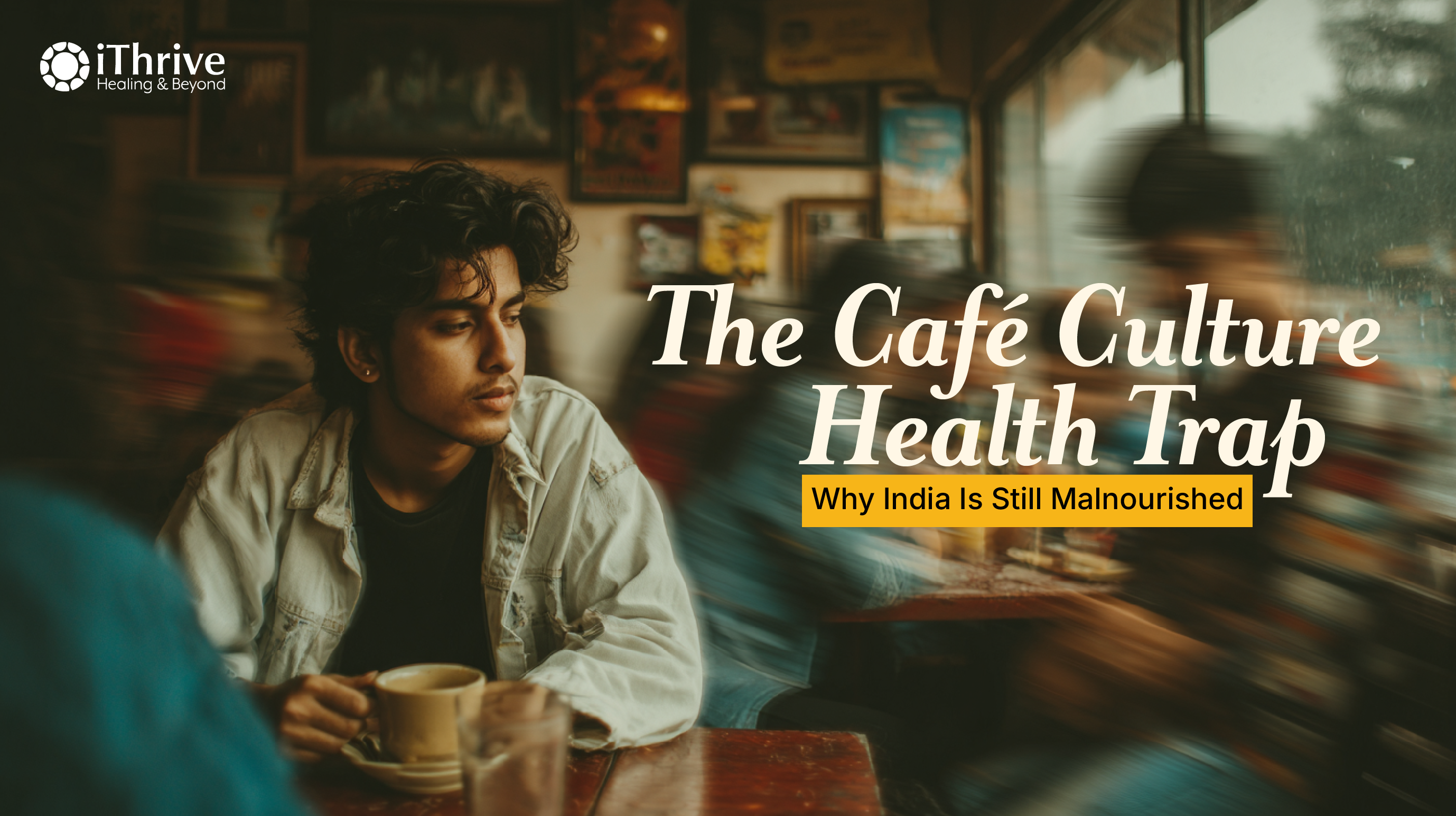


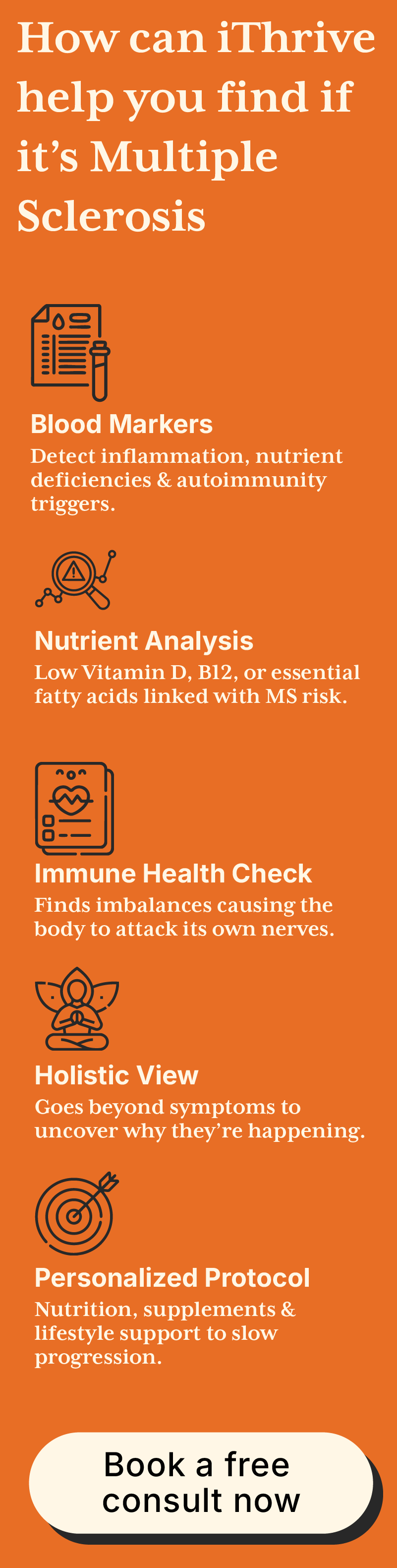

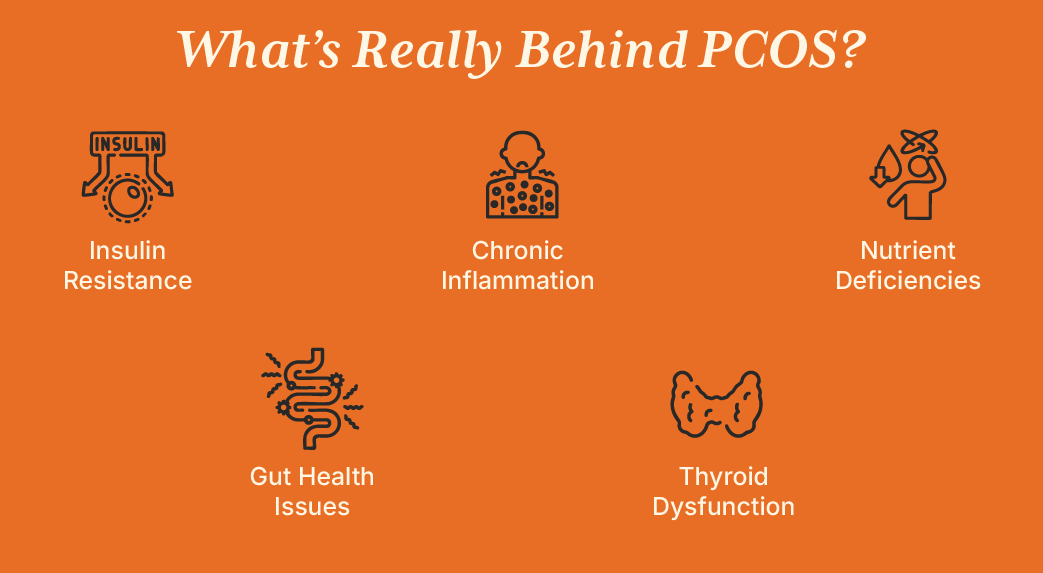

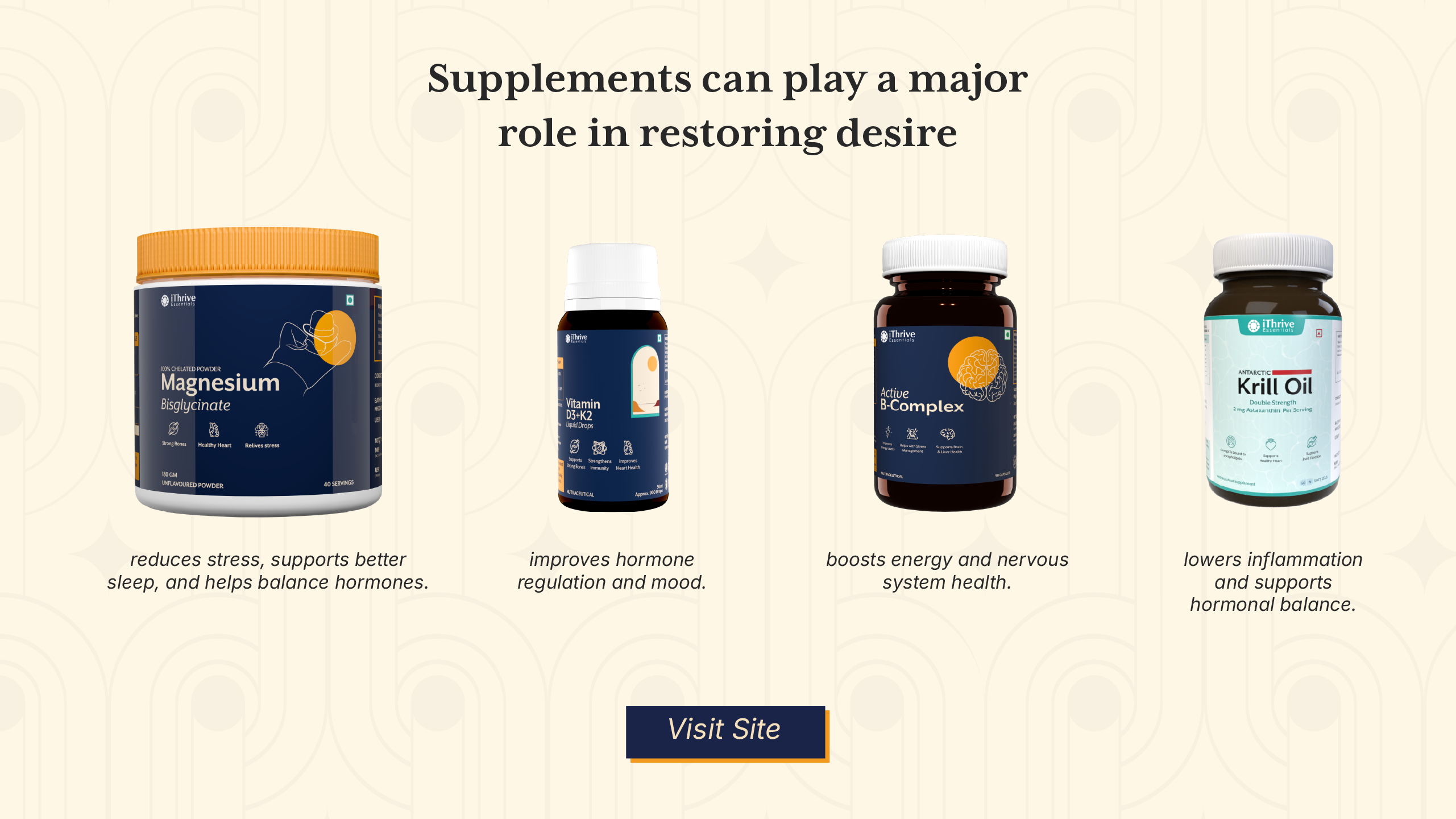


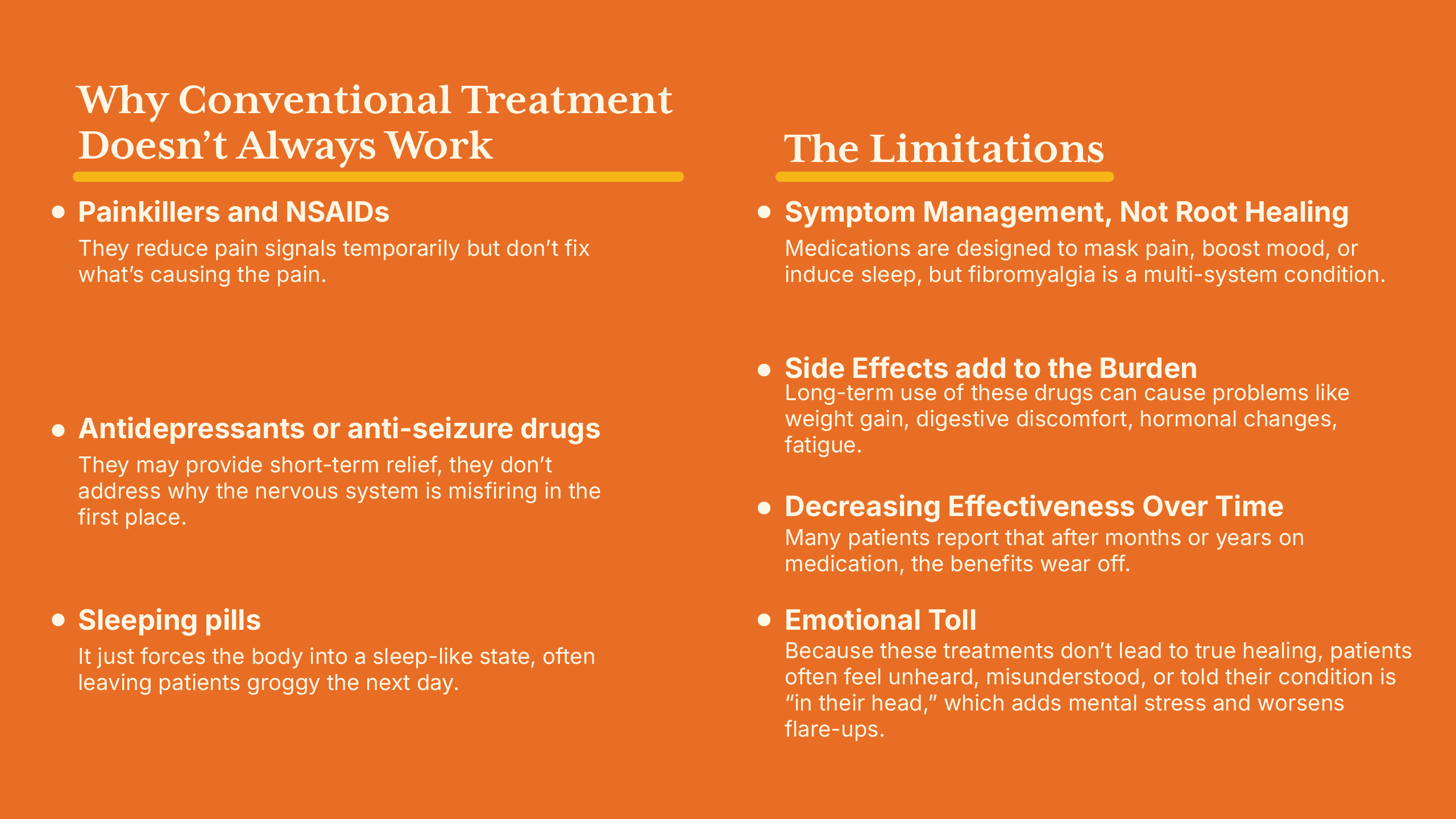
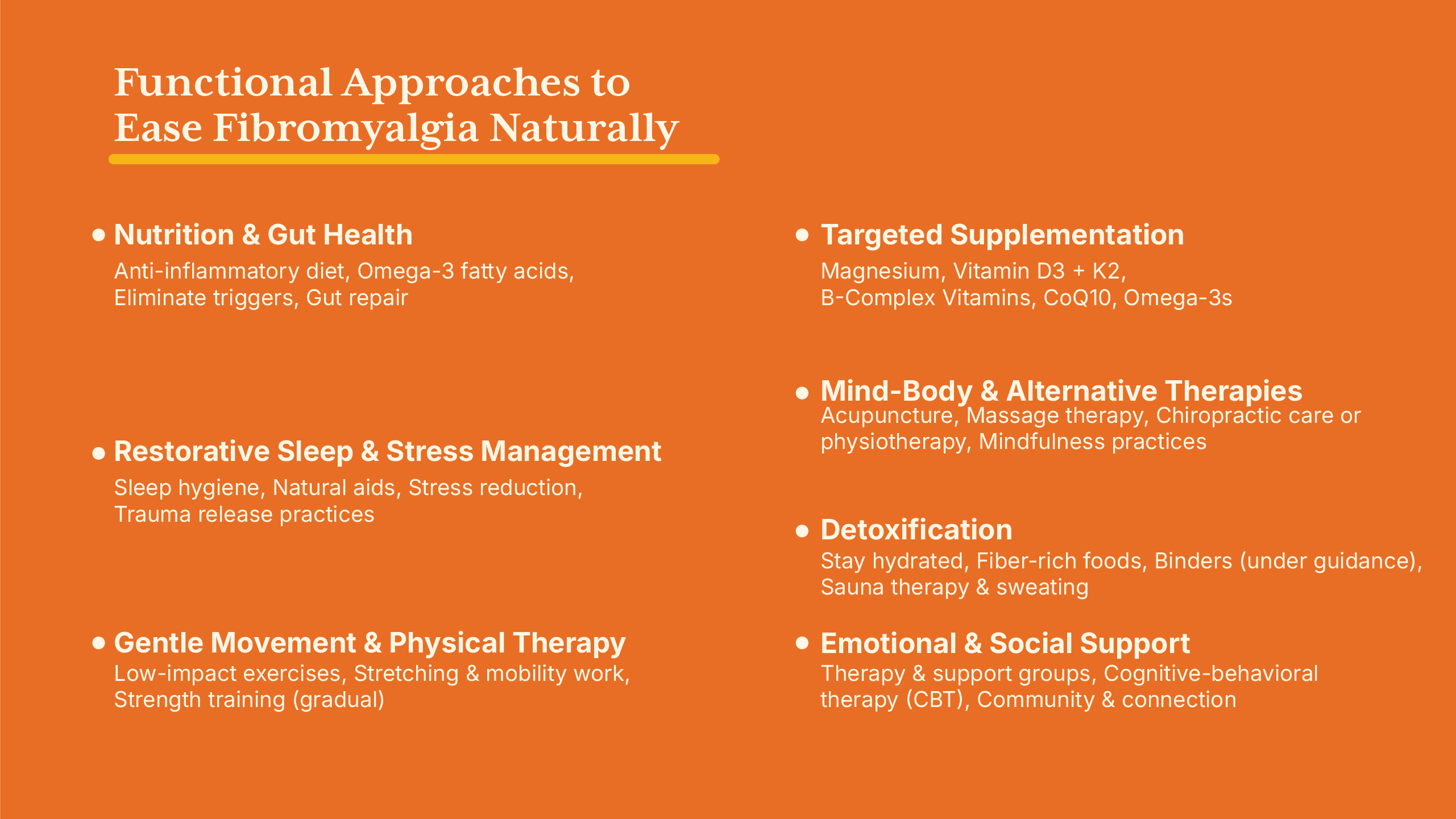
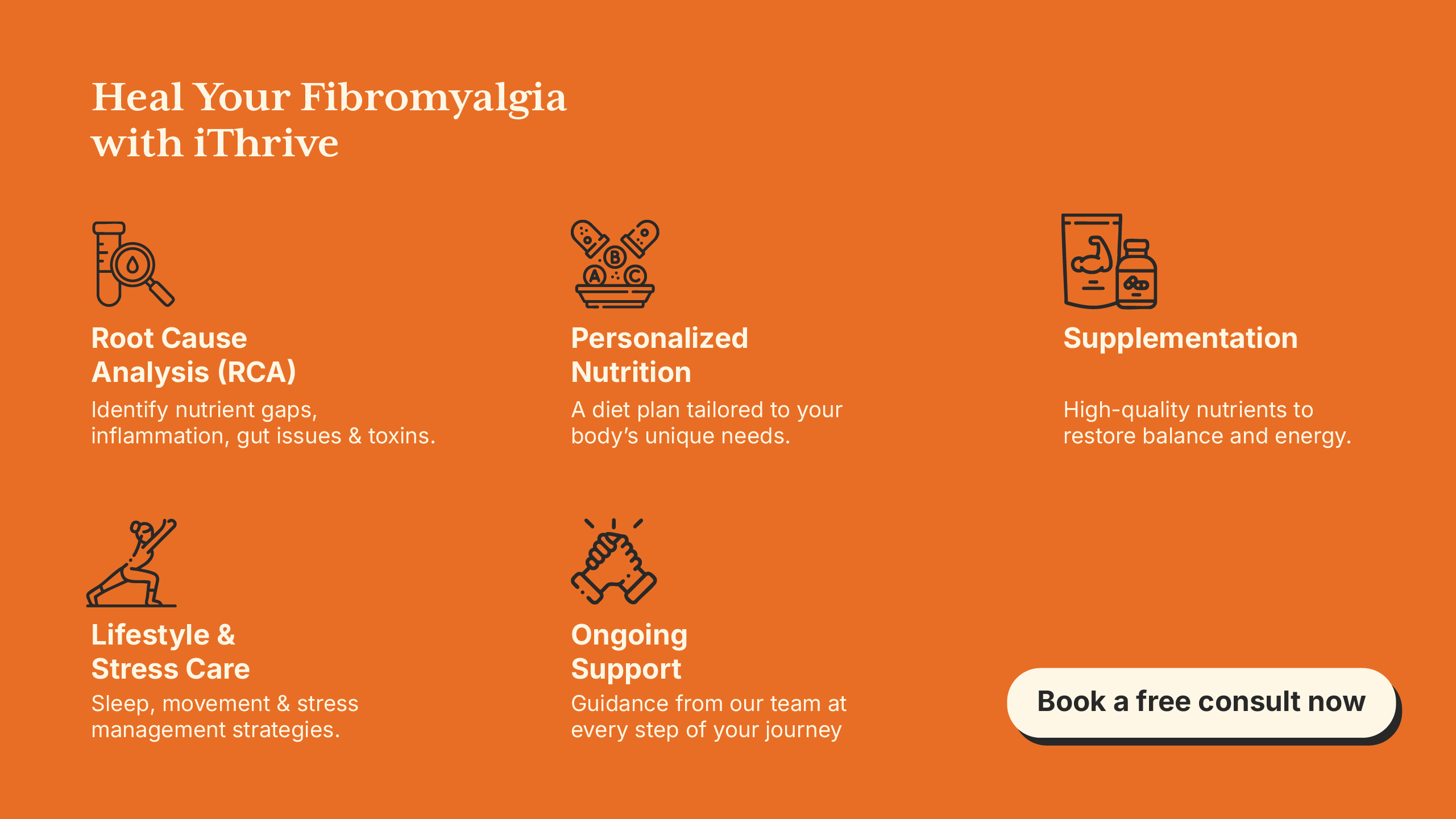

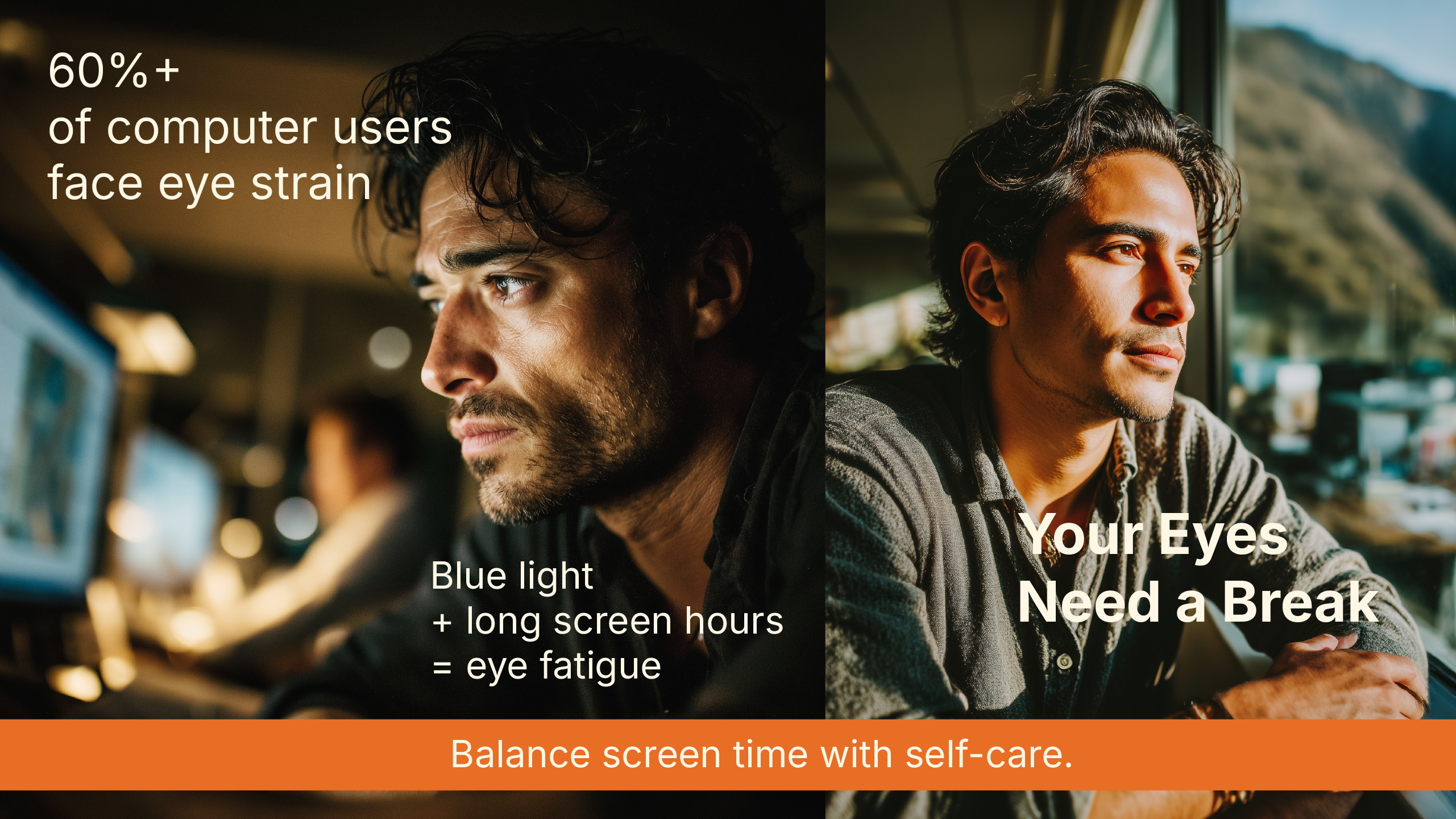
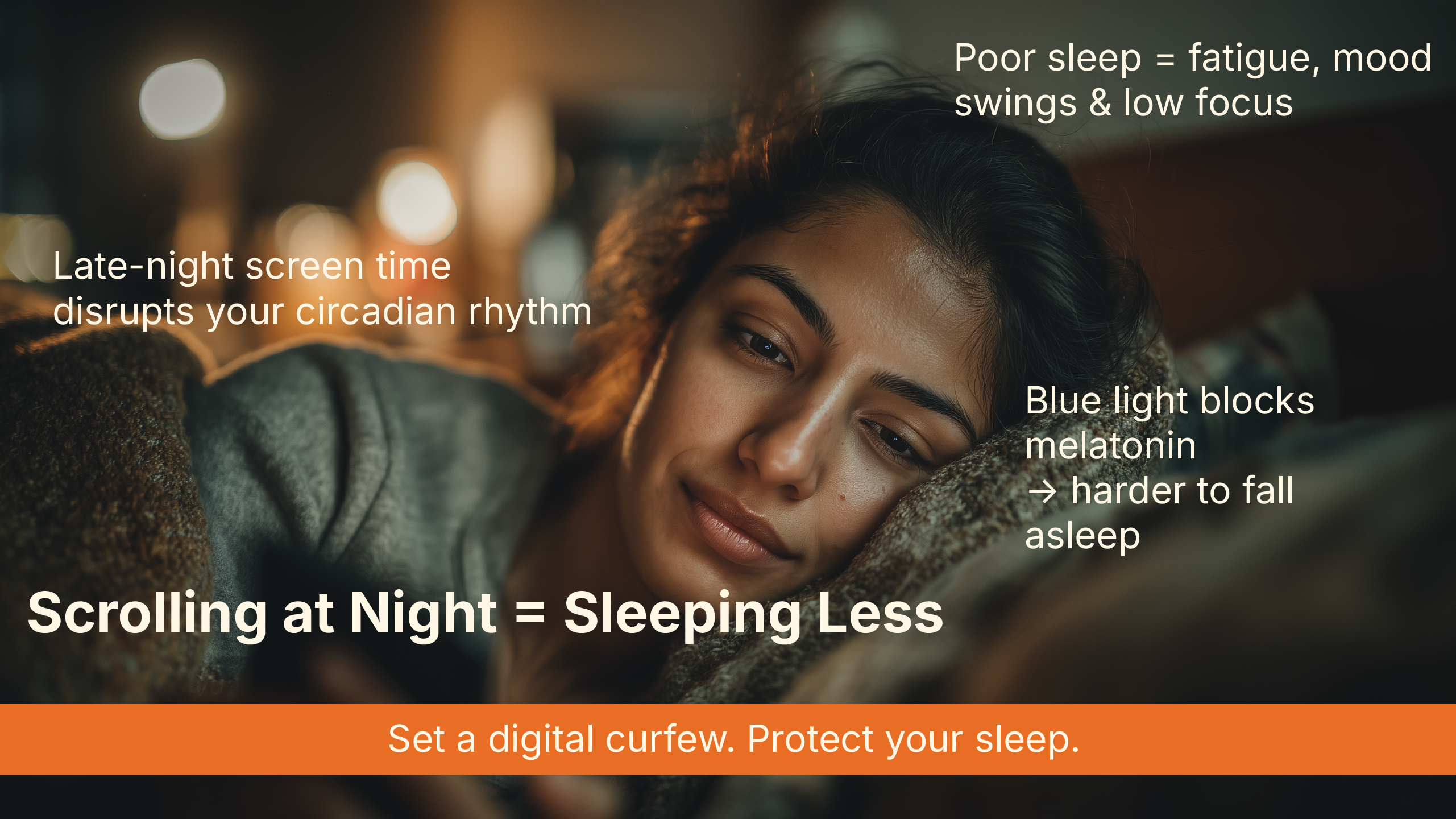
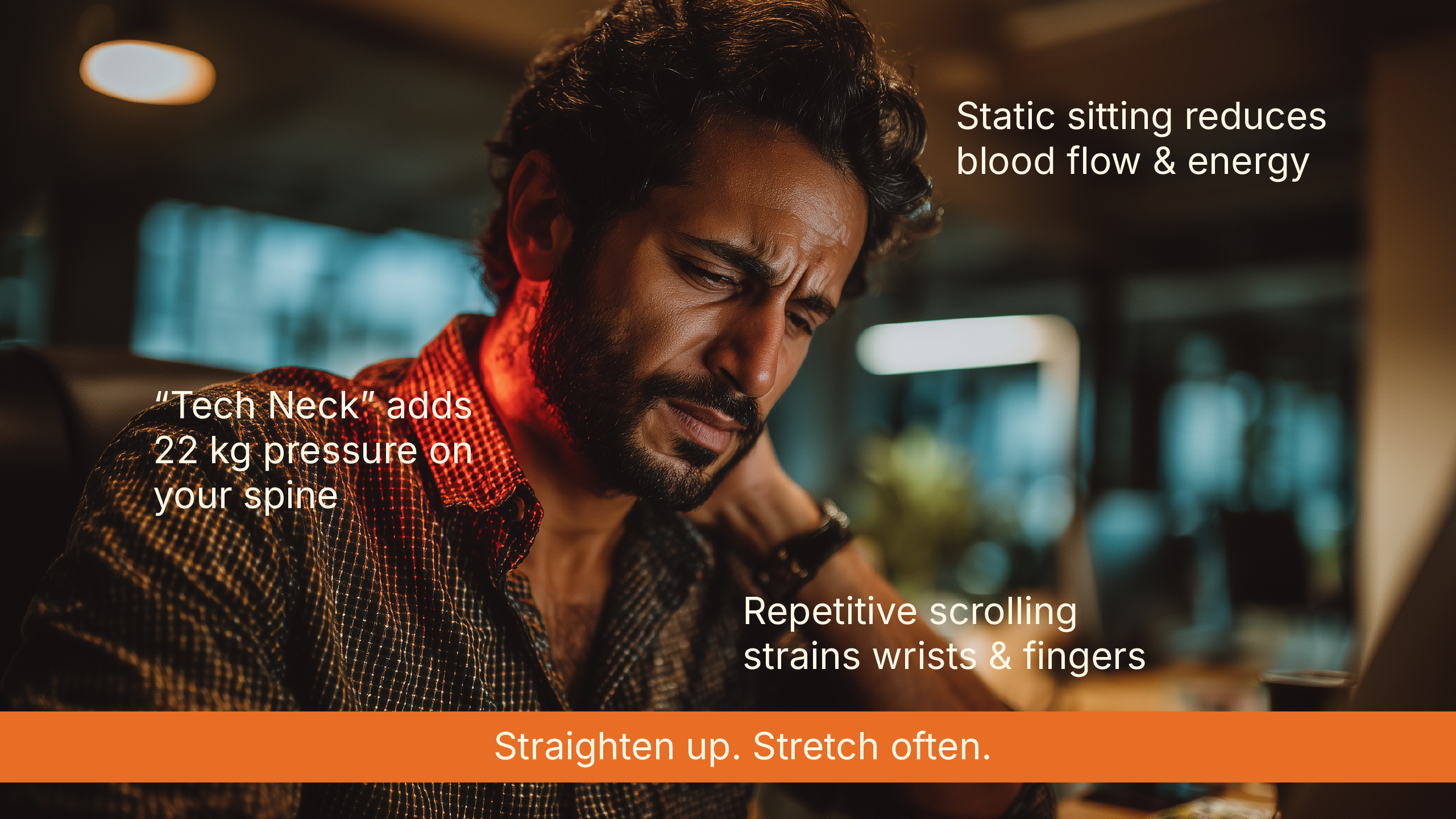
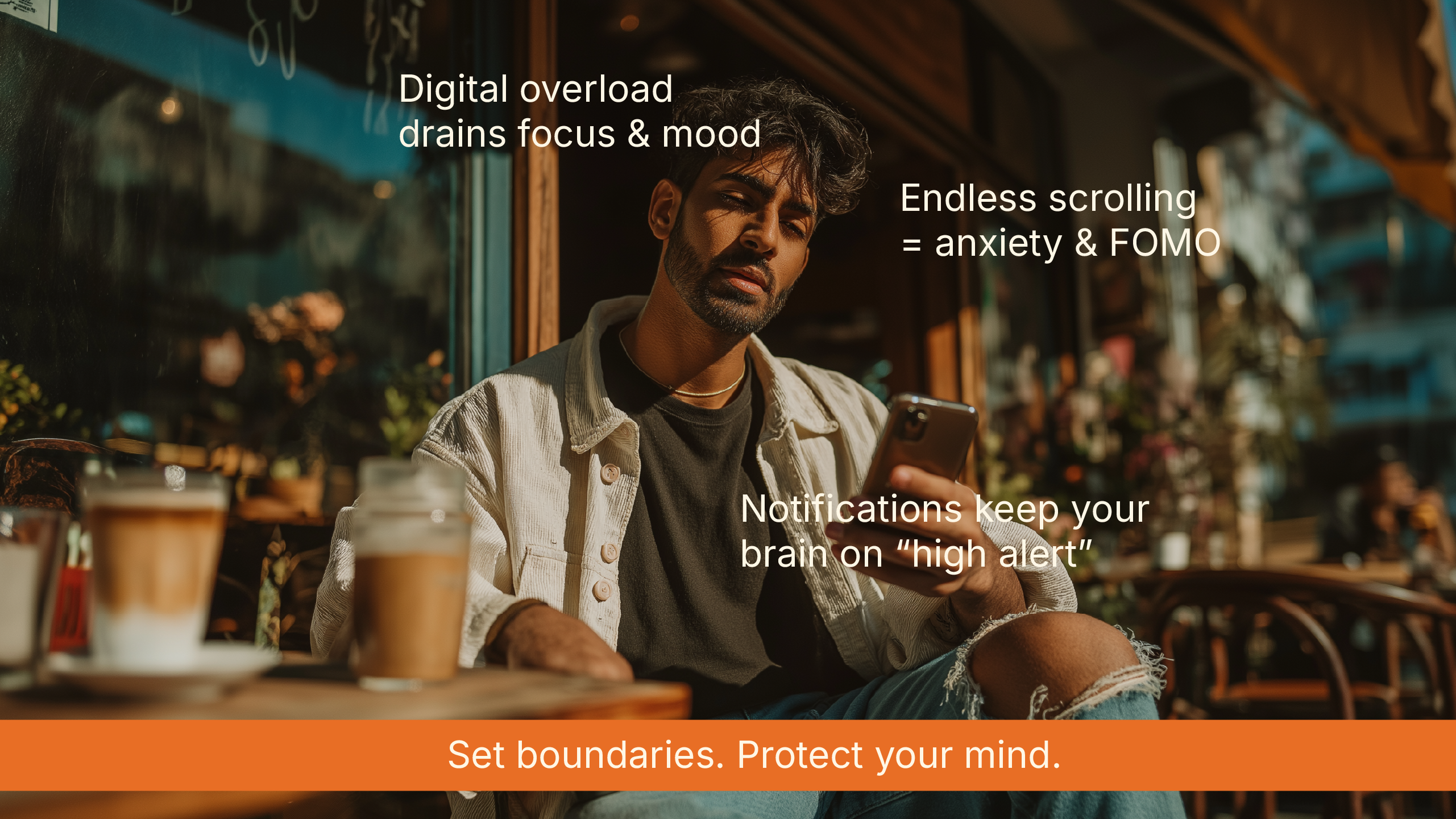



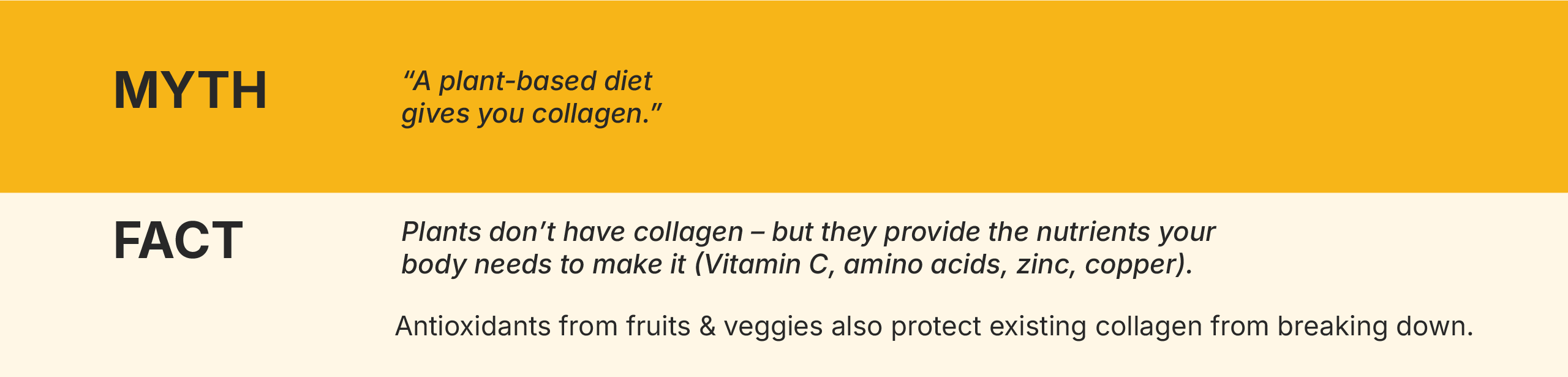




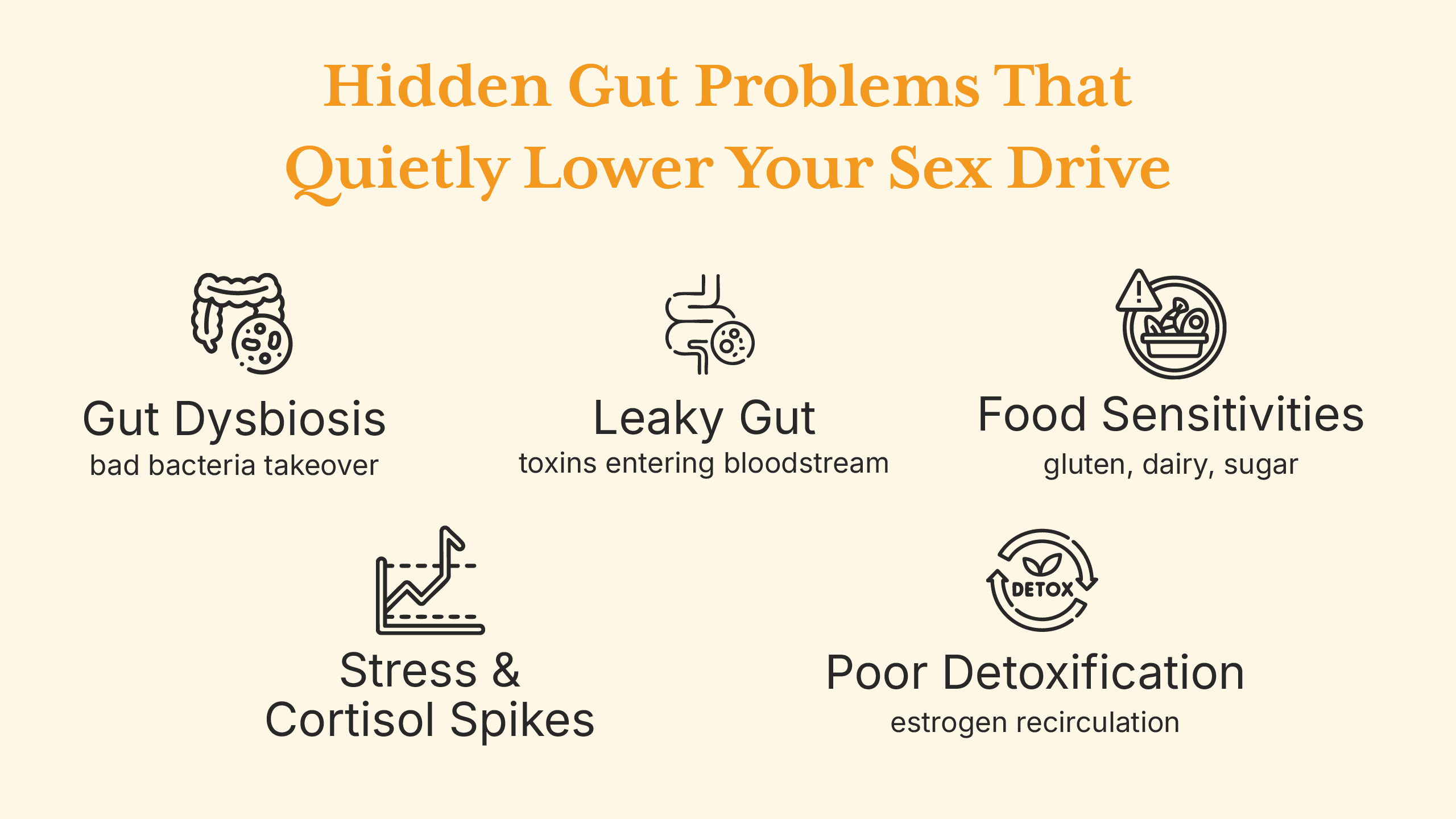

.webp)